Table of Contents >> Show >> Hide
- What Is Lüften, Exactly?
- Why Winter Indoor Air Gets… Weird
- The Science-Backed Benefits of Lüften
- How to Lüften Like You Mean It (Not Like You’re Negotiating)
- “But Won’t I Lose All My Heat?” Let’s Talk Energy Reality
- When You Should NOT Lüften
- Lüften + Smart Indoor Air Habits (Best Results Come in Combos)
- Room-by-Room Lüften Examples
- What Lüften Can’t Fix (Important Reality Check)
- A Simple Winter Lüften Routine You Can Actually Stick To
- Conclusion: Winter Air Can Be Cozy and Fresh
- Extra: 7 Real-Life Lüften Experiences (So You Can Picture It)
Winter has a sneaky superpower: it turns your cozy home into a polite little jar with a lid on it.
We seal up drafts, crank the heat, and congratulate ourselves for “being energy efficient”… while
yesterday’s cooking smells, shower steam, and mystery couch fumes quietly throw a party in the air.
If your house feels stuffy by 3 p.m., your windows are crying for help.
Enter lüften (pronounced kind of like “LOOF-ten”): a German habit of airing out your home
on purposeeven in winter. Think of it as giving your house a quick, controlled “burp.” You open
windows wide for a short burst, swap stale indoor air for fresh outdoor air, then close everything up
before your toes forget what warmth feels like.
What Is Lüften, Exactly?
Lüften simply means “to air out.” In practice, it’s short, intentional window ventilationoften
once or twice a day, plus after “moisture events” like cooking pasta, taking a hot shower, or hosting
three friends who all talk at the same time (hello, carbon dioxide). A common variation is
Stoßlüften (“shock ventilation”): open multiple windows fully for a few minutes to create a fast air exchange.
The key is that it’s brief and effective. This is not the “crack a window for six hours and wonder why the heat bill looks
like a prank” approach. Lüften is more like ripping off a Band-Aidquick, decisive, and oddly satisfying afterward.
Why Winter Indoor Air Gets… Weird
Winter doesn’t automatically make indoor air bad. Our habits do. When it’s cold outside, we:
- Ventilate less (windows stay shut, fans get ignored).
- Generate more indoor pollutants (cooking, candles, cleaning products, holiday crafts, you name it).
- Trap moisture (showers + laundry + simmering soup = humidity party).
- Spend more time indoors (and humans are basically walking CO₂ machines).
That “stale” feeling can come from a mix of things: higher carbon dioxide, lingering odors, volatile organic compounds (VOCs) from products and materials,
moisture that can feed mold, and everyday particles. Lüften doesn’t make your home perfectbut it can make it noticeably fresher, faster than you’d expect.
The Science-Backed Benefits of Lüften
1) It dilutes indoor pollutants (because your house is not a museum display case)
Ventilation is one of the core strategies for improving indoor air quality: bring in outdoor air to dilute what’s indoors, and push stale air out.
When outdoor conditions are decent, a quick air exchange can reduce that “indoor soup” effect.
Bonus: it helps your home smell like “air” again instead of “the memory of garlic.”
2) It helps control moistureone of winter’s most annoying side quests
Moisture isn’t just a comfort issue. Too much indoor humidity can increase the risk of condensation and mold growth, especially around windows,
exterior walls, and bathrooms. Lüften helps by moving humid air out and bringing in drier air (often true in winter, when heated indoor air can hold lots of moisture).
A practical target many health and building sources recommend is keeping indoor relative humidity in a moderate rangeoften around
30% to 50%to balance comfort and reduce mold risk. Lüften can help you get there, especially when paired with good bathroom and kitchen exhaust habits.
3) It can lower CO₂ build-upespecially in bedrooms
CO₂ isn’t usually dangerous at the levels found in most homes, but higher CO₂ can coincide with that sleepy, stuffy, “why am I yawning already?” feeling.
Bedrooms are a classic hotspot because we close the door, close the window, and then breathe in there for 7–9 hours like it’s our job.
Lüften in the morning (or before bed) can refresh the space quickly.
4) It supports healthier air during respiratory-virus season (with smart timing)
Winter is prime time for colds, flu, RSV, and “who brought this cough into my life?” Ventilation is commonly recommended as part of a layered approach
to reduce the concentration of airborne particles indoorsespecially when you have visitors or someone is sick.
Lüften won’t replace filtration or staying home when ill, but it can be one more tool that’s simple and free.
How to Lüften Like You Mean It (Not Like You’re Negotiating)
Step 1: Pick the right moment
Best times are usually:
- Morning (overnight CO₂ + sleep air = refresh needed)
- After showers (steam control)
- After cooking (odors + particles + moisture)
- After cleaning (especially if you used strong products)
- Before guests arrive and after they leave (extra helpful during sick season)
Step 2: Create cross-ventilation
For the most effective air swap, open two or more windows (or a window and a door) on opposite sides of your home or room.
You want air to move through, not just politely visit the window area and then sit down.
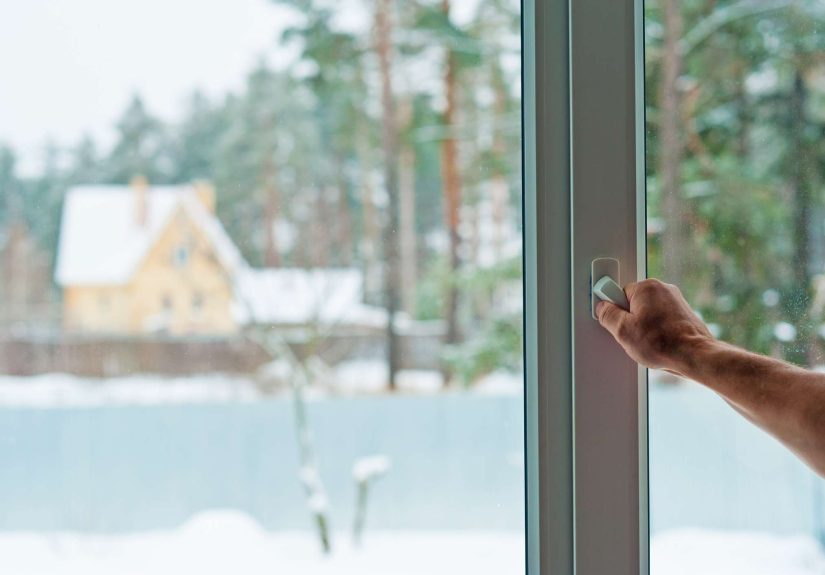
Step 3: Open wide, not “tilted”
A common lüften rule is: wide open beats barely open. A cracked or tilted window for a long time can waste heat and still underperform on air exchange.
Shock ventilation is short and powerfullike espresso for your indoor air.
Step 4: Keep it short (and set a timer if you’re distractible)
Typical lüften sessions are around 5–10 minutes. In very cold or windy weather, you may only need a few minutes for a noticeable refresh.
The goal is to replace air without chilling the walls and furniture.
Step 5: Close up and get back to cozy
Shut windows, resume normal heating, and enjoy the moment when your home stops feeling like a sealed container of “old air.”
If you have a thermostat in the room, don’t panic if it dips brieflyit should rebound as the room’s surfaces re-warm the air.
“But Won’t I Lose All My Heat?” Let’s Talk Energy Reality
Lüften is designed to limit heat loss by being fast. Yes, you lose some warm air. But you’re not trying to cool your sofa and drywall;
you’re swapping the air itself. Because your walls, floors, and furniture store heat, a quick burst of ventilation often feels less dramatic than leaving
a window cracked for hours.
If you want to be extra strategic:
- Lüften during midday when outdoor temps are highest (even “highest” might still be rude, but it helps).
- Do shorter sessions more often in damp rooms (bathroom, kitchen).
- Use exhaust fans while cooking/showering so you don’t have to “window-ventilate” as much afterward.
- Seal drafts so you control ventilation intentionally instead of letting random gaps do it all day.
When You Should NOT Lüften
Lüften is not a “no matter what” rule. Skip or modify it when outdoor air is likely worse than indoor air.
- Wildfire smoke or visible haze
- High outdoor pollution (near heavy traffic, industrial areas, or poor air-quality days)
- Peak pollen if allergies are intense
- Safety risks (young kids, unsecured windows, fall risks, severe storms)
On those days, focus on indoor strategies: better filtration, source control (don’t create extra pollutants), and mechanical ventilation/exhaust where possible.
Lüften + Smart Indoor Air Habits (Best Results Come in Combos)
Pair it with source control
Ventilation is great, but preventing “air junk” is even better. Quick wins:
- Run the range hood while cooking (especially with frying or a gas stove).
- Use bathroom fans during and after showers.
- Store strong chemicals tightly and use them with ventilation.
- Go easy on candles/incense if you’re already battling winter stuffiness.
Use humidity as your compass
If you do one “adulting upgrade” this winter, make it a cheap hygrometer (humidity meter).
If your humidity is consistently high (especially above ~50–60%), you’ll want more moisture control:
fans, shorter showers, vented dryers, maybe a dehumidifier in problem areas, and regular lüften.
If humidity is too low (often below ~30%), you may feel dry skin, irritated nose/throat, and static electricity strong enough to start a small weather system.
In that case, lüften is still finejust keep sessions brief and consider humidification strategies to stay in a comfortable middle zone.
Consider filtration when windows can’t help
When outdoor air is poor, filtration becomes the hero. A properly sized portable HEPA air cleaner can reduce particles indoors,
and a good HVAC filter (if your system supports it) can help too. Lüften is the “fresh air” tool; filtration is the “clean air” tool.
Use the right one for the day you’re having.
Room-by-Room Lüften Examples
Bedroom (the “why does it feel stale?” headquarters)
Open the bedroom window and a hallway window for 5 minutes after you get up. If it’s freezing, do 2–4 minutes.
You’ll notice the room feels less heavy, especially if the door was closed all night.
Bathroom (steam’s natural habitat)
Run the fan during the shower and for 15–20 minutes after. If you still see condensation on windows or mirrors long afterward,
do a quick lüften burstwindow wide open for a few minutesthen close it.
Kitchen (where “cozy” can become “smoky” fast)
After searing, frying, or cooking something aromatic (read: onions), open a window on the opposite side of the room and another nearby window/door
to create a short airflow path. Five minutes can do a lot.
Living room (the “people were here” sensor)
After hosting friends or family, lüften for 5–10 minutes. It’s like hitting refresh on the roomwithout having to Febreze the air into submission.
What Lüften Can’t Fix (Important Reality Check)
Lüften is powerful, but it’s not magic. If you have persistent mold, ongoing water leaks, chronic condensation, or a musty smell that never fully leaves,
you may be dealing with a moisture or ventilation design problem that needs a deeper solution.
Also, some indoor air riskslike radon or carbon monoxiderequire specific safety steps.
Lüften can reduce stuffiness, but it is not a substitute for testing, proper ventilation systems, or detectors where recommended.
A Simple Winter Lüften Routine You Can Actually Stick To
- Morning: 5 minutes of cross-ventilation (bedroom + hall or bedroom + living area).
- After shower: fan first, then 3–5 minutes of window airing if condensation lingers.
- After cooking: range hood + 5 minutes of lüften if odors/moisture hang around.
- After guests: 5–10 minutes of fresh air, especially during respiratory-virus season.
That’s it. You don’t need to do it perfectly. You just need to do it on purpose.
Your reward is indoor air that feels less like a sealed thermos and more like a place you want to breathe.
Conclusion: Winter Air Can Be Cozy and Fresh
Lüften works because it’s simple: open windows wide, swap air fast, close them again.
Done regularly, it can reduce stuffiness, help manage moisture, and make winter indoor life feel less stalewithout requiring a full home renovation
or a PhD in HVAC. Pair it with good exhaust habits, reasonable humidity control, and filtration when outdoor air is bad, and you’ll have a winter home
that feels warm and breathable.
Extra: 7 Real-Life Lüften Experiences (So You Can Picture It)
1) The “Morning Brain Fog” Fix. One of the first times people try lüften, they’re surprised by how different the bedroom feels afterward.
The air is lighter, and the room smells less like “sleep.” It’s not that you were breathing poisonmore like you were breathing the world’s blandest air
smoothie. The quick window burst is a reset button. If you’ve ever walked outside in the cold and thought, “Wow, that feels sharp and clean,” lüften brings
a little of that sensation indoorswithout committing to becoming a winter hiker.
2) The “Cooking Hangover” Disappears Faster. You know that moment when you cook something delicious and, six hours later,
your curtains still smell like it? Lüften is like telling your kitchen, “I love you, but you need a breath mint.” The experience is especially noticeable
after frying, searing, or using lots of aromatics. People often find that five minutes of cross-ventilation does more than spraying scented anything,
because it removes the stale air instead of layering perfume on top of it. (Air freshener is the glitter of the air world: it spreads, it lingers,
and somehow it ends up everywhere.)
3) The Bathroom Mirror Stops Acting Like a Fog Machine. In winter, bathrooms can become humidity traps.
If you’ve ever wiped a mirror, watched it fog again, and wondered if your bathroom is secretly a rainforest exhibit, lüften feels like relief.
The experience isn’t dramaticmore like the room returns to “normal” faster. People who struggle with recurring condensation on bathroom windows often
notice that a quick post-shower airing (plus using the exhaust fan) cuts down on that damp, clammy vibe that makes towels take forever to dry.
4) The “We Have Pets” Reality Check. Pet owners tend to become nose-blind to pet smells (this is not an insultit’s a survival skill).
Lüften can be a gentle way to keep indoor air fresher without constantly burning candles or relying on fragrances. The experience many pet owners describe
is that the home feels cleaner even when nothing else changed: same vacuum schedule, same litter routine, same dog who thinks rolling in something mysterious
is “self-care.” It’s simply that stale air doesn’t get to settle in and stay.
5) The “Crowded Living Room” Test. If you’ve ever had friends over and, afterward, the room feels warm, heavy, and a little too “occupied,”
lüften is a quick rescue. People describe it as clearing the air without making a big production out of it. You open windows, chat for a minute,
then shut them and move on. It’s especially handy during winter gathering season, when doors and windows stay shut and the indoor air starts feeling like
it has a personality. (Not always a good one.)
6) The “I Don’t Want to Waste Heat” Compromise. Many first-timers worry they’ll lose all their heat.
The real experience tends to be: the room cools slightly, then rebounds faster than expected. It helps to treat it like a timed exercise set:
do it, finish it, done. People who try the “crack a window all afternoon” method usually hate it because it’s uncomfortable and inefficient.
The lüften approachshort and widefeels more controlled. It’s the difference between ripping off a sticky note and slowly peeling it for ten minutes
while regretting every life choice.
7) The “I Can’t Open Windows Today” Plan B. Another common experience is learning when not to lüften:
on smoky days, high-pollen days, or when outdoor air just smells like traffic.
People who build the habit often end up checking local conditions and using a fallback plan: run exhaust fans, avoid extra pollutants, and rely on filtration.
In other words, lüften becomes part of a flexible indoor-air toolkit, not a rigid rule. The win is that you’re paying attentionbecause the moment you start
noticing indoor air quality, you also start making smarter choices that keep your home healthier all winter long.