Table of Contents >> Show >> Hide
- Why Regular Water Garden Maintenance Matters
- Know Your Water Garden’s “Personality”
- Essential Equipment That Makes Maintenance Easier
- Your Easy Water Garden Maintenance Routine
- Smart Algae Control (Without Going Chemical-Crazy)
- Caring for Water Garden Plants the Easy Way
- Fish: Great to Have, But Don’t Overdo It
- Keeping Mosquitoes Under Control
- Common Water Garden Maintenance Mistakes to Avoid
- Real-Life Water Garden Maintenance Lessons (Extra Tips & Experiences)
A water garden looks effortless – glassy water, sparkling waterfall, lily pads floating like something
straight out of a postcard. But behind every “effortless” pond is a person who has hauled buckets,
scooped sludge, and wondered if the green stuff taking over the surface is algae, duckweed, or some
kind of sci-fi life form.
The good news? Water garden maintenance doesn’t have to be a full-time job. With the right routine,
smart equipment, and a few science-backed tricks, you can keep your pond clear, healthy, and low-stress.
This guide pulls together practical advice from pond pros, landscaping experts, and university
extension services to help you create a simple system you can actually stick with.
Why Regular Water Garden Maintenance Matters
A well-maintained water garden isn’t just prettier – it’s healthier and cheaper to run over the long
term. Letting things “go” for a season usually leads to:
- Green, cloudy water from algae blooms fed by excess nutrients.
- Unpleasant odors when organic debris breaks down without enough oxygen.
- Stressed or sick fish when water quality and oxygen levels drop.
- Clogged pumps and filters that can burn out and cost you real money to replace.
Professional pond services emphasize that small, consistent tasks – skimming debris, checking
equipment, trimming plants – prevent the kind of “pond emergencies” that require full drain-and-deep
cleans. Think of maintenance as brushing your pond’s teeth, not doing
a root canal every summer.
Know Your Water Garden’s “Personality”
Every water garden behaves differently depending on its setup. Before you design your maintenance plan,
take stock of:
- Size and depth: Larger, deeper ponds are generally more stable, but take longer to clean.
- Sun exposure: Full sun encourages plant growth – and algae, if not balanced.
- Fish load: More fish = more waste = more filtration and cleaning.
- Planting style: Are you lightly planted or full “water jungle” mode?
- Location: Ponds near trees collect more leaves and debris.
Two ponds filled from the same hose can behave totally differently based on these factors. The goal is
to match your routine and equipment to the way your water garden actually lives day to day.
Essential Equipment That Makes Maintenance Easier
1. A Properly Sized Pump
Your pump is the heart of your water garden. Most pond pros recommend choosing a pump that can circulate
the entire volume of the pond at least once per hour. That steady
circulation:
- Helps keep oxygen levels up for fish and beneficial bacteria.
- Discourages mosquito breeding by preventing stagnant water.
- Feeds your waterfall or fountain, which increases aeration and looks gorgeous.
If your waterfall looks weak or you hear the pump “slurping,” check for clogged skimmer baskets or low
water level before assuming the pump is dying.
2. Filtration That Matches (or Exceeds) Your Pond
Filters are often rated for ideal, lightly stocked ponds. If you have lots of fish, heavy feeding, or
plenty of plants dropping debris, “oversizing” your filter is a smart move. Many pond specialists
recommend choosing a filter rated above your pond’s actual volume for easier, more forgiving
maintenance.
Combine mechanical filtration (sponges, pads, skimmers that catch debris) with
biological filtration (media where beneficial bacteria grow). That bacterial colony is
your invisible clean-up crew.
3. Basic Hand Tools
You don’t need a truck full of gear. A simple kit usually includes:
- Long-handled skimmer net.
- Pruners for aquatic and edge plants.
- Bucket or tub for trimming and muck removal.
- Pond vacuum (optional, but nice for bigger features).
- Water test kit for pH, ammonia, nitrite, and nitrate.
Your Easy Water Garden Maintenance Routine
Daily (or Every Few Days)
- Skim off leaves, petals, and floating debris before they sink.
- Quickly check water clarity and color.
- Make sure the waterfall, fountain, and pump are running normally.
These micro-tasks take minutes, but massively reduce the amount of sludge that can build up on the
bottom.
Weekly
- Empty skimmer baskets or pump pre-filters.
- Top off evaporated water (ideally with dechlorinated water if you have fish).
- Trim back overgrown plants shading too much of the surface.
- Do a quick water quality check, especially in hot weather.
Many pond care companies follow a similar weekly checklist and find that it keeps ponds stable without
heavy chemical use.
Monthly (or as Needed)
- Rinse filter media gently in a bucket of pond water (not chlorinated tap water).
- Vacuum or manually scoop out accumulated muck from the bottom.
- Thin out aggressive plants to maintain a balance of open water and greenery.
- Check pumps, lights, and tubing for wear or leaks.
Seasonal Deep-Dive
Once or twice a year, especially in spring or fall, a more thorough clean can reset the system:
- Move fish temporarily into a holding tub with aeration.
- Drain most of the pond water (keep some to re-seed beneficial bacteria).
- Remove sludge, wash rocks, and clean filters and skimmers.
- Refill, treat the water, then reintroduce plants and fish.
In cold climates, you may also need to winterize: removing non-hardy plants, protecting pumps from
freezing, and using a small de-icer to keep a hole in the ice for gas exchange.
Smart Algae Control (Without Going Chemical-Crazy)
Some algae is normal – even a sign of a living ecosystem. The goal isn’t “zero algae,” it’s “no slime
horror movie.” The main levers you can pull are:
1. Reduce Extra Nutrients
Algae feeds on nutrients like nitrogen and phosphorus. Those sneak into your pond from fish waste,
uneaten food, fallen leaves, lawn fertilizer runoff, and decaying plant matter. Pond experts recommend:
- Feeding fish sparingly – only what they eat in a few minutes.
- Keeping grass clippings and fertilizer away from pond edges.
- Regularly netting leaves and debris before they sink.
2. Use Plants as Natural Filters
Aquatic plants are your best anti-algae allies. Floating plants, marginals, and water lilies shade the
surface and compete with algae for nutrients. Many guides recommend shading 40–60% of the surface area
during peak summer with plant cover.
Oxygenating submerged plants also help absorb nutrients and add oxygen. Just avoid invasive species and
favor native or regionally appropriate plants recommended by local extension services.
3. Build a Strong Bacteria Team
Beneficial bacteria live on your rocks, liner, and filter media. They break down fish waste and organic
debris into less harmful forms. Many pond owners add bottled beneficial bacteria, especially after
cleaning or in early spring, to help outcompete algae.
Caring for Water Garden Plants the Easy Way
Healthy plants equal less algae and a prettier pond, but they do need some attention.
Water Lilies and Floating Plants
Hardy water lilies usually like:
- At least 5–6 hours of sun per day.
- Calm water away from splashing waterfalls.
- Planting depth of about 18–24 inches for many varieties.
Periodically remove yellowing leaves and spent flowers so they don’t rot. Divide crowded lilies every
few years to keep them blooming.
Marginal and Bog Plants
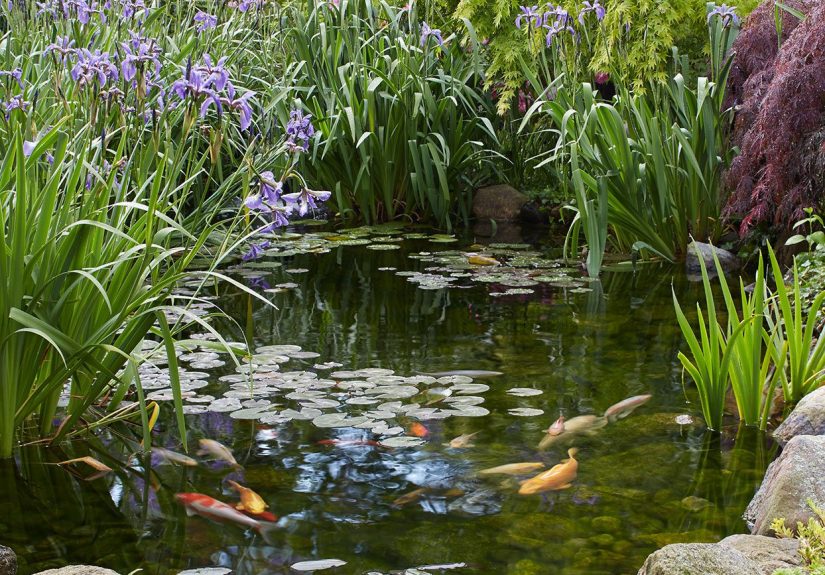
Marginal plants – like irises, pickerel rush, or cattails – live with their roots in shallow water and
their foliage above the surface. Trim them back in late fall and thin them out when they start to take
over. In cold climates, some tender plants need to be moved indoors or treated as annuals.
Fish: Great to Have, But Don’t Overdo It
Fish bring your water garden to life, but they also bring… poop. Overstocking fish is one of the fastest
routes to water quality problems.
- Start with a modest stock and add slowly over time.
- Feed lightly – it’s better for water quality and fish health.
- Watch for gasping at the surface or lethargy, which can signal low oxygen or poor water quality.
As a rule of thumb, it’s better to have “too few” fish and fantastic water than a crowded pond that
constantly teeters on the edge of crisis.
Keeping Mosquitoes Under Control
Water garden owners often worry that a pond will turn their yard into a mosquito resort. The reality:
well-maintained ponds with moving, oxygenated water are less attractive to mosquitoes than
forgotten buckets and clogged gutters.
Movement Is Your Best Friend
Mosquitoes prefer still, stagnant water to lay their eggs. A properly sized pump, waterfall, or fountain
keeps the surface rippling and makes it hard for larvae to survive.
Let Fish and Other Wildlife Help
Many small fish love to snack on mosquito larvae. In some regions, people use topminnows, killifish, or
other locally appropriate species that happily patrol the surface. Dragonfly nymphs and other aquatic
predators also help keep larvae in check.
Use Mosquito Dunks or Bti When Needed
If you still struggle with larvae, products containing Bacillus thuringiensis israelensis (Bti)
– often sold as “mosquito dunks” – can be placed in standing water to kill larvae without harming fish,
pets, birds, or beneficial insects when used as directed.
Combine pond circulation, good housekeeping (no hidden buckets of water), and occasional Bti use, and
your water garden doesn’t have to come with a side of itchy bites.
Common Water Garden Maintenance Mistakes to Avoid
- Doing huge cleanouts too often: You don’t want to strip away all beneficial bacteria every few weeks.
- Rinsing filter media under chlorinated tap water: That kills your biofilter. Use pond water instead.
- Relying only on chemicals: Quick fixes don’t replace good filtration, plants, and debris control.
- Ignoring equipment noises: Gurgling, rattling, or silence from the pump is a “fix me now” request.
- Forgetting about winter: Pumps and certain plants need specific cold-weather care in freezing climates.
Most pond “disasters” started as small issues that went unchecked. A quick weekly walk-around and
10-minute tune-up can prevent months of frustration later.
Real-Life Water Garden Maintenance Lessons (Extra Tips & Experiences)
After you’ve read all the expert advice, it’s the lived experiences – the “I can’t believe I did that”
moments – that really stick. Here are some practical, story-style lessons that many water garden owners
end up learning the hard way so you don’t have to.
1. The “I’ll Clean It Next Weekend” Trap
Nearly every pond owner has had a season where life got busy and the pond was bumped down the priority
list. One week of skipping skimming is no big deal. But three or four weeks of falling leaves, spent
flowers, and blown-in debris can turn into a thick layer of sludge on the bottom.
That sludge is more than just ugly – it slowly releases nutrients that feed algae and can rob water of
oxygen as it decomposes. Owners who’ve gone through a full “brown soup” episode will tell you: a few
minutes with a net every week is infinitely better than hauling out black muck by the bucket later.
2. When “More Fish” Is Not the Answer
It’s tempting: the pond looks a little empty, and those new koi at the garden center are calling your
name. But many people only realize they’ve overstocked when things start going wrong – cloudy water,
frequent algae blooms, or fish gasping at the surface on hot afternoons.
Experienced owners often settle on a “less is more” rule. They keep a small, well-loved fish population,
feed moderately, and focus on water quality first. The fish they do have are healthier, more active, and
often live longer because the water is stable. It’s more satisfying to have a few thriving fish than a
crowded pond that constantly feels on the edge of collapse.
3. The Day the Pump Quietly Died
Another common story: one morning, the waterfall isn’t running. Someone notices hours later, but by then
the water has stopped circulating, oxygen levels are dropping, and the water is starting to heat up in
the sun. In a heavily stocked pond, that can be life-threatening for fish.
People who’ve gone through a pump failure usually come out with a checklist: glance at the waterfall or
fountain every time you walk outside, have a spare small pump or air stone on hand for emergencies, and
clean those skimmer baskets regularly so the pump isn’t straining. It’s a simple habit that can save
hundreds of dollars in fish and equipment.
4. Plant Choices Make or Break Your Workload
Some new pond owners plant every pretty aquatic plant they see, only to discover that certain species
spread aggressively or create thick mats that are a pain to clear. Others accidentally choose invasive
varieties that are tough to control once established.
People with a few seasons under their belt usually swear by researching plants first, choosing
region-appropriate species, and focusing on a balanced mix: a few reliable marginal plants, some hardy
lilies, and a controlled amount of floating coverage. This balance gives good shade and nutrient uptake
without turning the pond into a solid mass of stems and leaves.
5. The Mosquito Panic That Turned Out Fine
Many first-time pond keepers are convinced their yard will become unlivable with mosquitoes. Then they
realize that the real problems are forgotten birdbaths, toys full of rainwater, and clogged gutters –
not the pond itself. Once they add circulation, a small fish population, and basic housekeeping, they
often notice mosquito numbers drop compared to before.
Some share that using Bti dunks in problem spots – or even in a separate “decoy bucket” – helps keep
larvae under control around the yard. They stop seeing the pond as a mosquito factory and start seeing
it as a balanced habitat where predators, movement, and good design work together.
6. The Biggest Lesson: Systems Beat Willpower
The most relaxed water garden owners rarely talk about “working hard” on their ponds. Instead, they talk
about systems – automatic timers on pumps, easy-access skimmer baskets, plants chosen for low
maintenance, and a routine that fits naturally into their week.
When maintenance is built into your landscape and your habits, your water garden stops feeling like a
chore and starts feeling like what it was meant to be: a calm, sparkling, living feature you actually
have time to enjoy. If you take one lesson from their experience, let it be this – design your pond and
your routine so that doing the right thing is the easiest thing.
Do that, and you won’t just have a cleaner pond. You’ll have a water garden that quietly takes care of
itself with a little help from you – instead of the other way around.