Table of Contents >> Show >> Hide
- Why the HomePod 3 Rumors Feel So Messy
- What Apple’s Next Home Device Probably Is
- The Biggest Delay Has a Name: Siri
- Features That Actually Sound Plausible
- What the Rumors Probably Do Not Mean
- How It Would Compare With Today’s HomePod Lineup
- Should You Wait for the Rumored HomePod 3?
- Final Verdict: The “HomePod 3” Rumors Are Really About Apple’s Home Hub Future
- Real-World Experiences Related to the HomePod 3 Rumors
- SEO Tags
If you have been trying to keep up with the HomePod 3 rumors, congratulations: you have accidentally enrolled in Apple Rumor Interpretation 101. One report says a new HomePod is coming. Another says it is not really a HomePod. A third says it is a smart display. A fourth says it is delayed because Siri is still trying to find the car keys, the garage door, and maybe its own purpose in life.
So what is actually going on?
Here is the simple version: the so-called “HomePod 3” rumors increasingly point to a new Apple home device that blends a smart speaker, a compact display, and a smart-home control hub. In other words, this may not be a straightforward third-generation HomePod focused only on sound. It may be Apple’s attempt to build a more ambitious home command centersomething that sits somewhere between a HomePod, an iPad, and an Echo Show.
That distinction matters. It changes what buyers should expect, what features make sense, and whether it is worth waiting for. Let’s break through the noise and sort the believable rumors from the wishful thinking.
Why the HomePod 3 Rumors Feel So Messy
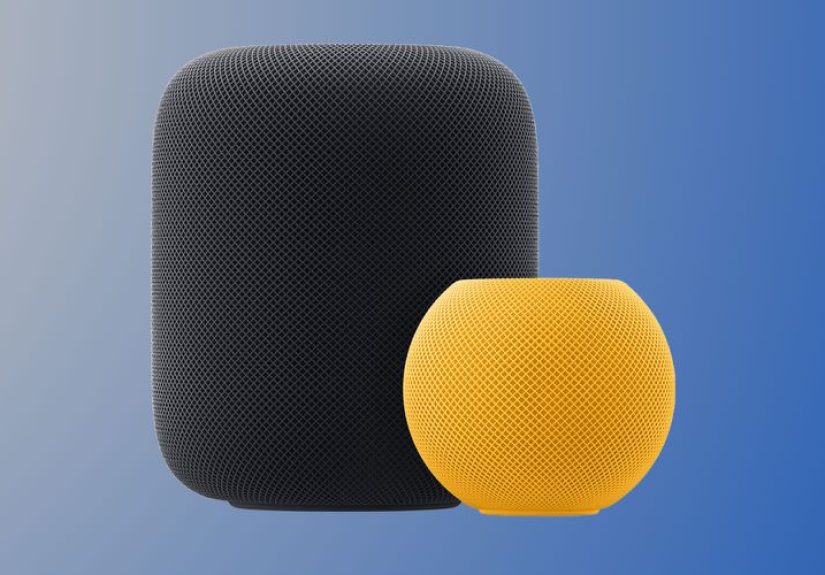
Apple’s home lineup has been begging for a clearer identity for years. The current full-size HomePod is excellent at audio, the HomePod mini is a handy entry point for Apple households, and both can act as home hubs for Apple Home accessories. But neither device fully solves a growing smart-home problem: people want a central screen they can glance at, tap, mount, and use to control everything without always reaching for an iPhone.
That is why the rumor cycle has become confusing. Some leaks frame the next device as a speaker upgrade, while others describe it as a home hub with a display. Both ideas can technically be true, but they are not the same product story. A speaker-first HomePod 3 would focus on better sound, improved microphones, faster processing, and smarter Siri. A hub-first device would focus on display-based controls, widgets, home automation, intercom, notifications, cameras, and ambient information like weather and calendar events.
Right now, the second story looks much more likely.
What Apple’s Next Home Device Probably Is
More Than a Speaker, Less Than a Full iPad
The strongest rumors suggest Apple is working on a compact smart home display with built-in speakers, roughly in the seven-inch range. It has been described as a device that could sit on a countertop, nightstand, or desk, while some reports also point to a wall-mounted version. That makes it feel less like a traditional speaker refresh and more like Apple’s answer to the smart-display category it has avoided for years.
That idea also explains why so many reports stop short of calling it a normal HomePod. If the display is the star of the show, Apple may market it as a home hub, a command center, or some new category entirely. Rumor watchers have used nicknames like “HomePad,” but those are fan labels, not official branding. Apple could still call it HomePod. Apple could also call it something wildly simple and suspiciously expensive. Both outcomes would be very on brand.
The Screen Rumor Keeps Getting Stronger
One of the more convincing clues came from software references that appeared to describe a HomePod being able to “show” local weather and time. That wording caught attention because current HomePods do not show anything beyond the small touch surface on top. You can ask them for the forecast, sure, but they cannot flash a visual dashboard like a dedicated display.
Software clues are never a guarantee, but they often reveal the direction Apple is testing internally. In this case, they line up neatly with the broader rumor pile: a HomePod-like device with a real screen, deeper Siri interactions, and a stronger role in the smart home.
The Biggest Delay Has a Name: Siri
If there is one theme running through almost every recent report, it is this: Apple’s next home device appears tied to Siri’s long-promised overhaul. That has become the rumor bottleneck.
At various points, the launch window has been pushed from 2025 to early 2026 and then further into late 2026. The reason that keeps coming up is not the display hardware itself. It is the software experience. Apple reportedly wants this device to feel like a showcase for a more capable Siri and a smarter Apple home experience. If Siri is not ready, the product risks feeling half-finished on day one.
That delay makes strategic sense. A screen-equipped Apple home device without genuinely improved voice intelligence would be awkward. People would immediately compare it to Amazon Echo Show and Google Nest Hub devices, both of which already lean heavily on glanceable information and voice control. Apple does not just need a pretty screen. It needs a reason for that screen to exist.
And that is where the rumors become believable. Apple is not likely to release a home hub that simply shows the weather, displays album art, and then shrugs when you ask it to handle anything complicated. The company needs a more capable assistant, better context awareness, and tighter integration with home routines before this product really lands.
Features That Actually Sound Plausible
A 6- to 7-Inch Display
This is one of the most repeated details, and it fits the category well. A display in that size range is large enough to show widgets, timers, Home controls, camera feeds, and media information without turning the device into a mini television. Think “smart display for the kitchen or bedside table,” not “living-room monster screen.”
Built-In Speakers and Better Audio Than Typical Smart Displays
Apple will almost certainly care about audio quality, because that is the HomePod brand’s strongest muscle. Even if the next product is more display-centric, it would be shocking if Apple let it sound thin or cheap. The real question is whether it matches the current full-size HomePod’s rich, room-filling sound or lands closer to the HomePod mini with a visual upgrade. My guess: better than most smart displays, but not necessarily a replacement for a stereo-paired full-size HomePod setup.
Apple Intelligence and a Smarter Siri
This is where rumor and common sense finally shake hands. A new home hub would be a natural place for Apple to push more conversational control, personal context, on-screen suggestions, and smarter automation. Imagine saying, “Turn on the porch light, lock the back door, and show me the front camera,” and getting both spoken confirmation and visual feedback. That kind of experience is exactly what Apple’s current setup is missing.
Still, buyers should be careful here. The fact that Apple wants AI-infused home products does not mean every rumored intelligence feature is arriving on day one. Some capabilities may depend on later software updates, regional rollouts, or hardware limits.
Home Control, Matter, and Thread at the Center
This is not speculation so much as the obvious job description. Apple’s current HomePods already act as home hubs and support key smart-home features. A new model would almost certainly double down on that role, becoming a control point for lights, locks, thermostats, cameras, sensors, scenes, and automations. If Apple wants this product to matter, it has to feel useful even when nobody is asking it to play music.
Different Mounting Options
Reports of both tabletop and wall-mounted versions sound believable because they solve different household needs. A kitchen counter unit makes sense for timers, recipes, music, and intercom. A wall-mounted version makes sense as a fixed command center near an entryway or hallway. Apple loves selling the same idea in multiple “carefully considered” forms, so this rumor has real legs.
Maybe MagSafe, Maybe a watchOS-Like Interface
These lower-confidence leaks are interesting, but they belong in the “possible, not proven” pile. A watchOS-inspired UI would make sense on a smaller screen because it favors glanceable cards, widgets, and simple interactions. MagSafe support could also make sense for docking or charging accessories. But these details are less widely supported than the basic screen-and-hub narrative, so take them with the appropriate grain of smart-home salt.
What the Rumors Probably Do Not Mean
Not every HomePod rumor deserves a welcome basket.
First, this probably does not mean Apple is about to launch a radically redesigned audio-only HomePod 3 with huge speaker gains and no display. That is possible in theory, but it is not where the strongest reporting points today.
Second, this probably does not mean the current HomePod is dead weight. Apple has continued to update the existing speakers with software improvements, and the full-size HomePod still delivers strong sound quality for Apple Music listeners and smart-home users. If you need a speaker now, the present model is not suddenly obsolete because a rumor got dramatic on a Tuesday.
Third, this does not guarantee a cheap product. In fact, some reports suggest a price that could feel premium for a smart display. If Apple launches a device with a screen, strong audio, home-hub intelligence, and polished industrial design, it is very unlikely to compete on bargain-bin pricing. Apple does not do “budget smart display.” Apple does “carefully machined reason your wallet sighed.”
How It Would Compare With Today’s HomePod Lineup
Current HomePod Strengths
The full-size HomePod already brings impressive audio, room sensing, temperature and humidity sensing, home-hub functionality, and support for Apple’s broader smart-home ecosystem. It works especially well for people who are deep into Apple Music, AirPlay, stereo pairing, and Apple Home automations.
Current HomePod Weaknesses
Where it still feels limited is interaction. There is no true screen, no glanceable family dashboard, no dedicated camera feed display, and no visual interface for home controls beyond using another Apple device. That is the gap the rumored new product seems built to close.
Why Apple May Keep Selling Both
Apple could easily position the lineup like this: HomePod mini for affordable room-by-room audio and basic smart-home access, full-size HomePod for premium sound, and the new display-equipped device as the central home controller. That would finally give Apple a cleaner three-part story instead of asking one speaker to be everything.
Should You Wait for the Rumored HomePod 3?
That depends on what you actually want.
If your priority is great sound right now, the current HomePod is still the safer buy. It exists, it sounds good, and it does not require faith-based shopping.
If your priority is a smart display for Apple Home, waiting makes more sense. The rumored product could be much closer to what Apple ecosystem households have been missing: a device for glancing, tapping, viewing, and controlling without relying entirely on voice.
If your priority is the smartest possible Siri experience, patience is practically part of the setup process. The repeated delays suggest Apple is still figuring out how to make the next-generation assistant worthy of the hardware.
In other words, do not wait for a mystery product unless the rumored screen-and-hub concept is exactly what you want. But if that sounds like your dream Apple home device, the rumors are finally coherent enough to take seriously.
Final Verdict: The “HomePod 3” Rumors Are Really About Apple’s Home Hub Future
The biggest mistake people make with the HomePod 3 rumors is assuming Apple is preparing a normal speaker sequel. The more believable interpretation is that Apple is building a broader home devicepart speaker, part smart display, part control centerand the market has lazily wrapped that idea in the familiar “HomePod 3” label.
That is why the reports seem contradictory when you skim them but surprisingly consistent when you line them up. The screen rumors fit. The hub rumors fit. The Siri-related delays fit. The premium pricing rumors fit. Even the confusion fits, because Apple appears to be moving toward a new category rather than a plain spec bump.
So, is a HomePod 3 coming? Maybe. But the better question is this: what does Apple want the next HomePod to be? Right now, the answer looks less like “another speaker” and more like “the brainy face of the Apple smart home.”
And honestly, about time.
Real-World Experiences Related to the HomePod 3 Rumors
If you already live with a HomePod or HomePod mini, the rumors are easy to understand on a practical level because you can feel the missing piece every day. The current devices are pleasant, capable, and often surprisingly useful, but they still create small moments where you think, “This would be so much better with a screen.” That feeling is basically the entire HomePod 3 rumor cycle wearing a trench coat.
Take the kitchen, for example. A HomePod is great for music, timers, reminders, and shouting “Hey Siri, add garlic to the grocery list” while your hands are covered in olive oil and optimism. But when you want to actually see multiple timers, glance at the weather before leaving, check who is at the front door, or tap a scene to turn off lights downstairs, the current experience gets clunky. You end up reaching for your phone anyway. A screen-equipped Apple home device would finally fix that awkward gap between voice control and visual control.
The same thing happens in family homes. People love Intercom, multiroom audio, and simple automations, but the current HomePod setup still feels mostly invisible. That is great when everything works. It is less great when someone wants to know which camera just sent an alert, whether the garage door is closed, or what scene is actually active. A display on the wall or counter would make the system feel more understandable for everyone in the house, not just the person who set it up.
There is also the Siri factor. Existing HomePods can handle a decent list of tasks, but the experience can still feel like talking to a very polite roommate who is confident, enthusiastic, and occasionally absolutely not following the plot. That is why so many people are paying attention to the delay rumors. They do not just want new hardware. They want the whole interaction to feel smarter, smoother, and more visual. If Siri improves at the same time a new home device arrives, the product could feel transformative. If Siri does not improve, the device risks becoming a beautiful gadget that still needs your iPhone to do the heavy lifting.
From a buyer’s perspective, that creates a familiar Apple dilemma. You can buy a current HomePod and enjoy strong audio today, or you can wait for a device that may better match how people actually use a smart home in 2026. Neither choice is unreasonable. The real experience question is simple: are you shopping for a speaker, or are you shopping for a home command center? Once you answer that, the rumors stop sounding chaotic and start sounding surprisingly logical.