Table of Contents >> Show >> Hide
- What Is High Blood Pressure and Why It Matters
- How High Blood Pressure Is Diagnosed and Monitored
- Treatment Options: From Lifestyle to Medications
- Common Classes of Blood Pressure Medications (Plain-English Guide)
- Lifestyle Changes That Actually Lower Blood Pressure
- Building Your Personal High Blood Pressure Action Plan
- Real-Life Experiences and Practical Tips for Managing High Blood Pressure
- Conclusion
High blood pressure (hypertension) sounds like a boring diagnosis… until you realize it’s one of the top preventable causes of heart attack, stroke, kidney disease, and even cognitive decline. The good news? You have a lot more control over it than you might think. With the right mix of lifestyle changes, medications (when needed), and smart daily habits, high blood pressure can go from “silent threat” to “totally manageable.”
This guide breaks down what high blood pressure is, how doctors treat it today, what the most common medications do, and which lifestyle changes genuinely move the needle. You’ll also get practical, real-world tips to help you build a plan that works in your actual lifenot just on a clinic handout.
Quick note before we dive in: This article is for education, not a substitute for medical advice. Always talk with your healthcare professional before changing medications, diet, or exercise routines.
What Is High Blood Pressure and Why It Matters
Your blood pressure measures how hard your blood pushes against your artery walls as your heart pumps. It’s written as two numbers, like 120/80 mm Hg (“120 over 80”). The top number is systolic (pressure when your heart beats), and the bottom is diastolic (pressure when your heart relaxes).
According to current American Heart Association (AHA) guidelines, blood pressure is generally categorized as:
- Normal: less than 120/80 mm Hg
- Elevated: 120–129 systolic and < 80 diastolic
- Stage 1 hypertension: 130–139 systolic or 80–89 diastolic
- Stage 2 hypertension: ≥ 140 systolic or ≥ 90 diastolic
Why does this matter so much? Over time, high pressure damages the lining of your blood vessels, making them stiffer and more prone to plaque buildup. That increases your risk for:
- Heart attack and heart failure
- Stroke
- Kidney damage and chronic kidney disease
- Vision loss
- Cognitive decline and dementia
Hypertension is extremely commonaffecting roughly half of adults in the United Statesyet only a fraction have it well controlled. That’s why treatment and lifestyle changes are so important.
How High Blood Pressure Is Diagnosed and Monitored
Most people find out they have high blood pressure during a routine visit, a workplace screening, or sometimes after an emergency. Because blood pressure fluctuates, doctors usually confirm the diagnosis with several readings over time, or with home or ambulatory monitoring.
Blood Pressure Targets
Recent guidelines from major cardiology and heart organizations recommend a treatment goal of less than 130/80 mm Hg for most adults, with some flexibility for older adults or those in long-term care. Your doctor will individualize your target based on your age, other medical conditions (like diabetes or kidney disease), and overall cardiovascular risk.
Home Blood Pressure Monitoring
At-home blood pressure monitoring is now considered standard care for people with hypertension. It helps:
- Confirm the diagnosis (and catch “white-coat” hypertension caused by clinic anxiety)
- Fine-tune medication doses
- Show how lifestyle changes are working
For accurate readings at home, experts recommend:
- Use a validated, automatic upper-arm cuff (not a wrist cuff unless advised)
- Choose the right cuff size so the bladder encircles about 75–100% of your upper arm
- Avoid caffeine, exercise, or smoking for at least 30 minutes before measuring
- Empty your bladder, sit quietly for 5 minutes
- Sit with back supported, feet flat on the floor, legs uncrossed
- Rest your arm on a flat surface at heart level; place the cuff on bare skin
- Take two readings, one minute apart, and record the average
Many cardiologists suggest checking your blood pressure two to three times per week when you have hypertension, more often after a new diagnosis or a medication change.
Treatment Options: From Lifestyle to Medications
Treating hypertension usually involves a combination of lifestyle changes and medications. Which mix you need depends on:
- Your blood pressure level
- Your age and other health conditions
- Your risk of heart disease and stroke
When Lifestyle Changes May Be Enough
If your blood pressure is elevated or in stage 1 without other major risk factors, your doctor may recommend a period of lifestyle changes first: improving diet, losing weight if needed, exercising, limiting alcohol, and reducing sodium. In some cases, these steps can bring blood pressure back to a healthy range without medications.
When Medications Are Recommended
Medications are more likely to be recommended if:
- You have stage 2 hypertension
- Your blood pressure is ≥ 130/80 mm Hg and you have diabetes, kidney disease, or cardiovascular disease
- Lifestyle changes alone haven’t brought your numbers to target
Modern guidelines also support earlier use of combination therapyeither two separate pills or a single pill that combines two medicationsto reach goals faster and improve adherence.
Common Classes of Blood Pressure Medications (Plain-English Guide)
There’s no “one best” blood pressure pill. Doctors choose from several classes and often mix and match to fit your specific health profile. Here’s a friendly tour of the main options.
1. Diuretics (“Water Pills”)
Diuretics help your kidneys remove extra sodium and water from your body. With less fluid in your blood vessels, the pressure dropslike lowering the water level in an overfilled hose.
Examples include thiazide diuretics like hydrochlorothiazide or chlorthalidone. They’re often the first-line option and may be combined with other medications in a single pill.
Common considerations: You may need occasional blood tests to check electrolytes and kidney function. Some people notice more frequent urination, especially when starting.
2. ACE Inhibitors
ACE inhibitors block an enzyme that makes angiotensin II, a hormone that narrows blood vessels and raises blood pressure. By reducing angiotensin II, blood vessels relax and pressure falls.
Examples: lisinopril, enalapril, benazepril.
Common considerations: They can cause a dry cough in some people and may affect kidney function or potassium levels. They’re generally avoided during pregnancy.
3. ARBs (Angiotensin II Receptor Blockers)
ARBs block the action of angiotensin II at its receptor, so blood vessels relax and pressure decreases. Think of them as changing the lock so the hormone can’t “open the door” to raise pressure.
Examples: losartan, valsartan, candesartan.
They offer similar benefits to ACE inhibitors but are less likely to cause a cough.
4. Calcium Channel Blockers
Calcium channel blockers prevent calcium from entering the muscle cells in your heart and blood vessels, allowing those vessels to relax and widen.
Examples: amlodipine, diltiazem, verapamil.
Common considerations: They may cause ankle swelling or headaches in some people. Certain types can also slow heart rate.
5. Beta-Blockers
Beta-blockers reduce how hard and how fast your heart beats, which lowers blood pressure and decreases the heart’s workload. They’re especially useful if you also have coronary artery disease, arrhythmias, or heart failure.
Examples: metoprolol, atenolol, carvedilol.
6. Other Medications
Depending on your situation, your doctor may also use:
- Alpha-blockers (relax certain blood vessels)
- Alpha-2 agonists (reduce nerve signals that raise blood pressure)
- Direct vasodilators (relax the arteries directly)
Most people eventually do well on a combination that balances effectiveness, side effects, and convenience. If a medication makes you feel lousy, don’t silently suffertalk to your healthcare professional. There are many options.
Lifestyle Changes That Actually Lower Blood Pressure
Medications are powerful, but lifestyle changes are the foundation of long-term blood pressure control. In some people, lifestyle alone can reduce systolic blood pressure by 10–20 mm Hgabout as much as a pill.
1. Eat the DASH Way
The DASH diet (Dietary Approaches to Stop Hypertension) is one of the most researched eating patterns for lowering blood pressure. It emphasizes:
- Plenty of fruits and vegetables
- Whole grains
- Low-fat dairy
- Lean proteins (fish, poultry, beans)
- Nuts and seeds
- Limited saturated fats, sweets, and sugary drinks
One newer 7-day DASH-style meal plan, for example, keeps sodium around 1,200–1,400 mg per day and is rich in fiber and protein to support heart health and help you feel full.
2. Cut Back on Sodium
Salt is sneaky. Most sodium doesn’t come from the salt shaker; it hides in processed foods, canned soups, fast food, sauces, and snacks.
The American Heart Association recommends:
- No more than 2,300 mg of sodium per day (about 1 teaspoon of table salt)
- Ideally 1,500 mg per day for adults with high blood pressure
Practical ways to cut sodium:
- Check labels and choose “low-sodium” or “no salt added” products
- Rinse canned beans and vegetables
- Flavor with herbs, spices, citrus, garlic, and vinegar instead of salt
- Limit fast food and highly processed snacks
3. Move Your Body Regularly
Aim for at least 150 minutes per week of moderate-intensity aerobic exercise (like brisk walking, cycling, or swimming), plus two days of muscle-strengthening activities. This level of activity can lower blood pressure and improve heart health.
If that sounds overwhelming, start small: 10-minute walks after meals, taking the stairs, or doing a short home workout. The key is consistency, not perfection.
4. Reach and Maintain a Healthy Weight
Even a modest weight lossaround 5–10% of your body weightcan significantly lower blood pressure. For some people, losing about 10–20 pounds drops systolic pressure by 5–20 mm Hg.
Pairing the DASH diet with physical activity is a powerful combination for both blood pressure and weight management.
5. Alcohol, Smoking, and Sleep
Alcohol: Excessive drinking raises blood pressure. Most guidelines suggest no more than one drink per day for women and no more than two for men, and less is better if you already have hypertension.
Smoking: Every cigarette temporarily spikes blood pressure and damages blood vessels. Quitting smoking is one of the best things you can do for your heart and arteries.
Sleep: Poor sleep and sleep apnea are linked with high blood pressure. If you snore loudly, gasp at night, or are always exhausted, talk with your doctor about sleep evaluation.
6. Manage Stress (Without Quitting Life)
Stress doesn’t just feel awfulit can also nudge your pressure up, especially if it triggers unhealthy coping habits like overeating, drinking, or smoking. Activities like deep breathing, yoga, mindfulness, spending time in nature, or simply unplugging from screens for a while can help you reset.
You don’t need a perfect Zen retreat; even five minutes of slow, deep breathing at your desk can help lower stress and support healthier blood pressure patterns.
Building Your Personal High Blood Pressure Action Plan
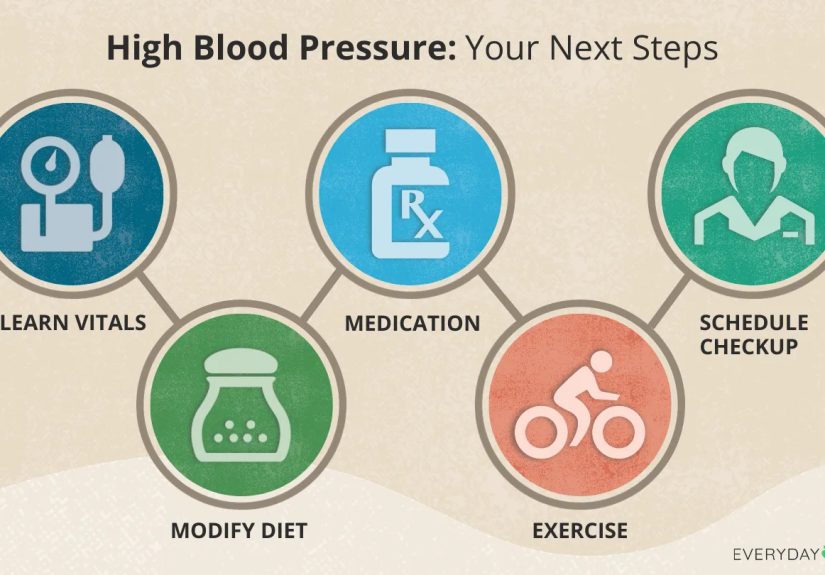
Managing high blood pressure is a marathon, not a sprint. Here’s a simple framework you can personalize:
-
Know your numbers.
- Learn your baseline blood pressure and your individualized target (often < 130/80 mm Hg).
- Use a validated home monitor and keep a log or use an app.
-
Review your medications.
- Ask what each pill does and what side effects to watch for.
- Take medications as prescribed; set reminders or use a pill organizer.
-
Pick 2–3 lifestyle goals to start.
- For example: “Walk 20 minutes after dinner,” “Cook 3 low-sodium dinners this week,” or “Swap soda for water Monday–Friday.”
-
Follow up regularly.
- Share your home readings at each visit.
- Adjust your plan with your healthcare professional as needed.
The best blood pressure plan is the one you can actually stick with. Small, consistent steps often beat grand, unsustainable overhauls.
Real-Life Experiences and Practical Tips for Managing High Blood Pressure
It’s one thing to read about treatment, medications, and lifestyle changes. It’s another to fit them into a busy life full of work, family, stress, and the occasional late-night pizza. Here are experience-based insights and practical strategies that many people with high blood pressure find helpful.
1. Turning Home Monitoring into a Habit (Not a Hassle)
Many people start home blood pressure monitoring with good intentions… and then the cuff quietly migrates to the back of a drawer. To avoid that, treat blood pressure checks like brushing your teethjust part of your routine.
- Attach it to a habit you already have. For example, check your blood pressure right after your morning shower or before your favorite evening show.
- Keep the cuff visible. When it’s tucked away, it’s out of sight, out of mind. Leave it on a shelf or counter where you’ll see it.
- Use a simple log. A notebook, a phone note, or an app all work. Seeing your numbers improve is surprisingly motivating.
People often report that once they get into a rhythm, the process takes less than five minutes and gives them a sense of control instead of anxiety.
2. Making the DASH Diet “Real-Life Friendly”
The DASH diet sounds impressiveand slightly intimidatingon paper. In practice, it can be flexible and realistic if you approach it as “upgrade what I already eat” rather than “change everything overnight.”
- Start with one meal. For example, turn breakfast into a “DASH win” by choosing oatmeal with fruit and nuts instead of a salty breakfast sandwich.
- Swap, don’t sacrifice. Replace chips with unsalted nuts or air-popped popcorn, white bread with whole-grain, and sugary drinks with water flavored with lemon or berries.
- Use shortcuts. Pre-washed salad greens, frozen veggies without sauce, and low-sodium canned beans make fast, heart-healthy meals easier.
Many people share that once their taste buds adapt to less salt, processed foods start to taste overwhelmingly salty. That’s a sign your body is adjustingand your arteries are probably smiling.
3. What People Learn About Medications Over Time
It’s very common to feel uneasy about starting blood pressure medications. Over time, though, a lot of people discover that:
- The right combination is often trial and error. If the first drug makes you dizzy, cough, or just “off,” your doctor can usually switch to another class. There is rarely only one option.
- Side effects often improve. Some side effects fade after a few days or weeks as your body adjusts. That’s why it’s important to track how you feel and communicate, rather than stopping on your own.
- Adherence is everything. Medications work best when taken consistently. Setting alarms, using pill boxes, or tying doses to daily routines (like breakfast or brushing your teeth) drastically improves results.
Think of medication as one tool in a toolkit that also includes food, movement, and stress managementnot as a personal failure.
4. Dealing with Stress, Realistically
Almost everyone with high blood pressure can point to stress as a factor. Unfortunately, “just relax” is not a strategy. What helps more is building tiny, realistic stress-management habits into your day:
- Micro-breaks. Take 60–120 seconds every hour to stand up, stretch, and breathe slowly.
- Boundaries with news and social media. Constant doom-scrolling can raise anxiety and, indirectly, blood pressure. Consider turning off alerts and limiting scrolling time.
- Joy on purpose. Schedule activities that make you genuinely happytime with loved ones, hobbies, walking outdoors, musicjust like you would a work meeting.
People often find that once they give themselves permission to protect their mental health, sticking to diet and medication routines also becomes easier.
5. Involving Family and Friends
High blood pressure affects you, but it often requires cooperation from the people around youespecially if you share meals or live in a busy household.
- Make it a family health upgrade. Cooking lower-sodium meals, going for evening walks, or doing active weekend activities benefits everyone, not just you.
- Explain your “why.” When family members understand that you’re trying to prevent stroke or heart attack, they’re often more supportive of changes like less salty food or scheduled exercise time.
- Ask for specific help. Instead of “support me,” try, “Can we keep salty snacks out of the house?” or “Can you join me for a 15-minute walk after dinner?”
Having even one supportive personwhether a partner, friend, or co-workercan make a big difference in long-term success.
6. Staying Motivated for the Long Haul
Hypertension is typically a lifelong condition, but that doesn’t mean your journey has to feel like an endless to-do list. Many people stay motivated by:
- Tracking non-scale victories. More energy, better sleep, improved mood, and fewer headaches are all signs your efforts are working.
- Celebrating milestones. Reaching a target blood pressure, walking a certain distance, or consistently meal prepping for a month are wins worth recognizing.
- Reframing the story. Instead of “I have a disease,” think “I have powerful tools to protect my heart and brain, and I’m using them.”
At the end of the day, managing high blood pressure is about stacking small, smart choices that add up to big protection for your heart, brain, and future.
Conclusion
High blood pressure is common, serious, andcruciallymanageable. By understanding what your numbers mean, working with your healthcare professional on the right combination of medications, and making realistic lifestyle changes, you can dramatically lower your risk of heart attack, stroke, kidney disease, and more.
Start where you are: pick one or two changes, track your progress, and keep the conversation going with your care team. Managing high blood pressure isn’t about perfection; it’s about steady, sustainable progress toward a healthier, longer life.