Table of Contents >> Show >> Hide
- What is a mandibular advancement device?
- What a MAD can treat (and what it can’t)
- How a mandibular advancement device works
- Benefits of a mandibular advancement device
- Side effects and risks: what’s common, what’s fixable, what’s a “call your dentist” moment
- Who is a good candidate?
- Custom vs. over-the-counter: why “close enough” isn’t always close enough
- How to get a mandibular advancement device (the sensible pathway)
- Tips to reduce side effects and improve success
- How much does a mandibular advancement device cost?
- Cleaning and care (so it doesn’t become a science experiment)
- How to tell if it’s working
- Conclusion
- Experiences with mandibular advancement devices (real-world patterns people often report)
If snoring has turned your bedroom into a nightly sound-effect festival (chainsaw? foghorn? sleepy walrus?),
you’ve probably googled everythingfrom “best pillow for snoring” to “is my partner secretly a leaf blower.”
Sometimes, though, snoring isn’t just annoying. It can be a clue that your airway is narrowing or collapsing during sleep,
which can point to obstructive sleep apnea (OSA).
One option many people ask about is a mandibular advancement device (often shortened to MAD).
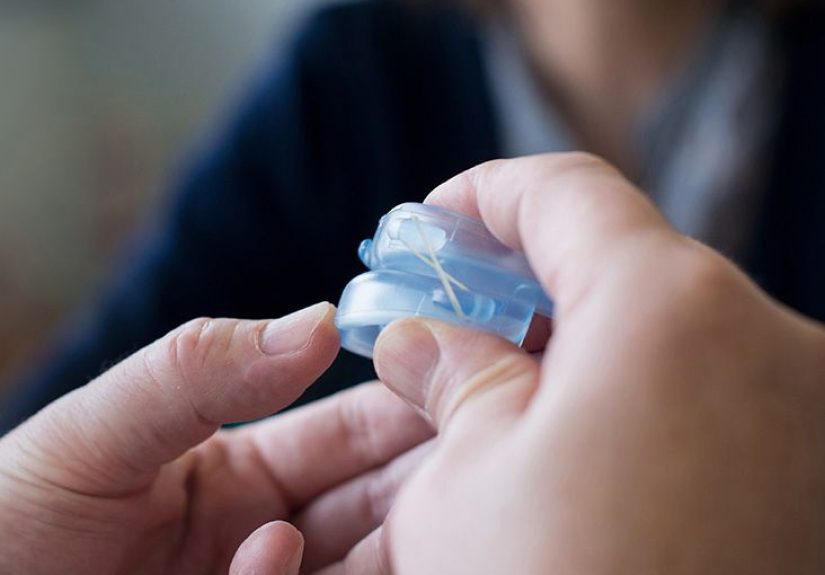
Think of it as a custom mouthpiece that gently holds your lower jaw forward to help keep your airway open at night.
For the right person, a MAD can reduce snoring, improve sleep quality, and offer a more travel-friendly alternative to CPAP.
For the wrong person, it can feel like you invited a tiny orthodontist to camp out in your mouth.
This guide breaks down what a MAD is, who it helps most, the most common side effects (and how to reduce them),
how to get fitted, what it may cost, and what real-life use tends to feel like once the honeymoon phase ends.
(Yes, mouthpieces have honeymoon phases too.)
What is a mandibular advancement device?
A mandibular advancement device is a type of oral appliance therapy used primarily for
snoring and obstructive sleep apnea. It fits over your teethusually in two pieces,
one for the upper teeth and one for the lowerand connects in a way that positions your lower jaw slightly forward.
This forward position can create more space behind the tongue and reduce soft tissue collapse in the throat.
MAD vs. other oral appliances
- MAD (Mandibular Advancement Device): Moves the lower jaw forward; the most common style used for OSA.
- Tongue-retaining device (TRD/TSD): Uses gentle suction to hold the tongue forward; sometimes used if a MAD can’t be anchored well on teeth.
- Over-the-counter “boil-and-bite” mouth guards: Not the same as a properly prescribed, custom titratable MADsometimes helpful for snoring, but results are less predictable for OSA.
What a MAD can treat (and what it can’t)
Snoring
Many people seek a MAD because the snoring is loud enough to qualify as a neighborhood event.
Oral appliances can reduce snoring by keeping the airway more stable during sleep. The important catch:
snoring can be a symptom of OSA, so it’s smart to rule out sleep apnea before treating “simple snoring.”
A sleep evaluation matters because the goal isn’t just quieter nightsit’s safer breathing.
Obstructive sleep apnea (OSA)
OSA happens when the airway repeatedly narrows or collapses during sleep, causing breathing pauses, oxygen drops,
and sleep disruption. For many adults with mild to moderate OSA, a MAD may significantly improve breathing
events and symptoms like daytime sleepiness. Some people with more severe OSA may also use a MAD if they can’t tolerate CPAP,
but the odds of full control tend to be lower as severity increases.
What a MAD generally does NOT treat
- Central sleep apnea (breathing pauses driven by brain signaling rather than airway collapse).
- Severe OSA in many cases, especially when someone is very sleepy during the day or has significant cardiovascular disease riskthese situations often call for the most reliably effective therapy.
- Daytime clenching/grinding problems by default (some devices may affect grinding, but MADs are prescribed for airway support, not as a primary bruxism treatment plan).
How a mandibular advancement device works
The simplest explanation: a MAD pulls your lower jaw forward. That forward shift can also move the tongue base forward
and reduce how easily the airway collapses at the back of the throat. In many devices, you can “titrate” the jaw positionmeaning,
adjust it gradually over timeuntil symptoms improve and follow-up testing shows the airway is staying open enough.
A useful mental picture: imagine your airway is a soft tunnel. If the walls are floppy, the tunnel narrows when you relax.
A MAD gently “stiffens” the setup by repositioning structures that influence the tunnel’s shape.
It doesn’t make you breathe like a superhero; it makes your airway less likely to fold like a lawn chair.
Benefits of a mandibular advancement device
1) A real alternative if CPAP isn’t working for you
CPAP is often considered the most reliably effective treatment for OSA because it physically splints the airway open with pressurized air.
But many people struggle with masks, pressure sensations, dryness, or simply the “I’m sleeping next to a machine” vibe.
For adults who can’t tolerate CPAP (or prefer an alternative), a MAD may be a practical and effective option.
2) Often easier to travel with
A MAD is compact and doesn’t require power, distilled water, or a carry-on bag that screams “medical equipment.”
If travel (or camping, or sleeping at a friend’s place) often leads to skipped therapy, an oral appliance can be easier to use consistently.
3) Can reduce snoring and improve sleep quality
Many users report fewer awakenings, less morning grogginess, and a bed partner who stops issuing nightly noise complaints.
For some people, snoring drops dramatically; for others, it improves but doesn’t vanish entirely.
4) Non-invasive and adjustable
A properly made, custom appliance is typically adjustable over time.
Gradual advancement can help reduce early discomfort and improve long-term tolerance.
Side effects and risks: what’s common, what’s fixable, what’s a “call your dentist” moment
Let’s be honest: moving your jaw forward for hours can make your mouth feel like it did a surprise workout.
Many side effects are mild and fade as you adaptbut some require adjustment or follow-up.
The good news is that regular dental oversight is a standard part of responsible oral appliance therapy.
Short-term side effects (often improve in the first weeks)
- Jaw soreness or muscle fatigue
- Tooth discomfort or gum irritation
- Excess saliva (your mouth is basically saying, “What is this new roommate?”)
- Dry mouth
- TMJ tenderness in some people
Long-term side effects (less common, but important)
- Bite changes (how your teeth fit together can shift over time)
- Tooth movement or changes in dental alignment
- Ongoing TMJ symptoms in susceptible individuals
- Device wear leading to less stability or effectiveness
When to get help quickly
- New or worsening jaw joint pain that doesn’t settle after adjustment time
- Persistent tooth pain, loose teeth, or gum bleeding/sores
- Morning bite feels “off” for hours or worsens over time
- Ongoing daytime sleepiness, morning headaches, or witnessed breathing pauses despite using the device
Who is a good candidate?
A MAD is most often recommended for adults with mild to moderate obstructive sleep apnea,
especially when CPAP isn’t tolerated or isn’t preferred. It can also be considered for some people with severe OSA
if CPAP fails, but follow-up testing is especially important in that situation.
Factors that may predict better results
- Mild to moderate OSA
- Snoring or apnea that’s worse on the back (positional OSA)
- Not significantly overweight (though many people outside this category still benefitthis is not a rule, just a trend)
- Healthy teeth and gums that can support the device
When a MAD may not be ideal
- Central sleep apnea
- Very poor dental stability (few teeth, loose teeth, advanced gum disease)
- Severe, uncontrolled TMJ disorder (though some people with TMJ issues can still use a device with careful planning)
- Severe OSA with significant symptoms where the most reliably effective therapy is needed immediatelyyour sleep specialist can help weigh risks and benefits.
Custom vs. over-the-counter: why “close enough” isn’t always close enough
You can buy “sleep apnea mouth guards” online, but effectiveness varies widely.
For medically diagnosed OSA, professional groups generally favor custom, titratable appliances
made and monitored by qualified clinicians. Custom devices are designed from impressions or 3D scans,
fit more securely, can be adjusted in a controlled way, and are monitored for bite changes and dental health.
Over-the-counter devices may be tempting because they’re cheaper and fast to get.
But if they fit poorly, they can be uncomfortable, slip during sleep, or fail to control breathing eventsmeaning you might still have untreated OSA.
In other words: saving money is great, but saving money while staying exhausted is a bad bargain.
How to get a mandibular advancement device (the sensible pathway)
- Get evaluated for snoring and sleep apnea. If OSA is suspected, a sleep study (home or lab) helps confirm diagnosis and severity.
- Discuss treatment options with a sleep clinician. CPAP, oral appliance therapy, positional therapy, weight management strategies, and others may be considered based on your situation.
- Get referred to a qualified dentist experienced in dental sleep medicine. They’ll evaluate teeth, gums, jaw joint health, and fit feasibility.
- Impressions/3D scan and bite registration. Your device is fabricated to match your mouth.
- Fitting and titration. You’ll start with a conservative jaw position, then adjust gradually.
- Follow-up testing and periodic visits. Sleep testing can confirm effectiveness, and dental follow-ups check for side effects and device condition.
Tips to reduce side effects and improve success
Go slow with advancement
Gradual titration can reduce jaw, muscle, and tooth discomfort.
If you crank the jaw forward too quickly, your body may respond with a firm “Nope.”
Slow adjustments often help your muscles adapt and can reduce early side effects.
Create a morning “reset” routine
- Gentle jaw stretching after removal (ask your dentist for safe movements).
- Bite re-seating tools (sometimes called morning repositioners) can help your bite feel normal faster.
- If approved by your provider, brief chewing on something safe like sugar-free gum can help some people feel re-aligned (not a substitute for professional guidance).
Manage dryness and drool like a pro
- For dry mouth, discuss humidification strategies, hydration habits, or saliva substitutes with a clinician.
- For excess saliva, give it timemany people adapt in the first couple of weeks.
Keep your follow-ups (yes, even when things feel “fine”)
Long-term changes like bite shifts or tooth movement can be subtle at first.
Regular check-ins let your dentist catch early changes and adjust the plan before they become bigger problems.
How much does a mandibular advancement device cost?
Costs vary a lot based on whether the device is custom, whether follow-up titration is included, and how insurance handles
oral appliance therapy for diagnosed OSA. Some insurance plans cover part of the cost for OSA, while coverage for “simple snoring”
may be limited or excluded. It’s worth calling your insurer before fabrication so you understand what’s covered and what isn’t.
Replacement and lifespan
Devices can wear over time (tiny nightly forces add up). Some people use the same device for years; others need replacement sooner,
especially if they grind their teeth, the device material degrades, or fit changes.
Your dentist can advise on expected lifespan and warning signs that replacement is needed.
Cleaning and care (so it doesn’t become a science experiment)
- Rinse after use and brush gently with a soft brush as instructed.
- Use approved cleaning solutions (some devices don’t like hot water or harsh chemicals).
- Store dry in a ventilated case.
- Bring the device to dental visits so fit and wear can be assessed.
How to tell if it’s working
You’re looking for improvements in both symptoms and objective breathing:
- Less snoring (often your bed partner will provide… enthusiastic feedback)
- Fewer awakenings, better sleep continuity
- Improved daytime alertness and concentration
- Follow-up sleep testing showing reduced breathing events
Don’t guess. If you were diagnosed with OSA, follow-up sleep testing (home or lab) is one of the best ways to confirm that
the appliance is doing its jobespecially if symptoms persist or if OSA was moderate to severe.
Conclusion
A mandibular advancement device can be a smart, effective tool for the right personespecially adults with
mild to moderate obstructive sleep apnea or those who can’t tolerate CPAP. The biggest wins tend to be quieter nights,
better sleep quality, improved daytime energy, and a treatment option that’s easy to travel with.
The trade-offs are real: jaw soreness, drool-or-dryness drama, and (in some cases) gradual bite or tooth changes.
But with a properly fitted, custom titratable device, slow titration, and regular follow-ups, many people find the benefits outweigh
the annoyancesand their bed partner stops Googling “soundproof divorce.”
If you’re considering a MAD, the most important step is getting evaluated for sleep apnea first, then working with a sleep clinician and a qualified dental sleep provider.
It’s not just about being quieter. It’s about breathing better.
Experiences with mandibular advancement devices (real-world patterns people often report)
The internet loves a dramatic before-and-after story, but most MAD experiences are more like a slow-burn TV series:
the first episode is confusing, the second is uncomfortable, and by season one’s finale you’re either hookedor you’ve switched to a different show (like CPAP).
Here are common, realistic patterns many users describe when they start oral appliance therapy.
The first week: “Why is my mouth doing this?”
Early on, people often notice extra saliva, a sense of “fullness” in the mouth, and mild jaw or tooth soreness.
Some describe waking up with their bite feeling slightly offlike their teeth are trying to remember where they parked.
This can be unsettling the first few mornings. Many users say it helps to follow a consistent morning routine:
remove the device, rinse, do a few gentle jaw movements recommended by the dentist, and give the bite a few minutes to settle.
The main emotional theme of week one is uncertainty: “Is this normal?” (Often yes, but it should improve.)
Weeks two to four: the adjustment phase
As the weeks go on, many users report that the device starts to feel less “foreign.”
The drooling often decreases, and jaw soreness becomes more predictablesometimes appearing only after a titration adjustment.
People who do best tend to describe a “slow and steady” approach: small adjustments, then a few nights of letting the body adapt.
The users who struggle most often describe pushing advancement too fast, then feeling sore enough to skip nightscreating a stop-and-start cycle
that makes it harder to adapt. The device can also feel “bulky” at first; with time, many people say it becomes part of the bedtime routine,
like brushing teeth or setting an alarm.
The moment of truth: feedback from the bedroom (and the daytime)
A lot of “success stories” start with the same line: “My partner said I was quieter.”
Bed partner feedback is common because snoring changes are often noticeable quickly when the device is effective.
Users also talk about daytime changes: fewer afternoon energy crashes, less brain fog, and waking up feeling more “rested” rather than merely “less tired.”
That said, people with very mild OSA sometimes report minimal day-to-day change, even if snoring improves.
And some users discover the device helps, but doesn’t fully solve symptomsleading them to combine strategies
(for example, positional sleep habits plus the device, or weight management plus the device) under clinician guidance.
Longer-term experiences: convenience vs. maintenance
Over months, users often praise the convenience: it’s quiet, portable, and doesn’t require a machine on the nightstand.
Travelers frequently say they’re more consistent with a MAD than CPAP simply because it’s easier to pack and use.
On the maintenance side, people mention two recurring themes:
(1) follow-up appointments matter, and (2) small fit changes can make a big difference.
Many users say they didn’t realize subtle bite shifts were happening until a dentist measured changes or asked targeted questions.
This is where regular monitoring becomes less “optional adulting” and more “protect your teeth.”
What people wish they knew from the start
- It’s normal to need tweaks. A MAD is rarely perfect on day one; titration is part of the process.
- Comfort and effectiveness should both improve. If discomfort stays intense or sleepiness doesn’t budge, it’s time to re-check fit and consider follow-up testing.
- “Snoring is gone” doesn’t always mean “OSA is controlled.” Some people learn they need objective testing to confirm treatment success.
- Consistency wins. Many users report that wearing it nightly (once comfortable) leads to the best resultsbecause untreated nights can bring back symptoms fast.
- It’s a team sport. People who feel supported by both a sleep clinician and a dental sleep provider tend to have smoother outcomes.
Bottom line: most MAD experiences aren’t instant miracles or total disasters. They’re a practical therapy with a learning curve.
If you go in expecting a short adjustment period, plan for follow-ups, and confirm results with sleep testing when appropriate,
you’re far more likely to end up in the “Why didn’t I do this sooner?” camp than the “My mouth is staging a protest” camp.