Table of Contents >> Show >> Hide
- Why This Combo Works (AKA The Science of “Wow”)
- Ingredients
- Equipment & Prep Notes
- The Best Version: Sheet-Pan Maple-Glazed Chicken with Sweet Potatoes
- Step 1: Heat the oven (and your confidence)
- Step 2: Toss the sweet potatoes
- Step 3: Give the potatoes a head start (optional but smart)
- Step 4: Make the maple glaze
- Step 5: Season the chicken
- Step 6: Add chicken + glaze in stages
- Step 7: Finish with more glaze (the “shiny magazine photo” moment)
- Step 8: Rest (yes, even on a Tuesday)
- Temperature & Food Safety (No Vibes, Just Facts)
- How to Customize the Flavor (Without Starting Over)
- What to Serve With Maple-Glazed Chicken and Sweet Potatoes
- Make-Ahead, Storage, and Reheating
- Common Mistakes (So You Don’t Have to Learn the Hard Way)
- FAQ
- Extra : Real-World Experiences (The Stuff Recipe Cards Don’t Tell You)
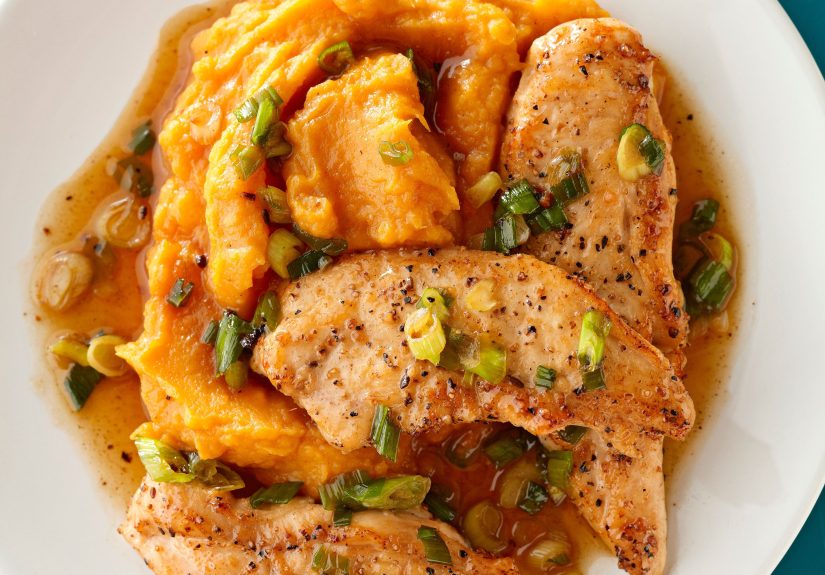
If “weeknight dinner” had a personality, it would be this: sweet, a little salty, mildly dramatic (in a good way),
and suspiciously easy to pull off for something that tastes like it took real effort. Maple-glazed chicken with sweet potatoes
hits that magical sweet spot where cozy meets bright. You get caramelized edges, tender chicken, and sweet potatoes that taste like
they went to culinary schoolwithout you having to, you know, go to culinary school.
This recipe is built around a simple truth: maple syrup isn’t just for pancakes. When you pair it with tangy mustard, a punch of
acid, and a little umami (hello, soy sauce), it turns into a glossy glaze that clings to chicken like it’s afraid of being left behind.
Meanwhile, sweet potatoes roast into soft centers with browned cornersbasically the veggie version of a warm blanket.
Why This Combo Works (AKA The Science of “Wow”)
Maple syrup brings sweetness and helps browning, but it can go from “golden glaze” to “campfire souvenir” if you don’t balance it.
That’s why this recipe uses three balancing moves:
- Tang: Dijon mustard + apple cider vinegar (or lemon) to keep sweetness from getting clingy.
- Salt/umami: A splash of soy sauce (or tamari) for depthlike turning up the bass on your favorite song.
- Heat control: Roast hot enough for caramelization, but glaze in stages so it doesn’t burn.
Ingredients
For the Chicken
- 1 ½ to 2 pounds chicken thighs (boneless or bone-in) or chicken breasts
- 1 tablespoon olive oil
- 1 teaspoon kosher salt (adjust if using soy sauce heavily)
- ½ teaspoon black pepper
- 1 teaspoon smoked paprika (optional, but highly recommended for “fall vibes”)
- 1 teaspoon dried thyme or rosemary (or 1 tablespoon fresh, chopped)
For the Sweet Potatoes (and Friends)
- 2 large sweet potatoes, peeled (optional) and cut into ¾-inch cubes
- 1 small red onion, cut into wedges (optional, but it caramelizes beautifully)
- 2 cups Brussels sprouts (optional), halved
- 1 tablespoon olive oil
- ½ teaspoon salt + ¼ teaspoon pepper
For the Maple Glaze
- ⅓ cup pure maple syrup (not pancake syrup’s mysterious cousin)
- 2 tablespoons Dijon mustard (grainy mustard also works)
- 1 tablespoon apple cider vinegar (or lemon juice)
- 1 tablespoon soy sauce or tamari
- 2 cloves garlic, minced (or ½ teaspoon garlic powder)
- Pinch of red pepper flakes (optional, for a little swagger)
Equipment & Prep Notes
- Sheet pan: Standard half-sheet pan is ideal.
- Foil or parchment: Makes cleanup less tragic.
- Instant-read thermometer: Not mandatory, but it’s the difference between “juicy” and “why is it chewy?”
- Cut size matters: Sweet potato cubes around ¾-inch roast evenly and finish around the same time as chicken.
The Best Version: Sheet-Pan Maple-Glazed Chicken with Sweet Potatoes
Step 1: Heat the oven (and your confidence)
Preheat oven to 425°F. Line a sheet pan with parchment or foil. If you want extra browning,
place the pan in the oven while it preheats (carefullyhot pan is not a personality trait you want).
Step 2: Toss the sweet potatoes
In a large bowl, toss sweet potatoes (and any optional veggies) with olive oil, salt, and pepper. Spread on the sheet pan
in a single layer. Crowding = steaming. Steaming = sadness.
Step 3: Give the potatoes a head start (optional but smart)
Roast sweet potatoes for 10 minutes. This helps them caramelize and prevents the dreaded “chicken is done but my potatoes are still thinking about it.”
If your cubes are smaller (½-inch), skip the head start.
Step 4: Make the maple glaze
While the potatoes start roasting, whisk together maple syrup, Dijon mustard, vinegar, soy sauce, garlic, and red pepper flakes.
Taste it. It should be sweet-tangy with a savory backbone. If it tastes like dessert sauce, add a tiny bit more vinegar or mustard.
Step 5: Season the chicken
Pat chicken dry. Rub with olive oil, salt, pepper, paprika, and thyme/rosemary. Dry chicken browns betterwet chicken just kind of… sighs.
Step 6: Add chicken + glaze in stages
Pull the sheet pan out. Push sweet potatoes to the sides and place chicken in the center. Brush or spoon about half the glaze over the chicken.
Return to oven and roast:
- Boneless thighs: 18–22 minutes
- Bone-in thighs: 25–35 minutes
- Breasts: 18–25 minutes (depending on thickness)
Step 7: Finish with more glaze (the “shiny magazine photo” moment)
When chicken is close to done, brush with the remaining glaze and roast another 3–6 minutes.
This creates that sticky, glossy coating without burning the sugars early.
Step 8: Rest (yes, even on a Tuesday)
Remove from oven and let chicken rest 5–10 minutes. The glaze settles, the juices calm down, and you avoid slicing into a puddle.
Temperature & Food Safety (No Vibes, Just Facts)
Chicken should reach 165°F at the thickest part for safe eating. If you’re using carryover cooking,
you can pull it a few degrees early and let it finish while restingjust make sure it hits 165°F before you serve.
How to Customize the Flavor (Without Starting Over)
1) Maple-Dijon “Grown-Up Honey Mustard”
Increase mustard to 3 tablespoons, add 1 teaspoon grainy mustard, and swap vinegar for lemon juice. Extra tang, extra charm.
2) Smoky-Spicy Autumn Version
Add ½ teaspoon chipotle powder (or more smoked paprika) and a pinch more red pepper flakes. Serve with roasted Brussels sprouts for peak fall energy.
3) Garlic-Herb Cozy Mode
Stir 1 tablespoon butter into the glaze (melted) and add chopped fresh rosemary. It tastes like you lit a candle and folded a sweater.
4) Skillet Method (When You Don’t Want to Wash a Sheet Pan)
Sear chicken in a skillet, remove, sauté sweet potatoes (par-cooked in microwave if needed), then return chicken and simmer glaze briefly until sticky.
It’s faster, saucier, and still very impressive.
What to Serve With Maple-Glazed Chicken and Sweet Potatoes
- Crisp salad: Arugula + apple + toasted nuts + a vinaigrette to cut the sweetness.
- Green veg: Roasted broccoli, green beans, or Brussels sprouts (they love maple).
- Grains: Quinoa or farro to soak up extra glaze like a responsible adult.
- Something creamy: Greek yogurt with lemon zest and salt (yes, trust me).
Make-Ahead, Storage, and Reheating
Make-ahead tips
- Whisk the glaze up to 3 days ahead and refrigerate.
- Cube sweet potatoes in advance; store submerged in water in the fridge (drain and dry well before roasting).
- Season chicken ahead; keep covered in the fridge for up to 24 hours for deeper flavor.
Storing leftovers
Cool leftovers quickly, then refrigerate in airtight containers. Reheat in a 350°F oven until warmed through,
or microwave gently. If the glaze thickens, add a splash of water and stir.
Common Mistakes (So You Don’t Have to Learn the Hard Way)
- Using imitation syrup: It won’t taste the same and can burn oddly. Pure maple syrup is worth it.
- Dumping all glaze at the beginning: Sugars + high heat = scorched glaze. Stage it.
- Overcrowding the pan: You’ll steam your sweet potatoes. Spread out or use two pans.
- Skipping the thermometer: Chicken is unforgiving when overcookedespecially breasts.
FAQ
Can I use chicken breasts?
Absolutely. Choose evenly sized breasts or pound to even thickness. Pull them as soon as they hit 165°F so they stay juicy.
Can I swap sweet potatoes for regular potatoes?
YesYukon golds roast well. You’ll get a less sweet base, which makes the glaze taste even brighter.
Does this work for meal prep?
It’s one of the better meal-prep recipes because the flavors hold up. Add a fresh element (salad, lemon wedge, herbs) when serving to wake it up.
Extra : Real-World Experiences (The Stuff Recipe Cards Don’t Tell You)
The first time most people make maple-glazed chicken with sweet potatoes, there’s a momentusually around the 12-minute markwhen you open the oven,
sniff the air, and suddenly feel like you’ve been promoted to “person who has it together.” That’s the maple doing its thing. It smells like brunch,
holiday dessert, and savory dinner all decided to share a ride.
Here’s what tends to happen in real kitchens (not the ones where someone “accidentally” has a perfect bunch of thyme on hand). You start by cutting
sweet potatoes and immediately regret choosing the largest ones at the store. Five minutes later you’re negotiating with your knife like,
“Listen, we can both get through this.” Pro tip: ¾-inch cubes are the peace treaty. Too small and they dry out; too big and they’re still firm when the
chicken is ready to eat.
Then comes the glazesweet, tangy, garlickyand it’s very tempting to use it all at once. Resist. Every home cook who has ever poured all the maple glaze
on at the start has watched it go from glossy to “is that… charcoal?” in a blink. The staged glazing method is basically an oven-friendly version of pacing
yourself at a buffet. You want satisfaction, not consequences.
Another common experience: you’ll think the chicken is done because it looks done, and your brain will try to convince you that you can “tell by feel.”
This is the same brain that once thought you could assemble furniture without reading the instructions. Use a thermometer. When you nail the temperature,
the chicken stays juicy and the glaze stays sticky instead of turning into a sugary shell.
On busy nights, this recipe becomes a lifesaver because it’s forgiving. Forgot the Brussels sprouts? Throw in broccoli for the last 12 minutes. Don’t have
Dijon? Whole-grain mustard works. Out of vinegar? Lemon juice swoops in like a citrus superhero. And if you’re cooking for people who “don’t like sweet”
in savory foods, you can simply add more mustard and a touch more vinegar to sharpen the flavor. It becomes less “maple candy” and more “savory glaze with
a hint of fall.”
The best part is how it eats the next day. The sweet potatoes get even softer, the chicken stays flavorful, and the glaze settles into everything like it
paid rent. If you reheat in the oven, you’ll bring back some crisp edges; if you microwave, add a tiny splash of water to loosen the glaze and keep it from
turning into sticky armor. Either way, this is one of those meals that makes leftovers feel like a plannot an accident.