Table of Contents >> Show >> Hide
- About Marple: They Do It With Mirrors
- Main Cast of Marple: They Do It With Mirrors
- Julia McKenzie as Miss Jane Marple
- Joan Collins as Ruth Van Rydock
- Penelope Wilton as Carrie Louise Serrocold
- Brian Cox as Lewis Serrocold
- Elliot Cowan as Wally Hudd
- Emma Griffiths Malin as Gina Elsworth
- Maxine Peake as Jolly Bellever
- Sarah Smart as Mildred
- Alexei Sayle as Dr. Maverick
- Liam Garrigan as Stephen Restarick
- Tom Payne as Edgar Lawson
- Other Notable Cast Members
- How the Cast Brings Christie’s Story to Life
- Comparing This Cast to Other Marple Versions
- Why the Cast Still Attracts New Viewers
- Experiences and Impressions: Watching Marple – They Do It With Mirrors
- Conclusion
If you love classic British mysteries, Marple: They Do It With Mirrors is the TV equivalent of
curling up with a good book and a dangerously large pot of tea. This 2009 TV film from the
Agatha Christie’s Marple series brings together a powerhouse cast to re-tell one of Christie’s trickiest
Miss Marple puzzles a story of family drama, juvenile delinquents, and a very theatrical murder.
This guide walks you through the full Marple: They Do It With Mirrors cast list,
spotlighting the main actors and actresses, what they bring to their roles, and where you may have seen them before.
Whether you’re an Agatha Christie completist, a Julia McKenzie fan, or you just came here thinking,
“Wait, is that Joan Collins?”, you’re in the right place.
About Marple: They Do It With Mirrors
Marple: They Do It With Mirrors is a feature-length episode in the modern ITV series
Agatha Christie’s Marple, starring Julia McKenzie as Miss Jane Marple. First airing in 2009,
the film adapts Christie’s 1952 novel They Do It with Mirrors (also known in the United States as
Murder with Mirrors). The story is set at Stoneygates, a Victorian mansion that doubles as a home and a
rehabilitation center for young offenders the perfect setting for secrets, simmering tensions, and of course,
murder.
In this version, Miss Marple visits her old friend Ruth Van Rydock and Ruth’s sister Carrie Louise Serrocold.
During a rehearsal for a stage performance, what looks like a dramatic act quickly turns into a real crime.
The episode updates and reshapes parts of Christie’s plot while keeping the central “mirrors and misdirection”
theme: things are not what they seem, and you have to look twice or in Miss Marple’s case, once, very sharply.
Main Cast of Marple: They Do It With Mirrors
Here’s a look at the principal Marple: They Do It With Mirrors actors and actresses, along with the
characters they play and why their performances stand out.
Julia McKenzie as Miss Jane Marple
Julia McKenzie takes on the role of Miss Marple with a blend of warmth, intelligence, and quiet steel.
Her version of Jane Marple feels like the kind of elderly relative who will knit you a sweater, feed you cake,
and then casually dismantle your alibi over dessert.
McKenzie’s Miss Marple is observant rather than showy. She rarely raises her voice, yet you always sense that
she’s two steps ahead of everyone else in the room. For many viewers, this episode is where her interpretation
really clicks: she’s present in almost every key scene, quietly reading people while the dramatic fireworks go off
around her. If you’re used to other Marples (like Joan Hickson or Margaret Rutherford), McKenzie’s take feels
more gently modern but still deeply rooted in Christie’s original creation.
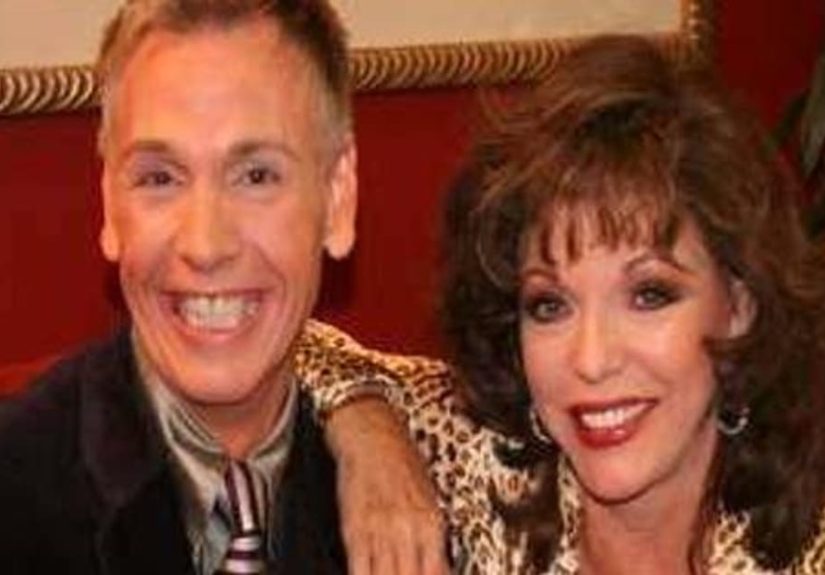
Joan Collins as Ruth Van Rydock
Casting Joan Collins as Ruth Van Rydock is one of those decisions that makes you think,
“Of course.” Ruth is an American socialite, stylish, glamorous, and just a little bit dramatic traits
Collins has turned into an art form ever since her iconic turn as Alexis Colby in Dynasty.
In They Do It With Mirrors, Ruth is the one who first sounds the alarm about her sister’s safety. Collins
plays her as a woman who has seen a lot of life, understands how money and class work, and knows that when a family
looks too perfect, something is usually wrong. She adds a delightful dose of wit, eyebrow raises, and haute
couture energy to the otherwise shadowy atmosphere of Stoneygates.
Penelope Wilton as Carrie Louise Serrocold
Penelope Wilton familiar to many viewers as Isobel Crawley from Downton Abbey
brings emotional depth to Carrie Louise Serrocold, the gentle heart of Stoneygates.
Carrie Louise is idealistic, philanthropic, and determined to believe in the potential of the young offenders
she shelters, even when danger creeps ever closer.
Wilton’s performance captures a woman who has lived through multiple marriages, complicated family dynamics,
and health concerns, yet still chooses kindness. She manages to seem fragile and strong at the same time:
the kind of person everyone wants to protect, even as her idealism may be blinding her to what’s really happening
in her own home.
Brian Cox as Lewis Serrocold
Brian Cox, now widely known for his ferocious performance as Logan Roy in
Succession, plays Lewis Serrocold, Carrie Louise’s husband and the man behind
the rehabilitation institute at Stoneygates.
Cox has a rare ability to project authority even when he’s standing quietly in the background, and that quality
serves Lewis perfectly. He comes across as a driven reformer, deeply invested in his work, but with a slightly
opaque moral compass. You’re never quite sure whether to trust him, which is exactly the tension a good Christie
story needs. Is he a visionary, a martyr, or something more sinister? Cox keeps you guessing until Miss Marple
finally lays out the truth.
Elliot Cowan as Wally Hudd
Elliot Cowan plays Wally Hudd, the American husband of Gina. Wally arrives at
Stoneygates as something of an outsider an American dropped into a British country house full of old secrets,
which is always a recipe for trouble in a Christie adaptation.
His role combines suspicion and sympathy. On one hand, he has a gun (never a good look in a whodunit); on the other,
he seems genuinely overwhelmed by how strange and claustrophobic his new in-laws’ world is. Cowan leans into that
disorientation, making Wally feel like the audience’s stand-in: he’s baffled, frustrated, and more than a little
tempted to get back on a plane.
Emma Griffiths Malin as Gina Elsworth
Emma Griffiths Malin takes on the role of Gina Elsworth (a reimagined version
of Gina Hudd from the novel). She is young, stylish, and torn between her past at Stoneygates and her new life
with Wally. In many ways, Gina is the emotional pivot of the story: she connects the older generation, the house,
and the younger men caught in the “rehabilitation” program.
Malin plays Gina as restless and conflicted, someone who wants freedom but feels tethered to family obligations
she barely understands. That tension mirrors the mystery itself: everyone in the house is stuck between what they
want and what they owe, and Gina embodies that struggle in a very modern way.
Maxine Peake as Jolly Bellever
Maxine Peake appears as Jolly Bellever, a close associate and companion to
Carrie Louise. Peake is known for her range in British television dramas, and here she adds a grounded,
slightly off-beat energy to the household staff.
Jolly is one of those characters Christie uses so well: positioned close enough to the center of power to know
everyone’s business, but not quite important enough for the family to watch their words around her. Peake’s
performance makes Jolly feel utterly believable competent, observant, and perhaps more emotionally invested
in Carrie Louise’s safety than many of the blood relatives.
Sarah Smart as Mildred
Sarah Smart plays Mildred, Carrie Louise’s daughter, whose relationship with Gina
is complicated, to put it mildly. Mildred is overshadowed, resentful, and deeply suspicious of the younger woman
who seems to command so much attention.
Smart leans into that simmering resentment without turning Mildred into a caricature. Instead, you get a sense
of a woman who has never fully escaped the feeling that she’s second best in her own family. In a story about
illusions and misdirection, Mildred’s emotional honesty however uncomfortable gives the viewer something real
to hold onto.
Alexei Sayle as Dr. Maverick
Alexei Sayle appears as Dr. Maverick, the psychiatrist involved with the
rehabilitation program. With his background in comedy and alternative performance, Sayle gives the character
an off-kilter edge: he’s clinical, slightly detached, and not always as helpful as you might expect a psychiatrist
to be in a house where everyone is anxious, suspicious, or both.
Dr. Maverick sits at the crossroads of good intentions and messy reality. He understands that everyone at
Stoneygates is “a mental case” in one way or another, which is both disturbingly blunt and uncomfortably accurate.
In a cast full of emotionally fraught relatives, he’s the one who almost turns the entire ensemble into a case study.
Liam Garrigan as Stephen Restarick
Liam Garrigan plays Stephen Restarick, part of Carrie Louise’s extended family.
Stephen’s theatrical involvement at Stoneygates ties directly into the “dress rehearsal” that frames the central
crime. Garrigan’s performance helps blur the line between stage drama and real danger exactly what a story based
on illusions and “mirrors” needs.
Tom Payne as Edgar Lawson
Tom Payne portrays Edgar Lawson, one of the most unsettling figures in the story.
Edgar appears unstable, paranoid, and volatile, which makes him a convenient suspect when things go wrong.
Payne plays Edgar with a twitchy intensity that keeps both characters and viewers on edge. But this being a
Christie plot, the question is never just “Who did it?” it’s “Who’s playing what part?” Edgar’s behavior is
part performance, part breakdown, and figuring out which is which is crucial to understanding the murder.
Other Notable Cast Members
Beyond the headline names, Marple: They Do It With Mirrors boasts a strong supporting ensemble
that reinforces the story’s sense of a crowded, claustrophobic household. Depending on the guide you consult,
you’ll also see credits for:
- Jordan Long as Whitstable Ernest, a young man with a murky past and even murkier loyalties.
- Nigel Terry and Ian Ogilvy in key supporting roles that flesh out the older generation.
- Alex Jennings and Sean Hughes connected to the investigative side of the plot in some listings.
Together, they create the classic Christie mix: relatives, hangers-on, servants, and “professionals” all stuck in
the same grand house, each carrying a piece of the puzzle or a piece of the motive.
How the Cast Brings Christie’s Story to Life
A strong cast is essential to any Agatha Christie adaptation. Viewers have to believe that
any of these characters could be a killer and that all of them are hiding something.
Marple: They Do It With Mirrors succeeds because its actors treat the material seriously
while still leaning into the heightened theatricality of the setup.
Julia McKenzie anchors the story with an understated performance; she rarely dominates a scene visually, but
you feel her constant, curious attention. Around her, the rest of the cast represent different reactions to
danger: denial (Carrie Louise), control (Lewis), glamour-shielded anxiety (Ruth), and pure confusion (Wally).
The younger characters Gina, the Restaricks, the young men involved with the rehabilitation program
give the episode an energy that keeps it from feeling like a museum piece. Their frustrations and ambitions feel
contemporary, even though the setting and tone are delightfully old-fashioned.
Comparing This Cast to Other Marple Versions
They Do It with Mirrors has been adapted several times. Fans often compare the 2009
Marple: They Do It With Mirrors cast to:
- The 1991 BBC version with Joan Hickson as Miss Marple, Jean Simmons as Carrie Louise, and Joss Ackland as Lewis Serrocold.
- The 1985 TV film Murder with Mirrors, starring Helen Hayes and Bette Davis.
The Hickson version is often praised for being very close to the book, with a more traditional tone and a
slower, puzzle-driven structure. The McKenzie version, by contrast, pushes character conflicts and emotional
stakes further to the front. Its casting especially Julia McKenzie, Joan Collins, and Brian Cox reflects that:
it’s less about quiet drawing-room restraint and more about sharp conversations, simmering tensions, and
occasionally explosive confrontations.
For viewers and searchers looking specifically for the
“Marple: They Do It With Mirrors cast list”, it’s important to note which version you’re dealing
with. The cast names can overlap in fan discussions, but the 2009 ITV film with Julia McKenzie is the one most
often listed under the exact phrasing used in the title of this article.
Why the Cast Still Attracts New Viewers
One of the reasons this Marple episode continues to find new audiences is the familiarity of its
cast. Modern viewers might come to the film because they recognize Brian Cox from Succession or
Penelope Wilton from Downton Abbey, then stay for the old-school mystery and the slow unfurling of clues.
Others arrive for Joan Collins, expecting Alexis-level camp and attitude, and are pleasantly surprised by how
well she fits into the Christie world. She brings star power without overwhelming the story she’s part of
the ensemble, not the whole show.
From a viewing perspective, that’s the magic of this cast: everyone gets a moment, nobody feels wasted, and even
minor characters have enough flavor that you remember them after the credits roll. In a genre where a dozen people
are introduced in 15 minutes, that’s harder to pull off than it looks.
Experiences and Impressions: Watching Marple – They Do It With Mirrors
Beyond lists and filmographies, what is it actually like to sit down and watch
Marple: They Do It With Mirrors today? Short answer: it feels like a weekend mini-vacation into
a very specific kind of British TV comfort zone just with a side of homicide.
The first thing many viewers notice is the atmosphere. Stoneygates isn’t just a house; it’s a character.
Long corridors, echoing halls, half-lit rooms full of old portraits the production design gives the cast a stage
that feels both elegant and slightly oppressive. When you see Penelope Wilton drifting through these spaces as
Carrie Louise, or Joan Collins making a dramatically timed entrance, the environment amplifies their performances.
Then there’s the pleasure of “spot the actor.” If you’re the kind of viewer who shouts,
“Oh, that’s the guy from that other thing!” at your TV, this episode is a gold mine. You might recognize
Brian Cox before you fully place where you know him from; once you remember Logan Roy, every raised eyebrow feels
like it could topple a media empire instead of a country house charity. Penelope Wilton, meanwhile, carries a
familiar gentleness that fans of Downton Abbey immediately latch onto even though Carrie Louise is far
more fragile than Isobel Crawley ever was.
The dynamic between Julia McKenzie’s Miss Marple and the rest of the cast is also part of the viewing experience.
McKenzie doesn’t dominate with grand speeches; instead, she quietly threads her way into conversations, notices
awkward pauses, and stores away every odd glance. Watching the episode a second time, you start to see how
often she’s on the edge of the frame, simply looking. It turns re-watching into a different kind
of game: not “Who did it?” but “Where was Marple when it happened, and what was she noticing that I missed?”
For mystery fans, another big part of the experience is comparing this adaptation to the original novel and
earlier screen versions. The cast makes those differences feel organic rather than gimmicky. Characters like Gina,
Wally, and the young men in the program have slightly updated motivations, and the actors sell those changes as
emotional truths rather than just plot mechanics. Even when details diverge from Christie’s pages, the performances
keep the story feeling authentically “Marple.”
If you’re approaching the episode purely for cozy-crime vibes, the cast helps there, too. The chemistry between
the performers injects humor into the script without ever breaking the illusion of danger. A withering look from
Mildred, a perfectly timed line from Ruth, or an awkward pause from Wally provides moments of levity that make the
darker twists easier to digest. It’s the TV equivalent of adding a splash of cream to very strong tea.
Finally, there’s the simple satisfaction of a well-built ensemble mystery. By the time Miss Marple explains
exactly “how they do it with mirrors,” you’ve formed opinions about nearly everyone on screen. You’ve suspected
them, defended them, doubted them again, and maybe even changed your mind halfway through the reveal.
A cast this good makes that emotional back-and-forth not just possible, but enjoyable. Even once you know the
solution, it can be fun to rewatch just to appreciate the subtle choices the actors made along the way a hesitation
on a line, a look that lingers a beat too long, or a smile that doesn’t quite reach the eyes.
In the end, Marple: They Do It With Mirrors is more than just another entry in a long-running
franchise; it’s a reminder of how much difference the right cast can make. With Julia McKenzie’s quietly sharp
Miss Marple at the center and a supporting ensemble packed with familiar faces, this adaptation remains a favorite
for fans who like their mysteries clever, their houses atmospheric, and their suspects impeccably well-acted.
Conclusion
The Marple: They Do It With Mirrors cast list reads like a who’s-who of British (and British-adjacent)
television: Julia McKenzie, Joan Collins, Penelope Wilton, Brian Cox, and a strong line-up of supporting performers
who each bring something distinct to the table. Together, they turn a twisting Agatha Christie plot into a richly
layered viewing experience that stands up to rewatching and to countless online debates about “which Marple is best.”
Whether you’re studying credits, planning a rewatch, or deciding which adaptation of They Do It with Mirrors
to start with, this ensemble is a compelling reason to choose the 2009 Marple version. The story
may be about illusions, but the cast’s appeal is the real deal.