Table of Contents >> Show >> Hide
- What Is Meadowsweet, Exactly?
- Why People Use Meadowsweet: The Chemistry in Plain English
- Potential Benefits of Meadowsweet
- Common Uses and Ways to Take Meadowsweet
- How to Make Meadowsweet Tea at Home
- Dosage: What’s Typical?
- Safety, Side Effects, and Who Should Avoid Meadowsweet
- Buying Meadowsweet: What to Look For
- FAQ: Quick Answers
- Everyday Experiences and Practical Tips (Extra )
- Conclusion
Meadowsweet (the delightfully old-fashioned-sounding Filipendula ulmaria) is the kind of herb that makes you wonder how many plants are quietly doing the most while we’re all arguing about matcha. It’s fragrant, fluffy-flowered, and historically famous for two things: comforting cranky digestion and flirting with the chemistry that eventually led to aspirin. Yesthis “queen of the meadow” has receipts.
But before we crown it the hero of your medicine cabinet: modern human research is limited. Most of what we “know” comes from traditional use, lab studies, and the fact that meadowsweet contains salicylate-related compounds (think: aspirin-adjacent). That combo is promising, but it also means safety mattersespecially if you take blood thinners, NSAIDs, or you react badly to aspirin.
What Is Meadowsweet, Exactly?
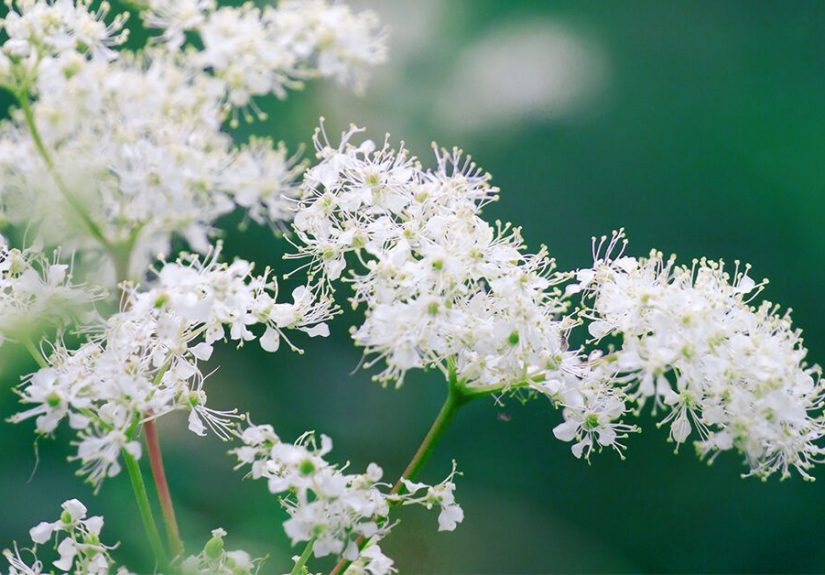
Meadowsweet is a perennial flowering plant in the rose family (Rosaceae). It’s native to Europe and Asia, and it has also naturalized in parts of North America. In gardens, it’s grown for tall stems, creamy-white flower clusters, and a sweet aroma that makes you want to romanticize your backyard like it’s a cottagecore movie set. In herbalism, the flowering tops and aerial parts are commonly used.
Quick ID and “Don’t Mix Me Up” Tip
Common names can be messy. You’ll see meadowsweet called queen of the meadow or mead wort. If you’re buying it for tea or supplements, check the label for the botanical name: Filipendula ulmaria. That’s your “right plant” verification stamp.
Why People Use Meadowsweet: The Chemistry in Plain English
Meadowsweet contains a variety of plant compoundsmost notably salicylate-related constituents and polyphenols (including tannins and flavonoids). In very broad terms:
- Salicylate-related compounds are associated with pain, fever, and inflammation pathways (similar neighborhood as aspirin).
- Polyphenols (like certain flavonoids/tannins) are often studied for antioxidant and inflammation-related activity.
- Tannins can be mildly astringentone reason herbal traditions sometimes pair meadowsweet with “too much rich food” moments.
Translation: people tend to reach for meadowsweet when they want a gentle, old-school herbal option for digestive discomfort, aches, or “my body feels inflamed” daysoften as tea.
Potential Benefits of Meadowsweet
1) Digestive Comfort: Heartburn, Indigestion, “I Regret That Burrito”
Meadowsweet has a long history of traditional use for digestive upsetespecially heartburn and acid indigestion. Some herbal references describe it as soothing after heavy, spicy, or greasy meals. The best way to think about this benefit is supportive, not “instant cure.” If you have persistent reflux, ulcers, black stools, vomiting blood, or unexplained weight loss, that’s medical territory, not tea territory.
A practical example: someone prone to heartburn might use a small cup of meadowsweet tea after a tomato-sauce dinner (or before bed on days when reflux tends to act up). If symptoms improve, greatkeep it occasional. If symptoms persist, treat it like a smoke alarm: investigate the cause.
2) Aches, Mild Pain, and “Why Are My Joints Singing the Blues?”
Because meadowsweet contains salicylate-related compounds, it’s often described as having mild pain-relieving and anti-inflammatory potential. Traditional use commonly includes joint and muscle discomfort (think: stiff mornings, post-hike soreness, weather-change complaints). The key word is mildand research in humans is still thin.
3) Colds, Feverish Feelings, and “I’m Not Sick, I’m Just Dramatic”
Historically, meadowsweet has been used in “cold and flu” formulas, especially when fever and body aches are involved. Again, don’t treat it like a replacement for appropriate carebut as a warm, calming infusion, it can fit into a comfort routine alongside rest, fluids, and sensible over-the-counter choices (when appropriate).
4) Antioxidant Activity (Mostly Lab-Level Evidence)
Meadowsweet is rich in polyphenols, and multiple lab studies have explored antioxidant-related activity. This is interesting science, but it’s not a direct promise that drinking a cup of tea “detoxes” anything. Your liver and kidneys already have that job title. Consider this benefit as: “contains compounds being studied,” not “clinically proven to prevent disease.”
Common Uses and Ways to Take Meadowsweet
Meadowsweet Tea (Infusion)
Tea is the classic: affordable, simple, and frankly the most enjoyable way to meet an herb. Meadowsweet has a gently sweet, meadowy aroma that can feel like a warm blanketif blankets smelled like flowers and good life choices.
Tinctures and Liquid Extracts
These are concentrated liquid preparations. Some people prefer tinctures for convenience or for blending with other herbs. Because they’re more concentrated than tea, dosing varies by productfollow label directions and consult a qualified clinician if you’re unsure.
Capsules and Tablets
Capsules are for people who want the herb without the taste (and without the tiny ritual that makes tea feel like self-care). The tradeoff is that quality matters more: look for reputable brands, clear botanical labeling, and third-party testing when available.
Topical Compresses (Traditional Use)
Some herbal traditions use cooled strong tea as a compress. Evidence is limited, and skin can be sensitiveespecially if you react to salicylates. Patch-test first, and skip if you have eczema flares or broken skin.
How to Make Meadowsweet Tea at Home
Basic Recipe
- Amount: 1–2 teaspoons dried meadowsweet (flowering tops/aerial parts) per 8 oz (240 ml) water
- Water: hot water just off the boil
- Steep: 10–15 minutes
- Strain: yes, unless you enjoy botanical confetti
Flavor Tweaks (Because You Deserve Nice Things)
- Add a slice of ginger for warmth (but be mindful of bleeding risk if you’re on anticoagulantsask your clinician).
- Try lemon peel for brightness.
- If bitterness shows up, steep a little shorter or reduce herb amount.
Start with one cup to see how you feel. Herbs are like new roommates: you do a trial run before you sign a year-long lease.
Dosage: What’s Typical?
There’s no universally “right” dose because high-quality human studies are limited and products vary. Still, some professional monographs and herbal references describe conventional ranges for dried herb and tea preparations. If you use a commercial product, follow the label. If you’re making tea, keep it modest, and avoid prolonged, high-dose use unless a qualified professional guides you.
A Practical, Conservative Approach
- Tea: start with 1 cup/day as needed (not forever).
- If using daily for more than 1–2 weeks, reassess why you need it and talk to a clinicianespecially if symptoms persist.
Safety, Side Effects, and Who Should Avoid Meadowsweet
This is the “read before you sip” section. Meadowsweet’s aspirin-like chemistry is exactly why it’s popularand why it can be risky for some people.
Avoid Meadowsweet If You:
- Have an aspirin allergy or salicylate sensitivity (meadowsweet contains salicylate-related compounds).
- Take blood thinners (e.g., warfarin) or have a bleeding disorder.
- Regularly use NSAIDs (ibuprofen, naproxen) or other salicylate-containing products unless your clinician says it’s okay.
- Are pregnant or breastfeeding (often recommended to avoid due to limited safety data).
- Are giving herbs to a child or teen without medical guidance (salicylates and kids are a “be careful” category).
Possible Side Effects
- Stomach upset (yes, the “digestive helper” can still be cranky in some people).
- Allergic-type reactions (rash, hives, wheezing), especially in aspirin-sensitive individuals.
- Bleeding risk when combined with anticoagulants/antiplatelet medications.
Medication and Supplement Interactions
Meadowsweet may increase bleeding risk when combined with anticoagulants or antiplatelet drugs. Also be cautious combining multiple herbs or OTC products that affect clotting or contain salicylates. If you take aspirin, warfarin, clopidogrel, NSAIDs, or you’ve been told to avoid salicylates, consult a clinician before using meadowsweet.
And the evergreen reminder: the FDA does not pre-approve dietary supplements for effectiveness before they’re marketed. Quality varies, labels can be incomplete, and “natural” is not the same as “risk-free.”
Buying Meadowsweet: What to Look For
- Botanical name: Filipendula ulmaria on the label.
- Plant part: flowering tops/aerial parts are typical for tea; extracts should specify what’s used.
- Freshness: a sweet, aromatic smellstale herbs smell like disappointment and attic dust.
- Quality signals: third-party testing, clear sourcing, transparent manufacturer information.
FAQ: Quick Answers
Does meadowsweet work like aspirin?
Not exactly. It contains salicylate-related compounds, which is part of why it’s traditionally used for aches and feverish feelings, but it’s not a standardized drug. Potency and absorption can vary widely depending on preparation, dose, and individual factors.
Can I drink meadowsweet tea every day?
If you’re healthy, not on interacting meds, and using a modest amount, occasional use is typical. Daily long-term use is where you should pause and consult a clinician especially if you’re using it to manage ongoing pain or chronic reflux. Those issues deserve a real plan, not just a brave mug.
What does meadowsweet tea taste like?
Gently sweet, floral, and meadowyoften described as pleasantly aromatic. If it tastes harsh or overly bitter, you may be steeping too long or using too much herb.
Everyday Experiences and Practical Tips (Extra )
Let’s talk real lifebecause most people don’t meet meadowsweet in a lab. They meet it in a kitchen, in sweatpants, after a meal that felt like a great idea at the time. A common first experience is simply the smell: open a bag of dried meadowsweet and you get a soft, sweet, almost vanilla-almond-ish floral note. It’s not loud like peppermint or bossy like ginger. It’s more like the friend who shows up with soup and doesn’t lecture you about your choices.
People who try meadowsweet tea for “post-meal regret” often describe a ritual that looks like this: dinner ends, the dishes wait, and a cup of warm tea becomes a gentle full stop. The point isn’t that the tea performs miraclesit’s that it helps you slow down. When you drink something warm, you’re also less likely to keep snacking, and you might actually notice whether you’re full or just bored. That’s not herbal magic; that’s being a human with a cup in your hands.
Another common experience is pairing meadowsweet with comfort routines during cold season. Someone gets that scratchy-throat, run-down feeling and decides to rotate warm liquids: broth, honey-lemon water, and an herbal infusion. Meadowsweet often ends up in the lineup because it’s soothing and aromaticespecially when the body feels achy. In these moments, the tea’s biggest “benefit” may be that it encourages hydration, warmth, and rest. It’s supportivelike extra pillows, not a replacement for medical care.
For mild aches, people sometimes describe meadowsweet as “subtle.” That’s actually a compliment. Subtle means you’re less likely to overdo it, and it reminds you to treat the root cause. If your joints complain after long desk hours, tea alone won’t fix your posture, your chair, or your habit of sitting like a question mark. But a tea break might get you to stand up, stretch, and stop doom-scrolling. Again: not magic, but useful.
A practical tip that experienced tea drinkers learn quickly: timing and strength matter. If you steep meadowsweet too long, it can become tannic. Start with 10 minutes, taste, and adjust. If your goal is gentle digestion support, a lighter infusion is often more pleasant than a “stronger is better” approach. And if you’re experimenting with herbs, keep a simple notebook: what you used, how much, and how you felt. That’s the fastest way to learn what works for your body and it’s also valuable information to share with a healthcare professional if you’re on medications.
Finally, many people’s most important “experience” with meadowsweet is realizing that natural still means active. Anyone who has ever discovered they’re aspirin-sensitive learns this fast. Meadowsweet can be a lovely herbwhen it fits your situation. The win is using it thoughtfully: modest doses, clear labels, and a grown-up respect for interactions. Your goal isn’t to collect herbs like Pokémon. Your goal is to feel better safely.
Conclusion
Meadowsweet is a classic herb with modern relevance: aromatic tea, traditional digestive support, and aspirin-adjacent chemistry that may help explain its long-standing use for aches and feverish feelings. The catch is that the same chemistry makes it a “not for everyone” herbespecially if you’re aspirin-sensitive or on blood thinners. If you keep your approach practical (quality herb, modest tea, short-term use, and smart safety checks), meadowsweet can be a soothing addition to your herbal toolkit. Just don’t ask it to do the job of a clinician, a diagnosis, or a lifestyle overhaul. Even the queen of the meadow has limits.