Table of Contents >> Show >> Hide
- What Is Melasma, and Why Is It So Stubborn?
- Before Lasers: The Foundation That Actually Moves the Needle
- Do Melasma Laser Treatments Work?
- Types of Lasers and Light Devices for Melasma
- Who Is a Good Candidate for Laser Melasma Treatment?
- Risks, Side Effects, and How to Reduce Them
- What a Realistic Treatment Timeline Looks Like
- Cost and Practical Expectations
- Questions to Ask Your Dermatologist Before You Start
- Conclusion
- Real-World Experiences: Extra Insights From Patients, Clinics, and Everyday Life (Extended Section)
If melasma had a personality, it would be that friend who says, “I’m leaving in five minutes,” and is still on your couch two hours later. Melasma is persistent, moody, and very influenced by sunlight, heat, hormones, and skin irritation. That makes treatment trickyespecially when you’re hoping a single laser session will erase years of pigmentation history.
The good news: laser and light treatments can help. The real news: they work best as part of a full strategy, not as a stand-alone magic wand. In this guide, we’ll break down what melasma actually is, how effective laser treatments are, which laser types are most commonly used, who tends to benefit most, what risks matter (especially for deeper skin tones), and how to build a practical plan that keeps results longer.
This article is written for real life, not fantasy skincare land. You’ll get practical examples, a clear framework for decision-making, and enough detail to ask your dermatologist smarter questions at your next visit.
What Is Melasma, and Why Is It So Stubborn?
Melasma is a chronic hyperpigmentation condition that typically appears as brown-to-gray patches on sun-exposed areas of the faceoften the cheeks, forehead, upper lip, and nose. It’s more common in women, especially during hormonal shifts like pregnancy or while using hormonal contraception. Sun exposure, visible light, and heat can all worsen it.
One reason melasma is frustrating is that it isn’t always only “surface pigment.” Some people have mostly epidermal melasma (closer to the skin surface), while others have dermal or mixed patterns. The deeper the pigment, the slower it usually responds. That’s why someone may use excellent products for months and still feel like progress is moving at dial-up speed.
Another reason: melasma relapses. Even after improvement, strong sun exposure, inconsistent sunscreen, inflammation from harsh products, or hormonal shifts can bring pigment back. So treatment goals are usually control and maintenance, not “one-and-done cure.”
Before Lasers: The Foundation That Actually Moves the Needle
Most dermatologists treat melasma in layers. The first layer is strict photoprotection. Not optional. Not “when I remember.” Daily, repeat, year-round. Broad-spectrum SPF 30+ is baseline, and tinted mineral formulas with iron oxide are especially useful because visible light can worsen melasma.
The second layer is topical treatment. Common options include hydroquinone, tretinoin with a mild corticosteroid, and triple-combination creams. Other options may include azelaic acid, kojic acid, vitamin C, and selected tranexamic-acid approaches depending on your case and clinician judgment.
The third layer is procedures: chemical peels, microneedling, and laser/light devices. Importantly, procedures usually work best when your base routine is already stable. Think of topical + sunscreen as the engine, and laser as turbonot the other way around.
Translation: if your daily routine is inconsistent, a laser package may give expensive short-term brightness followed by a very rude comeback.
Do Melasma Laser Treatments Work?
Short answer: yes, they can. Better answer: they can improve pigment, but outcomes vary by skin type, melasma depth, trigger control, and device settings. The strongest pattern across studies is that combination therapy tends to outperform laser monotherapy. In other words, laser can be a useful teammate, not usually the entire team.
Patients often see improved brightness, reduced patch contrast, and better overall tone after a series of treatments. But recurrence is common, and maintenance is usually necessary. Some studies show impressive early response, then partial rebound months later if maintenance and sun protection are not tight.
If your dermatologist describes melasma care as a “long game,” they’re not dodging your questionthey’re being accurate.
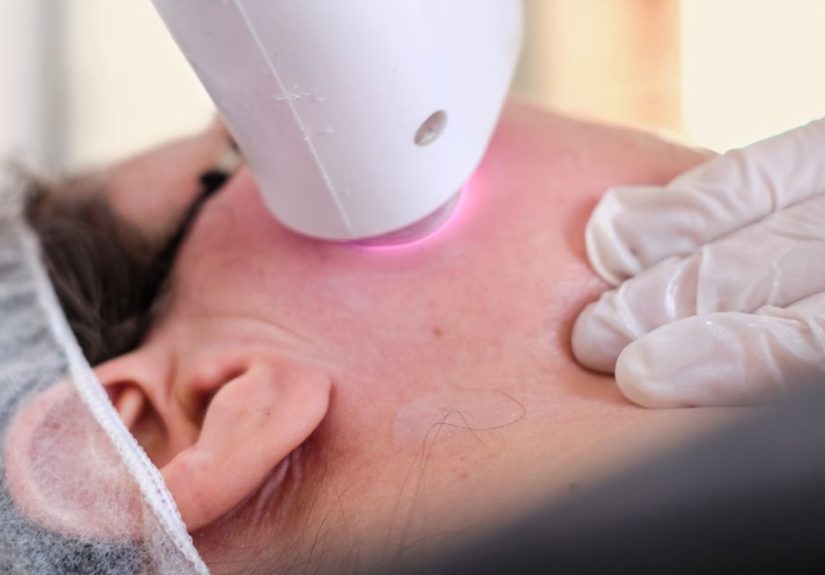
Types of Lasers and Light Devices for Melasma
1) Low-Fluence Q-Switched Nd:YAG (1064 nm)
This is one of the most studied approaches in melasma. The concept is to use lower energy in repeated sessions to target pigment more gently. Many clinics use it in treatment-resistant cases, often combined with topicals.
Pros:
- Large body of clinical use and published data.
- Can improve tone and patch intensity in selected patients.
- Often tolerated with limited downtime.
Cons:
- Relapse can occur after initial improvement.
- Not all studies show meaningful benefit over optimized topical regimens.
- Risk of post-inflammatory hyperpigmentation (PIH) or mottled hypopigmentation if poorly selected or over-treated.
2) Picosecond Lasers
Picosecond devices deliver energy in ultra-short pulses and may reduce thermal injury compared with older nanosecond approaches. Emerging evidence suggests good pigment reduction and patient satisfaction in some cohorts, with potentially fewer adverse pigment changes when appropriately used.
The catch: protocols are still evolving, devices vary, and outcomes depend heavily on operator expertise and patient selection.
3) Nonablative Fractional Lasers
These create microscopic treatment zones while leaving surrounding skin intact. They’re often used to improve tone and texture with less downtime than fully ablative lasers.
Pros:
- Lower downtime profile compared with ablative resurfacing.
- Can be combined with topical regimens and maintenance care.
- Useful in tailored, cautious protocols.
Cons:
- Multiple sessions are typically needed.
- Still carries pigmentation-shift risk in susceptible patients.
4) Ablative Fractional CO2 or Er:YAG Lasers
Ablative lasers are more aggressive: they remove portions of the skin surface and stimulate remodeling. While powerful for texture and scars, they are generally used very selectively in melasma because stronger injury can trigger rebound pigment in some patients.
These are not casual “lunchtime pigment facials.” They require careful planning, recovery expectations, and experienced handsespecially for medium-to-deep skin tones.
5) Intense Pulsed Light (IPL)
IPL is technically a light source, not a true laser, but it’s frequently discussed in melasma treatment conversations. Some patients improve, but recurrence and heat-related worsening are known concerns. In many practices, IPL is used cautiouslyor avoided entirely for melasma-prone patients with higher PIH risk.
6) Other Combination/Adjunct Approaches
In specialist settings, you may see combinations like laser + topical depigmenting therapy, microneedling + topicals, or selective vascular-targeted devices in chosen cases. Increasingly, clinicians focus on reducing inflammation and vascular signaling, not just blasting pigment.
Who Is a Good Candidate for Laser Melasma Treatment?
You may be a stronger candidate if:
- You’ve had limited response to consistent sunscreen + topicals.
- Your triggers are reasonably controlled (sun, heat, friction, irritating products).
- You can commit to maintenance care after procedure sessions.
- You’re being treated by a dermatologist/laser surgeon with melasma-specific experience.
You may need to pause or reconsider if:
- Your routine is currently inconsistent (high relapse risk).
- You’re pregnant or planning pregnancy soon (treatment strategy often changes).
- You have a history of severe PIH, keloids, or poor wound response without careful planning.
- You’re seeking a permanent cure in one session (that expectation usually leads to disappointment).
Risks, Side Effects, and How to Reduce Them
Common short-term effects include redness, warmth, mild swelling, and temporary irritation. More important are pigment-related risks: post-inflammatory hyperpigmentation, rebound darkening, or unwanted light spots (hypopigmentation). Risk rises with aggressive settings, too-frequent treatments, poor aftercare, and inadequate sun/visible-light protection.
Risk reduction checklist:
- Precondition skin with a dermatologist-directed topical regimen before starting laser.
- Use strict broad-spectrum, iron-oxide-containing tinted sunscreen daily.
- Avoid heat triggers (saunas, very hot yoga, prolonged direct sun) during treatment cycles.
- Choose experienced providers who regularly treat skin of color.
- Start conservatively; avoid “maximum power” mindsets.
- Keep maintenance therapy after improvementdon’t stop everything at once.
What a Realistic Treatment Timeline Looks Like
Phase 1: Reset (4–8 weeks)
Build your baseline: sunscreen discipline, gentle skincare, depigmenting topicals, trigger control.
Phase 2: Procedure Series (2–6+ sessions depending on plan)
Laser/light sessions are spaced out to monitor response and minimize irritation. Your provider adjusts settings based on how your skin reactsnot how fast your wedding date is approaching.
Phase 3: Maintenance (months to ongoing)
Continue topical therapy and strict sun/visible light protection. Occasional maintenance procedures may be recommended in stubborn cases.
Many patients start seeing meaningful change over several months, not days. If someone promises dramatic permanent clearance by next Friday, keep your wallet in your pocket.
Cost and Practical Expectations
Melasma treatment is often considered cosmetic, so insurance coverage can be limited. Procedure costs vary by device, provider expertise, and number of sessions. The lowest-price package is not always the best value if it leads to pigment rebound and retreatment.
Better value markers:
- Clear diagnosis and melasma typing.
- Documented baseline photos and response tracking.
- Detailed pre/post-care instructions.
- A maintenance plan, not just a procedure sale.
Questions to Ask Your Dermatologist Before You Start
- What type of melasma do I have (epidermal, dermal, mixed)?
- Which laser/light device do you recommend for my skin type, and why?
- How many sessions should I realistically expect?
- What are my specific PIH and rebound risks?
- What pre-treatment skin prep do you require?
- What sunscreen and maintenance products do you want me on?
- What is your backup plan if I worsen after session 1?
- How do you adjust settings for skin of color?
- What results are realistic at 3 months and 6 months?
- What is the total expected cost including maintenance?
Conclusion
Melasma laser treatments can absolutely be usefulbut they are tools, not miracles. The strongest outcomes usually come from combination care: strict photoprotection, smart topicals, careful device selection, conservative settings, and long-term maintenance. Q-switched Nd:YAG, fractional lasers, and newer picosecond systems each have a role, but no single device wins for everyone.
If you remember one thing, make it this: melasma rewards consistency more than intensity. Your skin doesn’t need punishment. It needs precision, patience, and a dermatologist who treats melasma like the chronic condition it is.
Real-World Experiences: Extra Insights From Patients, Clinics, and Everyday Life (Extended Section)
Here’s the part people rarely include in glossy skincare articles: melasma treatment is emotional. Not just medical. Patients often describe a weird cyclehope after each session, hyper-focus in every mirror, panic after one sunny afternoon, then relief when the patches soften again. That emotional roller coaster is normal, and talking about it openly can improve outcomes because expectations stay realistic.
In many clinics, the most satisfied patients are not the ones who chase the strongest laser settings. They are the people who treat melasma like fitness: regular habits, not emergency heroics. One patient (a common story) sees improvement after three low-fluence sessions, then has rebound after a beach weekend with inconsistent reapplication. Instead of giving up, she resets: tinted SPF, hat, shade strategy, gentle cleanser, and dermatologist-guided maintenance. Three months later, she’s back to steady progress. The lesson is not “never go outside.” The lesson is “plan like your pigment is listening”because it is.
Another frequent experience comes from patients with deeper skin tones who were previously overtreated elsewhere. They often arrive frustrated after aggressive procedures caused PIH. With a more conservative planbarrier repair first, reduced inflammation, careful device choice, slower session intervalsthey improve. Not overnight. But meaningfully. Their feedback is usually the same: “I wish someone had explained risk, not just sold me treatment.”
Working adults also mention the “Zoom paradox”: under office lighting they look fine, but on webcam or phone front cameras, patches look darker. That’s partly lighting physics, partly stress. Practical hacks matter here: consistent morning photoprotection, tinted sunscreen, and camouflage makeup layered correctly over treatment products. For many people, confidence improves before pigmentation fully clearsand that psychological win helps them stay adherent.
Then there’s the social-media trap. A creator posts dramatic before-and-after photos after one session, and everyone expects the same in two weeks. Real clinics see the opposite: subtle gains, occasional plateaus, and seasonal variation. Summer heat and UV can nudge melasma even when sunscreen is good. Winter may bring visible improvement. The biggest mindset shift is accepting that “maintenance” is not failure. It is success in chronic-condition language.
Dermatologists often share one practical truth: the best melasma plan is the one you can actually follow on your busiest day. If your routine needs 11 products and a 45-minute morning ritual, adherence drops. Simpler usually winseffective cleanser, prescribed topical(s), tinted broad-spectrum SPF, strategic reapplication, plus procedure sessions only when your skin is stable.
Finally, patients who do best tend to keep a mini trigger journal for 6–8 weeks. Nothing fancy. Just note sun exposure, heat-heavy workouts, new products, hormonal changes, and flare timing. Patterns appear quickly. Once triggers are visible, treatment feels less random and more controllable. That alone can reduce stressand stress reduction often helps people avoid aggressive, impulsive treatment decisions.
So yes, lasers can help melasma. But in real life, outcomes are built from strategy, not spectacle. The mirror gets kinder when the plan gets smarter.