Table of Contents >> Show >> Hide
- What Is Ménière’s Disease (and Why Food Even Matters)?
- The Core Ménière’s Diet Strategy: Lower Sodium + More Consistency
- Best Foods for a Ménière-Friendly Diet (That Still Taste Like Food)
- Foods and Drinks That Commonly Trigger Symptoms (or Sodium Spikes)
- A Simple One-Day Meal Example (Lower Sodium, High Sanity)
- Label Reading Tips That Actually Work in Real Life
- OTC Medicine for Ménière’s Symptoms: What Helps (and What Doesn’t)
- When to Get Checked Urgently (Don’t “Power Through” These)
- Beyond Diet: Other Treatments Your Clinician May Discuss
- Conclusion: The “Calm, Consistent” Diet Wins
- Real-World Experiences: What People Notice When They Change Their Diet + OTC Plan
If Ménière’s disease had a personality, it’d be that unpredictable friend who shows up unannounced, rearranges your furniture,
and leaves while you’re still trying to figure out why the room is spinning. The good news: while there’s no single “cure diet,”
what you eat (and how consistently you eat it) can make symptom management feel less like chaos and more like a plan.
This article breaks down practical, real-world nutrition strategies commonly recommended by U.S. ENT clinics and major medical
organizations, plus a clear look at over-the-counter (OTC) options that may help symptoms like vertigo
and nausea. (Important note: OTC products don’t treat the underlying inner-ear conditionthey support comfort and safety.)
Quick safety note: This is general information, not medical advice. If you’re a teen, loop in a parent/guardian and a clinician before making big diet changes or taking OTC medsespecially if you have other health conditions or take prescriptions.
What Is Ménière’s Disease (and Why Food Even Matters)?
Ménière’s disease is an inner-ear disorder known for episodes of vertigo (spinning dizziness), fluctuating hearing changes,
tinnitus (ringing/buzzing), and a feeling of ear fullness. Many experts believe it’s connected to “too much fluid” in a part of the
inner ear (often discussed as endolymphatic hydrops), though the exact cause can vary by person.
Here’s the diet connection in plain English: your body manages fluid balance with sodium, hormones, and hydration.
If your system is sensitive, big swingslike a salty meal followed by not enough watermay not do your inner ear any favors.
So the goal is less “perfect clean eating” and more steady, boring consistency. (Boring can be beautiful when you’re trying not to cartwheel into the kitchen cabinets.)
The Core Ménière’s Diet Strategy: Lower Sodium + More Consistency
1) Aim for a lower-sodium pattern (not “no salt forever”)
Many clinicians recommend reducing sodium because it may help reduce fluid retention and pressure changes that could influence inner-ear symptoms.
A common starting point is staying under about 2,300 mg/day, and some people do better loweryour clinician can personalize the target.
The bigger win (that people forget): keep sodium consistent across the day. A “low-salt breakfast, super salty dinner” pattern can feel like a roller coaster.
2) Spread salt evenly throughout the day
Try dividing your day into “sodium lanes.” If your daily goal is 1,800–2,000 mg, that might look like ~500 mg per meal plus ~200 mg for snacks.
You’re not doing math homework foreverjust long enough to learn what your usual foods contain.
3) Hydrate like it’s your job (but don’t chug all at once)
Dehydration can make dizziness feel worse for some people. Instead of going from “desert mode” to “camel mode,” aim for steady fluids throughout the day.
Water is great. Unsweetened herbal tea can work. If you use electrolyte drinks, choose lower-sodium options and treat them as occasional tools, not daily habits.
4) Caffeine and alcohol: test, don’t guess
Caffeine and alcohol are commonly reported triggers for some people with Ménière’s. Not everyone reacts the same way, so consider a short, structured experiment:
reduce for 2–4 weeks, track symptoms, then decide with your clinician whether it’s worth continuing.
5) Keep blood sugar steadier (yes, really)
Big sugar swings can feel like dizziness, shakiness, or “brain fog,” which can stack on top of vestibular symptoms.
A steadier approachprotein + fiber + healthy fatcan make your day feel more stable.
6) Don’t ignore stress, sleep, and migraines
Stress and poor sleep don’t cause Ménière’s, but they can lower your “symptom tolerance.” Some people also have migraine overlap (vestibular migraine can mimic or coexist).
The best diet in the world struggles if your nervous system is running on fumes.
Best Foods for a Ménière-Friendly Diet (That Still Taste Like Food)
The best foods are the ones that help you keep sodium consistent while supporting overall health. Think:
fresh, minimally processed, and easy to flavor without a salt avalanche.
Fresh produce (your “free flavor” aisle)
- Fruits: berries, oranges, apples, bananas, melons (great for snacks and smoothies)
- Vegetables: leafy greens, bell peppers, cucumbers, zucchini, carrots, sweet potatoes
- Bonus: high-potassium foods (like bananas, beans, leafy greens) can support a balanced dietask your clinician if you’re on diuretics.
Lean proteins (helps steady blood sugar)
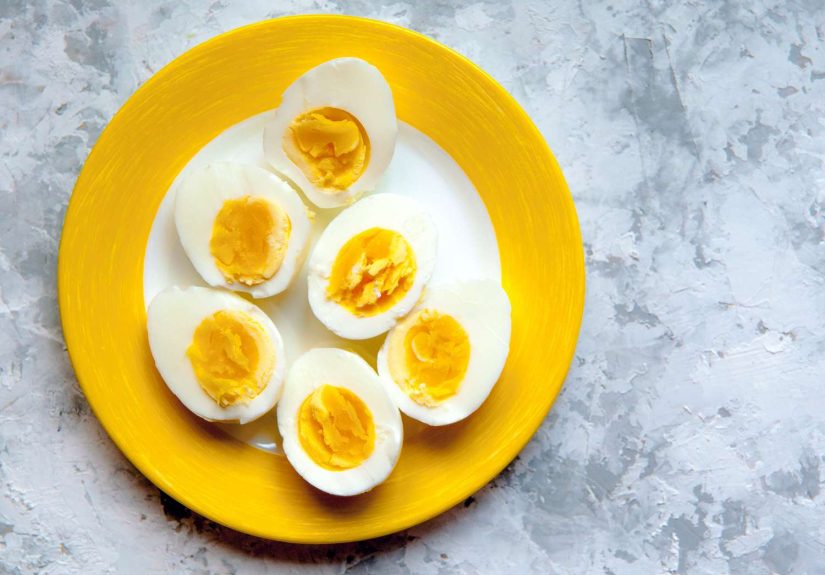
- Chicken, turkey, fish, eggs
- Greek yogurt (watch sodiumbrands vary)
- Beans and lentils (rinse canned versions to reduce sodium)
- Tofu/tempeh (check labels; some are saltier than others)
Whole grains (fiber = steadier energy)
- Oats, quinoa, brown rice, whole-wheat pasta
- Low-sodium whole-grain bread (compare labelssome breads are sneaky salty)
Healthy fats (satiety without salt)
- Avocado, olive oil, nuts and seeds (choose unsalted)
- Nut butters (look for “no salt added”)
Flavor boosters that don’t rely on sodium
- Lemon/lime juice, vinegar, garlic, onion, ginger
- Fresh herbs (cilantro, basil, parsley), dried spices, salt-free blends
- “Umami” without the salt bomb: sautéed mushrooms, roasted tomatoes, toasted sesame (small amounts)
Low-sodium snacks that travel well
- Fruit + unsalted nuts
- Carrots/cucumbers + homemade yogurt dip (season with herbs, lemon, pepper)
- Air-popped popcorn with olive oil + paprika (skip the ultra-salty microwave packs)
Foods and Drinks That Commonly Trigger Symptoms (or Sodium Spikes)
The usual sodium suspects
- Deli meats, bacon, sausage, hot dogs
- Canned soups, instant noodles, boxed “just add water” meals
- Fast food, pizza, fried chicken, salty sides
- Pickles, olives, soy sauce, bottled marinades
- Cheese-heavy meals (again: not “never,” just “know the numbers”)
Drinks that can backfire
- Caffeine: coffee, energy drinks, some teas, many sodas
- Alcohol: can be a trigger and can worsen dehydration
- High-sugar drinks: can cause energy/blood sugar crashes
Ultra-processed “mystery mixes”
Some people report issues with highly processed foods (often high in sodium, additives, and sugar). It’s not about fearit’s about pattern recognition.
If your symptom journal keeps circling back to the same culprits, that’s useful data.
A Simple One-Day Meal Example (Lower Sodium, High Sanity)
Breakfast
Overnight oats with milk or yogurt, chia seeds, blueberries, and cinnamon. Add a spoon of unsalted nut butter for staying power.
Lunch
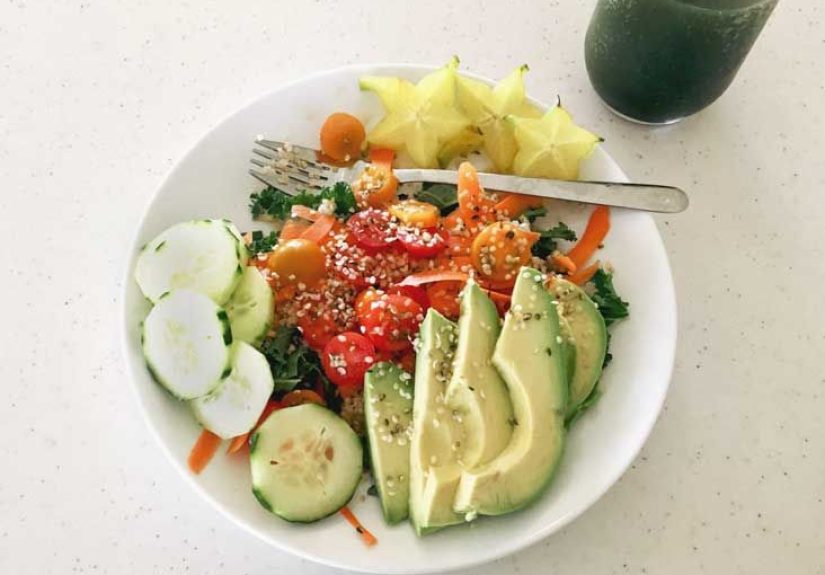
Big salad bowl: mixed greens, roasted sweet potato, grilled chicken (or chickpeas), avocado, cucumber, and a homemade dressing (olive oil + lemon + pepper + garlic).
Add a slice of low-sodium whole-grain bread if you want.
Snack
Apple + unsalted almonds, or carrots + hummus (look for lower-sodium brands, or make your own).
Dinner
Salmon (or tofu) with quinoa and roasted vegetables. Flavor with herbs, lemon, and a salt-free spice blend.
If you use a sauce, measure itcondiments are where sodium hides like it’s playing professional-level hide-and-seek.
Dessert
Greek yogurt with fruit, or a small piece of dark chocolate if chocolate isn’t a trigger for you.
Label Reading Tips That Actually Work in Real Life
- Check “sodium per serving” first, then confirm how many servings you’ll actually eat.
- Compare brands: bread, cereal, sauces, and soups vary wildly.
- Choose “no salt added” when possible (especially canned beans/vegetables).
- Rinse canned foods (beans, chickpeas) to reduce sodium.
- Build “default meals” you can repeatdecision fatigue is real, and vertigo days are not the time for culinary gymnastics.
OTC Medicine for Ménière’s Symptoms: What Helps (and What Doesn’t)
Let’s be very clear: OTC products don’t cure Ménière’s disease. But they may help you manage
motion sickness feelings, nausea, or mild dizziness during episodesespecially as part of a clinician-approved plan.
1) Motion-sickness antihistamines (common OTC options)
Some OTC motion-sickness medicines use antihistamines that can reduce nausea and dizziness related to motion/vestibular upset.
Examples include products with meclizine or dimenhydrinate (availability and age guidance vary by product).
- Pros: Can reduce nausea/queasiness and take the edge off dizziness for some people.
- Cons: Often cause drowsiness, dry mouth, and slowed reaction time. Not ideal for school days, exams, or anything involving driving.
- Safety note: Follow the label exactly and ask a pharmacist if you take other meds (especially anything sedating).
2) Nausea support (OTC, gentle-first approach)
- Ginger (tea, chews, capsules) may help mild nausea for some people. Start small, and don’t stack supplements without checking interactions.
- Oral rehydration (small sips) can help if vomiting happens, but choose options that aren’t sodium-heavy unless a clinician recommends them.
3) Headache or “hangover-style” discomfort
Some people get headaches with vertigo episodes. OTC pain relievers may help, but choose carefully.
High-dose salicylates/NSAIDs can worsen ringing in the ears for some people. If tinnitus flares after a medication, stop and ask a clinician.
4) What OTC products usually don’t do
- They don’t stop the disease process.
- They don’t reliably prevent attacks long-term.
- They don’t fix hearing changes or tinnitus (though comfort measures can help you cope).
5) When you should talk to a clinician before OTC meds
- If you’re pregnant, have glaucoma, asthma, urinary retention issues, heart rhythm concerns, or liver problems
- If you take anxiety meds, sleep meds, ADHD meds, or other sedating drugs
- If you’re under the age listed on the product label
- If vertigo is frequent, severe, or changingbecause you may need evaluation and prescription options
When to Get Checked Urgently (Don’t “Power Through” These)
Not every dizzy spell is Ménière’s. Seek urgent medical care if you have dizziness plus any of the following:
chest pain, fainting, severe headache unlike usual, new weakness/numbness, trouble speaking, confusion, or sudden severe hearing loss.
If symptoms are escalating or you can’t keep fluids down, you also deserve prompt help.
Beyond Diet: Other Treatments Your Clinician May Discuss
Diet is a foundation, but it’s rarely the only tool. Depending on your symptoms and diagnosis, a clinician may recommend
prescription medicines (including diuretics for prevention or vestibular suppressants for acute attacks),
vestibular rehabilitation therapy, hearing support (like hearing aids), or in some cases in-office procedures.
Your job isn’t to DIY a medical textbook. Your job is to collect good data (symptom journal + food patterns),
build consistent habits, and work with a professional who knows vestibular disorders.
Conclusion: The “Calm, Consistent” Diet Wins
A Ménière-friendly diet isn’t about punishment. It’s about reducing triggers, smoothing out sodium spikes,
staying hydrated, and keeping your daily routine steady so your inner ear isn’t dealing with dramatic plot twists.
Add smart OTC symptom support (only when appropriate), and you’ve got a practical plan you can actually live with.
If you try only one thing this week, make it this: pick two meals you love and rebuild them in a lower-sodium way.
Small changes, repeated consistently, usually beat “perfect” changes that last 48 hours.
of experience-based content
Real-World Experiences: What People Notice When They Change Their Diet + OTC Plan
People living with Ménière’s disease often say the hardest part isn’t learning what to doit’s doing it on the
days when life is loud, busy, and served with fries. Over time, many notice that symptom management looks less
like a single magic food and more like a collection of small “experience hacks” that keep their bodies steady.
One of the most common experiences: the sodium “surprise attack.” Someone eats pretty lightly all day,
then dinner is takeout ramen, pizza, or a “healthy” restaurant bowl with a salty sauce. The next morning, they may feel
off-balance, head-foggy, or notice ear fullness. Whether the meal is the cause or just part of the pattern, the
lesson people take from it is useful: restaurant food is often the biggest sodium variable, so having a backup plan helps.
Many keep a go-to order that’s easier to modifygrilled protein, plain rice/potato, veggies, sauce on the sideand they
don’t feel weird asking for it (because dizziness is weirder).
Another frequent “aha” moment is that consistency beats restriction. Some people go extremely low-sodium,
feel deprived, then rebound into salty snacks. The more sustainable approach they describe is building a repeating menu
of foods they genuinely like: oatmeal or eggs for breakfast, a salad bowl or rice bowl for lunch, and a simple dinner with
a protein + grain + vegetable. Once that routine exists, the brain relaxesless decision-making, fewer sodium spikes,
and fewer “what can I even eat?” spirals.
Many also report that hydration timing matters. Drinking almost nothing during school or work, then chugging
water at night can feel uncomfortable and doesn’t always translate into feeling better. People who do best often sip steadily
and pair fluids with meals. They also learn that some “sports” drinks are basically sodium delivery systems. When they do need
rehydration support (like after vomiting), they choose options thoughtfully and avoid turning electrolyte drinks into a daily habit
unless a clinician recommends it.
On the OTC side, experience tends to be practical: people who use motion-sickness antihistamines often say the benefit is
taking the edge offnot stopping an episode entirely. The tradeoff is drowsiness. So they plan for it:
they don’t take it right before an exam, they avoid mixing it with other sedating meds, and they make sure they’re in a safe place
where resting is possible. Families sometimes build a “vertigo kit” that includes a water bottle, bland snacks, ginger tea,
a cold compress, and clinician-approved OTC optionsbecause searching for supplies while the room is spinning is not a fun scavenger hunt.
Finally, many people find that a symptom journal becomes less about obsessing and more about confidence. After a few weeks,
patterns often show up: caffeine makes things worse, or sleep deprivation is a bigger trigger than food, or stress plus salty snacks
is the real combo. That clarity is powerful. It turns Ménière’s from “random chaos” into “I have a few levers I can pull,” which is
exactly the kind of control your nervous system appreciates.