Table of Contents >> Show >> Hide
- What Is Menopause? (Definition + The “12-Month Rule”)
- Common Menopause Symptoms (And Why They Happen)
- What Causes Menopause?
- How Menopause Is Diagnosed
- Treatment Options: What Actually Helps?
- Potential Complications of Menopause
- When to See a Clinician
- of Real-World Experiences (What People Commonly Report)
- Conclusion
Menopause is a milestone with a surprisingly bad PR team. It’s not a disease, not a personality change, and definitely
not a cosmic punishment for enjoying iced coffee. Menopause is a normal life stageyet it can come with symptoms that
feel like your body is running surprise “updates” without asking. The good news: you have options, you’re not “being dramatic,”
and a smart plan can make this transition far more manageable.
What Is Menopause? (Definition + The “12-Month Rule”)
Menopause is the point in time when a person has gone 12 straight months without a menstrual period,
and there’s no other medical reason for the change. That’s itno confetti cannon required (though you’re allowed to celebrate).
The years around it are often called the menopausal transition, and they can be the most symptom-heavy part of the journey.
Menopause vs. Perimenopause vs. Postmenopause
- Perimenopause: The “transition” years leading up to menopause. Periods may become irregular, and symptoms may start.
- Menopause: A single point in timeofficially diagnosed after 12 months without a period.
- Postmenopause: The years after menopause. Some symptoms improve; others (like bone health changes) may need ongoing attention.
Common Menopause Symptoms (And Why They Happen)
Symptoms largely happen because the ovaries gradually produce less estrogen and progesterone. Hormones influence many body systems,
so the effects can feel “everywhere all at once.” Not everyone has the same symptoms, and intensity varies widely.
Hot Flashes and Night Sweats (Vasomotor Symptoms)
Hot flashes are sudden waves of heat, often in the face, neck, and upper body. Night sweats are hot flashes that interrupt sleep.
Some people get a few and move on. Others get frequent episodes that impact work, mood, and rest.
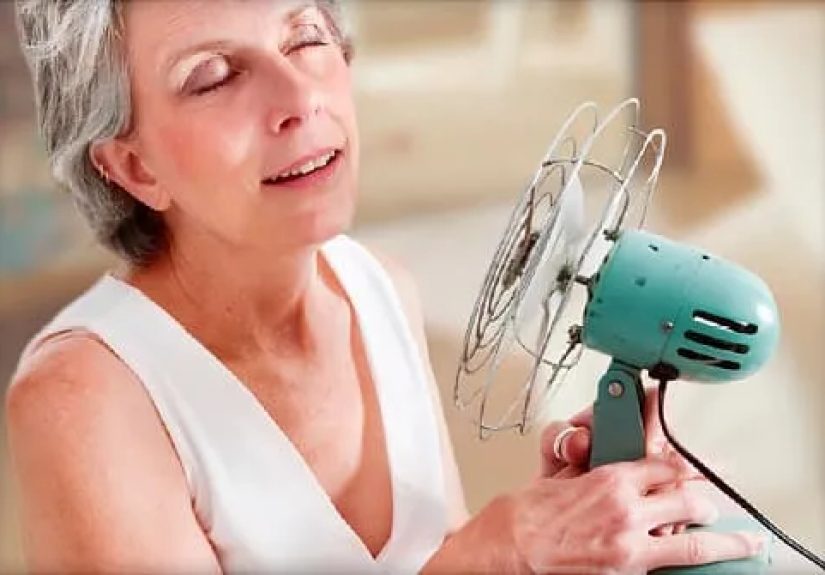
Practical example: You’re fine… then you’re suddenly a human space heater. Your sweater becomes a personal enemy. Two minutes later,
you’re cold again. If this sounds familiar, you’re not alone.
Sleep Problems
Sleep can get disrupted by night sweats, anxiety, or changes in circadian rhythm. Poor sleep can then amplify irritability, brain fog,
and sugar cravingslike a domino effect, but with more yawning.
Mood Changes and Irritability
Shifts in hormones, sleep loss, life stress, and physical discomfort can all influence mood. Some people feel more anxious or down.
Others feel like their patience has taken a vacation without leaving a forwarding address.
Changes in Vaginal and Urinary Comfort
Lower estrogen can lead to dryness and irritation, and it may affect urinary frequency or increase the chance of urinary discomfort.
In medical terms, clinicians may call this genitourinary syndrome of menopause (GSM). It’s common, treatable,
and worth bringing up with a clinicianeven if it feels awkward. (They’ve heard it all, and they’re not judging you.)
Body Changes: Weight, Muscle, and Skin
Many people notice changes in body composition during midlife, including more abdominal fat and less muscle mass. Hormonal shifts,
aging, sleep changes, and activity patterns can all contribute. The goal isn’t chasing a “perfect” bodyit’s protecting strength,
metabolism, and long-term health.
Brain Fog and Memory Slips
Some people describe trouble focusing, word-finding issues, or feeling mentally “slower.” Often, sleep disruption and stress are big drivers.
If cognitive changes are significant or getting worse, it’s smart to check in with a clinician to rule out other causes.
What Causes Menopause?
Natural Menopause
Natural menopause happens as ovaries reduce hormone production over time. In the U.S., many people experience menopause in midlife,
often between the mid-40s and mid-50s, though there’s a wide normal range.
Surgical Menopause
If both ovaries are removed (for example, during certain surgeries), menopause can occur suddenly. Symptoms may be more abrupt because
the hormone change is immediate rather than gradual.
Primary Ovarian Insufficiency (Early Menopause)
Sometimes ovarian function changes earlier than expected. Causes can include genetics, autoimmune issues, or certain medical treatments.
Early menopause can raise risks for bone loss and heart disease, so medical follow-up is especially important.
How Menopause Is Diagnosed
For many people, diagnosis is based on symptoms and menstrual history. If you’re over 45 with typical symptoms and changing cycles,
testing may not be necessary. In some casesespecially if symptoms start earlyclinicians may use blood tests or other evaluation
to rule out thyroid disease, pregnancy, or other conditions.
Treatment Options: What Actually Helps?
Menopause doesn’t always require treatment. But if symptoms disrupt your life (sleep, work, relationships, mental health), it’s reasonable
to treat them. The best plan is personalizedbased on symptoms, health history, preferences, and risk factors.
Lifestyle Strategies (The “Unsexy” Stuff That Works)
- Temperature tactics: Dress in layers, use fans, keep your bedroom cool, and consider breathable bedding.
- Trigger tracking: Some people notice hot-flash triggers like alcohol, spicy foods, heat, or stress.
- Movement: Strength training supports bone and muscle; aerobic activity supports heart health and mood.
- Sleep basics: Consistent schedule, light exposure in the morning, and reducing late caffeine can help.
- Stress skills: Mindfulness, CBT techniques, and relaxation practices can improve coping and sleep quality.
Menopausal Hormone Therapy (MHT/HRT)
Hormone therapy is the most effective treatment for hot flashes and night sweats for many people. It can also help with some other symptoms
and may help prevent bone loss in appropriate candidates. Treatment choices (dose, route, and formulation) matterand should be tailored.
Estrogen Alone vs. Estrogen + Progestogen
- Estrogen alone may be used if a person does not have a uterus.
- Estrogen plus a progestogen is typically used when a uterus is present, to protect the uterine lining.
Routes Matter: Pills, Patches, Gels, Sprays, and More
Hormones can be delivered in different ways. Some guidance notes that transdermal estrogen (like patches) may carry a lower risk of certain
blood-clot outcomes compared with oral estrogen for some patients. This is one reason clinicians often discuss route as part of shared decision-making.
Who Might Benefit Most?
Many major medical organizations emphasize that hormone therapy can be a good option for healthy, symptomatic people who are younger than 60
and/or within about 10 years of menopause onsetassuming no contraindications. The details depend on personal and family history.
Nonhormonal Prescription Options
If hormones aren’t a good fitor you prefer not to use themnonhormonal treatments can still help, especially for vasomotor symptoms.
Options may include certain antidepressants (like SSRIs/SNRIs), gabapentin, and newer therapies that target hot flashes through different
brain pathways. Some are specifically FDA-approved for vasomotor symptoms.
Treating Genitourinary Symptoms (GSM)
For dryness and discomfort, first-line options often include moisturizers and lubricants. If symptoms persist, clinicians may consider
low-dose local estrogen or other therapies depending on the person’s history and risk profile. The main point: you don’t have to “just live with it.”
Potential Complications of Menopause
Menopause itself is normal, but the hormonal changes around it can influence long-term health risks. The goal isn’t to scare anyonejust to
spotlight what’s worth monitoring.
Bone Loss and Osteoporosis
Estrogen helps protect bone density. After menopause, bone loss can speed up, raising fracture risk over time. Weight-bearing exercise,
adequate calcium and vitamin D (as advised by a clinician), and screening when appropriate can help reduce risk.
Heart and Metabolic Health
Cardiovascular risk increases with age, and risk patterns can shift after menopause. This makes midlife a great time to focus on blood pressure,
cholesterol, blood sugar, sleep, activity, and nutrition. Think of it as “future-you insurance.”
Vaginal and Urinary Changes
GSM can persist and may worsen without treatment. Ongoing discomfort can affect quality of life, relationships, and sleep. Treatment is often
effectiveso it’s worth discussing.
Mood Disorders and Quality of Life
If anxiety or depression shows upor worsensduring the transition, it’s real and treatable. Therapy, lifestyle supports, medication,
and symptom control (including hot-flash management) can all make a difference.
When to See a Clinician
- Symptoms are disrupting sleep, work, school, relationships, or mental health.
- You have very heavy bleeding, bleeding between periods, or bleeding after menopause.
- Symptoms start unusually early, or you’re unsure what’s going on.
- You want to discuss hormone therapy, nonhormonal options, or bone/heart risk screening.
of Real-World Experiences (What People Commonly Report)
Menopause experiences are wildly variedtwo people can have the same age, similar health histories, and completely different symptom “playlists.”
Still, some themes show up again and again in real-life stories. One of the most common is the surprise factor. Many people expect menopause to be
“periods stop and that’s that,” then feel blindsided by the transition years: irregular cycles, sleep disruption, mood shifts, and hot flashes that
can appear at the worst possible times (presentations, crowded elevators, the exact moment you realize you wore a turtleneck).
Another frequent experience is the emotional whiplash of not recognizing your body’s usual patterns. People describe feeling confident and steady
one month, then anxious or unusually irritable the nextoften with little warning. For some, it’s less about sadness and more about a shorter fuse
paired with exhaustion. It’s common to hear, “I thought I was losing my mind,” when the real problem was a combo of hormonal change and chronic
sleep debt. Once sleep improvesthrough symptom treatment, routine changes, or bothmany people report that their mood and mental clarity improve, too.
Hot flashes and night sweats often get the spotlight, but people also talk about the “quiet” symptoms: brain fog, joint aches, headaches, and
feeling less resilient after stress. Some notice they can’t power through late nights like before, or that caffeine hits differently. Others feel
frustrated by body changesespecially changes in weight distribution or loss of muscle tonedespite keeping the same habits. That’s why many find
strength training empowering during this stage: progress is measurable, confidence grows, and daily life feels easier (carrying groceries becomes less
of a full-body negotiation).
People also often mention the social side: menopause can be isolating if you feel like you’re the only one dealing with it. Yet when conversations
open upamong friends, family, or in a clinician’s officemany feel relief. A common turning point is realizing that there are multiple effective
approaches: hormone therapy for some, nonhormonal medications for others, plus practical tools like temperature strategies, stress management, and
targeted treatments for dryness or urinary changes. Real-world experience tends to reinforce one message: the best plan is personalized and flexible.
Symptoms can change over time, and what works now may need tweaks later. The goal isn’t to “win menopause.” It’s to feel like yourself againjust
with better boundaries and maybe a fan within arm’s reach.
Conclusion
Menopause is a normal life stagebut “normal” doesn’t mean “easy.” Understanding what’s happening (and why) is the first step toward feeling better.
Whether your main issue is hot flashes, sleep, mood changes, or long-term health concerns like bone density, a mix of lifestyle strategies and medical
options can help. The most important takeaway: you deserve care that takes your symptoms seriously, and you don’t have to tough it out in silence.