Table of Contents >> Show >> Hide
- Psoriasis 101: What It Is and Why It’s Not “Just Dry Skin”
- The Mind–Skin Loop: How Psoriasis Affects Mental Health
- Why Psoriasis Hits Men Differently
- Everyday Moments That Quietly Wear Men Down
- Red Flags: When Psoriasis Is Affecting Your Mental Health
- Treatment Options: Skin Care and Mental Health Care Together
- Daily Habits That Support Both Skin and Mind
- How Loved Ones Can Support Men with Psoriasis
- Talking to Your Doctor: Simple Scripts for Men
- Real-Life Experiences: What Psoriasis in Men Can Feel Like
- Bottom Line: Your Skin Condition Is Not Your Character
If you think psoriasis is “just a skin thing,” ask any guy who has tried to explain red, flaky patches to
a new partner, a gym buddy, or a boss. Psoriasis in men doesn’t only change what you see in the mirror.
It can quietly chip away at confidence, mood, relationships, and work life. This mind–skin connection is
strong, and for many men, it’s still something they feel they have to tough out in silence.
In this mental health spotlight, we’ll break down how psoriasis affects men specifically, why it hits
mental health so hard, and what you can realistically do about it. Think of this as a straight-talking
guide for guys (and the people who care about them) on navigating psoriasis in both body and mind.
Psoriasis 101: What It Is and Why It’s Not “Just Dry Skin”
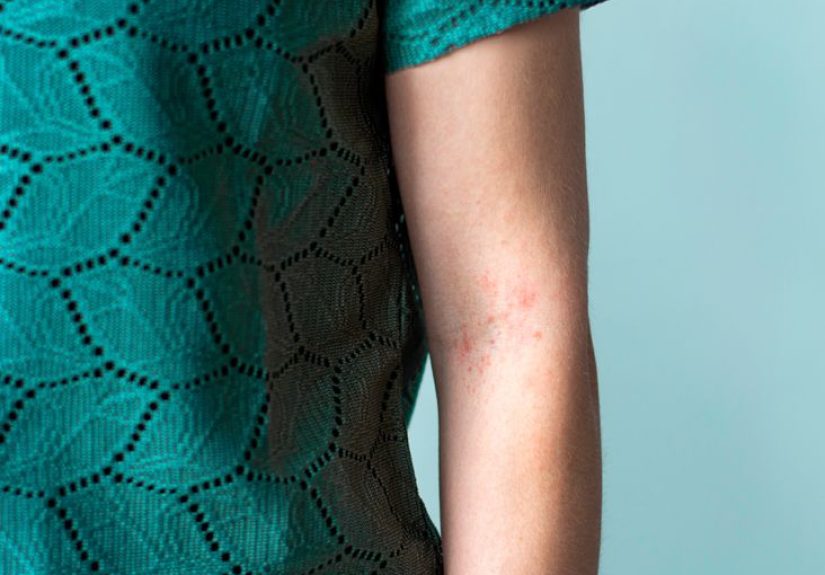
Psoriasis is a chronic, immune-mediated condition where the immune system speeds up the life cycle of
skin cells. Instead of turning over every few weeks, skin cells pile up in days. The result: raised,
red, often silvery-scaled plaques that can itch, burn, or crack. It commonly shows up on the scalp,
elbows, knees, lower back, and sometimes the face, hands, feet, or genitals.
For men, certain locations can feel especially high stakes:
- Scalp psoriasis that looks like “bad dandruff” and sprinkles onto dark shirts.
- Facial psoriasis that’s hard to hide on Zoom, at dates, or in photos.
- Genital psoriasis that can turn intimacy into a mix of discomfort, embarrassment, and anxiety.
- Nail changes (pitting, discoloration, thickening) that make handshakes or public activities feel awkward.
Psoriasis can also involve the joints as psoriatic arthritis, causing stiffness, pain, and swelling.
When movement hurts and skin is flaring, the impact isn’t only physical; it affects how active, social, and confident
you feel.
The Mind–Skin Loop: How Psoriasis Affects Mental Health
Living with visible skin disease in a world obsessed with appearances is hard enough. Add in constant itching,
discomfort, and fears about what other people think, and it’s no surprise that psoriasis and mental health
are tightly linked.
Men with psoriasis may experience:
- Depression: persistent sadness, hopelessness, loss of interest in hobbies or fitness.
- Anxiety: worrying about flares, judgment from others, or “what if this never gets better?”
- Social withdrawal: avoiding the gym, beach, barbershop, dating apps, or even family gatherings.
- Body image issues: feeling “unattractive,” “contagious,” or “broken,” even though psoriasis isn’t contagious.
There’s also a biological side to this story. Psoriasis is a systemic inflammatory disease. That same
inflammation that drives the skin changes is increasingly thought to play a role in the brain, potentially
contributing to mood disorders like depression and anxiety. So when a man says, “I just don’t feel like myself
anymore,” it might be more than frustration it can reflect changes in both his skin and his nervous system.
Why Psoriasis Hits Men Differently
Psoriasis affects people of all genders, but men often face a particular mix of expectations and pressures:
“Be Tough, Don’t Complain” Culture
Many men are raised to minimize health issues: walk it off, power through, don’t talk about feelings.
That might work for a sprained ankle; it does not work for a chronic inflammatory disease that can
wax and wane for years.
Because of this, some men:
- Delay seeing a dermatologist or mental health professional.
- Underplay symptoms during appointments (“It’s fine, I just need a cream”).
- Use alcohol, overwork, or gaming marathons as coping tools instead of asking for help.
Work, Performance, and Identity
For many men, work is a big part of identity and self-worth. Psoriasis can interfere with that:
- Visible lesions may cause anxiety in public-facing jobs.
- Joint pain can make physical work, manual labor, or long shifts exhausting.
- Fatigue and low mood can derail focus, productivity, and motivation.
When work performance slips, it’s easy for a man to think, “I’m failing,” rather than, “My disease is flaring and I
need more support.” That mindset can deepen depression and keep him stuck.
Dating, Sex, and Body Image
Psoriasis in men can heavily affect dating and intimacy:
- Worrying a partner will think it’s contagious or linked to poor hygiene (it’s not).
- Feeling ashamed of plaques on the chest, back, or groin.
- Avoiding intimacy because of pain, cracking, or burning in sensitive areas.
The result can be a vicious cycle: less intimacy → more loneliness and insecurity → more stress and flares →
even less intimacy.
Everyday Moments That Quietly Wear Men Down
Sometimes it’s the small, repeated situations that really do a number on mental health:
- Choosing clothes based on which ones hide plaques or flaking the best.
- Declining beach trips or pool parties to avoid taking off a shirt.
- Brushing off “What’s wrong with your skin?” questions with a joke while feeling stung inside.
- Cleaning up flakes from a chair after standing up in a meeting.
- Switching gyms or barbers to avoid being recognized or questioned.
None of these moments alone causes depression, but over time they can chip away at self-esteem and
contribute to anxiety and low mood.
Red Flags: When Psoriasis Is Affecting Your Mental Health
Psoriasis in men deserves just as much attention for mental symptoms as physical ones. It’s time to talk to
a professional if you notice:
- Feeling down, numb, or irritable most days for more than two weeks.
- Losing interest in hobbies, exercise, or social plans you used to enjoy.
- Major changes in sleep, appetite, or energy.
- Constant worries about your appearance or fear of being judged.
- Increased drinking, smoking, or drug use to “take the edge off.”
- Thoughts like “People would be better off without me” or “I can’t do this anymore.”
If you’re having thoughts about self-harm or suicide, that’s an emergency, not a personality flaw.
Reach out to your local emergency number or a crisis hotline right away. Getting urgent help is a sign
of strength, not weakness.
Treatment Options: Skin Care and Mental Health Care Together
The good news: you are not stuck. Effective treatment plans for psoriasis in men usually
address both the skin and the mind.
Medical Treatment for Psoriasis
Depending on severity and location, a dermatologist may recommend:
- Topical treatments: steroid creams, vitamin D analogs, combination products, medicated shampoos.
- Phototherapy: controlled exposure to ultraviolet light in a medical setting.
- Systemic medications: traditional oral drugs that calm immune activity.
- Biologic therapies: targeted injections or infusions that block specific inflammatory pathways.
When psoriasis is better controlled, many men report not just improved skin but also better sleep,
mood, energy, and confidence. Treating skin is not cosmetic; it’s part of protecting overall health.
Supporting Mental Health
Dermatology and mental health care work best as a team. Helpful options include:
- Therapy (counseling): Cognitive behavioral therapy (CBT), acceptance and commitment therapy (ACT),
or other approaches can help you manage negative thoughts about your body, cope with stress, and build healthier routines. - Medication for depression or anxiety: Antidepressants or anti-anxiety medications may be appropriate
if symptoms are moderate to severe. These medicines are not “giving up”; they’re tools. - Support groups and peer communities: Hearing from other men with psoriasis can normalize your experience
and reduce shame.
If your dermatologist doesn’t ask about your mood, you can bring it up: “My skin is one part of it,
but I’m also really struggling with how this is affecting my mental health. Can we talk about that too?”
Daily Habits That Support Both Skin and Mind
Lifestyle changes are not a cure, but they can support your treatment and help stabilize both psoriasis
and mental health:
- Sleep: Aim for consistent, good-quality sleep. Poor sleep can worsen inflammation and mood.
- Movement: Gentle, regular exercise can ease stress, support joints, and boost serotonin.
- Smoking and alcohol: Both are linked with worse psoriasis and poorer mental health. Cutting back helps.
- Stress management: Breathing exercises, mindfulness, hobbies, or time outside can interrupt the stress–flare loop.
- Skin-friendly routine: Gentle, fragrance-free products and regular moisturizing can reduce irritation and discomfort.
Think of these steps as part of a bigger plan: medication + mental health support + everyday habits
all working together.
How Loved Ones Can Support Men with Psoriasis
If you care about a man with psoriasis, you’re part of his mental health toolkit. Here’s how you can help:
- Believe him: Don’t dismiss symptoms as “just dry skin” or “no big deal.”
- Watch for mood changes: Gently check in if he seems quieter, more withdrawn, or irritable.
- Use supportive language: “How are you feeling about your skin lately?” instead of jokes or teasing.
- Offer practical help: rides to appointments, help with errands on flare days, or joining in healthier routines.
- Respect boundaries: Don’t touch plaques or ask to see affected areas unless he’s comfortable sharing.
Small, consistent acts of support can protect against loneliness and hopelessness, which are huge
drivers of depression and anxiety.
Talking to Your Doctor: Simple Scripts for Men
Not sure how to start the conversation? Try phrases like:
- “My skin is affecting my confidence and mood more than I expected. What can we do about that?”
- “I’m avoiding social situations because of my psoriasis. Are there treatments that could help more?”
- “I’ve been feeling down and stressed since my psoriasis got worse. Could I talk to someone about mental health?”
You don’t need a perfect speech. You just need to be honest. That honesty opens the door to better support,
stronger treatment plans, and a life that’s not defined by your skin.
Real-Life Experiences: What Psoriasis in Men Can Feel Like
Every man’s story is different, but certain themes show up again and again. The following composite experiences
are drawn from common patterns men report when living with psoriasis and mental health challenges.
“Mark, 32: The Gym Guy Who Stopped Going”
Mark built a lot of his identity around being fit. He loved lifting, playing pickup basketball, and
posting progress photos. When scalp and elbow psoriasis showed up, he brushed it off. When plaques spread
to his knees and shins, he started wearing long pants and sleeves all the time, even in the gym.
One day, he overheard someone whisper, “What’s wrong with that guy’s legs?” It wasn’t said to him directly,
but it landed hard. A few weeks later, he realized he hadn’t been to the gym at all. His sleep got worse,
his diet slipped, and he felt more and more sluggish and down.
His turning point came when a friend casually said, “Hey, I haven’t seen you at the gym. You okay?”
Mark admitted he was embarrassed about his skin. That friend encouraged him to see a dermatologist and
talk to a therapist. With treatment, his plaques improved, and therapy helped him challenge the belief
that people were always judging him. He went back to the gym not to look perfect, but to feel strong again.
“David, 45: The Professional Who Felt Like a Fraud”
David works in sales and spends a lot of time face-to-face with clients. Facial psoriasis and flaking on his
scalp made him feel like everyone was staring. He became hyper-focused on lighting in meeting rooms,
constantly checking mirrors and brushing off flakes from his shoulders.
At home, he was exhausted and irritable. His partner noticed he stopped planning date nights and began
canceling social events at the last minute. He told himself he was just “too busy,” but the truth was, he
was anxious about being seen up close.
After a particularly bad flare, David finally brought it up with his dermatologist: “I can’t keep doing this.
This is wrecking my confidence.” His doctor adjusted his treatment plan, adding a newer therapy and referring
him to counseling. In therapy, David explored how much pressure he put on himself to look “perfectly healthy.”
As his skin improved and he reframed his self-worth beyond appearance, he felt more comfortable making eye
contact again and his performance at work actually improved.
“Jordan, 27: The Guy Who Thought No One Would Want Him”
Jordan developed genital psoriasis in his mid-twenties. Physically, it was painful and itchy. Emotionally,
it was devastating. He was convinced no one would ever want to be intimate with him if they saw it.
He avoided dating apps, turned down invitations, and spent more time alone. His friends noticed he
was pulling away. Inside, he was battling intrusive thoughts: “I’m disgusting,” “I’ll never have a normal
relationship,” “I should just get used to being alone.”
Eventually, he opened up anonymously in an online support group for psoriasis. To his surprise, many men
shared similar experiences and talked about partners who were accepting once they understood what psoriasis
is (and that it’s not contagious). Encouraged, Jordan saw a dermatologist, started treatment, and later
brought up his condition early in a new relationship. His fear didn’t vanish overnight, but having a partner
respond with curiosity instead of disgust was healing on a deep level.
What These Stories Have in Common
These experiences share a few core truths:
- Psoriasis in men can silently undermine confidence, relationships, and work.
- Trying to “tough it out” alone usually makes both skin and mental health worse.
- Things change when men get comprehensive care dermatologic treatment plus mental health support.
- Honest conversations with friends, partners, and professionals are game-changers.
You don’t have to tell your story publicly to start healing, but sharing it with even one trusted person
can be a powerful first step. Psoriasis is part of your life story, not your entire identity.
Bottom Line: Your Skin Condition Is Not Your Character
Psoriasis in men is more than a cosmetic issue. It’s a chronic inflammatory disease that can affect how
you see yourself, how you connect with others, and how you move through the world. But it’s also something
you can manage with the right mix of medical care, mental health support, and everyday habits.
Reaching out for help doesn’t make you weak. It means you’re putting your health all of it, skin and
mind first. And that’s one of the strongest moves you can make.