Table of Contents >> Show >> Hide
- What Is Meticore Supposed to Be?
- How Is Meticore Supposed to Work?
- What Do Real Customers Report?
- Is Meticore Backed by Solid Science?
- Safety: Are Meticore and Similar Supplements Dangerous?
- Can You Still Buy Meticore in 2024?
- Scam or Effective? An Honest Verdict on Meticore
- How to Judge Any Weight Loss Supplement (So You Don’t Get Burned Again)
- Real-World Experiences & Lessons from Meticore (Extra )
- Conclusion
If you’ve ever searched “easy weight loss” at 2 a.m., there’s a good chance you’ve bumped into Meticore the bright-colored “morning metabolism trigger” that promises to melt fat by fixing your low core body temperature. It sounds simple, science-y, and just a tiny bit magical.
But it’s 2024, the hype wave has already crested, the official site is hard (or impossible) to find, and many buyers are now asking a less glamorous question: Was Meticore a legit metabolism booster or just another slickly marketed weight loss scam?
This deep-dive breaks down what Meticore claims to do, what’s actually in it, what real customers reported, what regulators say about weight loss supplements in general, and how to protect yourself from “too good to be true” diet pills in the future.
What Is Meticore Supposed to Be?
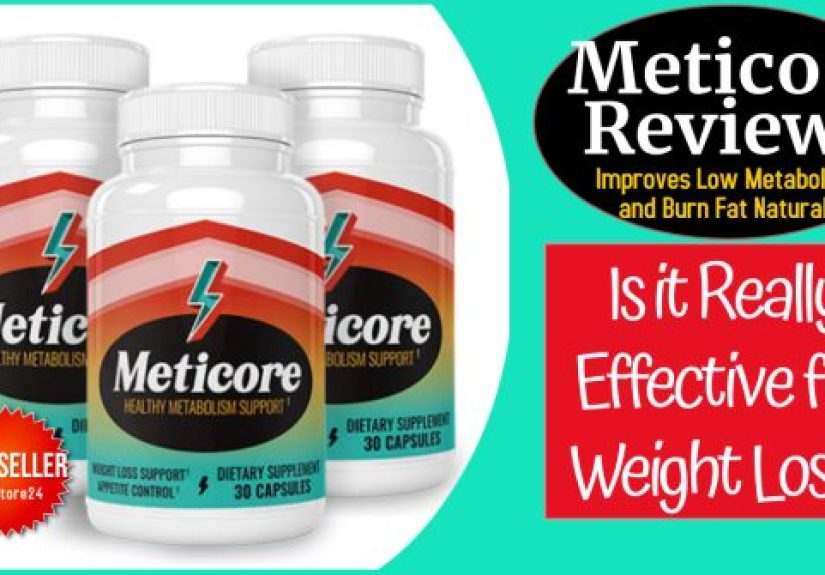
Meticore is (or more accurately, was) a dietary supplement marketed as a “healthy metabolism support” formula. The pitch: overweight people allegedly have a lower core body temperature, which slows their metabolism. Meticore claims to “target low core body temperature” using a blend of plant-based ingredients so your body burns more calories even at rest.
Most promotional articles and advertorials describe Meticore as a capsule you take once a day in the morning, often bundled with dramatic before-and-after photos and metabolic “sunrise routines.” Many of those pieces were clearly written by affiliates or marketing agencies, not neutral medical experts.
Meticore’s Main Ingredients
Across multiple marketing materials and third-party reviews, Meticore is consistently said to include a mix of vitamins and plant extracts such as:
- African mango seed extract (Irvingia gabonensis)
- Brown seaweed extract (fucoxanthin)
- Moringa leaf (Moringa oleifera)
- Turmeric root
- Ginger root
- Citrus bioflavonoids
- Chromium (as chromium picolinate)
- Vitamin B12
On paper, it’s a classic “natural fat burner” blend: a little metabolism support, a little antioxidant buzz, and a lot of marketing.
The Quick Snapshot
- Category: Weight loss / metabolism supplement (dietary supplement)
- Claims: Boost metabolism by addressing low core body temperature, support fat loss, increase energy
- Evidence: No clinical trials on the full Meticore formula; limited and mixed data on individual ingredients
- Status in 2024: Official website appears unavailable; product mostly found via third-party sellers and leftover listings
How Is Meticore Supposed to Work?
The core story is simple: “Overweight people have low core body temperature. Meticore raises internal temperature and revs up metabolism, so you burn more calories all day.” This is repeated across multiple advertorials and sponsored pieces.
Here’s how the ingredients are marketed to support that idea (versus what the science actually says):
- African mango: Often promoted for reducing belly fat and weight. Small, short-term studies show modest weight loss at best, and the evidence quality is mixed; it’s far from a miracle ingredient.
- Fucoxanthin (brown seaweed): Early research suggests it may influence fat metabolism in animals and small human trials, but doses and formulations differ widely from what’s in commercial supplements.
- Moringa, ginger, turmeric: These are better known for antioxidant and anti-inflammatory properties than dramatic weight loss. Any metabolic effect is likely subtle and secondary to overall lifestyle changes.
- Chromium & B12: Chromium is sometimes used for blood sugar control; B12 is essential for energy production, especially for vegans/vegetarians. Neither is a proven standalone fat burner.
There is no high-quality clinical trial showing that this exact Meticore formula reliably causes significant weight loss in humans. Like many diet pills, the science cited in marketing is almost always for individual ingredients in different doses, different combinations, and different populations not for Meticore itself.
What Do Real Customers Report?
Customer feedback on Meticore is all over the map from “changed my life” to “total scam.” That pattern is common with heavily promoted weight loss supplements.
Positive Experiences
Some reviewers report substantial weight loss while using Meticore, often alongside diet changes and intermittent fasting. One Trustpilot reviewer, for example, described losing dozens of pounds over several months and feeling more energetic, although they also noted supply issues as the company’s site became unavailable.
Common themes among positive reviews:
- Improved energy in the morning
- Steady weight loss over weeks to months (often while also dieting)
- No major side effects reported by those users
However, these stories are anecdotal. They don’t prove the pills rather than lifestyle changes, placebo effects, or natural weight fluctuations caused the results.
Negative Reviews, Complaints, and “Scam” Accusations
On the flip side, there are plenty of angry customers who feel they were misled:
- Yelp reviews call Meticore “a scam,” citing lack of results and difficulty getting refunds within the advertised money-back window.
- Reddit threads describe Meticore’s marketing as “the most blatant scam” they’ve seen, pointing to aggressive scarcity tactics, dramatic claims, and overproduced sales videos.
- The Better Business Bureau lists Meticore as a business that is now out of business and not BBB accredited.
There’s also a strange side story: an investigative piece from McGill University’s Office for Science and Society documented fake Telegram posts impersonating a controversial doctor, urging followers to “BUY 6–12 bottles of METICORE & thank me later,” highlighting how Meticore was pushed with aggressive, misleading endorsements.
Overall, customer feedback suggests a very familiar pattern: some people attribute their weight loss to Meticore, others see no change at all, and a significant number feel burned by the marketing and refund process.
Is Meticore Backed by Solid Science?
Short answer: not really.
There are a few key issues:
- No clinical trials on Meticore itself. The company has not published randomized, controlled human trials on its full formula in peer-reviewed journals.
- Ingredient evidence is limited and mixed. African mango, fucoxanthin, and similar ingredients have small, often short-term studies with modest results and significant limitations.
- Mechanism claims are oversimplified. The idea that weight struggles are mainly due to “low core body temperature” is not how obesity medicine or mainstream endocrinology explains weight gain. Metabolism is influenced by genetics, hormones, lifestyle, sleep, medications, and more.
On top of that, independent research shows that many weight loss supplements not just Meticore have serious label accuracy problems and sometimes contain undeclared pharmaceutical ingredients or different doses than listed.
So even if Meticore had been manufactured exactly as advertised, the overall scientific case for it being a game-changing fat loss solution is weak.
Safety: Are Meticore and Similar Supplements Dangerous?
Meticore marketing often emphasized being “natural” and “side-effect free.” But “natural” is not a magic safety shield.
Important context:
- The FDA does not approve dietary supplements (including weight loss pills) for safety or effectiveness before they hit the market. Manufacturers are supposed to police themselves.
- The FDA has repeatedly warned that many weight loss products sold online are contaminated with hidden ingredients, including prescription drugs and stimulants.
- Scientific reviews have documented serious side effects from various herbal weight loss supplements, including liver injury and heart rhythm problems.
- Even “simple” supplements can interact with medications for example, chitosan has been shown to lower blood levels of valproate, increasing seizure risk in some patients.
There’s no large, published dataset showing a specific, consistent safety signal for Meticore itself. But that’s partly because there are no rigorous trials and limited independent monitoring. “No published evidence of harm” is not the same as “proven safe.”
Bottom line: If you have heart disease, liver issues, are on prescription meds, are pregnant/breastfeeding, or have multiple health conditions, you should absolutely talk to your healthcare professional before using any weight loss supplement, including Meticore.
Can You Still Buy Meticore in 2024?
As of recent checks, the official Meticore website appears to be offline or unavailable. Independent reviewers in 2025 also reported that the official site could not be accessed and that Meticore was effectively “out of stock,” pushing alternatives instead.
However, you can still find “Meticore” capsules on various secondary marketplaces and import sites, often noted as imported, limited, or out of stock.
This is where things get especially risky:
- It’s difficult to know whether you’re getting original stock, an old batch, or a counterfeit product.
- Storage conditions and expiration dates may not be clear.
- Once a brand fades or disappears, bad actors sometimes use the name recognition to sell knockoffs that may be unsafe.
If a product’s main website is gone, the company appears out of business, and all you have left are random third-party listings, it’s usually a sign to move on not a sign to stock up.
Scam or Effective? An Honest Verdict on Meticore
So, is Meticore a scam or an effective weight loss tool?
Why Many People Call It a Scam
- Marketing relied on emotionally charged stories, dramatic promises, and “limited-time offers” that look like classic weight loss scam tactics.
- Refund complaints and customer service issues led some reviewers to feel tricked out of their money.
- Affiliates and pseudo-news sites pumped out glowing “reviews” that were basically long-form ads.
- The apparent disappearance of the official site and the BBB note that the business is out of business don’t inspire confidence.
Why It’s Not 100% Fair to Call It Pure Fiction
- The product did exist, with a reasonably standard mix of known supplement ingredients.
- Some users genuinely reported feeling better or seeing weight loss while taking it (though that does not prove causation).
- The formula wasn’t obviously packed with banned stimulants or prescription drugs based on available descriptions.
A balanced conclusion is this:
Meticore looks like a typical “over-promised, under-proven” weight loss supplement more hype than hard science, more marketing than medicine. It’s not a clear-cut fake product, but the exaggerated claims, lack of robust evidence, and trail of unhappy customers make it very hard to recommend.
If you want sustainable weight loss, the boring truth still wins: nutrition, movement, sleep, stress management, and, when appropriate, evidence-based medical treatments prescribed by a professional not a mystery capsule with a flashy sales video.
How to Judge Any Weight Loss Supplement (So You Don’t Get Burned Again)
Whether it’s Meticore or whatever the next viral pill is called, here’s a quick checklist:
- Check for real, published clinical trials on the full product not just cherry-picked ingredient studies.
- Look up the company: Are they transparent about their address, leadership, and manufacturing? Any BBB record? Any regulatory actions?
- Watch for scam signals: “90% off today only,” fake countdown timers, dramatic testimonials, and “doctors hate this one simple trick” are red flags.
- Read a mix of reviews: Not just on the product’s own site, but independent platforms. Pay attention to patterns of refund and billing complaints.
- Avoid shady marketplaces: Especially if the original brand appears dead or the formula has changed without clear explanation.
- Talk to a professional: Your doctor or a registered dietitian can help you figure out what’s safe and what’s likely just draining your wallet.
Real-World Experiences & Lessons from Meticore (Extra )
To bring all this down from theory to reality, it helps to look at the kinds of experiences people had around Meticore not as formal “case reports,” but as composite stories that reflect what shows up again and again in reviews, complaints, and discussion threads.
The Hopeful Starter
Picture someone we’ll call “L.” They’ve gained weight slowly over the last decade: desk job, late-night snacking, pandemic stress the usual suspects. L eats reasonably well most of the time, but progress is painfully slow. Then a Meticore ad pops up promising to “fix the one hidden cause of stubborn fat that your doctor never told you about.”
L watches the entire video, hears about hormones, low core body temperature, and “the secret ingredient that big pharma doesn’t want you to know,” and thinks: Finally, someone gets me. They order a bundle six bottles, because the video says you “need 180 days minimum” for best results. The first few weeks, L feels extra motivated, cleans up their diet a bit, walks more, and steps on the scale obsessively.
The results? A few pounds down, then a plateau. It’s not nothing, but it’s nowhere near the headline promises. L starts wondering whether it was the pill, the diet, the extra walking, or just water weight. By the time they decide the product really isn’t worth the price, the refund window is closing or closed. That “I finally found the secret” feeling turns into “I can’t believe I fell for that again.”
The Motivated Over-Achiever
Now imagine “M,” who approaches Meticore like a personal science experiment. They track calories, steps, workouts, and weigh-ins. Before Meticore, they’ve already lost some weight with diet and exercise, but want to speed things up. M keeps everything else about their lifestyle the same, then adds Meticore for 12 weeks.
At the end, M notices that weight loss continued at a similar slow-but-steady pace as before maybe a hair faster, maybe not. Energy feels okay, but nothing life-changing. When they crunch their own numbers, there’s no clear sign that the capsule was doing anything magical. The biggest benefit, M decides, was psychological: taking a pill made them feel more committed to their plan.
For people like M, Meticore becomes a reminder that consistency beats “secret hacks.” The product didn’t ruin their life, but it also didn’t live up to its price tag or promises.
The Almost-Customer Who Dodged a Bullet
Then there’s “J,” who sees the same ads but decides to research before buying. J finds glowing “reviews” that are obviously sales pages, but also stumbles into Reddit threads, neutral blog posts, and reports about the brand being out of business, with the official site down and only sketchy third-party sellers left.
They also learn about how the FTC and FDA repeatedly crack down on deceptive weight loss product claims and hidden ingredients in diet supplements. The more J reads, the more the whole pitch starts to feel off. Instead of ordering, they book a session with a dietitian and start a structured plan built on food, movement, and realistic timelines.
J’s takeaway: the internet is full of incredibly convincing health marketing, but if a product truly changed metabolism in a dramatic, safe, and lasting way, you’d see it in mainstream medical guidelines not just in 40-minute sales videos and affiliate “news” articles.
The Big Lesson
Across all these stories, the same themes show up:
- People are hungry literally and emotionally for solutions that feel easier than long-term lifestyle change.
- Smart marketing can make a supplement look like a breakthrough, even when evidence is thin.
- Some users will always swear a product worked; others will swear it did nothing. Without proper trials, it’s almost impossible to separate true effect from placebo and lifestyle variables.
If you take anything from the whole Meticore saga into 2024 and beyond, let it be this: your metabolism is not broken because you’re missing a single exotic plant extract. Real, sustainable progress comes from habits, support, and evidence-based care not from whatever metabolism pill is currently trending in your social feed.
Conclusion
Meticore had a big moment: bold promises, slick campaigns, and a customer base hopeful for an easier route to weight loss. But in 2024, with the brand fading and the evidence still thin, it looks much more like a marketing success than a metabolic breakthrough.
If you’re considering any weight loss supplement whether Meticore remnants or the “next Meticore” treat the sales pitch as a starting point for skeptical research, not a reason to pull out your credit card. And if you’re serious about your health, talk with a qualified healthcare professional who can help you build a plan that doesn’t depend on unproven pills.