Table of Contents >> Show >> Hide
- What migraine self-care actually means
- 9 migraine self-care tips that actually help
- 1. Treat symptoms early, not heroically
- 2. Keep your routine boring in the best possible way
- 3. Hydrate before your body starts filing complaints
- 4. Eat regularly and stop blaming every food immediately
- 5. Build a migraine-friendly environment
- 6. Exercise regularly, but do not go from zero to boot-camp legend
- 7. Manage stress like it is part of the treatment plan, because it is
- 8. Watch out for medication overuse
- 9. Know when self-care is not enough
- A practical migraine self-care plan for everyday life
- Common mistakes people make with migraine self-care
- Real-life experiences with migraine self-care
- Conclusion
Migraine is the kind of condition that can hijack a perfectly normal day and replace it with pounding pain, nausea, light sensitivity, and a strong desire to move into a cave. The good news is that smart self-care can make a real difference. It will not “cure” migraine, and anyone who promises that is selling either false hope or a suspiciously expensive tea. But the right daily habits can reduce triggers, help you respond faster to attacks, and make life feel a lot less like you are negotiating with your own nervous system.
If you live with migraine, self-care is not fluff. It is part of management. The most effective routines are usually simple: protect sleep, stay hydrated, eat regularly, treat symptoms early, track patterns, and know when a headache needs medical attention instead of another ice pack. Below is a practical, evidence-based guide to building a migraine self-care plan that is realistic enough to use on a Tuesday afternoon, not just in theory.
What migraine self-care actually means
Migraine self-care is not about “trying harder” or pretending stress does not exist. It is about reducing avoidable triggers, creating a stable routine, and having a plan ready before an attack arrives. Think of it as giving your brain fewer reasons to revolt.
A strong self-care approach usually has two goals: prevent attacks when possible and make attacks less intense when they do happen. That means your day-to-day choices matter, but so does what you do in the first few minutes of symptoms. Timing is everything. With migraine, waiting too long can turn a manageable episode into a full-blown, cancel-your-plans situation.
9 migraine self-care tips that actually help
1. Treat symptoms early, not heroically
One of the most helpful migraine habits is simple: respond early. Many people wait, hoping the pain will “pass on its own.” Sometimes it does. Often it does not. If your clinician has given you an acute treatment plan, follow it at the first sign of an attack or aura. Early treatment is often more effective than trying to catch up once symptoms are roaring.
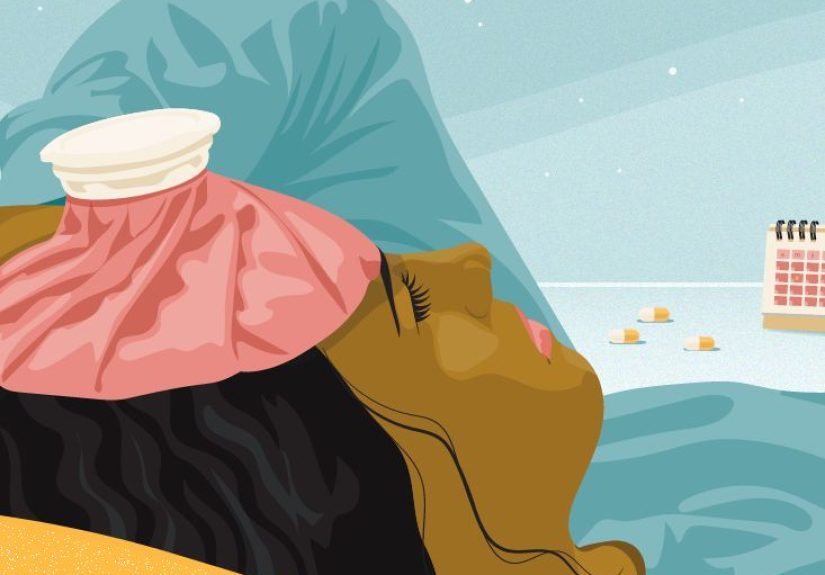
Self-care at the start of an attack may also include resting in a quiet, dark room, closing your eyes, drinking fluids, and placing a cool cloth or ice pack on your forehead or neck. For some people, warmth works better than cold, especially when neck tension is part of the package. The key is to learn what reliably helps your attacks and keep those tools easy to reach.
2. Keep your routine boring in the best possible way
Migraine brains tend to like consistency. Dramatic schedule swings may be fun for vacations and reality TV, but your nervous system usually prefers a more predictable script. Going to bed at wildly different times, sleeping too little, sleeping too much, skipping breakfast, or living on caffeine until lunch can all make attacks more likely.
Try to wake up, eat, and go to sleep at roughly the same times every day, including weekends. Yes, even on Sundays. That does not mean life must become dull. It just means your brain appreciates rhythm. A steady routine can reduce frequency and lower the chance that several small triggers pile up into one miserable afternoon.
3. Hydrate before your body starts filing complaints
Dehydration is a common migraine trigger, and it can sneak up fast during hot weather, travel, exercise, illness, or busy days when you accidentally treat water like an optional personality trait. Keep fluids coming throughout the day instead of trying to “catch up” once symptoms begin.
Practical trick: pair water with habits you already have. Drink a glass when you wake up, carry a bottle during errands, and sip before caffeine instead of after. If vomiting is part of your migraine pattern, hydration becomes even more important. Small, steady sips are often easier than chugging like you are in a sports commercial.
4. Eat regularly and stop blaming every food immediately
Food can matter, but the timing of meals often matters just as much as the ingredients. Skipping meals or going too long without eating may trigger attacks in some people. That is why regular meals and snacks can be a useful self-care strategy.
As for food triggers, this is where things get messy. Some people truly are sensitive to specific foods or drinks. Others blame chocolate, cheese, or coffee when the real problem was poor sleep, stress, dehydration, and a missed lunch all staging a group project together. Instead of banning half your kitchen overnight, keep a migraine diary and look for repeat patterns. A food is more suspicious when it shows up before multiple attacks under similar conditions, not just once on a bad day.
5. Build a migraine-friendly environment
When migraine hits, your surroundings can either help or make everything worse. Bright light, loud noise, strong odors, screen glare, and constant movement may amplify symptoms. That is why many people feel best in a dark, quiet room during an attack.
Self-care here is partly prevention and partly damage control. At work, that might mean lowering screen brightness, using blue-light reduction, stepping away for a few minutes, or keeping sunglasses and earplugs nearby. At home, it might mean blackout curtains, a sleep mask, a cold pack in the freezer, and a low-stimulation recovery spot ready to go. Think of it as a migraine emergency kit, only less dramatic than it sounds and much more useful.
6. Exercise regularly, but do not go from zero to boot-camp legend
Regular movement can help with stress, sleep quality, mood, and overall migraine control. Moderate aerobic exercise such as walking, biking, swimming, or low-impact classes may help reduce attack frequency for some people. The catch is that very intense activity can trigger symptoms in others, especially if they are dehydrated, under-fueled, or already sleep-deprived.
The smart move is to start small and stay consistent. A brisk 15-minute walk done regularly is often more useful than one heroic weekend workout followed by three days of recovery and regret. If exercise is a trigger for you, experiment with gentler pacing, better hydration, indoor workouts during bad weather, and longer warm-ups.
7. Manage stress like it is part of the treatment plan, because it is
Stress is one of the most commonly reported migraine triggers. Unfortunately, “just relax” is terrible advice and has never once improved anybody’s Tuesday. Better stress management is usually about creating small, repeatable habits that calm your nervous system before it reaches full alarm mode.
Helpful options may include breathing exercises, mindfulness, yoga, therapy, journaling, biofeedback, short walks, stretching, or even a consistent wind-down routine at night. You do not need a candle collection or a mountaintop retreat. You need something you will actually do. Five minutes of breathing before bed beats a theoretical 45-minute wellness routine that lives permanently on next Monday’s to-do list.
8. Watch out for medication overuse
This one surprises a lot of people: taking acute headache medicine too often can sometimes make headaches more frequent over time. In other words, the treatment meant to rescue you may start feeding the cycle if it becomes too frequent.
That does not mean you should suffer through attacks untreated. It means you should be honest about how often you are reaching for pain relievers, triptans, combination products, or other rescue medicines and discuss that pattern with your clinician. If your headaches are becoming more frequent, more resistant, or more disruptive, it may be time to adjust the overall plan instead of adding more bandages to the same leak.
9. Know when self-care is not enough
Some headaches need prompt medical attention. Seek urgent or emergency care if you have a sudden, explosive headache, what feels like the worst headache of your life, new weakness or numbness, trouble speaking, unusual vision changes, confusion, fever, neck stiffness, loss of balance, or symptoms that feel very different from your usual migraine pattern.
Also contact a healthcare professional if your attacks are frequent, severe, changing, or interfering with school, work, sleep, or daily life. Good self-care supports treatment, but it should never replace evaluation when something is new, alarming, or escalating.
A practical migraine self-care plan for everyday life
If you want migraine self-care to work, it needs to be specific. “Take better care of myself” sounds lovely and does almost nothing by itself. A real plan is concrete.
- Morning: Wake up at a consistent time, drink water, eat breakfast, and take prescribed preventive medicine if you use one.
- Work or school hours: Keep a water bottle nearby, avoid skipping meals, manage screen glare, and take short breaks if visual strain builds.
- Stress buffer: Schedule one small calming habit daily, such as a 10-minute walk, stretching, breathing, or quiet time without notifications.
- Evening: Keep caffeine late in the day to a minimum, dim lights, and aim for a repeatable sleep routine.
- Attack plan: Use your acute treatment early, reduce light and noise, hydrate, apply a cool pack, and rest.
- Tracking: Log sleep, meals, stress, weather changes, symptoms, medication use, and possible triggers so patterns become easier to spot.
The goal is not perfection. The goal is fewer surprises and faster recovery.
Common mistakes people make with migraine self-care
One common mistake is trying to fix everything at once. Suddenly cutting caffeine, starting intense workouts, eliminating ten foods, sleeping differently, and buying six supplements in one weekend may leave you confused about what helped and what backfired.
Another mistake is chasing a single “magic trigger.” Migraine is often cumulative. A stressful day, bad sleep, dehydration, and a skipped meal may matter more together than any one factor alone. That is why diaries are useful. They help you see patterns instead of picking random suspects.
The third mistake is waiting too long to get medical help. If self-care is not enough, that is not a personal failure. It is data. Frequent or disabling migraine may need a stronger prevention strategy, medication adjustments, or specialist care.
Real-life experiences with migraine self-care
For many people, learning migraine self-care is less like flipping a switch and more like becoming a very tired detective. At first, attacks can feel random. One week the headache starts after a stressful meeting. Another week it arrives after sleeping late on Saturday. Then one shows up during a weather change, and suddenly the person with migraine is staring at their planner, a half-empty water bottle, and a cup of coffee like all three may have committed a crime.
A common experience is realizing that migraine rarely responds well to chaos. People often describe a turning point when they stop focusing only on pain relief and start paying attention to patterns. Someone who thought they had “food-trigger migraines” may notice that the bigger issue was actually skipping lunch, pushing through stress, and sleeping five hours. Another person may find that dehydration during a commute is enough to nudge an already sensitive system into an attack. In real life, the breakthrough is often not dramatic. It is the quiet moment of saying, “Oh. It is not just one thing. It is the pileup.”
Many people also talk about the emotional side of self-care. Migraine can be isolating. Canceling plans repeatedly can create guilt. Missing work or school can feel embarrassing, especially if others think migraine is “just a headache.” Because of that, self-care often includes self-advocacy. Some people keep medication at work, store a cold pack in the office freezer, tell a manager they may need a dark break room, or ask family members not to turn on every overhead light in the house like they are opening a department store.
There is also the experience of trial and error. One person may swear by a cold pack and silence. Another may need a warm shower, a small snack, and total screen shutdown. Some people do well with a short nap. Others wake up feeling worse and learn that resting without fully sleeping works better. Self-care gets more effective when people stop copying other people’s routines word for word and start building their own plan based on repeated results.
Stress is another huge theme in lived experience. People with migraine often notice that the attack does not always happen during the stressful event itself. Sometimes it arrives after the stress lets up, like the body finally notices it has been clenching every muscle for two days. That is why many people build small calming habits into normal life rather than waiting for the bad day. A short walk after work, a regular bedtime, or ten quiet minutes without a phone can look unimpressive on paper and still make a meaningful difference over time.
Perhaps the most encouraging real-world experience is this: many people do not eliminate migraine completely, but they do become less controlled by it. They get better at spotting the early signs. They recover faster. They have fewer “how did this ambush me?” days. Their routines become more protective, their treatment becomes more timely, and their confidence grows. Migraine self-care is not about becoming perfect. It is about becoming prepared, observant, and kind to yourself while managing a condition that can be genuinely disruptive.
Conclusion
Migraine self-care works best when it is steady, realistic, and personal. Start with the basics: treat symptoms early, keep a consistent routine, hydrate, eat regularly, track your patterns, protect sleep, and manage stress before it snowballs. Add an attack plan you can use quickly, and pay attention to how often you need rescue medication.
Most importantly, remember that self-care is support, not surrender. You are not “just dealing with it.” You are building a smarter system. And when the pattern changes, the pain becomes disabling, or red-flag symptoms appear, let medical care do its job too. The best migraine plan is the one that combines everyday habits with timely professional help when needed.