Table of Contents >> Show >> Hide
- What the Monty Shelving Unit Is (and Why It Looks So Clean)
- Materials, Finishes, and Custom Options
- Sizes, Shelf Counts, and What “Configuration” Really Means
- How Strong Is It? Let’s Talk Load Capacity (Without the Drama)
- Best Places to Use a Monty Shelving Unit
- Planning Your Monty Setup Like a Pro
- Installation Tips (Because Gravity Is Not a Suggestion)
- Styling a Monty Shelving Unit So It Looks Designer (Not Random)
- Is Open Shelving Still in Style for 2026?
- Who the Monty Shelving Unit Is Perfect For (and Who Should Skip It)
- FAQ
- Experiences With the Monty Shelving Unit (The Real-Life Version)
- Conclusion
There are two kinds of “open shelving” people in the world: the ones who love the airy, magazine-cover vibe…
and the ones who love it until they realize they’ve accidentally created a stage for their mismatched mugs to perform
a tragic comedy called “Why Do We Own Seven Different Types of Glasses?”
The Monty Shelving Unit is built for both camps. It’s sleek and modern enough to feel intentional,
sturdy enough to feel grown-up, and customizable enough to solve real storage problems without turning your kitchen
into a permanent “before” photo. If you’re looking for a shelving system that can live above a counter, hover over an island,
or upgrade a coffee station from “functional” to “I might actually enjoy mornings,” Monty is worth a serious look.
What the Monty Shelving Unit Is (and Why It Looks So Clean)
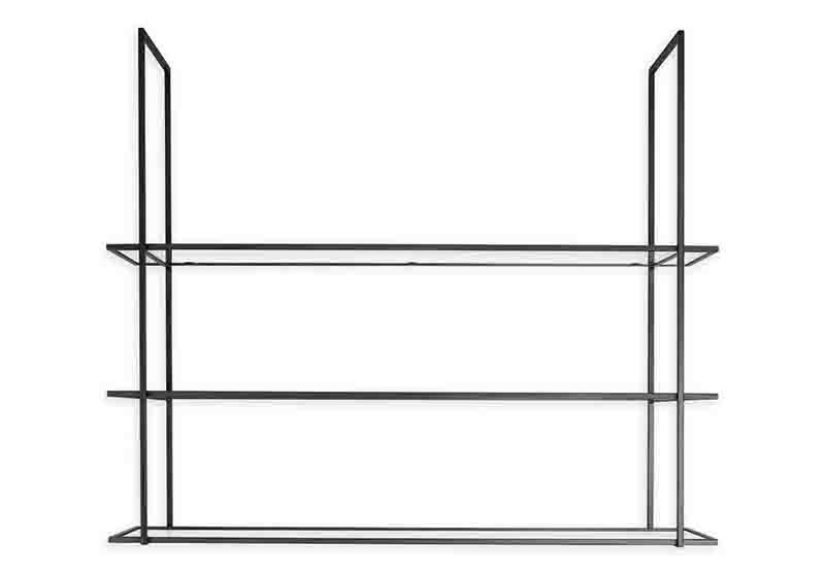
At its core, the Monty is a customizable open shelving system built around a powder-coated steel frame.
The visual signature is simple: crisp lines, a minimal profile, and that “architect drew this on purpose” feeling.
It can be installed as a wall-mounted shelving unit (anchored to studs) or as a
ceiling-mounted shelf unit that drops down over a counter or island.
The magic isn’t just the lookit’s the flexibility. You can choose a configuration (height and number of shelves),
select shelf depth, and pick shelf material (options commonly include glass, wood species like white oak or walnut,
and metal shelving). That combination makes Monty work in more spaces than a typical “one-size-fits-most” shelf.
Materials, Finishes, and Custom Options
Powder-coated steel frame: the backbone
Powder-coated steel is popular in high-use areas for a reason: it’s durable, it resists everyday scuffs better than many painted finishes,
and it keeps a crisp, modern look. On the Monty system, the steel is the structurethe part that carries the load and defines the style.
Since these components are handmade, you’ll often see a small tolerance mentioned in product notes (which is normal in artisan fabrication).
Mounting style: wall vs. ceiling
This is where Monty stands out from standard floating shelves. A ceiling-mounted configuration can create storage where upper cabinets would feel heavy,
especially over an island or a long counter run. A wall-mounted setup is perfect when you want the unit to sit flush and keep everything tight to the wall.
Shelf materials: glass, wood, or metal (pick your personality)
- Glass shelves: airy, light-reflecting, great for barware and pretty pieces. They visually “disappear,” which keeps the room feeling open.
- Wood shelves: warmer, cozier, and more forgiving for everyday dishes. Wood is also the easiest way to soften an industrial-modern frame.
- Metal shelves: bold, clean, and very utilitarianespecially good in laundry rooms, workspaces, or minimalist kitchens.
Finish options: the detail that makes it look custom
In the Monty ecosystem, you’ll commonly see powder-coated finishes like Black, Nickel, and warmer metallic tones such as aged or darker bronze/brass-style finishes.
Finish is not just colorit’s how the unit “talks” to the rest of your room: matte black can feel crisp and graphic; warmer metallics can make the shelf read as furniture.
Sizes, Shelf Counts, and What “Configuration” Really Means
When you shop Monty, “configuration” typically means a few key decisions: overall height, number of shelves,
and depth. Many Monty-style setups are offered in height tiers that correspond to shelf countsso a compact height might be a single shelf,
while taller units stack multiple shelves for a full vertical storage moment.
Shelf depth usually comes in practical ranges (think: shallow for glassware and spices, deeper for plates and serving bowls).
Another detail you’ll often see is shelf spacing guidanceenough room so your everyday items don’t feel like they’re being stored in a sardine can.
One practical note: if you’re supplying your own shelves, pay attention to any stated manufacturing tolerance. With handmade systems,
it’s common to size your shelf boards slightly under the listed depth so installation is smooth (not a full-body workout).
How Strong Is It? Let’s Talk Load Capacity (Without the Drama)
A shelving unit is only as strong as its installation. But in properly installed configurationsfastened into solid framing like studs or joists
Monty-style heavy-duty steel brackets are designed to hold serious weight. Capacity is commonly listed per bracket, and longer shelves often need a third support
to keep loads stable and prevent sagging.
Translation: your plates, bowls, and barware should be fine. Your “I collect antique bowling balls” hobby should probably live somewhere else.
Best Places to Use a Monty Shelving Unit
1) Coffee station that doesn’t feel like a clutter corner
Put Monty above a counter with enough spacing for mugs, beans, and a grinder. Add one “pretty” shelf for canisters and a plant,
and one “workhorse” shelf for daily use. Suddenly your morning routine feels like a boutique café instead of a chaotic caffeine shrine.
2) Over an island: functional, airy, and a little bit fancy
A ceiling-mounted Monty setup can create storage without blocking sight lines the way bulky uppers can.
It’s especially strong in open-plan homes where you want storagebut not visual heaviness.
3) Home bar or dining nook
Glass shelves + stemware + a few bottles you actually like (not the dusty “gift tequila” from 2019) looks polished fast.
Wood shelves can make it feel more lounge-like and less “industrial loft cosplay.”
4) Bathroom or laundry room upgrades
Open shelving shines when you use it for baskets, folded towels, detergents, and daily grab items.
The steel frame holds up well to frequent use, and the system looks intentional even in utility spaces.
Planning Your Monty Setup Like a Pro
Measure the “real life” items, not the fantasy items
It’s easy to plan shelves for a curated stack of matching bowls. It’s harder (and more useful) to plan for:
the oversized mixing bowl, the tall blender, the mug collection you swear is “almost done,” and the olive oil bottle that never fits anywhere.
Before you choose spacing, line up your tallest everyday items and measure them.
Decide what you want to see every day
Open shelving is a little like owning a glass-front closet. It’s not inherently high-maintenance
it just asks you to be honest. If you don’t want to look at it, don’t put it on an open shelf.
Balance open and closed storage
Design pros have been increasingly “team balance” lately: instead of covering an entire wall in open shelving,
use it in a more restrained, intentional waylike a feature zone for daily items and display pieceswhile keeping messy storage behind doors elsewhere.
Installation Tips (Because Gravity Is Not a Suggestion)
If there’s one hill worth dying on in the shelving world, it’s this: mount into studs or solid blocking.
Drywall anchors have their place, but a steel shelving system is not a “maybe it’ll hold” project.
Key best practices
- Locate studs/joists and confirm spacing with a stud finder (and common sense).
- Level everything before drillingbecause your eyes will notice a 1/8-inch slope forever.
- Use appropriate hardware for your wall/ceiling construction and the expected load.
- Add a center support for longer spans when recommendedespecially if you’ll store heavier items or use longer shelf lengths.
If you’re not comfortable with ceiling mounting (or you’re working with tricky framing), hiring a pro for a clean install can be money well spent.
You’re not just paying for laboryou’re buying peace of mind every time you set a stack of dishes on the shelf.
Styling a Monty Shelving Unit So It Looks Designer (Not Random)
Use the “everyday + display” formula
- Everyday shelf: plates, bowls, mugs, glassesthings you use constantly.
- Display shelf: a plant, a serving bowl, cookbooks, or a few objects that repeat your room’s colors.
Create visual rhythm
Styling works when it feels intentional: repeat materials (wood + ceramic + glass), vary heights (short stacks next to tall pitchers),
and leave a little breathing room. You don’t need to “decorate” every inchnegative space is part of the design.
Be honest about dust, but don’t panic
Open shelves can collect dustespecially in kitchens where grease and airborne particles exist (rude, but true).
The simplest hack is also the most practical: keep frequently used items on the shelves so they get rotated naturally,
and wipe shelves as part of your regular cleaning routine.
Is Open Shelving Still in Style for 2026?
The trend conversation has matured. Instead of endless rows of open shelves replacing every upper cabinet,
the newer guidance is “use it with intention.” Think: a single zone that feels curated and functional,
paired with closed cabinetry where you can hide the stuff that doesn’t deserve to be on display (looking at you, awkward plastic lids).
A Monty Shelving Unit fits this shift well because it looks architecturalmore like a built-in feature than a temporary trend.
When you treat it as a purposeful storage-and-display system (not a full replacement for every cabinet), it can feel timeless.
Who the Monty Shelving Unit Is Perfect For (and Who Should Skip It)
Perfect for you if…
- You want modern open shelving that looks intentional and high-end.
- You like the idea of customizing shelf height, shelf depth, and shelf material.
- You need an option for over-island storage without bulky upper cabinets.
- You want sturdy steel support and a clean, minimal profile.
Skip it (or rethink placement) if…
- You hate seeing your stuff. Open shelving will not change who you areand that’s okay.
- Your kitchen produces a lot of grease/smoke and you don’t want to wipe shelves regularly.
- You need ultra-heavy storage for tools or garage loads (different category, different products).
FAQ
Can I use Monty shelves in a rental?
Realistically, Monty is best for homes where you can drill into framing and leave a clean, permanent installation.
It’s not “peel-and-stick décor.” If you’re renting, consider whether you can patch and repaint lateror get landlord approval.
What shelf depth should I choose?
Shallow shelves are great for glassware, spices, and small décor. Deeper shelves are better for plates, bowls, and larger serving pieces.
If you want one unit to do both, prioritize daily-use items and pick depth that matches what you’ll actually store.
Is ceiling mounting safe?
Yeswhen installed correctly into joists or proper blocking with appropriate hardware. If your ceiling framing is unclear,
or you’re not comfortable verifying structure, hire a professional installer.
Experiences With the Monty Shelving Unit (The Real-Life Version)
Most people don’t start their Monty shelving journey thinking, “I want to make a design statement.”
They start with something more relatable: “Why is my counter always full?” The first experience you’ll have is the planning stage,
where you realize that shelves are less about décor and more about honest inventory. You measure your espresso machine, your tallest bottle,
and the stack of plates you swear is “normal.” Then you measure againbecause nothing humbles you faster than discovering your favorite mug is
exactly one inch taller than your “perfect” shelf spacing.
The second experience is choosing the vibe. Glass shelves feel light and sharp, like your kitchen is wearing a crisp white shirt.
Wood shelves feel warmer, like the room just got a cozy sweater. This decision tends to shape everything else: glass pushes you toward a more edited display
(because everything is visible from more angles), while wood is forgiving enough to hold everyday clutter without looking chaotic.
A lot of people end up treating the bottom shelf as the “work shelf” (daily plates, bowls, mugs) and the top shelf as a “calm shelf”
(a plant, a pitcher, a couple cookbooks, something that makes your brain unclench).
Installation day is its own rite of passage. Even if you’re handy, you’ll likely experience that classic moment where you hold the frame up to the wall
and think, “Is it level?” then stare at the bubble level like it’s a tiny judge of your character. If you’re ceiling-mounting, the experience is even more
serious: you suddenly care deeply about joists, blocking, and the laws of physics. The good news is that once Monty is properly installed,
it tends to feel solid and confidence-inspiringless “decorative shelf” and more “built-in system.”
Living with Monty is where the experience becomes surprisingly practical. Open shelving changes your habits in small ways.
You rotate dishes more often because they’re easy to reach. You notice duplicates faster (why do you have five spatulas?).
You also become a little more thoughtful about what you keep. The shelf becomes a gentle boundary: if it doesn’t fit neatly, maybe it doesn’t need to stay.
That sounds like lifestyle-guru nonsense, but in real kitchens it shows up as less countertop clutter and fewer “where did I put that?” moments.
Then there’s the maintenance experiencethe part that open-shelving skeptics love to mention. Yes, you will wipe shelves.
But it’s usually not a daily ordeal; it’s more like adding one extra step to your normal kitchen reset. People who use their items frequently
often find the dust issue is manageable because things get moved around naturally. If you cook a lot with oil or spices, you’ll learn quickly that the shelf
above your stove is not the place for your prettiest white ceramics (unless you enjoy cleaning as a hobby). The best lived-in Monty setups usually place the unit
where it’s convenient, visible, and not directly in the path of steam and splatter.
The most consistent “aha” experience? Monty doesn’t just store thingsit makes a space feel finished. Over a coffee counter,
it creates a dedicated zone. Over an island, it adds architecture and function without visual bulk. In a bar area,
it turns glassware into part of the room’s personality. The unit works best when you treat it like a system, not a stage:
a mix of daily function and a few intentional moments that make you happy to look at itbecause you will look at it. Every day.
Conclusion
The Monty Shelving Unit is a strong option for anyone who wants open shelving that feels designed, not improvised.
With a powder-coated steel frame, flexible mounting (wall or ceiling), and multiple shelf material choices, it can adapt to kitchens,
bars, offices, laundry rooms, and baths. The key is to plan it like a real storage solution: measure your everyday items, install it correctly into framing,
and style it with restraint. Do that, and Monty becomes the rare home upgrade that’s both practical and genuinely good-lookingno cabinet-door drama required.