Table of Contents >> Show >> Hide
- Multiple sclerosis 101: Why symptoms are so varied
- What is acupuncture, really?
- How might acupuncture help people with MS?
- What does the research actually say?
- Potential benefits of acupuncture in MS
- Risks and side effects: How safe is acupuncture for MS?
- How to use acupuncture safely as part of MS care
- Real-world experiences and practical tips (extra insights)
- The bottom line
If you live with multiple sclerosis (MS), you probably juggle more than just
your calendar of neurologist visits and MRI scans. There are symptoms that
medications don’t fully touchfatigue that feels like walking through wet
cement, pain that refuses to clock out, or legs that don’t quite get the
memo when you say “step.” It’s no surprise that many people start looking at
complementary options like acupuncture and think, “Could a handful of tiny
needles really help all this?”
The short answer: acupuncture may help some MS symptoms for some
people, but it is not a cure, it does not replace disease-modifying
therapies, and the research is still catching up to the enthusiasm. The good
news is that, when performed by a qualified practitioner, acupuncture is
generally considered safe for people with MS and may offer symptom relief,
especially for pain, spasticity, mood, and sleep.
Let’s walk through what the science actually says, where acupuncture fits in
your MS toolkit, and how to weigh the real benefits and risks with a clear
head (and hopefully slightly less muscle tightness).
Multiple sclerosis 101: Why symptoms are so varied
Multiple sclerosis is an autoimmune disease in which the immune system
attacks myelin, the protective coating around nerve fibers in the brain and
spinal cord. This damage disrupts how signals travel along nerves, leading
to a wide range of symptoms.
Common MS symptoms include:
- Muscle weakness, stiffness, and spasticity
- Numbness, tingling, or burning sensations
- Chronic pain and neuropathic pain
- Balance and coordination problems, including gait issues
- Vision changes
- Bladder and bowel problems
- Fatigue and cognitive difficulties
- Depression, anxiety, and mood changes
Standard MS care focuses on disease-modifying therapies (DMTs)
to reduce relapses and slow progression, plus medications and rehab to
manage specific symptoms. Acupuncture does not replace these
treatmentsbut it may work alongside them as part of an
integrative care plan.
What is acupuncture, really?
Acupuncture is a core part of traditional Chinese medicine (TCM). It
involves inserting very thin needles into specific points on the body to
influence the flow of energy or “qi” along pathways called meridians. In
Western medical terms, acupuncture is thought to affect the nervous system,
blood flow, and various signaling molecules that influence pain, muscle
tone, and mood.
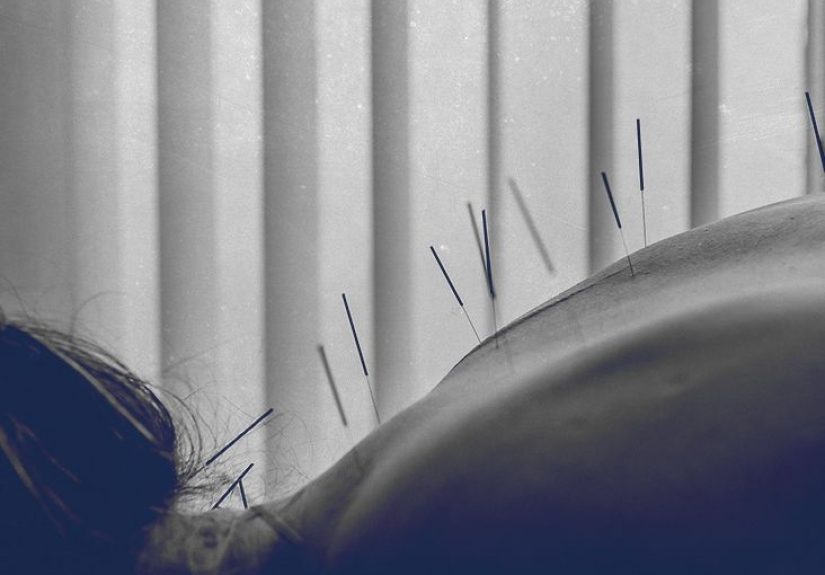
A typical session lasts 30–60 minutes. You lie on a treatment table while
the practitioner places needles in carefully chosen pointssometimes far
from the body part that bothers you. The needles usually cause little or no
pain, though you may feel a dull ache, pressure, warmth, tingling, or a
“heavy” sensation in the area.
For MS, acupuncturists often target points related to:
- Muscle tension and spasticity in the legs, back, and neck
- Nerve pain and sensory symptoms (numbness, tingling)
- Bladder function
- Fatigue and sleep
- Stress, anxiety, and low mood
In short, it’s not about “fixing MS” so much as gently dialing down some of
its most annoying symptoms.
How might acupuncture help people with MS?
Researchers are still figuring out exactly how acupuncture works, but
several mechanisms may be relevant for MS:
- Pain modulation: Acupuncture appears to trigger the
release of endorphins and other neurotransmitters that reduce the
perception of pain and alter how pain signals travel in the spinal cord
and brain. - Muscle tone and spasticity: Some small studies suggest
acupuncture may help reduce muscle stiffness and spasticity in MS, which
can make movement and gait more comfortable. - Nervous system balancing: Acupuncture may help regulate
the autonomic nervous system (the “fight or flight” vs. “rest and
digest” balance), which could ease symptoms like bladder urgency, bowel
irregularity, and heart rate changes. - Mental health support: By stimulating areas of the brain
involved in mood and stress, acupuncture may help reduce anxiety,
improve sleep, and support emotional well-beinghuge issues for many
people with MS. - Inflammation and immune activity: Some lab and animal
studies suggest acupuncture may influence inflammatory and immune
pathways, but it’s still unclear how much this matters for human MS in
real life.
So far, the most realistic role of acupuncture in MS is
symptom management, not disease control.
What does the research actually say?
Here’s where we leave the land of “this feels good” and look at
data. Several surveys and reviews give us a snapshot of how
acupuncture fits into MS care:
- Surveys show that a significant percentage of people with MS use
complementary and alternative medicine, including acupuncture, often for
pain, fatigue, anxiety, and overall quality of life. - An American survey reported that about one in five people with MS
had tried acupuncture, mostly for pain and anxiety, and many also
reported improvements in fatigue, depression, spasticity, and
sleep. - A 2014 review found that while many small studies suggested benefit in MS
symptoms, the research quality was often poor, making it hard to draw firm
conclusions about effectiveness. - More recent reviews and analyses suggest that traditional and scalp
acupuncture may help improve fatigue, pain, gait, and other functional
measures in MS, but they still call for larger, more rigorous trials
before making strong evidence-based claims. - A 2021 medical overview notes that experts generally consider acupuncture
safe for MS and do not link it to increased relapses or worsening
symptoms, while also emphasizing that more research is needed.
In plain language: the evidence is encouraging but not ironclad.
Acupuncture seems to help some people feel and function better, especially
around pain and day-to-day comfort, but it has not been proven to slow MS
progression or replace conventional therapies.
Potential benefits of acupuncture in MS
Based on the available evidence and clinical experience, here are the
symptom areas where acupuncture may be most helpful for people with MS:
Pain and neuropathic discomfort
Chronic painburning, stabbing, aching, buzzingis a frequent companion of
MS. Acupuncture is widely used for pain from many conditions, and MS-related
pain appears to be no exception. People often report reductions in:
- Neuropathic pain in the legs, feet, or hands
- Back and neck pain from altered posture or muscle imbalance
- Headaches and tension-related pain
For some individuals, acupuncture lets them use lower doses of pain
medications or feel more comfortable between dosesbut it’s rarely a magic
“off” switch.
Spasticity, stiffness, and gait
Spasticity (involuntary muscle tightness) can make walking feel like pushing
a shopping cart with the brakes half on. Some studies suggest acupuncture
may reduce spasticity and improve gait, making walking smoother and less
effortful.
This doesn’t mean you suddenly sprint marathons, but even small changesless
stiffness in the calves, better foot lift, fewer spasms at nightcan make a
big difference in comfort and confidence.
Fatigue and energy levels
MS fatigue isn’t just “tired”; it’s more like your body’s battery falling
from 80% to 10% by noon. Some patients report that acupuncture sessions help
them feel more energized or less drained, at least for a period after
treatment. While research is limited, fatigue is one of the symptom areas
where integrative approaches like acupuncture, yoga, and mindfulness are
often explored.
Mood, sleep, and overall well-being
Living with MS can be emotionally exhausting. Several organizations note
that acupuncture may help with depression, anxiety, and sleep problems in
MS, especially when combined with other mental health support.
Even if the direct symptom effects are modest, the act of regularly setting
aside time to rest, be cared for, and tune in to your body can be powerful
in its own right.
Bladder function and other autonomic symptoms
Some small studies and patient reports suggest acupuncture may help improve
bladder urgency, frequency, or incontinence, as well as bowel irregularity.
Results vary from “life-changing” to “nice but subtle” to “no change at
all”which is pretty much the theme of MS symptom management in general.
Risks and side effects: How safe is acupuncture for MS?
The reassuring news: for most people, acupuncture is considered low risk
when performed by a licensed, experienced practitioner using sterile,
single-use needles.
Common, usually mild side effects include:
- Soreness or tenderness at needle sites
- Minor bleeding or small bruises
- Temporary fatigue, lightheadedness, or sleepiness
Rare but more serious risks (usually linked to poor technique or lack of
training) include:
- Infection from non-sterile needles
- Injury to internal organs (for example, lung puncture) if needles are placed too deeply
- Fainting or strong vasovagal responses
Before trying acupuncture, talk with your neurologist or primary care
provider, and be sure to tell your acupuncturist if you:
- Have a bleeding disorder or take blood thinners (you may bruise or bleed
more easily). - Have a pacemaker or implanted electrical device (electroacupuncture can
interfere with these). - Are pregnant or trying to conceive (some acupuncture points are thought to
stimulate uterine activity). - Have very reduced sensation in an area (you might not feel if something is
wrong or too intense).
Importantly, current evidence does not link acupuncture with
MS relapses or worsening disease activity, and major MS organizations
generally consider it a reasonable complementary option when coordinated
with your medical team.
How to use acupuncture safely as part of MS care
Think of acupuncture as a member of your “symptom support squad,” not the
team captain. Here are practical steps to integrate it safely:
1. Keep your core MS treatment in place
Acupuncture is a complementary therapy, meaning it should be
used alongside, not instead of, disease-modifying therapies, rehab,
and other recommended treatments. There is no evidence that acupuncture can
stop MS progression or replace DMTs.
2. Choose a qualified, licensed practitioner
Look for someone who:
- Is licensed in your state and preferably board certified
- Uses sterile, single-use, disposable needles
- Has experience working with neurologic conditions or chronic illness
- Is open to collaborating with your neurologist or MS nurse
Don’t hesitate to ask how they clean equipment, what training they have, and
how they handle medical emergencies. A good acupuncturist will welcome your
questions.
3. Set realistic goals and track your symptoms
Instead of hoping for “fix my MS,” focus on specific, measurable goals like:
- “Reduce my leg spasms at night so I wake up less often.”
- “Ease my nerve pain so I can sit through a workday more comfortably.”
- “Improve sleep and anxiety during a flare of symptoms.”
Keep a simple symptom diary for a few weeks before and after starting
acupuncturerating pain, fatigue, sleep, or spasticity on a 0–10 scale. If
you don’t see any benefit after several sessions, it’s reasonable to rethink
whether it’s worth your time and money.
4. Combine acupuncture with other supports
Most people get the best results when acupuncture is part of a broader
self-care plan that may include:
- Physical and occupational therapy
- Stretching, gentle strength work, or yoga
- Psychological support, mindfulness, or stress management
- Healthy sleep habits and energy-conservation strategies
MS is a whole-body, whole-life condition; it rarely responds to a single,
isolated intervention.
Real-world experiences and practical tips (extra insights)
Research gives us charts and graphs; lived experience gives us context. While
everyone’s MS journey is unique, many people describe similar themes when
they add acupuncture into their routine.
One person might describe their first session like this: “I walked in
skeptical and walked out wondering if someone had dialed my muscle tension
down three notches.” They noticed that their legs felt less tight climbing
stairs and that evening’s spasms were gentler. The change wasn’t dramatic
enough to qualify as a miracle, but it was noticeableand repeatable over
several sessions.
Another person may not feel a strong difference right away in pain or
spasticity, but they do notice that they sleep more deeply on nights after
treatment, or that their baseline anxiety drops a little. For many, that
sense of being calmer and slightly more “in their body” can make everyday
symptom management feel more doable. When you’re less stressed, you may also
cope better with the annoyances that MS throws at you.
Of course, not everyone has a positive story. Some people with MS try
acupuncture for several weeks and decide it’s just not moving the needle
(pun fully intended) on their fatigue or pain. That’s important information,
too. It doesn’t mean acupuncture “doesn’t work” in general; it just means it
may not be the right fit for that individual or that symptom at that time.
If you’re considering acupuncture, it can help to approach it like a short,
time-limited experiment:
- Plan a trial period: For example, 6–8 sessions over 6–10
weeks. This gives you enough time to notice patterns without committing
forever. - Pick two or three target symptoms: Maybe leg spasms,
neuropathic pain, and sleep. Rate them regularly before, during, and after
the trial. - Notice the “soft” benefits: Do you feel more relaxed,
more in control, or more hopeful on treatment days? Those changes matter,
even if they don’t show up on an MRI. - Be honest about trade-offs: Is the benefit worth the cost,
travel, and time on the table? For some, the answer is a clear yes; for
others, it’s a polite no.
It’s also wise to talk through expectations with both your neurologist and
your acupuncturist. Your neurologist can help you understand which symptoms
are safest to target and which treatments must not be interrupted. Your
acupuncturist can explain what changes might realistically show up after a
session or a full course of treatment.
Finally, remember that you’re allowed to change your mind. You might love
acupuncture during one phase of your MSfor example, during a period when
pain and spasticity are front and centerbut later decide to shift your time
and budget to a different complementary therapy, such as massage, yoga, or
counseling. There’s no single “right” integrative plan: there’s just the
combination that works best for you, your body, your schedule, and your
goals.
The bottom line
Acupuncture can be a useful tool for
symptom relief and quality-of-life support in multiple
sclerosis. The existing research suggests potential benefits for pain,
spasticity, gait, fatigue, bladder symptoms, mood, and sleep, but the
evidence is not yet strong enough to call it a proven treatmentand it does
not replace disease-modifying therapies.
When done by a licensed practitioner using sterile needles, acupuncture is
generally safe and low risk for people with MS. The key is to integrate it
thoughtfully: keep your neurologist in the loop, choose a qualified
acupuncturist, set realistic goals, and periodically review whether it’s
actually helping you.
If you’re curious, see acupuncture as one more option in your MS toolkit:
not a cure, not a gimmick, but a possible source of comfort, calm, and
slightly easier daysone tiny needle at a time.