Table of Contents >> Show >> Hide
- What Is Needed?
- Who Typically Buys Needed (and Who Might Not Love It)
- What Reviews Usually Say: The Patterns That Keep Showing Up
- How to Read Needed Reviews (Without Getting Played)
- The Nutrition Basics: What a Prenatal Is Really Trying to Do
- So, What Does Needed OfferAnd How Is It Different?
- Quality and Testing: What Needed Says, and What You Should Look For
- Price, Value, and the Capsule Math Nobody Warns You About
- How to Decide If Needed Is Right for You
- Alternatives to Consider (If Needed Isn’t Your Vibe)
- Bottom Line: Are Needed Reviews “Trustworthy”?
- Experiences: What It’s Like to Use Needed (and to Shop by Reviews)
Shopping for a prenatal (or postpartum) supplement in 2026 feels a little like walking into a smoothie shop with 83 add-ins and a line behind you. You want to make a solid choice, but every label is yelling, “CLINICALLY FORMULATED!” while your brain is whispering, “What even is methylfolate?”
If you’ve landed on Needed (sometimes written as “needed.”), you’re not alone. The brand has built a big reputation in the fertility-to-postpartum space, and the internet has plenty of opinions about itsome glowing, some cranky, some deeply passionate about capsule count (more on that later).
This guide breaks down what Needed is, what real reviews tend to say, what to look for in a prenatal supplement generally, and how to decide whether Needed fits your budget, body, and life. Expect practical explanations, a few specific examples, and zero “miracle vitamin” nonsense. (If a supplement promises to “fix everything,” it’s probably also trying to sell you a bridge.)
What Is Needed?
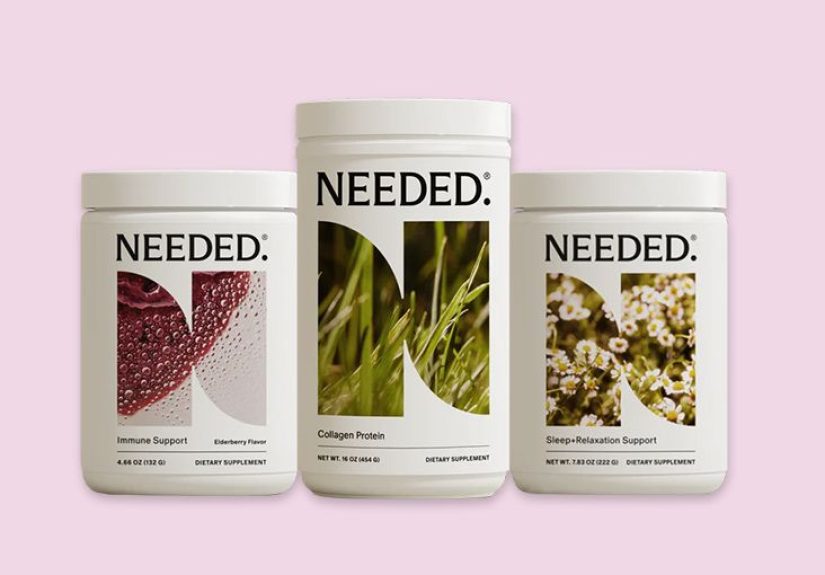
Needed is a supplement brand focused on nutrition support for people who are trying to conceive, pregnant, postpartum, and breastfeeding. Instead of offering only a single one-and-done prenatal vitamin, Needed leans into a more “build your plan” approach: a prenatal multi plus targeted add-ons (like omega-3s, iron, or other specific nutrients) depending on your needs and what your clinician recommends.
In plain English: Needed aims to cover common nutrient gaps that can show up during pregnancy and postpartum, especially when appetite, nausea, food aversions, or busy-life chaos make “perfect nutrition” a fantasy. (You can absolutely eat well during pregnancyjust don’t let Instagram convince you it has to look like a beige smoothie bowl with chia seeds arranged by an architect.)
Who Typically Buys Needed (and Who Might Not Love It)
Needed is often a fit if you:
- Want a prenatal-focused brand with options for fertility, pregnancy, and postpartum routines.
- Prefer “cleaner label” positioning and care about testing transparency.
- Have had stomach upset from prenatals before and want gentler options (like powders or different formats).
- Are okay paying more for a specialized brandespecially if you’re using only a few of their products.
You might not love Needed if you:
- Want the simplest, cheapest prenatal possible.
- Hate swallowing multiple capsules (some routines require more than one pill a day).
- Prefer a traditional “one bottle covers everything” prenatal and don’t want to add extras.
- Are sensitive to taste/texture in powders (some people love them; some people feel personally betrayed by them).
What Reviews Usually Say: The Patterns That Keep Showing Up
When you read a lot of Needed reviewsacross retailer listings, editorial review sites, and community review platformsyou’ll notice themes repeat. That’s helpful, because the patterns are more meaningful than any single “10/10 changed my life” comment.
Common “love it” themes
- Gentler on the stomach: Many reviewers describe less nausea or less digestive drama compared with other prenatals.
- Thoughtful nutrient forms: People often mention liking the ingredient choices (especially around folate, choline, and omega-3 options).
- Targeted approach: Some customers appreciate being able to add iron, DHA, or other nutrients separately rather than taking a mega-dose of everything.
- Quality/testing comfort: A lot of buyers say they feel reassured by third-party testing and heavy metal/purity discussions.
Common “meh” or “nope” themes
- Price: Needed can be more expensive than mainstream prenatals, especially if you stack multiple products.
- Capsule count: Some formulas involve multiple capsules per day. For some people that’s fine; for others it’s a daily reminder that adulthood is a scam.
- Not truly “one-and-done”: Some reviews point out that you may still need targeted add-ons depending on labs, diet, or clinician advice.
- Subscription/shipping preferences: As with many direct-to-consumer brands, some buyers are picky about delivery timing or subscription management.
How to Read Needed Reviews (Without Getting Played)
Reviews are usefulbut only if you read them like a detective, not like a raccoon spotting an unattended pizza. Here’s a simple framework that works for Needed reviews and basically any supplement brand:
1) Sort by “most recent,” not “most dramatic”
Formulas, sourcing, and customer service can change over time. Recent reviews are more likely to reflect what you’ll experience now.
2) Look for specifics, not slogans
Helpful reviews mention things like capsule size, taste, nausea, constipation, fishy burps (omega-3 people, I see you), or how easy it was to pause a subscription. Vague reviews that read like marketing copy are less reliable.
3) Watch for “review red flags”
- Multiple reviews that repeat the same phrases word-for-word
- Over-the-top claims (“This cured everything instantly!”)
- No mention of real-life use (timing, format, how long they took it)
4) Use medical guidance as your “reality check”
A prenatal supplement supports nutritionit doesn’t replace medical care or guarantee outcomes. If a review implies a supplement prevents miscarriage, treats a medical condition, or “fixes hormones” without context, take a breath and check evidence-based guidance.
The Nutrition Basics: What a Prenatal Is Really Trying to Do
Prenatal vitamins exist because pregnancy increases nutrient needs, and many people don’t consistently meet those needs through diet alone. Most clinical guidance focuses on a few high-impact nutrients that matter before and during pregnancyand often continue to matter postpartum.
Folate (and folic acid)
Folate is crucial early in pregnancy. Many guidelines emphasize that people who can become pregnant should get folic acid daily, because neural tube development happens earlysometimes before you even know you’re pregnant. Some brands use folic acid; others use methylfolate forms. The right choice can depend on individual factors and clinician preference.
Iron
Iron supports red blood cell production and helps reduce risk of anemia during pregnancy. Some prenatals include iron; others keep it separate (especially because iron can worsen nausea or constipation in some people). Reviews often mention whether a brand’s approach feels “gentle” or “like swallowing a tiny brick.”
Iodine, Vitamin D, and Choline
These nutrients come up a lot in pregnancy guidance, and choline especially is one many people don’t get enough of from diet alone. If you rarely eat eggs or animal proteins, choline is worth discussing with a healthcare provider.
Omega-3s (especially DHA)
DHA is commonly discussed for pregnancy and breastfeeding nutrition. Some people prefer getting omega-3s through food, while others rely on supplements (particularly if they don’t eat fatty fish regularly).
So, What Does Needed OfferAnd How Is It Different?
Needed’s approach is generally described as more “comprehensive” than a basic prenatal, but it often comes in a modular format: a prenatal multi plus optional targeted add-ons. That can be a pro or a con depending on how much you want to customize.
Common Needed product formats reviewers discuss
- Prenatal multivitamin capsules: The classic option, often taken as multiple capsules per day.
- Prenatal multivitamin powder: A mix-in format for people who can’t stand pills (or who want flexibility).
- Omega-3/DHA products: Frequently paired with a prenatal multi.
- Targeted supplements: Examples can include iron support, vitamin D, magnesium, or other nutrients depending on the brand’s lineup and your plan.
A major thing reviewers point out: Needed is often not positioned as “buy one bottle, you’re done.” It’s more like building a nutrition playlistsometimes you only need the prenatal multi, sometimes you add a few tracks.
Quality and Testing: What Needed Says, and What You Should Look For
In the U.S., dietary supplements are regulated differently than prescription drugs. The short version: supplements generally aren’t “FDA approved” before they hit the market. Companies are responsible for ensuring their products are not adulterated or misbranded and that labeling is accurate. This is why third-party testing and transparent quality practices matter.
Needed’s testing and quality messaging
Needed publicly emphasizes third-party testing and discusses testing for things like potency and contaminants (including heavy metals). Some products also reference outside certifications or verification programs. If you’re comparing brands, look for details like:
- Whether testing is done per batch or only occasionally
- Whether the brand is willing to share a certificate of analysis (COA) or testing summary
- Whether manufacturing follows current Good Manufacturing Practices (cGMP)
- Whether the brand uses recognized third-party programs (examples in the market include NSF or USP verification for some products/brands)
Important nuance: not every good product has every certification, and not every certification means the same thing. If quality is your top concern, prioritize concrete testing transparency over vague “premium” buzzwords.
Price, Value, and the Capsule Math Nobody Warns You About
The biggest “negative” thread in many Needed reviews is costespecially if you’re stacking multiple products. Needed is often priced above mainstream drugstore prenatals, and the total can rise quickly if you add omega-3s, extra iron, or other targeted supplements.
A smart way to evaluate value is to ask:
- Are you paying for nutrients you actually need? (Labs and clinician guidance help here.)
- Are you paying for convenience? (One brand, one checkout, consistent restocking.)
- Are you paying for “clean label peace of mind”? That matters to some people a lotand to others… not at all.
And yes, the capsule count matters. If a serving is multiple capsules, that’s not automatically “bad,” but it does affect adherence. The best prenatal is the one you can actually take consistently. If your supplement routine feels like training for a competitive pill-swallowing league, it may not be the best match.
How to Decide If Needed Is Right for You
Here’s a practical decision checklist you can use in about five minutes (roughly the time it takes to scroll past three influencer videos and one ad for a pregnancy pillow shaped like a question mark).
Step 1: Start with your “must-have” nutrients
Discuss folate/folic acid, iron, iodine, vitamin D, choline, and DHA needs with your clinician. Your diet, labs, medical history, and pregnancy stage all matter.
Step 2: Choose a format you can stick with
- If pills make you nauseated or you struggle with swallowing, a powder format may be easier.
- If taste/texture is your enemy, capsules may be simpler.
- If you forget midday doses, pick the routine you’ll actually remember.
Step 3: Read reviews that match your situation
Look for reviews from people with similar needs: sensitive stomach, iron issues, postpartum/breastfeeding, vegetarian diet, etc. “Loved it!” is nice, but “Loved it and here’s why it worked with my nausea” is useful.
Step 4: Audit the quality claims
If a brand highlights third-party testing, see whether they explain what they test for and how often. Transparency is a better signal than hype.
Alternatives to Consider (If Needed Isn’t Your Vibe)
Needed isn’t the only reputable prenatal option. Many families do well with widely available prenatals, and some people prefer products that are simpler or cheaper. Editorial “best prenatal” lists and clinical guidance often emphasize:
- Meeting folate/folic acid recommendations
- Appropriate iron and iodine
- DHA if your diet is low in omega-3 sources
- Third-party testing signals where possible
If you’re overwhelmed, start with the basics: pick a prenatal that aligns with major nutrient guidance, then adjust based on labs and symptoms. You don’t need a “perfect” supplementyou need a consistent, safe, evidence-aligned plan.
Bottom Line: Are Needed Reviews “Trustworthy”?
Needed reviews can be genuinely helpfulespecially when you focus on consistent patterns: tolerance (nausea/digestion), ease of use, taste (for powders), cost/value, and customer service experiences. The most reliable reviews describe real-life use and tradeoffs, not miracles.
The best approach is to combine: (1) evidence-based prenatal nutrient guidance, (2) transparent quality/testing signals, and (3) review patterns that match your priorities. And if you’re pregnant, trying to conceive, or postpartum, it’s always smart to run supplement decisions by a qualified clinician especially if you have thyroid conditions, anemia, a history of bariatric surgery, food restrictions, or you’re taking other medications.
Experiences: What It’s Like to Use Needed (and to Shop by Reviews)
The most interesting “experience” with Needed often starts before you ever open the bottle: it starts in the reviews. People don’t just ask, “Is this good?” They ask, “Will this make me nauseated?” “Can I take it when I can’t even look at eggs today?” “Is this worth the price when diapers already cost the same as a small yacht?” Reading Needed reviews tends to feel less like casual browsing and more like assembling a survival guide.
Many shoppers describe beginning with one urgent goal: find a prenatal they can actually tolerate. If someone has had morning sickness (or all-day sicknessbecause pregnancy loves a rebrand), they often scan reviews for very specific clues: “gentle,” “no nausea,” “no weird burps,” “didn’t destroy my stomach,” or the highly scientific phrase, “I didn’t immediately regret my choices.” This is where Needed gets a lot of positive attention. Across review platforms, you’ll see repeated notes that the products feel easier on digestion than some traditional prenatals. Of course, not everyone has that experiencesome people still report stomach upsetbut “tolerability” is one of the biggest reasons people try Needed in the first place.
The next lived experience is usually the routine. If someone chooses a capsule-based prenatal, they often talk about pill count and timing. Some people happily take multiple capsules with breakfast and move on with their day. Others describe it as adding a tiny daily task to an already task-heavy season of life. Review readers learn quickly: the “best” formula on paper doesn’t matter if you skip it three days a week because the serving size feels like homework. This is where powders can feel like freedom for some peoplemix it into a smoothie, oatmeal, or milkwhile other people read one “taste is not my favorite” comment and immediately decide, “Nope, capsules it is.”
Then comes the customization experience, which is basically Needed’s whole personality. Some buyers love that they can take a prenatal multi and add targeted nutrients if their clinician recommends it for example, adding DHA if they rarely eat fatty fish, or adjusting iron based on labs. Reviewers often describe this as feeling “intentional” and “supportive,” like the brand is built for real life rather than a one-size-fits-all checklist. On the flip side, other reviewers experience customization as “Wait… so I need multiple products?” That’s where cost discussions show up. People who expected a single bottle sometimes feel blindsided when they realize their ideal routine might include more than one product.
Quality messaging also shapes user experience. Many shoppers mention feeling reassured by discussions around third-party testing and heavy metal screening. Even when someone can’t personally verify every lab detail, the act of a brand addressing purity and contaminants can reduce anxietyespecially during pregnancy, when everyone is suddenly an amateur detective about ingredients. Still, experienced review readers often prefer brands that clearly explain what testing is done, how often, and whether documentation (like a COA) is accessible on request.
Finally, there’s the experience of deciding what to believe. The smartest reviewers don’t treat Neededor any prenatalas magic. They treat it like a tool: it may help fill nutrition gaps, it may be easier to tolerate, and it may align with a quality-first mindset, but it won’t replace medical care, a balanced diet, or individualized guidance. In the end, the “real” experience most shoppers report is a tradeoff: paying more for a prenatal routine that feels easier to take consistently and more aligned with their preferences. And honestly, consistency is a pretty underrated superpowerespecially when you’re busy growing a human or recovering from it.