Table of Contents >> Show >> Hide
- Why This Subway Moment Broke the Internet (In a Good Way)
- What Bottle-Feeding Tells You About the Kitten
- The Basics: How Bottle-Feeding Works (And Why It’s Not as Simple as It Looks)
- So… Is Bottle-Feeding a Kitten on the Subway Actually Smart?
- If You Witness This in Real Life: What Should You Do?
- What To Do If You Find a Kitten “Alone”
- Why Netizens Keep Sharing Stories Like This
- FAQ: Quick Answers People Always Ask
- Conclusion
- Experiences Related to “Guy Bottle-Feeding a Kitten on the Subway” (About )
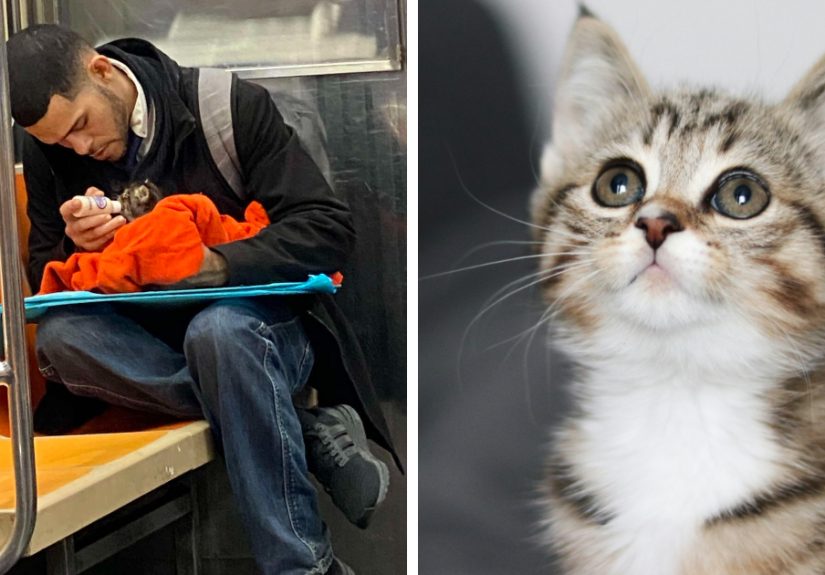
There are two kinds of subway rides: the ones where you stare at an ad for laser hair removal like it’s a museum exhibit, and the ones where you accidentally witness something so wholesome it resets your nervous system. One of those “reset” moments has been making the rounds online: a guy calmly bottle-feeding a tiny kitten on the subway, bundled up like a burrito, while the train rattles along like it has somewhere better to be.
The internet did what the internet does. Comments poured in: “faith in humanity restored,” “sir, this is illegal levels of cute,” and the classic, “why am I crying on a Tuesday?” But underneath the memes and heart emojis is a real reason this scene hits so hard: bottle-feeding isn’t casual petting. It’s a full-time, sleep-deprived, alarm-set-for-3-a.m. commitment. Seeing that level of care happening in the middle of rush-hour chaos feels like finding a soft blanket in a world made of metal poles.
Why This Subway Moment Broke the Internet (In a Good Way)
The subway is basically a moving box of “everyone minding their own business.” That’s the social contract. So when someone breaks the contract for kindnessgently feeding a vulnerable animal instead of scrolling, performing, or posturingit stands out. The contrast is everything: hard city, soft kitten; loud train, quiet focus; “don’t make eye contact” culture, and then… a tiny creature being cared for like it’s the most important thing in the car. Because to that kitten, it is.
Psychologically, it checks a bunch of boxes that make humans collectively go “Aww” in unison: caregiving behavior, protection of something small, and a visible sign of responsibility. It’s not just cuteit’s competence. And the internet, despite its many flaws, still loves competence wrapped in compassion.
What Bottle-Feeding Tells You About the Kitten
Here’s the not-so-obvious part: if a kitten is being bottle-fed, it’s usually very youngoften too young to eat solid food, regulate body temperature well, or even go to the bathroom without help. In other words, that kitten isn’t just “a cute passenger.” It’s a tiny life in a critical window where small mistakes (too cold, wrong milk, wrong feeding position) can quickly become emergencies.
That’s why the scene is so powerful. A person bottle-feeding a kitten in public isn’t showing off a quirky hobby. They’re showing up for a fragile animal with needs that don’t care about your commute, your meetings, or your “I’ll do it later” tendencies. Kittens don’t do “later.” They do “now,” every few hours, with dramatic urgency.
The Basics: How Bottle-Feeding Works (And Why It’s Not as Simple as It Looks)
If you’ve never cared for an orphaned kitten, think of bottle-feeding as a three-part routine: warmth, food, and aftercare. Miss one, and you’re not really done. Shelters and neonatal kitten caregivers repeat the same mantra for a reason: a cold kitten should be warmed before feeding, and feeding technique matters because tiny lungs do not forgive sloppy milk flow.
1) Warmth Comes First
Very young kittens can’t hold their body temperature like adult cats can. If a kitten is chilled, feeding can be dangerous. A responsible caregiver focuses on warming the kitten graduallysnug towel, safe heat source, and an environment that lets the kitten move away from heat if it gets too warm. This is why you’ll often see a kitten wrapped up like a pocket-sized burrito. That’s not just for cuteness; it’s temperature management.
2) The Only “Milk” That Makes Sense
Let’s say this clearly for the people in the back: newborn kittens should not be given cow’s milk. Not “just a little.” Not “but my grandma did it.” Kittens need a proper kitten milk replacer formula. Human baby formula isn’t the same thing, and random dairy can cause gastrointestinal upset and dehydrationtwo things babies do not need more of.
3) Position and Flow: The Anti-Aspiration Rule
Kittens should be fed belly-down in a natural nursing posturenever on their backs like a human baby. The goal is slow, controlled suckling. If milk is forced too quickly (squeezing the bottle or using a nipple with an overly large hole), it can enter the airway. You might see milk bubbling from the nose if things are going wrong, and that’s a “pause and reassess” moment. Safe bottle-feeding looks calm, steady, andyeskind of boring. Boring is good. Boring is safe.
4) Frequency and Amount: Tiny Stomachs, Big Schedules
Feeding frequency depends on age and weight, but the theme is consistent: very young kittens eat small amounts often. Caregivers typically track weight daily, monitor appetite, and adjust feeding amounts based on growth and stool quality. This is why experienced fosters keep logsbecause it’s easier to spot trouble early when you have numbers, not vibes.
A practical rule of thumb used in many foster programs is to feed based on body weight and to watch for steady weight gain. If a kitten isn’t gaining, is lethargic, has diarrhea, or struggles to latch and swallow, that’s not a “wait and see” situation. That’s a “call a vet or a shelter medical team” situation.
5) The Part People Forget: Burping, Cleaning, and Bathroom Help
After feeding, kittens often need gentle burping (yes, like tiny furry humans) because they can swallow air. They also need their faces wiped cleanformula left on fur can irritate skin. And if the kitten is under roughly 3–4 weeks old, they may need stimulation to pee and poop, using a warm, damp cloth. It sounds weird until you realize: their mom would normally handle that. When humans step in as caregivers, they’re filling in for the whole system.
So… Is Bottle-Feeding a Kitten on the Subway Actually Smart?
“Smart” depends on context. Ideally, a neonatal kitten is fed in a clean, quiet, temperature-controlled space. A subway is none of those things. But life doesn’t always offer ideal conditions, and emergency rescue situations happen. If a kitten truly needs feeding on-the-go, the best caregivers try to reduce risk: keeping the kitten warm, staying calm, feeding in the correct position, and keeping supplies clean.
The bigger point is that the guy in the viral moment wasn’t doing something randomhe was meeting a time-sensitive need. For bottle babies, delaying can mean hypoglycemia or dehydration. When a caregiver is doing the routine anywheresubway, car, waiting roomit usually means they’re prioritizing the kitten’s schedule over comfort. That’s inconvenient kindness. The internet can feel it.
If You Witness This in Real Life: What Should You Do?
First, don’t turn it into a public trial. A person caring for a tiny animal in public may be on their way to a shelter, a veterinary appointment, or home to a proper setup. If you want to help, keep it simple and respectful:
- Offer practical support: “Do you need a hand?” or “Do you have everything you need?”
- Ask before touching: Kittens are fragile, and some rescues are medically sensitive.
- Consider supplies, not selfies: If you have an extra clean towel, hand warmers, or a small box, those are helpful.
- Share local resources: Nearby shelters, rescue groups, or a vet clinicespecially if the person looks overwhelmed.
- Keep your distance if asked: Some caregivers protect kittens from germs and stress.
And yes, you can still quietly enjoy the moment. Just don’t dox the caregiver or turn them into a character in your content universe. Kindness doesn’t require an audience to be real.
What To Do If You Find a Kitten “Alone”
Not every solo kitten is an orphan. Sometimes mom is nearby hunting or hiding. Many animal welfare groups advise observing first (from a distance) if it’s safe, then contacting a shelter or rescue for guidance. If the kitten is cold, crying nonstop, visibly injured, or in immediate danger, intervention may be necessary. But the goal is always the same: get the kitten warm, assessed, and connected to professional help as soon as possible.
If you do have to step in, remember the essentials: keep the kitten warm, avoid feeding inappropriate milk, and contact a local shelter, rescue, or veterinarian for next steps. Neonatal kittens are fragilefast action matters, but the right action matters more.
Why Netizens Keep Sharing Stories Like This
Online culture is allergic to sincerity… until it isn’t. Animal rescue moments slip past our defenses because they’re simple: a small creature needs help; a human helps; the world becomes 1% less bleak for 20 seconds. In a time when so much content is outrage, conflict, or hot takes, a quiet act of caretaking becomes a kind of emotional palate cleanser.
It also challenges stereotypes. Compassion isn’t assigned to a gender or a personality type. A guy bottle-feeding a kitten on the subway is a reminder that nurturing can look like anybodyand that’s part of why people love it.
FAQ: Quick Answers People Always Ask
Can I give a kitten cow’s milk if that’s all I have?
It’s strongly discouraged. Cow’s milk isn’t nutritionally appropriate for neonatal kittens and can cause digestive issues. If you’ve found a kitten, focus on warmth and contacting a shelter or vet for proper guidance and supplies.
How often do newborn kittens need to eat?
Very young kittens typically need frequent meals throughout the day and night. Exact schedules depend on age, weight, and health status, which is why foster programs emphasize weighing and monitoring closely.
When can kittens start eating wet food?
Many kittens begin transitioning (weaning) around a few weeks of age, gradually moving from formula to slurry and then to kitten food. The timeline varies, so it’s best to follow guidance from a veterinarian or an experienced foster program.
Is it safe to bottle-feed a kitten in public?
It’s not ideal, but it can be done carefully if necessary. Keeping the kitten warm, feeding in the correct posture, maintaining clean supplies, and minimizing stress are key.
Conclusion
The viral subway kitten moment isn’t just a cute clipit’s a snapshot of responsibility. Bottle-feeding is hands-on, time-sensitive care that requires patience, knowledge, and a willingness to be mildly inconvenienced for someone who can’t repay you (unless you count purring, which is basically emotional currency).
If you ever see a person feeding a kitten on the go, it’s okay to feel your heart melt. Just remember: behind that soft little face is a serious routinewarmth, proper formula, safe feeding technique, and aftercare. The internet loves the sweetness. The kitten needs the follow-through.
Experiences Related to “Guy Bottle-Feeding a Kitten on the Subway” (About )
People who foster neonatal kittens often describe their first “public feeding” as the moment they realized how invisible the work can beuntil it suddenly isn’t. One foster caregiver shared that they once had to feed a two-week-old kitten in the back seat of a parked car outside a pharmacy, because the kitten’s schedule didn’t care that the caregiver ran out of formula and needed a quick restock. The funny part? The caregiver was sweating like they were defusing a bomb, while the kitten acted like this was room service and demanded faster delivery. That’s the reality: the smaller the kitten, the bigger the attitude.
Another common experience from rescue volunteers is the “unexpected helper” phenomenon. In crowded placestrain stations, sidewalks, even bus stopssomeone always seems to appear with a clean tissue, a spare scarf, or a gentle suggestion like, “I have hand warmers if you need them.” It’s not dramatic heroism, just small acts stacking into something meaningful. In those moments, the caregiver isn’t performing for attention; they’re trying to keep the kitten warm, calm, and fed. The help that actually matters is quiet: giving space, offering supplies, and not turning the kitten into a selfie prop.
Some commuters recall seeing people transport animals on public transit and feeling an instinctive mix of curiosity and concern. One person described watching a kitten wrapped in a towel and immediately thinking, “Is it warm enough?” That’s a surprisingly common reaction among people who have raised bottle babies: you start scanning for signs of chill, dehydration, or stress the way other people scan for delays on the platform screen. Care changes what you notice.
Then there’s the emotional side. Many fosters talk about how bottle-feeding reshapes their sense of time. Your day stops being “morning/afternoon/night” and becomes “before feeding/after feeding/next feeding.” Doing that routine in publicon a commute, between appointments, or while waiting for a ridecan feel oddly vulnerable. You’re holding something fragile, and you know one mistake (feeding too fast, letting the kitten get chilled, skipping aftercare) can have consequences. So you get very focused. That focused calm is often what bystanders pick up onthe tenderness isn’t loud, it’s deliberate.
Finally, there’s the part the internet rarely sees: the long game. People who have raised bottle babies remember the first time the kitten finally laps from a dish, the first wobbly litter box attempt, the first confident play pounce. Those milestones don’t go viral. But they’re the payoff behind every “guy bottle-feeding a kitten on the subway” moment: a person deciding, again and again, to keep showing up until a tiny life can thrive on its own.