Table of Contents >> Show >> Hide
- So, What’s the Deal With Lemons?
- The Big Truth: Most “Secrets” Are Just Pressure + Volume
- 43 Spicy Industry Secrets (That Make You a Smarter Customer)
- How to Use These Secrets (Without Becoming That Customer)
- Experience Stories: What These Secrets Feel Like in Real Life (500-ish Words)
- Conclusion: Don’t Fear the Lemon—Just Outsmart It
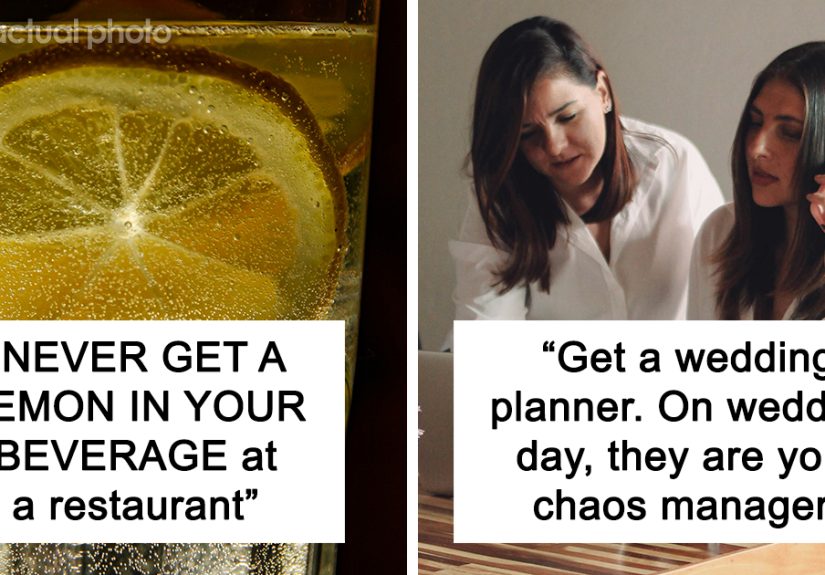
You’ve heard the warning: “Never get a lemon in your beverage.” It gets passed around like a sacred piece of server folklore,
right alongside “don’t wear white on pasta night” and “your kid definitely just ate a crayon.”
But here’s the real tea (served hot, because we’re trying to be responsible): a lot of “industry secrets” aren’t about restaurants being gross.
They’re about restaurants being busy. When a place is slammed, tiny shortcuts can sneak in—especially around garnishes,
ice, and anything that’s handled constantly but doesn’t feel as “serious” as raw chicken.
This article pulls together the most practical, real-world restaurant and bar truths—the kind that help you order smarter, complain less,
and get better food without turning into the dining-room detective who interrogates the waiter like it’s an episode of CSI: Cilantro.
So, What’s the Deal With Lemons?
The lemon warning didn’t appear out of thin air. Citrus wedges are classic “ready-to-eat” add-ons:
no cooking step, lots of handling, and often stored in open garnish trays that get accessed a hundred times a shift.
Even if a kitchen washes lemons, the slicing, storing, and grabbing matters just as much as the rinse.
That doesn’t mean every lemon wedge is a biohazard plotting your downfall. It means lemons are a high-touch item,
and high-touch items are where hygiene systems either shine… or quietly squeak by.
If you want the flavor without the gamble, ask for lemon on the side and squeeze it yourself.
The Big Truth: Most “Secrets” Are Just Pressure + Volume
In food service, safety and quality depend on routines: handwashing, clean tools, correct temperatures, and not cross-contaminating everything in sight.
The problem is that peak hours can turn a clean routine into a chaotic juggling act. The best-run places build systems to handle that.
The worst-run places rely on luck, vibes, and a prayer whispered into the walk-in fridge.
With that in mind, here are the spicy truths people in the industry share—translated into something you can actually use as a customer.
43 Spicy Industry Secrets (That Make You a Smarter Customer)
Drink, Bar, and Beverage Secrets
- Lemon and lime wedges are high-touch. They get grabbed fast; ask for citrus on the side and squeeze it yourself.
- Garnish trays tell you a lot. Covered, chilled, and tidy usually means the bar runs a tight ship.
- Ice is food, not decor. It should be scooped with a clean scoop—not a glass, not a hand, not “whatever works.”
- Soda nozzles can get funky. If your cola tastes like “old pennies and regret,” the nozzle may need cleaning.
- Soda guns need real maintenance. They’re fast, sticky, and easy to neglect—which is why good bars clean them religiously.
- Sweet drinks reveal cleanliness. Syrups and sugars leave residue; if the bar is sloppy, you’ll taste it first in sweet sodas.
- “Fresh-squeezed” has a wide definition. Sometimes it means “squeezed earlier today” (fine), sometimes “not from a bottle” (still vague).
- Blender drinks are a cleanup test. A great frozen margarita requires a blender that isn’t living its best moldy life.
- Beer quality depends on line care. If every draft tastes flat or sour, it might not be the beer—it might be the lines.
- House wine can be humble. Plenty of restaurants use boxed or bulk wine for speed and consistency—not always bad, just not romantic.
- Straws vary by operator. Wrapped straws are safer; open containers of loose straws are a little too “community straw jar” for comfort.
- Water isn’t always neutral. Pitchers get refilled; if you want maximum consistency, order sealed bottled water (or ask for fresh ice-free).
- Hot water comes from somewhere. In some places it’s from a dedicated boiler; in others it’s routed through equipment that affects taste.
- Bar fruit is regulated like food. Many health codes treat garnishes as ready-to-eat, meaning bare-hand contact rules apply.
- The cleanest bars look “boring.” Fewer sticky surprises on surfaces, fewer random fruit piles, more labeled containers—less chaos, better hygiene.
Kitchen, Food Safety, and “How This Actually Gets Made” Secrets
- Temperature control is everything. Food safety lives and dies outside the “danger zone” where bacteria multiply quickly.
- Busy kitchens aren’t always unsafe—but they’re stressed. Watch for basics: clean hands, clean stations, and calm systems.
- “Specials” can be amazing or strategic. Sometimes it’s seasonal brilliance; sometimes it’s “use this before it expires.” Ask what’s good today.
- Soup is the kitchen’s greatest remix. Often built from roasted bones, veg trim, and yesterday’s good ingredients—which can be delicious when done right.
- Salads are deceptively high-risk. There’s no kill step; cleanliness, cold holding, and hand hygiene matter more than your crouton preference.
- Cut fruit needs respect. Once cut, fruit behaves like a ready-to-eat product: time and temperature start mattering fast.
- Buffets are a trade: variety for control. More hands touch shared tools; choose hot items that are steaming and cold items that are truly chilled.
- Allergen cross-contact is real. Even if an ingredient isn’t in your dish, the same tools and surfaces might touch it.
- Gloves aren’t magic. Gloves only help when they’re changed often; dirty gloves are just “reusable hands.”
- Cutting boards and knives tell the story. Color-coded systems and clear separation reduce cross-contamination dramatically.
- Dishwashers sanitize when used correctly. Proper temperature/chemistry matters; rushed cycles can mean “looks clean” instead of clean.
- If the restroom is neglected, be cautious. It’s not a perfect test, but poor public-area hygiene can reflect back-of-house habits.
- Raw oysters and sushi are special cases. Safe sourcing and strict temperature control are non-negotiable—order them at places known for it.
- Rare burgers depend on process. Whole cuts can be seared safely; ground beef needs more caution unless the grind and handling are controlled.
- “Made to order” doesn’t always mean slow. Some items are par-cooked or prepped ahead (normal); the question is whether holding is done safely.
Menu, Pricing, and Service Secrets
- Menus are designed to steer you. Price anchors, boxed items, and placement are psychology, not coincidence.
- The “medium” is often the decoy. Many menus size prices to nudge you to the most profitable option.
- “Market price” isn’t a prank. It’s usually tied to real supply swings; asking for the price is normal and smart.
- “Handcrafted” is a vibes word. Look for specifics: “house-made sauce,” “in-house smoked,” or named farms and producers.
- Unlimited refills aren’t free. The cost is baked into pricing; restaurants gamble on average consumption.
- Delivery changes food physics. Fries steam themselves sad; crispy foods soften; sauces split. Pick up if you want peak quality.
- The kitchen runs on timing math. Ordering multiple modifications during peak rush increases error risk (and stress). Save complex orders for slower times.
- Servers are information gold. Ask, “What are you excited about right now?” You’ll get a fresher answer than “What’s popular?”
- Closing time is not a suggestion. Many kitchens start shutting down early; the best move is to order well before the final hour.
- Some items exist for consistency. Chains and busy spots rely on standardized components so your meal is predictable, not necessarily artisanal.
- Complaints land better with specifics. “My chicken is undercooked” gets action. “This is disgusting” gets defensive silence.
- Kindness gets you the best version of everything. Not because staff should be bribed with manners, but because humans do better work when treated like humans.
- The biggest secret: most staff want you happy. The goal isn’t to “win” against the restaurant—it’s to collaborate your way to a great meal.
How to Use These Secrets (Without Becoming That Customer)
The power move isn’t paranoia—it’s simple, polite control.
Here are a few easy scripts that protect your stomach and your reputation:
- If you love lemon: “Could I get lemon on the side, please?” (You get flavor; you reduce high-touch handling.)
- If you’re cautious about ice: “No ice, please.” (Also: you get more drink. Math wins again.)
- If you have an allergy: “I have a shrimp allergy—can you note it and help me choose something safer?” (Direct and actionable.)
- If something tastes off: “This soda tastes a bit stale—could I swap it for another?” (You’re describing the issue, not accusing.)
- If you want the freshest item: “What’s been coming out great tonight?” (Staff usually knows what’s turning fast.)
Also: judge systems, not single moments. One rushed bartender isn’t proof of doom.
But a pattern of sticky surfaces, sloppy tools, and general chaos? That’s your sign to keep it simple, skip the garnish,
and pick cooked, hot items instead of delicate raw add-ons.
Experience Stories: What These Secrets Feel Like in Real Life (500-ish Words)
Picture a Friday night at 7:18 p.m. The dining room is full, the bar is three people deep, and the kitchen printer is spitting tickets like it’s auditioning for a confetti cannon.
This is the exact moment when “industry secrets” are born—not because the staff suddenly forgets hygiene,
but because everyone is trying to do twelve jobs in one body while smiling like it’s totally fine.
At the bar, the garnish tray is the tiny command center of chaos. Someone orders a vodka soda with lime. Then a water with lemon.
Then a margarita with a salt rim and extra lime. The bartender is moving fast—grab, slice, drop, shake, pour, repeat.
If that tray is covered and chilled, it’s a beautiful thing: a clean system that supports speed. If it’s uncovered and sticky,
it becomes a magnet for the little mistakes nobody wants to make: a bare-hand grab here, a wedge that falls back into the tray there,
a quick “I’ll wash my hands in a second” that gets delayed by the next seven drink orders.
Now zoom into the soda station. In a calm moment, cleaning a nozzle and wiping the spout is easy.
In the rush? It’s tempting to focus on what customers see: refilling ice, swapping syrup, restocking cups.
Meanwhile, the tiny parts that actually touch your drink—the nozzles and diffusers—are out of sight,
and out of sight can become out of mind. That’s how you get a soda that tastes like it remembers 2019.
In the kitchen, the pressure is different. The line cook isn’t thinking about lemons—they’re thinking about keeping chicken hot,
keeping salads cold, avoiding cross-contact, and getting plates out before table 12 starts Googling “how long should steak take”.
The best kitchens look almost boring under pressure: labeled pans, clean towels, clear roles, and someone who actually says,
“Hands!” when the pace gets risky. The messy kitchens feel like constant improvisation: unlabeled containers,
one cutting board doing the work of five, and a lot of “it’ll be fine.”
And then there’s you, the customer, just trying to have a nice night. You don’t want to stress about ice scoops.
You want your drink, your meal, and a reason to laugh. That’s why the most useful takeaway isn’t “restaurants are dirty”—it’s
“I can order in a way that reduces risk without ruining my evening.” Lemon on the side. Ice optional. Allergy stated clearly.
Hot foods hot, cold foods cold. And if something feels off, ask for a remake without treating it like a courtroom drama.
The funny part? When you order like a calm, competent adult, you often get treated like one—and your experience improves across the board.
Not because you cracked some secret code, but because you made it easier for a busy team to deliver what they actually want to deliver:
a meal that makes you leave happy (and come back).
Conclusion: Don’t Fear the Lemon—Just Outsmart It
The point of “industry secrets” isn’t to make you suspicious of every ice cube and garnish.
It’s to give you a little behind-the-scenes context so you can make small choices that add up:
order citrus on the side, skip high-touch extras when a place looks stressed, and communicate clearly when safety matters.
Restaurants are built on systems. When the system is strong, your meal is safer and better.
When the system is weak, you don’t need to panic—you just need to keep your order simple and your standards politely firm.