Table of Contents >> Show >> Hide
- What “Nonsurgical Body Contouring” Actually Means
- Common Types of Nonsurgical Body Contouring (And What Each Is Best For)
- Who’s a Good Candidateand Who Should Hit Pause
- How to Prepare (Without Overcomplicating It)
- What the Procedure Is Like (Step-by-Step)
- Aftercare and Recovery: What to Expect
- Results Timeline: When You’ll See Changes (And How to Make Them Last)
- Risks, Side Effects, and the Unsexy Truth
- Cost: What Nonsurgical Body Contouring Typically Costs in the U.S.
- How to Choose a Provider (Without Getting Sold a Miracle)
- FAQ
- Real-World Experiences (Longer, Honest, and Actually Useful)
- Conclusion
Nonsurgical body contouring is what happens when modern technology looks at stubborn pockets of fat, mild skin laxity, or “I work out but my core still won’t RSVP” areas and says,
“We can help… without a scalpel.” These treatments can be a great option for people who want subtle, targeted changes with minimal downtime. They can also be a disappointing option
for anyone expecting a full-body “new you” reveal in a single lunch break. (Science is powerful, but it’s not a fairy godmother.)
In this guide, you’ll learn what nonsurgical body contouring can and can’t do, how to prepare, what a typical appointment feels like, and what costs look like in the U.S.
You’ll also get a longer “real-life experiences” section at the endbecause brochures are optimistic, and people are… people.
What “Nonsurgical Body Contouring” Actually Means
Nonsurgical body contouring is a category of in-office treatments designed to improve body shape without incisions. Depending on the device (or injectable), it may target:
fat reduction (spot reduction), muscle toning, cellulite appearance, and/or skin tightening.
The key idea is contouring, not weight loss. Many approaches work best for people who are already near their stable, comfortable weight but have localized areas that don’t respond
the way they’d like. If your goal is meaningful weight loss, these treatments are usually the wrong tooland an expensive one at that.
Common Types of Nonsurgical Body Contouring (And What Each Is Best For)
Clinics sometimes bundle these options under “body sculpting.” That’s fine, as long as you know what’s being sculpted: fat cells, skin collagen, and/or muscle contractions.
Here’s the practical breakdown.
1) Fat reduction treatments
Cryolipolysis (fat freezing)
Fat freezing uses controlled cooling to target fat cells beneath the skin. Over the following weeks, the body gradually clears the treated fat cells. You’ll usually see the biggest
changes after a couple of months, not a couple of days.
Good for: Pinchable fat bulges (abdomen, flanks, thighs, under-chin in some cases).
Not ideal for: Loose skin as the main concern, or people with certain cold-sensitivity conditions.
Reality check: It’s typically a modest spot reductionoften described as a percentage reduction in the treated layer, not “inches melted everywhere.”
Laser lipolysis (heat-based fat reduction)
Laser-based body contouring uses heat to damage fat cells in targeted zones. Sessions tend to be shorter than fat freezing, and people often describe a warming sensation.
Results appear gradually over weeks.
Good for: People who prefer heat-based approaches, certain smaller areas, and those who want minimal downtime.
Not ideal for: Expecting dramatic changes from a single session.
Radiofrequency (RF) fat reduction
RF can be used in different ways depending on the device: some aim at fat reduction, some aim at skin tightening, and some do both. It uses controlled heat and often requires
multiple sessions to build results.
Good for: People who are okay with a treatment “series” and want gradual improvement.
Not ideal for: Anyone who wants one-and-done results.
Ultrasound-based fat reduction
Some ultrasound devices use focused energy (sound waves) to disrupt fat cells. Treatment counts vary by device, area, and goals.
Injectables for submental fat (under the chin)
Injectable fat reduction for the area under the chin uses a medication that breaks down fat cells over a series of treatments. The tradeoff is that swelling can be significant for
a few daysso it’s “nonsurgical,” but not necessarily “nobody will notice.”
Good for: Submental fullness (the “double chin” area) when skin elasticity is decent.
Not ideal for: Loose skin as the main issue, or anyone expecting a quick, subtle recovery.
2) Muscle toning treatments
Electromagnetic muscle stimulation (sometimes paired with RF)
These treatments use high-intensity energy to trigger powerful muscle contractionsfar more than most people can voluntarily do in the same time. Some versions also add RF heat
to address fat at the same time.
Good for: People seeking improved muscle tone in areas like abdomen or glutes, especially when paired with a consistent fitness routine.
Not ideal for: Anyone wanting a replacement for strength training or expecting visible “abs” without lifestyle factors.
3) Skin tightening and texture treatments
Radiofrequency skin tightening
RF skin tightening uses controlled heat to stimulate collagen remodeling. Results build gradually, and many people need a series. It can be used on the face, neck, and body,
depending on the device.
Good for: Mild to moderate laxity, crepey texture, or early “softness.”
Not ideal for: Significant skin excess that would normally require surgery for a big change.
Micro-focused ultrasound skin tightening
Ultrasound skin-tightening devices deliver energy at specific depths to prompt collagen rebuilding over time. These are often positioned as “lift without surgery” options, but
the lift is typically subtle and gradual.
Who’s a Good Candidateand Who Should Hit Pause
A good candidate usually has: (1) a stable weight, (2) a specific, localized goal, and (3) realistic expectations about subtle-to-moderate change.
Good signs you might be a fit
- You want to address a small area that doesn’t respond to your normal routine.
- You can commit to a series if the method requires it.
- You understand results are gradual, not instant.
- You’re okay with “improvement” rather than “total transformation.”
Reasons to reconsider (or talk carefully with a clinician)
- You want major weight loss or dramatic reshaping.
- You have significant loose skin and want tightness similar to surgery.
- You have an implanted medical device, metal implants, or are pregnant (some treatments are not appropriate).
- You have medical conditions that may increase risk (for example, certain cold sensitivity disorders for fat freezing).
- You’re doing this because you feel pressured, anxious, or “not good enough.” (That’s a mental load worth addressingpreferably before spending thousands.)
If you’re under 18: many practices require parental/guardian consent, and some clinicians may recommend waiting because bodies can still be changing.
A reputable provider won’t rush a minor into cosmetic procedures.
How to Prepare (Without Overcomplicating It)
Preparation is mostly about safety, expectations, and logistics. Your provider should give you specific instructions based on the treatment type. Here’s the general playbook.
1–2 weeks before: set yourself up for a smart decision
- Book a real consultation (not just a sales chat). Ask what technology they use and why it fits your goal.
- Share your medical history, medications, allergies, and any implanted devices.
- Ask about realistic outcomes: what “typical” looks like, not just best-case photos.
- Clarify the plan: number of sessions, spacing, and what “success” means for you.
- Plan your calendar: even “no downtime” treatments can cause temporary swelling, tenderness, or bruising.
48 hours before: reduce avoidable drama
- Hydrate and keep your routine steady. Extreme dieting or last-minute “detox” plans aren’t helpful.
- Avoid sunburn on the area being treated (heat + irritated skin is not a good combo).
- Follow clinician instructions on alcohol, supplements, or medicationsespecially if bruising risk matters for your treatment.
Day of: what to wear and bring
- Wear comfortable clothes that allow easy access to the treatment area.
- Don’t arrive “hangry.” A normal meal is fine unless told otherwise.
- Bring questions, especially about side effects and how to tell normal recovery from “call us now.”
What the Procedure Is Like (Step-by-Step)
Exact steps depend on the technology, but most nonsurgical contouring visits follow a similar structure:
Step 1: photos, measurements, and mapping
Many clinics take baseline photos and mark the treatment area. This is boring in the moment, but helpful laterbecause your brain is terrible at remembering subtle changes
(and lighting is a known liar).
Step 2: the treatment itself
- Fat freezing: an applicator suctions the area; you’ll feel intense cold, then numbness. Many people read, scroll, or nap.
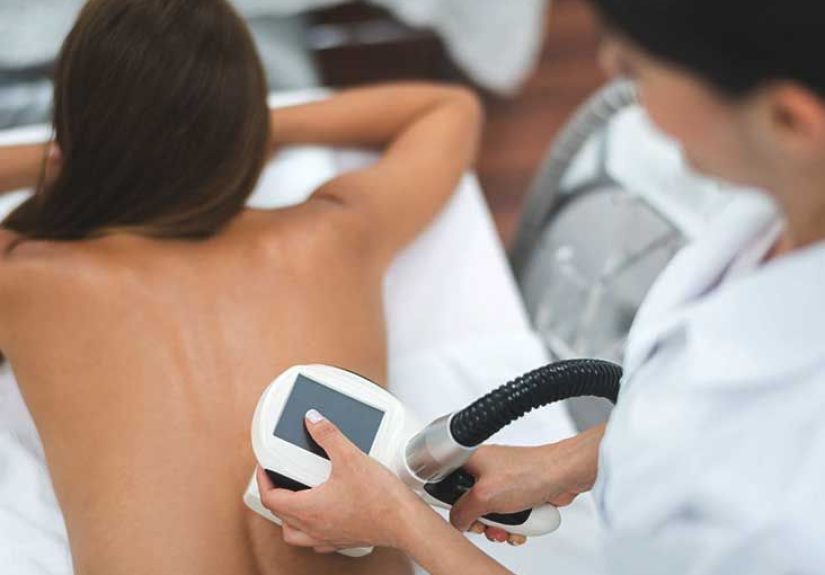
- Heat-based (laser/RF): warming sensations, sometimes mild discomfort; often feels like a hot stone massage that took pre-med.
- Muscle stimulation: strong contractions (weird but tolerable). Expect “wow, my muscles are doing their own thing.”
- Injectables under the chin: multiple small injections; swelling afterward can be notable.
Step 3: immediate aftercare instructions
You’ll typically be told what’s normal (redness, mild swelling, tenderness) and what’s not (severe pain, blistering, symptoms that worsen instead of improve).
Aftercare and Recovery: What to Expect
“No downtime” usually means you can return to normal activity, not that nothing happens. Many people experience temporary changes like:
mild swelling, bruising, redness, soreness, numbness, tingling, or tendernessdepending on the method.
Helpful habits after treatment
- Move normally unless told otherwiselight activity can help you feel better.
- Follow skin instructions (gentle cleansing, avoid irritating products if advised).
- Keep expectations slow: these results build over weeks to months.
- Track with photos taken in the same lighting, pose, and time of day.
When to call your provider
Contact the clinic if you have severe or worsening pain, blistering, signs of infection, new weakness or persistent numbness beyond what you were told to expect,
or a firm enlarging lump/bulge months after fat freezing (rare, but important to evaluate).
Results Timeline: When You’ll See Changes (And How to Make Them Last)
Most nonsurgical contouring results are gradual. Depending on treatment type:
- Fat freezing and many fat-reduction methods: visible change often starts in several weeks, with fuller results around 2–4+ months.
- Skin tightening: collagen remodeling can take a few months; series-based treatments build over time.
- Muscle stimulation: some people notice firmness sooner, but bigger changes typically come after a full series.
Results can last, but they’re not “immune” to life. If overall weight changes significantly, untreated fat cells can enlarge. Think of these procedures as editing a specific
chapternot rewriting the whole book.
Risks, Side Effects, and the Unsexy Truth
Nonsurgical doesn’t mean risk-free. Most side effects are mild and temporary, but each method has its own “watch-outs.”
Common temporary effects
- Redness, swelling, bruising
- Tenderness or soreness
- Numbness or tingling (especially with fat freezing)
- Temporary changes in sensation
Less common but important risks
- Burns or blistering (typically from improper settings, poor technique, or skin vulnerability)
- Nerve irritation (rare, but possible depending on area and method)
- Paradoxical fat growth after fat freezing: a rare complication where the treated area can enlarge instead of shrink and may require surgical correction
- Significant swelling after injectable submental fat treatment (expected to a degree, but should be monitored)
A reputable provider will discuss these risks upfront, screen for contraindications, and give you clear instructions. If someone dismisses your questions with “It’s totally safe,
don’t worry,” that’s not confidencethat’s avoidance.
Cost: What Nonsurgical Body Contouring Typically Costs in the U.S.
Costs vary widely by city, clinic expertise, equipment, and how many sessions you need. Also, most cosmetic body contouring is not covered by insurance.
One national professional survey of board-certified plastic surgeons reports an average surgeon fee around $1,157 for nonsurgical fat reduction, but your real-world total
may be higher because plans often involve multiple sessions or multiple areas.
Typical price ranges (ballpark estimates)
| Treatment type | Common pricing structure | Typical U.S. ranges (approx.) | Often needs a series? |
|---|---|---|---|
| Fat freezing | Per applicator, per area, or bundled plan | $700–$1,500+ per session/area; multi-area plans often $2,000–$4,000+ | Usually 1–2 sessions per area |
| Laser fat reduction | Per session or small bundle | $1,400–$2,500+ per session/area (varies by device and area) | Sometimes |
| RF fat reduction | Per session (often packaged) | $300–$900+ per session | Often (4–10 is common) |
| Muscle stimulation | Series pricing (often 4 sessions) | $750–$1,500 per session; series often $3,000–$6,000 | Yes |
| RF skin tightening | Per session or device-based single treatment | About $600–$1,400 commonly; some premium devices can be higher | Depends on device |
| Ultrasound skin tightening | Per treatment area | $600–$4,000 (depending on area size and energy used) | Often 1, sometimes more |
| Injectable fat reduction (under chin) | Per session (vials used affect price) | Commonly $1,200–$3,200 per session; many need multiple sessions | Often 2+ |
What drives the final price
- Area size and number of areas: abdomen + flanks costs more than a small chin area.
- Sessions required: series-based treatments add up quickly.
- Provider expertise: experienced clinicians may cost moreand can be worth it for safety and outcomes.
- Geography: major metro pricing is often higher.
- Device type: newer or premium technologies can cost more.
A concrete cost example
Imagine you want modest improvement in your lower abdomen and flanks. A clinic may recommend:
(1) two fat-freezing sessions per area or (2) a heat-based fat reduction plan plus RF tightening.
If each treated area averages $900–$1,500 per session and you’re treating multiple zones, you can land in the
$2,500–$5,000+ range quicklybefore adding optional “maintenance” or additional sessions.
How to Choose a Provider (Without Getting Sold a Miracle)
The best provider is the one who can say “no” to you when appropriate. Look for:
- Credentials: board certification in dermatology or plastic surgery, or a clinician working directly under that supervision.
- Device transparency: they can explain why a specific method fits your goal.
- Clear expectations: they discuss realistic outcomes, side effects, and timelines.
- Safety screening: they ask about medical history, implants, pregnancy status, and skin health.
- No pressure: “Sign today for 40% off or your fat cells win” is not a medical vibe.
FAQ
Is nonsurgical body contouring permanent?
Many fat-reduction methods permanently remove some fat cells in a treated area. However, remaining fat cells can enlarge with weight gain, and untreated areas can change too.
Skin-tightening results may fade over time as collagen naturally changes.
Does it hurt?
Sensations vary: fat freezing can feel intensely cold then numb; heat-based treatments feel warm; muscle stimulation feels like strong contractions.
Most people describe discomfort as tolerable, but “tolerable” is personal.
How many sessions will I need?
This depends on the method and your goals. Some fat-freezing protocols use about 1–2 sessions per area, while RF-based approaches often require more.
Your provider should outline a plan and explain why.
Is it safe?
When performed correctly with appropriate screening, these treatments are generally considered safe, but side effects and rare complications exist.
Choose qualified providers and follow pre- and post-care instructions.
Can I combine treatments?
Many people combine fat reduction with skin tightening, or muscle stimulation with fat reduction. Combining can improve overall contour, but it can also raise total cost.
A good plan prioritizes your primary concern first.
Real-World Experiences (Longer, Honest, and Actually Useful)
Marketing makes nonsurgical contouring look like ordering confidence online: click, treat, glow up, repeat. Real life is usually more subtleand that’s not a bad thing.
Here are experiences people commonly report, in plain language, across different nonsurgical body-contouring options.
1) The consultation is half medical, half emotional.
Many people arrive with a very specific frustration (“This area never changes”) and a vague hope (“I just want to feel better in my clothes”).
A solid consult feels surprisingly grounding: measurements, a discussion of skin elasticity, and a reality check on what a device can do.
The best consults also normalize the fact that bodies are not symmetrical, and that “perfect” is a moving targetespecially when your phone camera keeps changing lenses.
2) The appointment is rarely dramatic.
Fat freezing appointments can feel anticlimactic: you get positioned, the applicator goes on, and then you sit there like a human burrito with Wi-Fi.
Heat-based treatments feel like a warm massage that occasionally reminds you it’s a machine, not a spa therapist.
Muscle-stimulation sessions are the weirdest to describe: your muscles contract hard enough that you may laughnot because it’s hilarious, but because your body is doing something
you didn’t authorize in writing. Most people adapt after the first few minutes.
3) People underestimate “small” downtime.
Even when you can return to work right away, you might feel sore, tender, puffy, or numb. That can be annoying if you scheduled a beach weekend or a big event right after.
With injectable under-chin fat treatment, swelling can be the headline. People often say the first week is the hardest because it looks like things got worse before they get better.
Planning your calendar around that reality is one of the smartest moves you can make.
4) Results don’t arrive on your schedule.
The most common frustration is timing. Many people check the mirror daily for the first two weeks, then feel disappointed.
Thensomewhere around weeks 6 to 12they notice their waistband sits differently or photos look slightly improved. This is why consistent “before” photos matter.
Without them, your brain will either (a) swear nothing happened or (b) claim you’re suddenly a different person. Both are unreliable narrators.
5) The best experiences start with realistic goals.
People who enjoy their outcome usually wanted a modest change: smoothing a bulge, tightening mild laxity, improving muscle tone a bit.
People who feel let down often expected surgery-level transformation, or hoped the procedure would fix how they feel about their body overall.
It’s completely normal to want to feel more comfortable in your skin. But if you’re chasing an emotional “finish line,” a device won’t always deliver that.
Some people find it helpful to talk through goals with a trusted clinicianand if body image stress is intense, with a mental health professional too.
6) Cost feelings are real (and should be part of the plan).
A typical experience: someone starts with a promotional price, loves the first session, and then realizes the “recommended series” is a whole new number.
It’s not wrong to invest in yourself, but it’s smarter to ask for the full plan cost upfront. Many people report greater satisfaction when they budgeted realistically,
rather than feeling pressured into “just one more” add-on. The most confident patients are often the ones who can say, “Not this month,” without guilt.
7) Maintenance is a vibe, not a punishment.
People often describe “maintenance sessions” as optional tune-upsespecially for skin tightening or muscle toning.
The healthiest mindset is: maintain your results because you like them, not because you’re afraid of changing.
Bodies fluctuate. That’s normal. Your worth doesn’t depend on staying frozen in a single “after” photo forever.
Conclusion
Nonsurgical body contouring can be a practical, lower-downtime option for targeted improvements in fat bulges, mild skin laxity, and muscle toneespecially when expectations are realistic.
The best outcomes come from a thoughtful plan: pick the right method for your goal, prepare like a responsible adult (hydration counts), and budget for the full series if needed.
Most importantly, choose qualified providers who prioritize safety and honesty over hype.