Table of Contents >> Show >> Hide
- What Makes Nursery Rhymes “Equalizers,” Not Just Earworms?
- The Brain Loves a Good Rhyme (And So Does Reading)
- A Tiny History Lesson: From Oral Tradition to “Mother Goose”
- How Nursery Rhymes Level the Social Playing Field
- When a Rhyme Needs a Tune-Up
- How to Use Nursery Rhymes Like a Pro (Without Becoming “That” Parent)
- of “Real-Life” Moments: Where the Equalizer Shows Up
- Conclusion: A Tiny Anthem for Everybody
- SEO Tags
Nursery rhymes are basically society’s smallest shared password. If you’ve ever watched two strangers’ toddlers lock eyes across a waiting room and suddenly collaborate on “Itsy Bitsy Spider” like they’re launching a startup, you’ve witnessed it: instant connection, no resumes required.
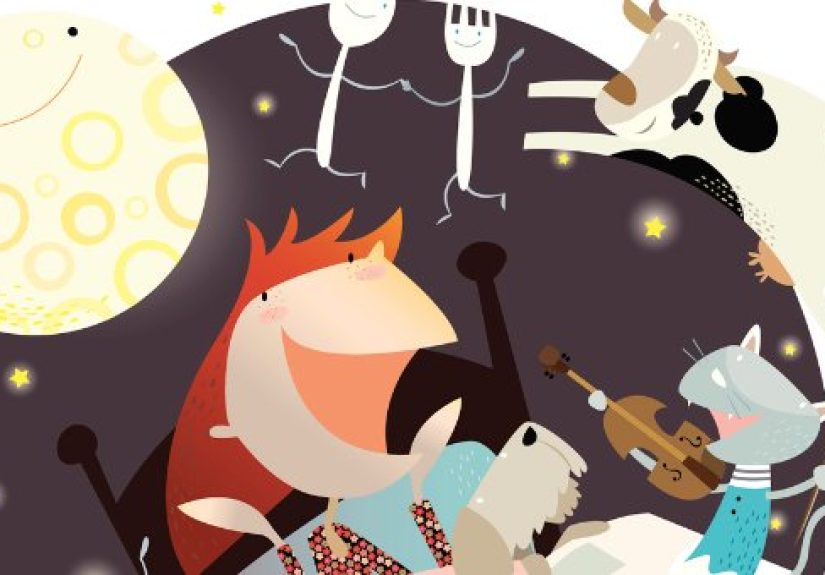
That’s why nursery rhymes can act as a social equalizer. They’re cheap (free), portable (no batteries), and wildly democratic (everyone gets a verse). And underneath the sillinesswalls, spiders, sheep, and suspiciously athletic little pigsthere’s real developmental work happening: language, rhythm, early literacy, memory, and social bonding.
What Makes Nursery Rhymes “Equalizers,” Not Just Earworms?
They’re low-cost cultural capital
Books, tutors, fancy appsthose can be unevenly distributed. Nursery rhymes are different. They travel by voice: grandparents, older siblings, daycare teachers, librarians, neighbors, and the occasional babysitter who only knows three songs but sings them like it’s a stadium tour.
Because they’re short and repeatable, rhymes are one of the rare “learning tools” that don’t require money, screens, or specialized supplies. A caregiver can use the same rhyme during diaper changes, bus rides, bath time, or grocery linesanywhere life forces you to wait.
They create instant belonging
There’s a quiet magic in a shared repertoire. In a classroom, on a playground, or in a library storytime, knowing the rhyme means you can join the group. You don’t need perfect pronunciation. You don’t even need the “right” wordskids substitute and remix constantly. What matters is participation.
They’re social by design
Many rhymes are built for call-and-response (“Old MacDonald”), turn-taking (“This Little Piggy”), movement (“Head, Shoulders, Knees, and Toes”), or group timing (clapping games). They don’t just teach words; they teach how to be with other humanswhich, honestly, is the hardest subject.
The Brain Loves a Good Rhyme (And So Does Reading)
Rhythm and rhyme train the ear for language
Nursery rhymes exaggerate the features of speech: beats, syllables, repeated sounds, and predictable endings. That predictability helps children hear patterns in spoken language a key stepping stone toward reading. When a child can anticipate “…you can’t catch me, I’m the gingerbread man,” they’re practicing sound awareness, not just showing off.
Phonological awareness: the sneaky superpower
“Phonological awareness” sounds like a term invented to scare parents, but it’s simple: noticing and playing with the sounds in words (rhymes, syllables, beginning sounds). Rhymes are a friendly gym for that skill. They slow language down, highlight sounds, and invite kids to manipulate themswap a word, fill in a blank, make a new silly rhyme.
Research has found strong links between early nursery rhyme knowledge and later phonological skillsand those skills are connected to later reading and spelling success. Translation: the child who insists on repeating “Hickory Dickory Dock” for the 600th time may be doing legitimate prep work for literacy.
Memory, prediction, and confidence
Rhymes are short enough to master and structured enough to remember. That matters socially: when kids can “perform” somethinga rhyme, a chant, a fingerplaythey gain confidence in public participation. A child who may not speak much in free conversation often jumps into a shared rhyme because it’s safe: the script is already written.
A Tiny History Lesson: From Oral Tradition to “Mother Goose”
Old words, new mouths
Nursery rhymes are old, but their real power is how they survive: passed down, adapted, cleaned up, made weirder, made funnier, and occasionally given new hand motions that look like interpretive dance designed by toddlers.
Mother Goose: brand manager of bedtime
In English-speaking culture, “Mother Goose” became the umbrella name for traditional children’s verses. The label was tied to early published collections in the late 1700s, and the tradition crossed the Atlantic into American print culture soon after. Some legends claim Mother Goose was a real Boston woman; reputable reference sources note there’s no evidence for that story, but the legend persists because humans love a good origin mythespecially if it includes a goose.
How Nursery Rhymes Level the Social Playing Field
They’re accessible across education levels
You don’t need to be “good at teaching” to sing a rhyme. In fact, many early-childhood experts emphasize that infants and toddlers don’t care about vocal talent. They care about attention, rhythm, and connection. This is fantastic news for everyone whose singing voice has been compared to a malfunctioning blender.
Libraries: the equalizer’s headquarters
Public libraries are one of the most powerful (and underestimated) engines of early literacy in the U.S. Storytimes often use the same core practicestalking, singing, reading, writing, and playingto help families build literacy habits without needing expensive programs. Libraries also normalize participation: caregivers see other caregivers singing along, which makes it feel less awkward to do it at home.
In many communities, library programming reaches families who may have fewer resources or less access to early childhood supports. When everyone is clapping to the same beat, the economic differences in the room matter less than the shared moment.
Rhymes support multilingual and multicultural belonging
Nursery rhymes can be a bridge for dual-language learners. Music helps reduce barriers because it invites participation before full language mastery. Some early-education research and practice guidance encourages classrooms to involve familiestranslate songs, invite caregivers to teach a familiar rhyme, and create a soundtrack where multiple languages are normal. The result: a child’s home language becomes an asset, not an obstacle.
They teach social timing (the unspoken rulebook)
A rhyme isn’t just words; it’s timingknowing when to pause, when to jump in, when to clap, when to laugh. That timing is social competence in miniature. Kids learn to synchronize with others, to wait their turn, and to share attention. Group singing and rhythmic activities are also associated with feelings of closeness and bonding, which helps explain why a room of strangers can feel like a community after three songs and one enthusiastic “Wheels on the Bus.”
When a Rhyme Needs a Tune-Up
Yes, some old rhymes are… a choice
Let’s not pretend every classic rhyme is perfect. Some include outdated stereotypes, weird violence, or references that don’t land well in modern classrooms. The goal isn’t to “cancel” childhoodit’s to be thoughtful. If a rhyme makes you wince, you have options: swap a word, pick a different version, or choose a more inclusive rhyme.
Keep the pattern, update the content
The educational value is in the rhythm, rhyme, repetition, and interactionnot in preserving every historical detail. A modernized verse that keeps the beat can still deliver phonological practice and social bonding. Think of it as a remix that respects the hook.
How to Use Nursery Rhymes Like a Pro (Without Becoming “That” Parent)
1) Pair rhymes with routines
Routines are basically parenting’s operating system. Attach a short rhyme to a daily taskwashing hands, cleaning up toys, putting on shoes. Kids learn what comes next, and you get a smoother transition. Everybody wins (including your sanity).
2) Do “fill-in-the-blank” like a game show
Pause right before the rhyming word and let your child supply it: “Twinkle, twinkle, little…” (dramatic pause). This turns listening into prediction. Even when children guess wrong, they’re practicing sound expectations.
3) Add movement for memory
Fingerplays and actions make rhymes stick. Claps and taps help kids notice syllables. Marching highlights rhythm. Acting out a rhyme turns it into a tiny drama (and toddlers love drama).
4) Invite multilingual “bonus verses”
If your child hears another language at home, use it. Sing the same rhyme in both languages, or translate just the key repeated line. Consistent patterns help children connect meaning across languages, and it sends a powerful message: your home language belongs here.
5) Use rhymes as a social bridge
Try a rhyme during playdates, at the park, or in family gatherings. Rhymes are social glue because they’re familiar, short, and collaborative. They give children a ready-made way to interact when small talk is still… developing.
of “Real-Life” Moments: Where the Equalizer Shows Up
Picture a library storytime on a rainy Tuesday. The room is a mosaic: a grandparent with a cane, a new parent running on caffeine fumes, a caregiver who’s clearly done this 400 times, and a toddler who believes shoes are optional. The librarian starts with a welcome song. Half the adults mumble like they’re afraid the ceiling will judge them. Then the beat kicks inclap, clap, clapand suddenly the room syncs. Nobody asks who has what job. Nobody checks who drove a new car. For three minutes, the room is just people sharing rhythm, voice, and attention. That’s the equalizer doing its quiet work.
Or take a preschool classroom at drop-off time. One child is crying because separation is hard. Another is trying to explain a dream involving a dinosaur and a scooter. The teacher doesn’t launch into a lecture on emotional regulation. She starts “If you’re happy and you know it…” and changes the verses: “If you’re nervous and you know it, take a breath.” Kids join because it’s familiar. The nervous child doesn’t have to invent language for big feelings; the song lends it. By the end, the room has shifted from chaos to coordinated. Not perfect. But softer. More connected.
Now imagine two kids at a playground who don’t share much language yet. One just arrived in the U.S. The other is a local kid with a superhero backpack and the confidence of someone who has never had to fill out a tax form. They circle each other like friendly cats. Then one starts humming a tune that sounds like “Twinkle, Twinkle.” The other recognizes it, adds the next phrase, and they’re offtwo voices building a bridge out of melody. For a moment, vocabulary gaps shrink. They’re not negotiating grammar; they’re synchronizing.
And then there’s the everyday stuff: the grocery store meltdown that gets defused with “Pat-a-cake” because clapping gives a toddler something to do besides loudly protest the existence of vegetables. The long car ride where “Five Little Ducks” becomes a counting game, then a storytelling contest, then a debate about whether ducks have feelings. The bedtime routine where the same lullaby shows up night after night, not because it’s new, but because it’s knownand knowing something by heart is comforting when you’re small.
These moments don’t look like “education” in the fancy sense. They look like life. But they’re exactly where a social equalizer matters: in the ordinary places where some families have more time, more books, more stability, and more supportand other families are doing their best with less. Nursery rhymes don’t solve inequality. But they do offer something rare: a reliable, joyful tool that almost anyone can use to build language, connection, and confidence. One silly verse at a time.
Conclusion: A Tiny Anthem for Everybody
Nursery rhymes are more than cute noise. They’re compact lessons in sound, rhythm, memory, and communityshared across generations and adaptable across cultures. They help children hear language clearly, practice early literacy skills, and learn how to belong in a group. In a world where so much of childhood can be divided by access, nursery rhymes remain refreshingly universal: free, portable, and powered by human connection. That’s not just nostalgicit’s practical.