Table of Contents >> Show >> Hide
- What Happened During October Prime Day 2025?
- Why Some Prime Day Deals Stayed Live After the Sale
- The Best Types of Leftover Prime Day Deals in October 2025
- How to Shop Prime Day Leftovers Without Getting Tricked
- Was It Better to Shop October Prime Day or Wait for Black Friday?
- Shopping Experiences From the Post-Sale Scramble
- Final Take
October Prime Day 2025 may be officially over, but like glitter after a craft project or a single chip in the bottom of the bag, some leftovers are still hanging around. Amazon’s fall shopping event, better known as Prime Big Deal Days, wrapped up on October 8, 2025, yet a surprising number of deals kept breathing for hours, and in some cases a little longer, after the clock hit midnight.
That is exactly why this October Prime Day 2025 live blog recap still matters. If you missed the main event, there was still value to be found in the aftermath. Not every discount disappeared in a dramatic puff of retail smoke. Some stuck around on Amazon, while others popped up at rival retailers that were clearly not interested in letting Amazon have all the fun. Very generous of them. Completely selfless. Definitely not competitive at all.
For shoppers, the big lesson was simple: the end of Prime Day did not mean the end of Prime Day deals. It meant the start of a messier, more selective, but still rewarding phase where the best bargains were harder to spot and easier to overthink.
What Happened During October Prime Day 2025?
Amazon used its October shopping event to kick off the holiday season early, long before most people were emotionally prepared to hear the phrase “gift guide.” The sale focused on popular categories like tech, home, kitchen, toys, apparel, beauty, and Amazon’s own devices. That lineup was no accident. October Prime Day has become Amazon’s warm-up lap for Black Friday, giving shoppers a reason to buy now instead of waiting until late November.
And buy they did. U.S. shopping coverage in October 2025 was packed with discounts on Apple products, Bose headphones, Kindle e-readers, Echo speakers, robot vacuums, beauty brands, toys, and fall fashion. Deal roundups from major publications kept returning to the same truth: the strongest discounts were not always random impulse-buy nonsense. Plenty were on products shoppers actually wanted, including household staples, travel gear, giftable electronics, and items that had already built up wish-list status months earlier.
In other words, this was not just a sale built on novelty waffle makers and suspiciously cheap phone chargers. It was a serious shopping event with real competition, real urgency, and enough cross-category momentum to feel like a mini Black Friday wearing a fall sweater.
Why Some Prime Day Deals Stayed Live After the Sale
One of the most interesting parts of the October Prime Day 2025 story was what happened after the sale ended. Leftover deals remained live because retailers do not flip every discount off at the exact same second. Some brands extend promotions to clear inventory. Some products are part of ongoing markdown cycles. And some retailers mirror Amazon’s pricing because they would rather match the party than miss it.
That created a useful little shopping window. Shoppers who arrived late could still find discounts on headphones, tablets, speakers, beauty products, kitchen tools, and cleaning gear. The catch was that the post-sale period was far less predictable than the official event. During Prime Day itself, you can browse a giant wave of curated promotions. After the event, you are treasure hunting in retail rubble. The gold is still there, but so are the fake sale signs, the almost-deals, and the products that were cheaper six days ago.
That is why the smartest shoppers did not treat the post-sale phase as a second Prime Day. They treated it as a final sweep: a chance to grab still-discounted items that remained meaningfully below normal pricing without assuming every yellow label was a miracle.
The Best Types of Leftover Prime Day Deals in October 2025
1. Amazon Devices Still Looked Like the Safest Bet
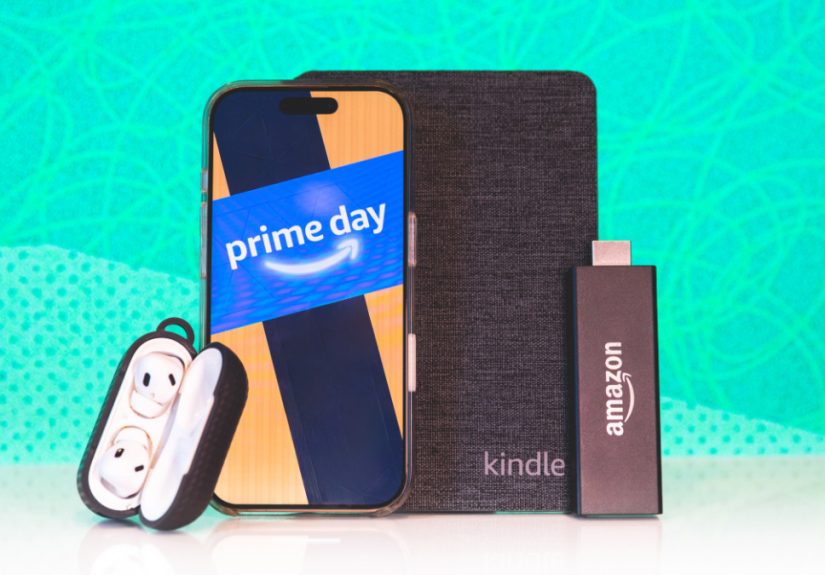
If there was one category that consistently looked strong, it was Amazon’s own hardware. Kindle models, Echo speakers, Fire TV devices, Blink gear, and Fire tablets remained some of the most dependable sale items during and immediately after the event. This is not shocking. Amazon loves discounting Amazon. It is basically retail self-care.
That made leftover deals on devices like the Kindle Paperwhite, Echo Spot, and Fire TV Stick especially attractive. Even when the deepest markdowns began to disappear, these products often stayed near their event pricing. For shoppers wanting holiday gifts, dorm-room upgrades, or budget-friendly smart-home basics, this category offered some of the cleanest value.
2. Apple and Audio Deals Continued to Draw Attention
Apple discounts were another major story, especially on products that people actually buy in multiples or replace regularly. AirPods 4, AirPods Pro 2, AirTags, select iPads, and Apple Watches kept showing up in post-sale coverage, which tells you two things. First, shoppers love Apple deals. Second, shopping editors love writing “this is the lowest price in months” more than most people love their own families.
Audio was also a standout. Bose QuietComfort Ultra headphones, Beats models, and other premium listening gear remained visible in post-sale roundups. This makes sense for seasonal shopping. Headphones are giftable, practical, and easy to justify as a “productivity upgrade” even when they are really just a way to ignore your household while folding laundry.
3. Robot Vacuums and Cleaning Gear Stayed Hot
Cleaning products had a strong showing in October Prime Day 2025, and that energy lingered after the event. Robot vacuums, stick vacuums, carpet cleaners, and handheld cleaners all appeared in leftover-deal coverage. Brands like Dyson, Shark, Roborock, Eufy, and Bissell were frequent repeat players.
This category tends to do well during major sale events because shoppers can immediately understand the value. A robot vacuum is not subtle. It says, “I would like my floor cleaner, but I would also like to stay seated.” When post-sale discounts remained on vacuum and cleaning devices, they stood out as especially useful buys for busy households and early holiday shoppers hunting for practical gifts.
4. Beauty, Kitchen, and Home Essentials Kept Sneaking Through
Not every lingering deal was flashy tech. Beauty and home categories kept plenty of life after the event ended. Coverage highlighted brands like Medicube and Color Wow, showing that skincare and haircare were not just side characters in the sale. These were meaningful traffic drivers, especially for shoppers looking to stock up on repeat-use products rather than splurge on one big item.
Kitchen and home also stayed lively. Editors flagged everything from KitchenAid accessories to choppers, cookware, coffee makers, and bedding. This is where leftover Prime Day deals often become most useful: they help shoppers replace boring but necessary items without paying full price. A discounted chopper may not be glamorous, but neither is crying over onion prep on a Tuesday night.
5. Toys and Fashion Proved the Holiday Season Had Already Started
By early October, retailers were already leaning hard into giftable inventory. That showed up in coverage of toys like Furby, advent calendars, and other kid-friendly finds, as well as fashion deals on UGG boots, Coach bags, and Levi’s jeans. This mattered because October Prime Day was not just about self-shopping. It was about getting ahead of holiday price creep while popular items were still in stock.
For many shoppers, that made the post-sale window surprisingly valuable. Even when the biggest tech deals cooled off, gift-friendly categories still had enough inventory and discount depth to justify a last look.
How to Shop Prime Day Leftovers Without Getting Tricked
The post-Prime-Day period rewards calm shoppers, not frantic ones. The best strategy is to assume that some discounts are real, some are recycled, and some are wearing a fake mustache and pretending to be special. If you want the good deals, use a simple filter.
First, prioritize products you already wanted before Prime Day began. If a Kindle, robot vacuum, or pair of headphones was on your radar in September, a post-sale markdown is worth your attention. If you suddenly feel “called” to buy a countertop cotton-candy machine, that is probably not destiny. That is sleep deprivation.
Second, check price history when possible. A leftover deal is only good if it is genuinely lower than normal, not just lower than an absurd list price nobody pays. This was especially important in 2025 because several commerce editors noted that some of the best values were on older-generation tech rather than the newest releases. That does not make them bad purchases. It just means shoppers needed to know whether they were buying a smart discount or a soon-to-feel-dated compromise.
Third, compare Amazon with Walmart, Best Buy, and Target. One of the clearest themes from the October 2025 coverage was that rival retailers sometimes matched or even beat Amazon on select products. That matters because it expands your options. Maybe Amazon sold out. Maybe the Amazon price expired. Maybe you do not want to sign up for Prime just to save a few bucks. Fair enough. In many cases, the same product family was still discounted elsewhere.
Was It Better to Shop October Prime Day or Wait for Black Friday?
This is the annual shopping question that haunts inboxes everywhere. The honest answer is: it depends on what you wanted.
If you were shopping for Amazon devices, practical home upgrades, early gifts, or products that had already hit historically strong prices, October Prime Day 2025 was absolutely worth shopping. Waiting for Black Friday was not guaranteed to bring better prices, and the October event gave shoppers a head start before stock got weird and shipping timelines became more chaotic.
If, however, you were hoping for the broadest possible range of doorbuster pricing on TVs, luxury electronics, or highly seasonal bundles, Black Friday still had the edge in sheer scale. October Prime Day worked best as a smart early-buying opportunity, not a total replacement for November shopping chaos.
The smartest move was not choosing one event like it was a football team. It was using October Prime Day to lock in excellent prices on the items you knew you needed, then saving Black Friday for anything that was still a maybe.
Shopping Experiences From the Post-Sale Scramble
If you have ever shopped the hours after Prime Day ends, you know the vibe. It is part scavenger hunt, part spreadsheet, part emotional support group. You tell yourself you are “just checking if the AirPods are still discounted,” and twenty minutes later you are comparing robot vacuums like you are defending a doctoral thesis in floor maintenance.
That was the real experience of October Prime Day deals after the sale in 2025. The biggest challenge was not finding deals. It was deciding which lingering discounts were worth acting on before they vanished. Some shoppers were focused on essentials, hunting for practical wins like a stick vacuum, a food chopper, or a discounted coffee maker. Others treated the post-sale window as a last chance to land giftable items before holiday shopping got chaotic. And a large, extremely relatable group simply wandered back in because they regretted not buying that one thing when it was clearly cheaper twelve hours earlier.
There is also a psychological shift after the sale ends. During the event, everything feels loud and urgent. Banners flash, clocks tick down, and your cart starts looking like a survival kit for modern adulthood. After the event, the pace changes. It becomes quieter, but not necessarily easier. The best leftover deals are no longer front and center. You have to know what you are looking for, recognize a real discount, and resist the temptation to treat every markdown as a once-in-a-lifetime event. Spoiler: the dish soap will go on sale again.
Another real-world lesson from October 2025 was that categories mattered. Shoppers seemed happiest when they grabbed products with obvious everyday value. A Kindle for travel. AirPods for commuting. A vacuum that makes life easier. A toy already on a child’s wish list. A pair of boots you planned to buy anyway. Those are the purchases that feel smart after the adrenaline fades. The regrets usually come from novelty buys that made perfect sense at 1:13 a.m. and absolutely no sense in daylight.
The post-sale experience also reminded shoppers that Amazon is no longer the only stage in town. If a price vanished on Amazon, there was often a second chance at Walmart, Best Buy, or Target. That changed the game. Instead of treating Amazon as the sole destination, many shoppers used Prime Day coverage as a market signal. If one retailer cut the price on a popular product, the others often responded. For consumers, that is great news. Competition is beautiful when it saves you money.
In practical terms, the best post-Prime-Day shoppers were the ones who stayed selective. They knew their target categories, compared prices quickly, and acted when a known item hit a strong number. They did not panic-buy. They did not assume every badge meant “lowest price ever.” And they understood a deeply important truth of online shopping: sometimes the best deal is the one you walk away from because you never actually needed a six-pack of LED closet lights in the first place.
So yes, October Prime Day 2025 technically ended. But for patient shoppers with a plan, the afterparty still had snacks.
Final Take
October Prime Day 2025 proved, once again, that Amazon’s fall sale is not a minor side event. It is a major early-holiday shopping moment that can deliver real value before Black Friday ever shows up. More importantly, the aftermath showed that smart shoppers still had opportunities after the official sale ended.
The leftover deals were real, but they rewarded strategy over speed. Amazon devices stayed strong. Apple and audio categories kept attention. Beauty, kitchen, home, toys, and fashion all produced worthwhile post-sale bargains. And cross-retailer matching meant Amazon was not always the only place to save.
If there is one takeaway for future shopping events, it is this: do not assume the clock striking midnight means the bargains are gone. Sometimes the best move is to let the confetti settle, open a few tabs, compare prices like a civilized deal hunter, and strike when the leftovers still taste fresh.