Table of Contents >> Show >> Hide
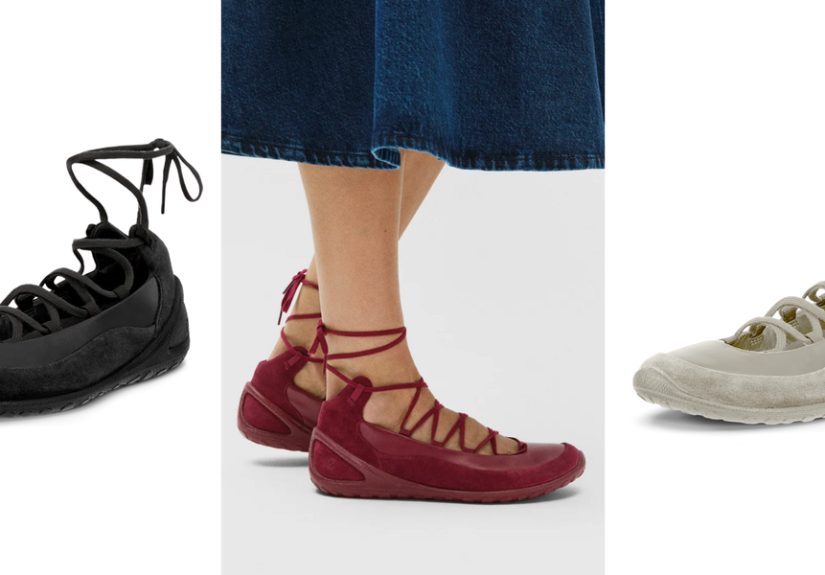
- What exactly is a “hiking ballerina” shoe?
- Why this trend hit now (and why we didn’t see it coming)
- The shoe family tree: sneakerinas, Mary Jane trainers, and ballet sneakers
- Why we love it: the comfort math finally adds up
- Real examples of the “hiking ballerina” vibe (and what to look for)
- How to style hiking ballerina shoes without looking like you’re in costume
- Comfort checklist: how to shop the trend like an adult with places to be
- So… is the hiking ballerina trend actually practical?
- Experience Add-On: 7 days with the hiking ballerina
If you told me a year ago that one of the most wearable shoes would look like a ballerina flat that
accidentally joined a hiking club, I would’ve nodded politely and backed away like you’d just offered me
“kale ice cream.” And yet… here we are. The hiking ballerinaa ballet-meets-trail hybrid
that’s part dainty, part durable, and weirdly part geniushas tiptoed (in grippy rubber) into the fashion
mainstream.
This isn’t just another micro-trend that lives for 12 minutes on TikTok and then disappears into the same
void as “hot girl pickles.” The rise of ballet sneakers, Mary Jane trainers,
and sneakerina shoes is tied to something bigger: the way Americans actually live now.
We want comfort that doesn’t look like we gave up. We want shoes that can handle a long day, a surprise
walk, and the emotional journey of “I parked on the other side of the mall.”
What exactly is a “hiking ballerina” shoe?
Think of it as the love child of balletcore and gorpcore. From balletcore,
you get the rounded toe, sleek profile, satin/mesh vibes, maybe a strap or ribbon-lace moment. From gorpcore,
you get the practical stuff: a cushioned midsole, a more supportive footbed, and an outsole that actually grips
instead of politely sliding across a coffee shop floor like a baby deer.
Some versions lean more “ballet” (slim, delicate uppers with sneaker soles). Others lean more “hiking”
(technical mesh, sporty straps, outdoor-brand DNA). And then there are the glorious in-betweensMary Jane
silhouettes on performance platforms, or sneaker uppers shaped like flats. The result: a shoe that feels like
it shouldn’t work, but absolutely does.
Why this trend hit now (and why we didn’t see it coming)
1) The comfort era is permanent
The “hard pants and hard shoes” era didn’t so much end as it got quietly replaced by a national preference for
not suffering unnecessarily. Between hybrid work, more walking-friendly lifestyles, and the fact that nobody
wants to limp through dinner because their shoes are “statement,” comfort moved from “nice to have” to
“non-negotiable.”
2) Slim sneakers are having a moment
After years of chunky soles and maximalist trainers, the pendulum has swung toward sleeker, low-profile sneakers.
The hiking ballerina fits perfectly here: it’s streamlined, flattering, and easy to styleyet still feels modern
because it’s a hybrid. It’s the footwear version of a crisp button-down with a secret stretch panel.
3) Fashion fell in love with the “wrong shoe” on purpose
There’s a reason people keep pairing romantic skirts with sporty shoes and calling it “a look.” The contrast is
interesting. It reads effortless even when you absolutely planned it. A hiking ballerina is basically the
contrast baked into one shoesweet meets sturdy, soft meets functional, coquette meets commuter.
The shoe family tree: sneakerinas, Mary Jane trainers, and ballet sneakers
The hiking ballerina is part of a broader footwear ecosystemone where classic silhouettes are getting
upgraded for real life. Here are the key relatives:
Sneakerinas (aka ballet-sneaker hybrids)
These blend the padded outsole of a sneaker with the upper vibe of a ballet flatsometimes satin, sometimes mesh,
often with lace-up or ribbon details. The point isn’t to look like you’re going to dance Swan Lake. The point is
to look polished while staying comfortable enough to power-walk through your day.
Mary Jane trainers
A Mary Jane strap (or two) on an athletic base is the most “wearable weird” category right now.
The strap adds security (and style), while the sneaker build adds cushioning and stability. If your goal is
“cute but capable,” this is your lane.
Trail-flavored ballerina sneakers
This is where the “hiking” part gets louder: more technical fabrics, more tread, sometimes outdoorsy brand
heritage. These are the pairs you can actually wear for long days on your feet, travel, or light adventures
without feeling like you brought the wrong tool to the job.
Why we love it: the comfort math finally adds up
Ballet flats are charming. They are also famously unsupportive, often thin-soled, and occasionally designed as if
the human foot is purely decorative. Traditional sneakers are comfortable. They are also occasionally clunky,
overbuilt, or too sporty for certain outfits. The hiking ballerina trend is basically the compromise nobody asked
forbut everyone needed.
- More support than a flat: Many pairs have real midsoles, foam cushioning, and structured footbeds.
- More polish than a sneaker: The slim shape and ballet cues look intentional with dresses, trousers, and denim.
- More traction than “fashion” shoes: Rubber outsoles and tread mean fewer accidental ice-skating moments.
- More security than a slip-on flat: Straps and laces help with fitespecially if you’re walking a lot.
Real examples of the “hiking ballerina” vibe (and what to look for)
You’ll see this trend across luxury fashion, athletic brands, and the sweet spot in between. Some pairs look like
ballet flats that got promoted to “all-day walking shoes.” Others look like trail shoes that got invited to a nice
dinner.
Outdoor-meets-fashion Mary Janes
One of the most talked-about takes is the outdoorsy Mary Jane sneakeroften with technical mesh, a supportive
midsole, and a secure strap system. This is where the term “hiking ballerina” really makes sense: you can imagine
wearing them on a city walk, a casual hike, or an airport day without switching shoes.
Luxury sneakerinas
Luxury brands have leaned into the “sleek + soft + sporty” formula with versions that feel more like a second skin
than a traditional sneaker. If you love the aesthetic but want more practicality, you can use these as a styling
referenceeven if your budget prefers “rent is due” over “designer footwear.”
Everyday, editor-approved hybrids
Many of the best mainstream options balance comfort and style by using a rubber outsole, breathable uppers, and
a shape that doesn’t widen your foot like a cartoon shoe. Bonus points if the insole is removable (hello, orthotics)
or the toe box doesn’t squeeze like it’s trying to win an argument.
How to style hiking ballerina shoes without looking like you’re in costume
With straight-leg jeans + a fitted tee
This is the easiest entry point. The shoe adds interest without screaming “I am participating in a trend.”
Try ankle socks (white, gray, or a fun color) for a subtle sporty contrast.
With trousers for work (yes, really)
If your workplace allows sneakers but you want to look a little sharper, this trend is your loophole.
Go for a clean colorwayblack, cream, gray, or muted metallicand let the sleek shape do the heavy lifting.
With dresses and skirts
The ballet DNA makes these feel natural with feminine pieces, while the sneaker base keeps it grounded.
If you’re nervous, start with a simple midi dress and a minimal shoethen work your way up to ribbon laces
and bolder textures.
With athleisure (but make it intentional)
Leggings and a sweatshirt can look “ran errands.” Add hiking ballerinas and it becomes “ran errands, but
might also attend a gallery opening.” The secret is choosing one elevated elementstructured outerwear,
a sleek bag, or coordinated socks.
Comfort checklist: how to shop the trend like an adult with places to be
A shoe can be cute and still betray you by noon. Here’s what matters if you’re buying hiking ballerinas for
real-world wearnot just outfit photos.
Fit and stability
- Straps that hold: Look for adjustable straps or laces that keep your heel from slipping.
- Heel security: A structured heel cup (or at least a snug collar) helps with long walks.
- Width options: If your toes feel pinched in the store, they will feel furious later.
Cushioning and support
- Real foam underfoot: A proper midsole is what separates “cute” from “all-day.”
- Arch support: Not everyone needs a dramatic arch, but nobody needs a paper-thin insole.
- Removable footbed: A plus if you use inserts or want to upgrade support later.
Outsole grip
If the outsole is smooth like a ballet flat, you’re buying aesthetics. If it has texture and traction,
you’re buying function. Your choice. (I’m just here to prevent a dramatic slip in the Trader Joe’s parking lot.)
So… is the hiking ballerina trend actually practical?
Most people don’t need a shoe that can summit a mountain. They need a shoe that can summit a Tuesday.
That’s the magic here. A hiking ballerina is great for:
- Travel days: airport lines, city exploring, and “why is this terminal three zip codes long?”
- Commutes: walking to transit, office days, and the occasional sprint when you’re late.
- Weekend plans: brunch, errands, museums, casual outdoor hangs, and impromptu “let’s walk there” decisions.
- Style flexibility: you can dress them up or down without changing your entire personality.
Are they perfect for a rocky, technical hike? Probably not. But “hiking ballerina” is less about literal alpine
performance and more about the design language: trail-inspired comfort in a ballet-ish silhouette. It’s the shoe
equivalent of bringing a water bottle that’s both functional and cute. We contain multitudes.
Experience Add-On: 7 days with the hiking ballerina
If you’re wondering whether this trend is wearable beyond the internet, here’s a realistic week-long “field test”
you can usebased on how people actually wear these hybrids: long days, lots of walking, and outfits that need to
multitask. Consider it a blueprint for making the hiking ballerina your everyday hero shoe.
Day 1: The commute trial
Start with your normal commute shoes situation. Wear your hiking ballerinas with straight-leg jeans, a tee,
and a light jacket. The goal is to see whether the strap/upper holds your foot securely and whether the sole
feels stable on sidewalks, stairs, and whatever chaotic flooring your office building believes is “chic.”
If your heel slips or the strap rubs, adjust it earlythis trend should feel hugged, not attacked.
Day 2: The “I’m on my feet all day” stress test
Choose a day with errands: groceries, pharmacy, post office, coffee run, maybe a casual meeting.
The real question: does your foot feel supported after a few hours, or do you start bargaining with the universe
for a chair? Hybrids with cushy midsoles and breathable uppers tend to win hereespecially if you add thin socks
for friction control (yes, even if you’re wearing “ballet-ish” shoes; blisters don’t care about aesthetics).
Day 3: The dress day
Wear them with a midi skirt or an easy dress. This is where hiking ballerinas shine: they keep a feminine outfit
from feeling fussy, and they keep you comfortable if your day turns into a surprise walking tour. Add a cardigan
or structured blazer if you want a more polished vibe. The shoe’s slim profile is the secret sauceit reads
intentional instead of “I forgot to change out of my gym shoes.”
Day 4: The socks experiment
Try visible socks. I know. This can sound like a fashion dare. But the sock game is half the reason the trend
looks so fresh. Go simple first: ribbed white crew socks, gray, or black. If you’re feeling brave, try a pop of
colorred, cobalt, or pastel. The strap + sock combo makes the shoe feel sporty and styled, not overly precious.
You may even get compliments from strangers, which is the adult equivalent of getting a gold star.
Day 5: The “light outdoors” day
Take them somewhere slightly more adventurous than your usual path: a park loop, a botanical garden, an easy
trail, or a neighborhood walk with uneven pavement. This is where outsole grip matters. If you feel stable and
comfortable, congratulationsyou’ve found the point of the hiking ballerina. It’s not mountaineering. It’s
having a cute shoe that can handle a little unpredictability without turning your feet into a complaint department.
Day 6: The travel simulation
Even if you’re not flying, you can mimic a travel day: wear them for several hours, include a longer walk,
carry a bag, and sit for a while. Pay attention to swellingfeet expand throughout the day, and a shoe that feels
perfect at 9 a.m. can feel snug by 4 p.m. If you’re between sizes, this trend often rewards sizing up slightly,
especially in narrower toe boxes.
Day 7: The “do I miss my old shoes?” verdict
By the end of the week, you’ll know if the hiking ballerina is just cute or truly useful. The best pairs do two
things at once: they let you walk comfortably, and they make outfits feel more current without requiring a full
wardrobe personality change. If you catch yourself reaching for them automaticallyover your plain sneakers or
flimsy flatsthat’s the sign. The trend didn’t just arrive; it earned its spot.
The surprising part isn’t that fashion invented another weird shoe. Fashion always does that. The surprising part
is that this weird shoe solves an actual problem: we want to look put-together while living real lives, and our
feet would like to be included in the conversation. The hiking ballerina is soft, grippy, and oddly optimistic
which, honestly, feels like exactly what we need right now.