Table of Contents >> Show >> Hide
- What Is the Old Tuxedo Pillow?
- Why the Name “Old Tuxedo” Actually Works
- Material Matters: Why Linen Gives This Pillow Its Edge
- The Craft Story Behind the Look
- How the Old Tuxedo Pillow Changes a Room
- Best Places to Use an Old Tuxedo Pillow
- How to Style It Without Making the Room Look Over-Rehearsed
- Who Should Buy a Pillow Like This?
- Is the Old Tuxedo Pillow Worth It?
- How to Care for It
- Experience Section: Living With an Old Tuxedo Pillow
- Final Thoughts
- SEO Tags
Some decorative pillows whisper. The Old Tuxedo Pillow walks into the room like it owns a vintage cocktail cabinet, knows exactly how to knot a bow tie, and still manages to look relaxed on your sofa. That contrast is the whole charm. It feels formal without being fussy, graphic without being cold, and artisanal without slipping into that “please admire me from five feet away” territory.
In a home world crowded with fast trends, mass-produced covers, and enough beige boucle to upholster a small planet, a piece like this stands out because it feels considered. The name suggests old-world tailoring. The design language points to structure, contrast, and line. And the actual appeal comes from something even more powerful: craftsmanship. The Old Tuxedo Pillow is associated with handwoven textile work and a refined, architectural approach to pattern, which helps explain why it reads less like a random accent and more like a deliberate design decision.
If you are curious about what makes the Old Tuxedo Pillow special, how to style it, why linen matters, and whether this kind of pillow is worth the splurge, settle in. We are about to give this very polished square of comfort the full editorial treatment.
What Is the Old Tuxedo Pillow?
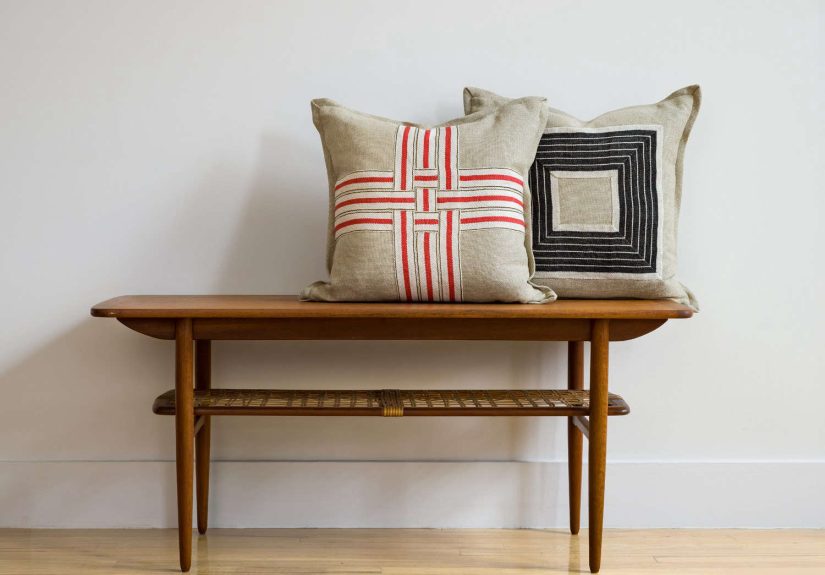
The Old Tuxedo Pillow is best understood as a decorative linen pillow with a tailored, graphic personality. Its inspiration comes from the visual order and elegance of an old tuxedo, translated into a square pillow format. That may sound a little theatrical, but honestly, home decor could use more theater and fewer bland rectangles pretending to be exciting.
What makes the concept work is the balance between history and modernism. “Old” brings heritage, patina, and a sense of story. “Tuxedo” brings structure, restraint, and formal style. “Pillow” keeps the whole thing from becoming too serious. The result is a piece that can live in traditional spaces, modern interiors, transitional rooms, and even eclectic homes that enjoy mixing polished and imperfect elements.
Rather than relying on loud prints or trendy gimmicks, this style leans on strong lines, woven texture, and contrast. It has the kind of visual confidence that does not need to yell. In design terms, that is usually a very good sign.
Why the Name “Old Tuxedo” Actually Works
The phrase is memorable because it instantly paints a picture. A tuxedo suggests crisp lapels, black-and-white contrast, disciplined tailoring, and a certain social confidence. Add the word “old,” and suddenly the image gets warmer. It feels less rental-shop formalwear and more heirloom glamour. Less prom photo, more elegant object with history.
That naming choice matters because decorative pillows often do one of two things: they either disappear into the room, or they help tell the room’s story. The Old Tuxedo Pillow definitely belongs in the second camp. Even before you touch it, you expect it to have character.
There is also a subtle design lesson here. The best home accents often borrow from fashion. Tailoring, trims, structure, drape, contrast, and finish all move beautifully between wardrobe and interiors. A pillow inspired by an old tuxedo makes perfect sense because both garments and rooms depend on materials, proportions, and detail to create mood.
Material Matters: Why Linen Gives This Pillow Its Edge
A big part of the Old Tuxedo Pillow’s appeal is linen. If cotton is your reliable everyday friend, linen is that effortlessly stylish person who looks better slightly rumpled and somehow gets away with it. Linen brings texture, breathability, durability, and a lived-in elegance that few fabrics can match.
For a decorative pillow, that matters more than people think. Smooth synthetic fabrics can look flat or overly shiny. Linen has a natural depth that catches light in a softer, more nuanced way. It creates dimension without begging for attention. That makes it ideal for a piece that is supposed to feel tailored but not stiff.
Linen also ages well, which is a huge advantage for a pillow with “old” right in the name. The fabric develops character through use rather than looking tired after a season. Instead of screaming “replace me,” quality linen tends to settle into a room and become part of its atmosphere.
And because linen plays so well with other textures, the Old Tuxedo Pillow becomes a natural mixer. It looks at home beside velvet, wool, cotton, leather, boucle, and even antique textiles. In other words, it is refined, but it is not a snob.
The Craft Story Behind the Look
One reason the Old Tuxedo Pillow has real design credibility is that it is connected to a handwoven textile tradition. That matters. In a market filled with printed shortcuts, handwoven work carries a different visual weight. You can usually see the difference before you even understand it. The pattern looks more intentional. The texture feels richer. The object has presence.
This is not just about luxury for luxury’s sake. It is about how handmade processes affect the final object. When a pillow begins with woven material rather than a generic factory print, the surface has more nuance. The lines feel more alive. Small irregularities can actually improve the piece because they signal human touch rather than machine perfection.
That handcrafted dimension also lines up beautifully with what many homeowners want right now: rooms that feel personal, layered, and real. People are moving away from spaces that look staged for a catalog shoot and toward spaces that feel collected over time. A pillow like this fits that mood perfectly.
How the Old Tuxedo Pillow Changes a Room
Never underestimate the power of one excellent pillow. Yes, that sounds dramatic. It is also true.
The Old Tuxedo Pillow works because it delivers several design functions at once:
1. It adds structure
Rooms full of soft forms can start to feel visually sleepy. A pillow with a graphic, tailored look introduces order and definition. It gives the eye a place to land.
2. It adds contrast
If your sofa is neutral, the pillow can sharpen it. If your bedding is soft and tonal, the pillow can keep it from drifting into hotel-lobby blandness. Contrast is often what makes a room memorable.
3. It adds texture
Texture is the secret sauce of good interiors. Color gets the headlines, but texture does the heavy lifting. The Old Tuxedo Pillow brings that tactile layer that makes a room feel finished instead of merely furnished.
4. It adds personality
Not goofy personality. Not novelty-shop personality. Mature, confident, slightly witty personality. The kind that says, “Yes, I notice details, and no, I am not apologizing for it.”
Best Places to Use an Old Tuxedo Pillow
On a Sofa
This is the most obvious placement, and for good reason. On a sofa, the Old Tuxedo Pillow can act as a hero piece. It looks especially sharp on white, cream, camel, gray, navy, or olive upholstery. If the sofa is modern and clean-lined, the pillow reinforces that architecture. If the sofa is softer or more traditional, the pillow creates useful tension.
On a Bed
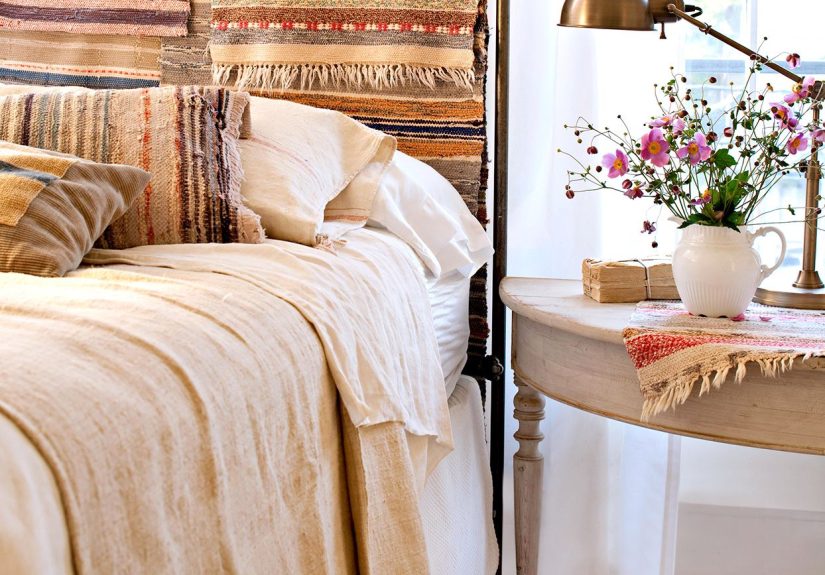
Use it as the finishing layer rather than part of a mountain of decorative fluff. One or two well-placed pillows can do more than six generic ones. A tuxedo-inspired pillow at the front of the arrangement adds polish and gives the bed a boutique-hotel-meets-collected-home vibe.
On an Accent Chair
If you have a reading chair, a vintage armchair, or a tucked-away bench that feels a little underdressed, this pillow can be the thing that makes it look intentionally styled instead of forgotten.
In a Guest Room
A guest room often needs one detail that makes it feel thoughtful. The Old Tuxedo Pillow can be that detail. It signals care, taste, and comfort without tipping into overdecorated territory.
How to Style It Without Making the Room Look Over-Rehearsed
The trick with a statement pillow is to let it shine without surrounding it with too many equally opinionated friends. If every pillow wants to be the lead singer, you do not get harmony. You get a design traffic jam.
Pair it with solids
The easiest move is to mix the Old Tuxedo Pillow with quieter linen, velvet, or wool pillows in complementary colors. Cream, charcoal, camel, navy, muted green, rust, and soft gold all play nicely depending on the room.
Mix old and new
This pillow really earns its keep when paired with modern furniture and one or two vintage accents, or with traditional furniture and cleaner contemporary accessories. That old-meets-tailored spirit is the whole point.
Watch scale and quantity
If you are styling a couch, do not bury the pillow in a pile of randomness. Three to five pillows total is usually enough for a collected look. On a bed, let it be a punctuation mark, not a paragraph.
Bring in natural materials
Wood, leather, brass, wool throws, ceramic lamps, and textured rugs all help the pillow feel grounded. Natural materials make its crafted quality feel intentional rather than isolated.
Who Should Buy a Pillow Like This?
The Old Tuxedo Pillow is not for people who want the cheapest possible accent to toss on the sofa and forget about. It is for people who care about materials, detail, and lasting style. It suits homeowners, renters, decorators, and design lovers who want fewer but better things.
You will probably appreciate this pillow if:
- You like artisan-made decor and meaningful craftsmanship.
- You prefer timeless interiors over disposable trends.
- You enjoy mixing vintage warmth with modern lines.
- You believe a room should feel personal, not copy-pasted.
- You think texture is just as important as color.
If that sounds like you, congratulations: your taste has excellent posture.
Is the Old Tuxedo Pillow Worth It?
For the right buyer, yes. The value is not just in the fact that it is a decorative pillow. The value is in the combination of design concept, artisan textile work, material quality, and styling versatility. It is the kind of piece that can move from room to room over the years and still feel relevant.
That is what separates investment decor from impulse decor. Impulse decor is exciting for three days, then mysteriously starts looking like clutter. Investment decor keeps proving itself. It layers beautifully, holds its own with other quality pieces, and does not need a trend cycle to justify its existence.
In that sense, the Old Tuxedo Pillow is less about chasing a look and more about building one.
How to Care for It
If you bring home a pillow made with refined linen and handcrafted textile work, treat it with basic respect. That does not mean putting it in a museum case and asking guests to admire it from across the room. It means using common sense.
- Keep it out of direct, punishing sunlight for long stretches.
- Fluff and rotate it so wear stays even.
- Spot clean gently when needed.
- Follow maker-specific care instructions if included.
- Store it in breathable fabric, not plastic, if rotating seasonally.
Good pillows are like good jackets: they last longer when you do not treat them like gym socks.
Experience Section: Living With an Old Tuxedo Pillow
What is it actually like to live with a pillow like this? Surprisingly satisfying. The first experience most people have is visual. You place it on a sofa or bed, step back, and the room suddenly looks more awake. Not redecorated from top to bottom. Just sharper. More intentional. It is the design equivalent of putting on a well-cut blazer over a plain outfit and realizing, “Oh. There it is.”
In living rooms, the Old Tuxedo Pillow tends to become an anchor piece. On a neutral sofa, it breaks up the broad field of upholstery and gives the seating area a focal point. On a darker sofa, it adds definition and keeps everything from blending together. People often find that once the pillow is in place, other elements in the room start making more sense. A brass lamp looks richer. A wood side table feels warmer. A throw blanket suddenly seems like a styling choice instead of something abandoned during a nap.
There is also a tactile experience. Linen has a dry, natural hand that feels grown-up in the best way. It does not have the slippery perfection of synthetic decor. It feels honest. That matters more over time than shoppers often expect. A pillow is one of the few decorative pieces you see constantly and touch regularly, so texture has staying power. The Old Tuxedo Pillow rewards that daily familiarity.
Another common experience is that the pillow works across seasons. In cooler months, it feels cozy when paired with wool throws, darker woods, candlelight, and moodier colors. In warmer months, it still feels appropriate because linen has an airy, breathable quality. Swap out a heavy throw for a lighter cotton blanket, keep the pillow in place, and the room still works. That kind of flexibility is what makes an accent genuinely useful.
Guests notice it, too. Not always in a loud “Where did you get that?” way, but in the more flattering design-world version: they touch it, they adjust it, they keep glancing at it, and eventually they ask a question. The pillow becomes a conversation starter because it does not look generic. It looks chosen.
Perhaps the most rewarding experience, though, is how the pillow ages into the room. Many trendy accents peak the day you buy them. This kind of pillow often gets better after the honeymoon phase. It begins to feel integrated with your books, your chair, your blanket, your habits, your evenings on the couch, and your slowly evolving style. That is when a home item crosses the line from product to possession. And honestly, that is the dream. Not just to own beautiful things, but to live with them long enough that they become part of your space’s personality.
Final Thoughts
The Old Tuxedo Pillow is a strong example of what happens when fashion-inspired structure meets artisan textile work and livable comfort. It feels classic, but not dusty. Stylish, but not self-important. Graphic, but still warm. In a decorating culture that often swings between bland minimalism and trend overload, this pillow lands in the sweet spot: distinctive, tactile, and enduring.
If you want a decorative pillow that does more than fill a corner, this is the kind of piece worth paying attention to. It brings line, texture, heritage, and personality into a room in one compact package. Which is impressive, really. Most of us struggle to bring that much character to a group chat.