Table of Contents >> Show >> Hide
- What Exactly Is an Onion?
- Onion Nutrition Facts
- What Makes Onions “More Than Just Flavor”?
- Health Effects: What the Science Suggests
- Gut Health, Prebiotics, and the “FODMAP Factor”
- Raw, Roasted, Pickled: Does Preparation Change the Benefits?
- How to Buy, Store, and Use Onions Like a Pro
- Who Should Be Careful With Onions?
- Bottom Line
- Kitchen Stories: of Real-Life Onion Experiences
Onions are the quiet overachievers of the produce aisle. They don’t need a flashy marketing team. They just show up in your salsa, your soup, your stir-fry,
and somehow make everything taste like it had a plan. They also have a surprisingly solid nutrition profile, plus plant compounds that researchers keep
bumping into when they study antioxidants, inflammation, and gut health.
This guide breaks down what onions contain, what the science actually suggests about health effects, how prep changes flavor (and sometimes nutrients),
and who should go easy on them. Expect facts, practical tips, and a small moment of silence for everyone who has cried over a cutting board.
What Exactly Is an Onion?
The common onion (Allium cepa) belongs to the allium familythink garlic, leeks, scallions, and chives. Alliums are famous for sulfur-containing
compounds that create that unmistakable “onion aroma” and the stingy eye-watering effect when you chop them.
In the kitchen, onions come in a few main personalities:
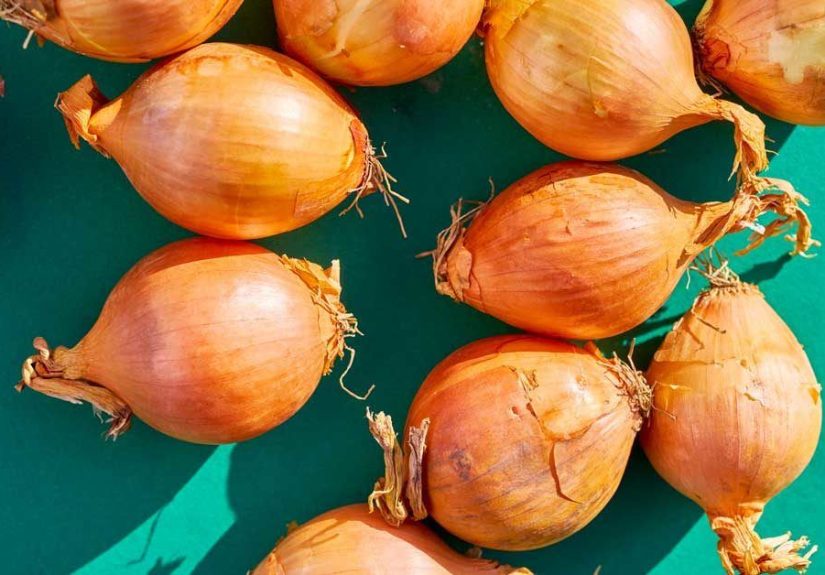
- Yellow onions: the all-purpose workhorse; balanced pungency and sweetness.
- White onions: sharper bite; great for Mexican dishes and quick pickles.
- Red onions: milder raw, colorful, and slightly peppery; stars in salads and sandwiches.
- Sweet onions (like Vidalia): lower bite, higher “snackable” potential (yes, people do that).
- Scallions/spring onions: fresher, grassy flavor; quick-cook or garnish material.
Onion Nutrition Facts
Onions are mostly water and carbohydrates, with a little fiber and small amounts of vitamins and minerals. They’re low in calories, so they can add a lot of
flavor and texture for not much energybasically the opposite of nacho cheese.
Quick nutrition snapshot (raw onion)
Values vary by onion type and size, but a typical 100-gram portion of raw onion is roughly:
- Calories: ~40
- Carbohydrates: ~9–10 g
- Fiber: ~1–2 g
- Protein: ~1 g
- Fat: ~0 g
If you prefer real-life portions: a medium onion is commonly around the 100–150 gram range, but “medium” is a vibe, not a universal measurement.
Micronutrients you’ll actually find in onions
Onions aren’t the single best source of any one vitamin, but they contribute meaningful amounts when you eat them often:
- Vitamin C: supports immune function and collagen production.
- Vitamin B6 and folate: help with energy metabolism and normal cell function.
- Potassium: supports fluid balance and healthy blood pressure.
- Small amounts of minerals: like manganese and iron (varies).
What Makes Onions “More Than Just Flavor”?
Nutrition labels don’t fully capture why onions get attention in health research. Their real “extra credit” is in plant compoundsespecially antioxidants and
sulfur-containing compoundsand in certain fibers that feed gut microbes.
1) Flavonoids (including quercetin)
Onionsespecially the outer layerscontain flavonoids. The best-known is quercetin, an antioxidant that’s been studied for potential
anti-inflammatory and cardiometabolic effects. Red onions also contain anthocyanins (the pigments that make them purple-red), which are
antioxidants too.
2) Organosulfur compounds (the “why does this smell amazing?” molecules)
When you cut or crush an onion, enzymes convert sulfur-containing compounds into the chemicals responsible for pungency, aroma, and tears. These compounds
are also part of why allium vegetables are investigated for potential roles in inflammation, blood vessel function, and more.
3) Prebiotic fibers (fructans like inulin)
Onions contain fructans, including inulin-type fibers. Humans don’t fully digest them, so they travel to the colon where
gut bacteria ferment them. That fermentation can support beneficial bacteria and produce short-chain fatty acidsone reason onions get labeled “gut-friendly.”
(We’ll also talk about why this is a problem for some people.)
Health Effects: What the Science Suggests
Important note: onions are a food, not a prescription. The strongest evidence for health benefits usually comes from overall dietary patterns (more vegetables,
more fiber, less ultra-processed food), not one magical ingredient. Still, onions have a few well-supported “likely helpful” lanes.
Heart health support (mostly “may help,” not “will fix”)
Researchers are interested in onions for heart health because of quercetin, other antioxidants, and sulfur compounds. Some studies suggest quercetin may
support healthy blood pressure and blood vessel function, and onion intake is often associated with heart-friendly dietary patterns. In real life, the “win”
is that onions help you build flavorful meals that don’t rely on heavy salt or saturated fat for taste.
Practical example: swapping a creamy sauce for a base of sautéed onions, garlic, and tomatoes can cut saturated fat while keeping the “wow, this tastes like a
restaurant” factor.
Blood sugar and metabolic health
Onions are low in calories and contain fiber, which can help with fullness and steadier digestion when part of a balanced meal. Some research looks at onion
compounds for potential effects on insulin sensitivity and inflammation. The bottom line is less dramatic but more useful: onions can help make lower-glycemic
meals more satisfyinglike adding caramelized onions to a bowl with beans, greens, and brown rice.
Anti-inflammatory and antioxidant effects
Oxidative stress and chronic inflammation are involved in many long-term conditions. Onions provide antioxidants (like quercetin and related flavonoids) that
help counter oxidative stress in the body. This doesn’t mean “onions erase inflammation,” but they’re a solid ingredient in an anti-inflammatory eating
pattern built around plants, lean proteins, healthy fats, and fiber.
Immune support (the realistic version)
Onions contribute vitamin C and other antioxidants. They won’t give you superhero immunity, but they’re part of the everyday nutrition that supports normal
immune functionespecially when onions are showing up in soups, stews, and meals with other vegetables.
Bone health (an emerging area)
Some observational research has linked onion intake with markers related to bone density, especially in certain populations. The evidence isn’t strong enough
to crown onions “the bone supplement,” but it’s another reason they’re considered a useful staple in a plant-forward diet.
Cancer research: promising signals, mixed conclusions
Allium vegetables (including onions) have been studied for potential cancer-related effects because of their organosulfur compounds and antioxidants. Lab and
animal studies often look promising. Human research is more mixed: some observational studies suggest a relationship between higher allium intake and lower
risk for certain cancers, while other analyses find limited or inconsistent evidence. The most responsible takeaway is: onions are a smart part of a vegetable-
rich diet, and that overall pattern is what consistently shows benefits.
Gut Health, Prebiotics, and the “FODMAP Factor”
Here’s where onions get hilariously unfair: they’re great for gut microbes and also a top trigger for gut symptoms in some people.
Why onions can help your gut
The fructans (including inulin-type fibers) in onions act as prebiotics, meaning they can feed beneficial gut bacteria. A healthier microbiome is associated
with better digestion, immune signaling, and production of helpful metabolites. For many people, onions support regularity and overall gut comfortespecially
when introduced gradually and eaten with a fiber-rich diet.
Why onions can bother your gut
Those same fructans are part of a group called FODMAPs (fermentable carbohydrates). In people with IBS or sensitive digestion, fructans can
draw water into the gut and ferment quickly, causing gas, bloating, and discomfort. Onions and wheat are commonly cited as major fructan sources in typical
diets.
If you’re sensitive: ways to keep the flavor without the fireworks
- Use infused oil: fructans are water-soluble, not oil-soluble. Onion-infused oil can deliver flavor with fewer FODMAP issues.
- Try green tops: some people tolerate the green parts of scallions better than bulb onions (individual response varies).
- Adjust portions: sometimes it’s the dose that makes the drama.
- Work with a clinician/dietitian: especially if you’re testing a low-FODMAP approach for IBS.
Raw, Roasted, Pickled: Does Preparation Change the Benefits?
Cooking changes onionschemically and emotionally. (If raw onions are a blunt friend, roasted onions are that same friend after therapy.)
Raw onions
Raw onions deliver maximum bite and typically preserve heat-sensitive nutrients like vitamin C better than long cooking. They also contain the strongest
“freshly cut” sulfur chemistrygreat for flavor, not always great for reflux or sensitive digestion.
Sautéed and caramelized onions
Cooking breaks down some compounds, softens fiber, and converts sharpness into sweetness. You may lose some vitamin C with heat, but you gain usability:
cooked onions are easier for many people to tolerate, and they make vegetables, beans, and whole grains taste more appealingoften the most important health
advantage of all.
Pickled onions
Quick-pickled red onions add brightness and crunch. They’re still low-calorie, and the vinegar tang can make meals feel satisfying with less added salt or
heavy sauces. If you’re FODMAP-sensitive, portions may still matter.
How to Buy, Store, and Use Onions Like a Pro
Choosing onions
- Pick onions that feel firm with dry, papery skin.
- Avoid soft spots, visible mold, or wet areas.
- If it’s sprouting, it’s not “toxic”it’s just older. You can usually still use it if it’s firm.
Storing onions
Whole storage onions do best in a cool, dry, well-ventilated place away from sunlight. Once cut, store them sealed in the refrigerator and use within a few
days for best quality and food safety.
Cutting onions without crying (as much)
- Chill first: cold onions release fewer irritating compounds into the air.
- Use a sharp knife: less cell damage = fewer tear-trigger chemicals.
- Ventilation helps: a fan or range hood is surprisingly effective.
Easy ways to eat more onions without “wow, that’s a lot of onion”
- Add diced onion to soups, chili, and pasta sauces as a flavor base.
- Roast wedges of onion with carrots and sweet potatoes for a naturally sweet side dish.
- Make quick-pickled onions for tacos, grain bowls, or salads.
- Blend cooked onions into sauces for richness without heavy cream.
Who Should Be Careful With Onions?
For most people, onions are safe and beneficial as part of a balanced diet. But a few groups should pay attention:
- IBS/FODMAP sensitivity: onions are a common trigger due to fructans.
- Reflux/heartburn: raw onions can worsen symptoms for some people.
- Allergy or intolerance: rare, but possibleespecially with raw onion exposure.
- Medication considerations: if you’re on blood thinners or have a medical condition requiring dietary limits, check with a clinician about
major changes in diet (not because onions are “dangerous,” but because individualized guidance matters).
Bottom Line
Onions are low-calorie, flavorful, and packed with helpful plant compounds like quercetin and organosulfur molecules. They contribute fiber and prebiotic
fructans that can support gut healthunless you have IBS or a sensitive gut, in which case they may be your digestive system’s “absolutely not.”
The most practical health benefit is also the least glamorous: onions make nutritious foods taste better. When something helps you enjoy beans, vegetables,
whole grains, and lean proteins more often, it’s doing real work.
Kitchen Stories: of Real-Life Onion Experiences
If onions had a résumé, the first bullet point would be: “Makes everyone emotional.” The classic experience is chopping an onion and instantly questioning
every life choice that led you to a cutting board. One minute you’re confidently dicing, the next minute you’re blinking like a malfunctioning robot,
insisting, “I’m not cryingmy eyes are just… marinating.”
Then you learn the small tricks that make you feel like you’ve leveled up in adulthood: you chill the onion for 10 minutes, you sharpen your knife, you turn
on the fan, and suddenly you’re only slightly teary instead of auditioning for a soap opera. The onion still wins, but you at least keep your dignity.
Another classic onion moment is tasting it raw in a salad and realizing your breath now has a personality. A bold personality. The kind that walks into a room
before you do. Raw onion adds crunch and bite, but it also teaches you strategic planning: “Should I eat this at lunch, or do I want to be socially
acceptable at 3 p.m.?” That’s not a reason to avoid onionsit’s a reason to pair them with lemon, herbs, yogurt sauces, or anything that says, “We can all
coexist peacefully.”
Roasting onions is the plot twist people don’t expect. The first time you roast thick onion wedges until the edges caramelize, it feels like discovering a
secret: the sharpness softens, the sweetness comes forward, and suddenly onions are less “aggressive coworker” and more “supportive friend.” Roasted onions
show up in grain bowls, beside chicken or tofu, and on top of salads like they own the placein a charming way.
Caramelizing onions is a patience test disguised as cooking. You start with a mountain of slices and end with a small, jammy pile that smells like comfort.
It takes longer than you want, but the payoff is huge: a spoonful can make a sandwich taste fancy, make a burger taste intentional, or make a basic bowl of
lentils taste like it had a personal chef.
And then there’s the “onion as a health habit” experience: you begin using onions as your default flavor base. You toss them into soups, stir-fries, and
sauces, and you notice something simple but powerfulhealthy meals feel easier. Not because onions are magical, but because they make vegetables and
protein taste good without needing a lot of extra salt, sugar, or heavy sauces. That’s the real onion victory: less hype, more follow-through.