Table of Contents >> Show >> Hide
Osteoporosis has a sneaky reputation, and honestly, it earns it. It usually does not arrive with fireworks, a drumroll, or even much of a warning. Instead, it quietly weakens bones over time until something small, like stepping off a curb awkwardly or lifting a grocery bag with too much confidence, turns into a fracture. That is why osteoporosis matters so much: it is common, often silent, and deeply tied to quality of life.
If you have ever heard osteoporosis described as “brittle bones,” that is the short version. The better version is that osteoporosis is a disease in which bone density and bone quality decline, making bones weaker and more likely to break. The most common fracture sites are the hip, spine, and wrist, but the effects can ripple far beyond one broken bone. Pain, loss of mobility, loss of independence, and fear of falling can all become part of the story if osteoporosis is not caught and treated early.
The good news is that this is not a mystery condition with no game plan. Doctors understand the major causes of osteoporosis, they know the key risk factors, and there are reliable tools to diagnose it. Better yet, treatment can help slow bone loss, improve bone strength, and reduce the risk of future fractures. So let’s talk bones, but in a way that feels more human and less like a textbook wearing orthopedic shoes.
What Is Osteoporosis, Exactly?
Bone is living tissue. It is constantly being broken down and rebuilt through a process called remodeling. When you are younger, your body usually builds bone faster than it breaks it down, which helps you grow and maintain strong bones. As you age, that balance can shift. In osteoporosis, bone loss outpaces bone building, and the internal structure of bone becomes more fragile.
That matters because strong bones are not just dense. They are also well organized. Think of healthy bone like a sturdy honeycomb structure. With osteoporosis, the holes in that structure become larger, and the framework becomes thinner. The result is bone that looks fine from the outside but has less strength than it should.
Osteoporosis is different from osteopenia, which means bone density is lower than normal but not yet low enough to meet the threshold for osteoporosis. Osteopenia is not nothing; it is often a warning sign that a person’s fracture risk is climbing and that preventive action matters now, not “someday.”
What Causes Osteoporosis?
1. Aging and natural bone loss
The most common cause of osteoporosis is age-related bone loss. As people get older, the body becomes less efficient at replacing bone tissue. Peak bone mass is usually reached in early adulthood, and from there, bone health becomes a long game of maintenance. If that maintenance slips, bone density can gradually decline.
2. Hormonal changes
Hormones play a huge role in bone health. In women, the drop in estrogen after menopause is one of the biggest drivers of rapid bone loss. Estrogen helps protect bone, so when it falls, bones can lose density faster than expected. Men are not off the hook either. Low testosterone can also contribute to weaker bones over time.
3. Low calcium and vitamin D intake
Your skeleton is not running a charity. If your body does not get enough calcium from food or supplements, it may pull calcium from your bones to keep other systems working. Vitamin D helps the body absorb calcium, so low vitamin D can make the whole operation less effective. Over time, that combination can chip away at bone strength.
4. Lack of physical activity
Bones like a challenge. Weight-bearing exercise and resistance training signal the body to maintain and strengthen bone. A sedentary lifestyle, on the other hand, gives bones fewer reasons to stay robust. Long periods of immobility can speed bone loss, especially in older adults.
5. Secondary osteoporosis from medical conditions or medications
Sometimes osteoporosis develops because of something else. This is called secondary osteoporosis. Certain health conditions can interfere with bone metabolism, including thyroid disorders, inflammatory bowel disease, celiac disease, rheumatoid arthritis, kidney disease, and hormone disorders. Some medications can also weaken bones, especially long-term corticosteroids. Other medicines, including some anti-seizure drugs and certain cancer treatments, may also raise risk.
Major Risk Factors for Osteoporosis
Some osteoporosis risk factors are built into the script, and some are changeable. Knowing the difference helps people focus on what they can actually do about it.
Risk factors you cannot change
- Age: Risk rises with age, especially after 50.
- Sex: Women are more likely to develop osteoporosis, especially after menopause.
- Family history: A parent with a hip fracture or known osteoporosis can raise your risk.
- Body size: People with a smaller, thinner frame may have less bone mass to begin with.
- Race and ethnicity: Osteoporosis can affect anyone, but risk is often higher in White and Asian women.
Risk factors you may be able to change
- Smoking: Tobacco use is linked to bone loss and higher fracture risk.
- Heavy alcohol use: Too much alcohol can interfere with bone formation and increase fall risk.
- Poor nutrition: Not getting enough calcium, vitamin D, and protein can weaken bones over time.
- Low physical activity: Bones need regular loading through movement and exercise.
- Frequent falls: Even modest bone loss becomes more dangerous when falls enter the picture.
One important point: osteoporosis is often seen as a “women’s health issue,” but men can absolutely develop it too. In fact, osteoporosis in men is often diagnosed later, sometimes only after a fracture has already happened. Bones, it turns out, do not care much about stereotypes.
Symptoms and Early Warning Signs
Here is the frustrating part: osteoporosis often causes no symptoms in its early stages. Many people feel completely fine until they break a bone. That is why screening and risk assessment matter so much.
When symptoms do appear, they may include:
- Back pain, especially from compression fractures in the spine
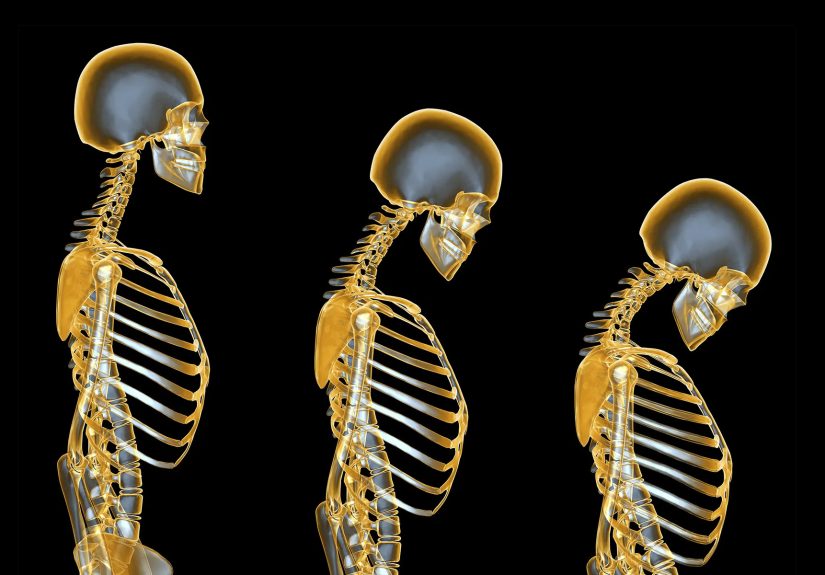
- Loss of height over time
- A stooped posture or noticeable rounding of the upper back
- A fracture after a minor fall, bump, or even routine movement
A fracture that happens from a low-impact event is often called a fragility fracture, and it is one of the biggest clues that bone strength has been compromised.
How Osteoporosis Is Diagnosed
DXA scan: the main test
The standard test for diagnosing osteoporosis is a bone density scan, often called a DXA or DEXA scan. It is quick, painless, and much less dramatic than the name makes it sound. The test usually measures bone density at the hip and spine and compares your results with those of a healthy young adult.
Understanding the T-score
Your DXA result is often reported as a T-score:
- -1.0 or higher: Normal bone density
- Between -1.0 and -2.4: Osteopenia, or low bone density
- -2.5 or lower: Osteoporosis
A diagnosis is not based on one number alone, though. Doctors also look at age, fracture history, overall health, and other risk factors to understand how likely a person is to break a bone in the future.
FRAX and fracture risk assessment
Clinicians may use tools such as FRAX to estimate a person’s 10-year fracture risk. This tool looks beyond bone density and considers factors like age, sex, weight, smoking, steroid use, and family history. That is important because someone with osteopenia can still have a high fracture risk and may need treatment.
Lab work and the search for secondary causes
If osteoporosis is diagnosed, a doctor may order blood or urine tests to look for underlying causes or contributing issues. These can include vitamin D deficiency, thyroid problems, kidney disease, calcium imbalance, or other metabolic conditions. Translation: the doctor is checking whether weak bones are the whole story or just one chapter.
Who Should Consider Screening?
Screening recommendations vary a bit by organization, but women age 65 and older are commonly advised to get screened with a DXA scan. Postmenopausal women younger than 65 may also need screening if they have risk factors such as low body weight, smoking, a family history of fractures, or long-term steroid use.
Men may also need bone density testing when risk is elevated, especially if they are older, have had a fracture, use glucocorticoids, have low testosterone, or have medical conditions linked with bone loss. In short, screening is not just about birthdays. It is about the full risk picture.
Treatment for Osteoporosis
Osteoporosis treatment has two big goals: reduce fracture risk and preserve or improve bone strength. That usually means a combination of lifestyle changes and medication, depending on how high the risk is.
Lifestyle treatment and daily habits
For many people, treatment starts with the basics, and the basics really do matter.
- Calcium: Many adults at risk for osteoporosis need about 1,000 to 1,200 mg of calcium daily from food, supplements, or both.
- Vitamin D: Vitamin D helps the body absorb calcium and may need to be checked with a blood test if deficiency is suspected.
- Protein: Bone is not made of calcium alone. Protein supports bone structure and muscle strength.
- Exercise: Weight-bearing exercise, strength training, balance work, and posture exercises can all help.
- Smoking cessation: Quitting smoking supports bone health and overall health.
- Limit alcohol: Moderation matters for both bone health and fall prevention.
Fall prevention is also part of treatment. That can mean improving lighting at home, removing loose rugs, wearing stable shoes, checking vision, and reviewing medications that may cause dizziness. It is not glamorous, but neither is a hip fracture.
Medications for osteoporosis
When fracture risk is high, medication is often recommended. Several categories are used:
- Bisphosphonates: Often the first-line treatment. These drugs slow bone breakdown and can reduce the risk of spine and hip fractures.
- Denosumab: An injectable medicine that reduces bone resorption. It can be effective, but it requires careful follow-up and is not a casual start-and-stop medication.
- Raloxifene: A selective estrogen receptor modulator used in some postmenopausal women.
- Teriparatide and abaloparatide: These anabolic medicines help build new bone and are often reserved for people at very high fracture risk.
- Romosozumab: Another bone-building option for certain high-risk patients.
The “best” medication depends on the person. Age, fracture history, kidney function, other health conditions, and medication tolerance all matter. For example, some medicines are better suited for people with very high fracture risk, while others are used when long-term bone loss needs to be slowed. Medication decisions should be individualized, not chosen by whichever commercial has the most soothing background music.
Monitoring treatment
Treatment does not end when the prescription is written. Doctors may repeat bone density testing after a period of time to see whether bone density is stable, improving, or declining. Monitoring also helps catch side effects, refine the treatment plan, and decide whether a person should continue the same medicine or switch strategies.
Can Osteoporosis Be Prevented?
Sometimes yes, sometimes partly, and always at least to some degree. Prevention is strongest when it starts early, but it is never pointless later in life.
Helpful prevention strategies include:
- Getting enough calcium, vitamin D, and protein
- Doing regular weight-bearing and resistance exercise
- Avoiding smoking
- Limiting alcohol
- Maintaining a healthy body weight
- Addressing medical conditions that affect bone health
- Talking with a clinician about medications that may weaken bones
If a person has osteopenia, this is the moment to take bone health seriously. It is much easier to protect bone than to recover from a fracture that could have been prevented.
Common Experiences People Have With Osteoporosis
Osteoporosis is medical, but living with it is personal. One of the most common experiences people describe is surprise. A person may feel healthy, active, and fully capable, then suddenly learn they have osteoporosis after a wrist fracture from a simple fall. That kind of diagnosis can feel oddly unfair. There is often a moment of, “Wait, my bones?” because weak bones do not come with flashing warning lights.
Another common experience is frustration with how invisible the condition can be. Back pain, height loss, or posture changes may be brushed off as normal aging for months or even years. Some people say they only connected the dots after a scan showed low bone density or after a spine fracture was found on imaging done for another reason. Osteoporosis often teaches people that “silent” does not mean “harmless.”
Many people also go through a learning curve after diagnosis. Suddenly, there are new terms to absorb: DXA scan, T-score, osteopenia, bisphosphonates, fracture risk, vitamin D levels. It can feel like getting assigned a pop quiz in a class you do not remember signing up for. People often need time to understand the difference between low bone density and high fracture risk, or why a doctor recommends treatment even when they feel fine.
There is also the emotional side. Fear of falling becomes very real for some patients, especially after a hip or spine fracture. Someone who used to move through life without thinking twice may become cautious about stairs, icy sidewalks, or even carrying laundry baskets. That caution is understandable, but it can sometimes lead to less activity, which ironically can make bones and muscles weaker. Finding the balance between staying safe and staying active becomes part of daily life.
On the treatment side, people often describe a mix of relief and hesitation. Relief, because there is finally a plan. Hesitation, because medications can sound intimidating, especially after reading side effect warnings online at midnight, which is rarely the internet’s finest hour. Many patients feel better once a clinician explains why a particular medicine was chosen, how long it may be used, and what monitoring will look like.
Small habits also become bigger than they used to be. People start paying closer attention to calcium-rich foods, vitamin D, exercise routines, posture, and home safety. Some begin strength training for the first time in years. Others realize that balance exercises, sturdy shoes, and better lighting in the hallway are not “old person things”; they are smart bone-protection moves.
Perhaps the most encouraging experience is this: many people discover that an osteoporosis diagnosis is not the end of independence. With treatment, movement, nutrition, and follow-up, they often regain confidence and feel more in control than they did at the moment of diagnosis. Osteoporosis may change the plan, but it does not have to write the whole ending.
Final Thoughts
Osteoporosis is common, serious, and often quiet right up until it is not. But quiet does not mean unbeatable. Understanding the causes of osteoporosis, recognizing the major risk factors, getting appropriate diagnosis with bone density testing, and starting treatment when needed can make a meaningful difference in fracture risk and long-term mobility.
If there is one takeaway here, it is this: bone health deserves attention before a fracture happens, not only after. Whether someone is trying to prevent osteoporosis, manage osteopenia, or treat established bone loss, the goal is the same: stronger bones, fewer fractures, and a life that stays as active and independent as possible.