Table of Contents >> Show >> Hide
- Why a 14-Day Healthy Eating Plan Works
- Core Principles of Our 14-Day Healthy Eating Plan
- How the 14-Day Plan Is Structured
- A 14-Day Healthy Eating Roadmap
- Smart Snack and Beverage Ideas
- Meal Prep and Shopping Tips to Stay on Track
- Staying Motivated and Handling Real-Life Curveballs
- 14-Day Plan, Lifetime Benefits
- Real-Life Experiences and Tips from 14 Days on the Plan
If you’ve ever said, “I’ll start eating healthy on Monday” and then somehow
woke up three Mondays later surrounded by snack wrappers, this 14-day
healthy eating plan is for you. Think of it as a realistic reboot: two weeks
of simple, satisfying meals that lean on whole foods, balanced nutrition,
and smart prep so you can finally stay on track without feeling deprived.
Over the next 14 days, you’ll build a pattern of eating that lines up with
expert recommendations: plenty of vegetables and fruits, fiber-rich whole
grains, lean protein, and healthy fats, while keeping added sugars, sodium,
and saturated fat in check. Instead of a rigid “diet,” this plan gives you
structure, flexibility, and room for real life (yes, even coffee and the
occasional dessert).
Why a 14-Day Healthy Eating Plan Works
Two weeks is a sweet spot. It’s long enough for you to:
- Build momentum and start forming new habits.
- Notice changes in energy, digestion, and cravings.
- Practice grocery shopping, prepping, and eating in a new routine.
But it’s also short enough that it doesn’t feel overwhelming. You’re not
committing to a new way of eating “forever” you’re test-driving a healthy
pattern for 14 days, then choosing which habits you want to keep.
This plan draws from widely accepted healthy eating patterns, including
Mediterranean-style and DASH-style menus that emphasize vegetables, fruits,
whole grains, beans, nuts, lean protein, and low-fat dairy, while limiting
saturated fat, added sugar, and excess sodium. These patterns are linked to
better heart health, weight management, and reduced risk of chronic
disease.
Core Principles of Our 14-Day Healthy Eating Plan
1. Focus on Whole, Minimally Processed Foods
Most of your meals will come from ingredients you recognize: vegetables,
fruits, beans, lentils, whole grains like oats or brown rice, lean meats,
fish, eggs, nuts, seeds, and plain dairy. Packaged foods aren’t banned,
but we keep an eye on labels and choose options with short ingredient lists,
little or no added sugar, and reasonable sodium.
2. Build Balanced Plates
A simple way to stay on track is to follow a “balanced plate” approach at
most meals:
- Half the plate: Non-starchy vegetables (salad greens, broccoli, peppers, zucchini, carrots, etc.).
- One quarter: Lean protein (chicken breast, turkey, tofu, beans, lentils, fish, eggs, Greek yogurt).
- One quarter: High-fiber carbohydrate (quinoa, brown rice, whole-wheat pasta, sweet potato, oats, beans).
- A small amount of healthy fat: Olive oil, avocado, nuts, seeds, or nut butter.
This mix helps keep you full and satisfied by combining lean protein,
fiber-rich carbs, and healthy fats. That means fewer energy crashes and
fewer “I need a cookie right now” emergencies.
3. Emphasize Fiber and Protein
Fiber from vegetables, fruits, beans, and whole grains supports digestion,
blood sugar balance, and satiety. Protein helps preserve muscle and keeps
you full longer. That’s why many well-regarded meal plans pair lean
protein with fiber-rich foods at each meal think salmon with quinoa and
roasted vegetables, or black bean chili over brown rice.
4. Keep Added Sugars, Saturated Fat, and Sodium in Check
You don’t have to cut out every treat, but you will shift the balance:
- Choose water, unsweetened tea, or sparkling water more often than sugary drinks.
- Favor olive oil, nuts, and avocados instead of heavy cream or butter every time you cook.
- Flavor foods with herbs, spices, citrus, garlic, and vinegar rather than relying on salt alone.
The goal isn’t perfection. It’s making healthier choices most of the time.
How the 14-Day Plan Is Structured
Each day follows a simple pattern:
- Breakfast: High-fiber carbs + protein (and often some fruit).
- Lunch: A balanced plate or hearty salad with protein, veggies, and whole grains.
- Dinner: Lean protein + lots of vegetables + smart carbs.
- Snacks: Small, nutrient-dense “mini meals,” not mindless grazing.
Calorie needs vary by age, sex, weight, activity level, and health
conditions, so consider this a framework, not a strict calorie-counting
plan. If you have a medical condition or specific nutrition needs, check in
with your healthcare provider or a registered dietitian before making major
changes.
Sample Day on the Plan
Here’s what one day might look like:
Breakfast: Oatmeal made with rolled oats, topped with sliced banana, a spoonful of peanut butter, and a sprinkle of chia or flaxseeds. Black coffee or tea on the side if you like.
Morning Snack: A small apple and a handful of almonds.
Lunch: Big bowl salad with mixed greens, cherry tomatoes, cucumbers, shredded carrots, half an avocado, grilled chicken or tofu, and a simple olive oil–lemon dressing. Whole-grain crackers or a slice of whole-wheat bread on the side.
Afternoon Snack: Plain Greek yogurt with a few berries and a drizzle of honey (optional).
Dinner: Baked salmon or seasoned chickpeas, roasted Brussels sprouts and carrots, and a serving of quinoa or brown rice. Add a squeeze of lemon and fresh herbs for flavor.
Evening “treat” if desired: A square or two of dark chocolate or a small bowl of fresh fruit.
A 14-Day Healthy Eating Roadmap
Rather than prescribing one rigid menu, this plan gives you themes and
mix-and-match ideas so you can customize around your preferences, budget,
and culture.
Days 1–3: Reset and Simplify
- Clear out obvious “trigger foods” you tend to overeat (huge bags of chips, candy bowls) and move them out of sight.
- Cook one big batch item (like a pot of veggie-packed soup or chili) to cover a few lunches or dinners.
- Use simple breakfasts: overnight oats, Greek yogurt parfaits, or scrambled eggs with whole-grain toast and fruit.
Days 4–7: Build Variety and Confidence
- Rotate proteins: chicken, fish, beans, lentils, tofu, turkey, or eggs.
- Try one new vegetable you don’t usually buy, such as Brussels sprouts, cauliflower, or kale.
- Prep a grain for the week (quinoa, farro, or brown rice) and repurpose it in bowls, salads, and stir-fries.
Days 8–10: Fine-Tune Portions and Hunger Cues
- Notice how long different meals keep you full tweak portions of protein and fiber accordingly.
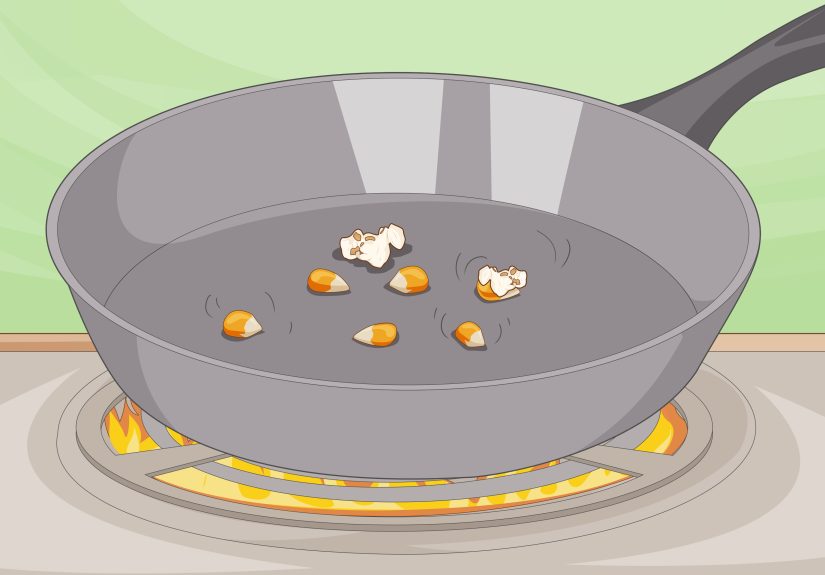
- Swap out refined snacks (chips, cookies) for fruit, nuts, veggies with hummus, or popcorn made at home.
- Start plating meals using the “half veggies, quarter protein, quarter carbs” visual as often as possible.
Days 11–14: Plan for Life After the Two Weeks
- Identify your favorite “go-to” breakfasts, lunches, and dinners from the first week and repeat them.
- Make a list of 5 easy weeknight dinners you actually liked this becomes your future rotation.
- Practice “maintenance mode” by adding in a restaurant meal or small dessert and seeing how to balance the rest of the day.
Smart Snack and Beverage Ideas
Snacks can absolutely be part of a healthy eating plan the key is to
choose options that support your goals instead of sabotaging them.
Snack Ideas That Work Hard for You
- Carrot sticks, cucumber slices, or bell pepper strips with hummus.
- Apple or pear with a tablespoon of almond or peanut butter.
- Plain Greek yogurt with berries and chopped nuts.
- Cottage cheese with pineapple chunks or sliced grapes.
- Small handful of mixed nuts and seeds.
- Air-popped popcorn (lightly seasoned) instead of chips.
Better Beverage Choices
Hydration helps control appetite and supports metabolism, but many drinks
are sneaky sources of sugar. During the 14 days, focus on:
- Water (plain, sparkling, or flavored with citrus slices or herbs).
- Unsweetened tea (hot or iced).
- Coffee with minimal added sugar and cream (or unsweetened plant milk).
If you normally drink a lot of sugary beverages, try cutting back gradually
for example, mixing half juice with half sparkling water, or reducing
sugar in your coffee a little each week.
Meal Prep and Shopping Tips to Stay on Track
A big reason healthy eating plans fall apart isn’t lack of willpower it’s
lack of planning. When you’re tired and hungry with an empty fridge, the
drive-thru wins. This 14-day plan leans heavily on prep that makes your
week easier, not harder.
Weekend (or Any-Day) Prep Ideas
- Wash and chop vegetables for salads, stir-fries, and snacks.
- Cook a batch of whole grains (quinoa, brown rice, or farro) and store in the fridge.
- Pre-portion snacks like nuts, cut fruit, and chopped veggies.
- Grill, bake, or roast a few servings of chicken, tofu, or salmon for quick use in bowls and salads.
- Make one big “anchor” dish (like veggie soup, turkey chili, or lentil curry) to cover 2–3 meals.
Smart Grocery List Staples
To make this plan work, stock up on:
- Fresh and frozen vegetables (frozen are perfect for quick stir-fries and soups).
- Fresh and frozen fruits (berries, bananas, apples, oranges, mango, etc.).
- Whole grains (oats, brown rice, quinoa, whole-wheat bread or tortillas).
- Lean proteins (chicken breast, fish, turkey, tofu, beans, lentils, eggs).
- Healthy fats (olive oil, avocado, nuts, seeds, natural nut butters).
- Plain yogurt or kefir, and small amounts of cheese if you enjoy it.
Keeping your kitchen stocked with these basics makes it far easier to throw
together a healthy meal in 15–20 minutes.
Staying Motivated and Handling Real-Life Curveballs
Even with the best plan, life happens: late meetings, family events, random
cravings, and those nights when absolutely nothing goes as scheduled. Here
are some strategies to stay on track without feeling like you “failed”:
- Use the “good enough” rule: If the meal isn’t perfect but hits most of your goals (some veggies, protein, reasonable portions), you’re still winning.
- Plan a couple of “backup” meals: Keep ingredients on hand for ultra-fast options, like eggs and veggies, tuna salad on whole-grain toast, or a frozen veggie-heavy meal with a side salad.
- Don’t wait to be “motivated”: Rely on your routine and prep, not on willpower alone.
- Let go of all-or-nothing thinking: One indulgent meal doesn’t undo your efforts just return to your plan at the next meal.
14-Day Plan, Lifetime Benefits
By the end of the 14 days, you’ll have more than a streak to celebrate.
You’ll have:
- A set of healthy meals and snacks you actually enjoy.
- Better awareness of what keeps you full and energized.
- A routine for shopping, prepping, and eating that fits your schedule.
- A realistic, sustainable way to keep moving toward your health goals.
You can repeat the full 14-day cycle, mix and match your favorite meals, or
use this as a base and add more variety over time. The point isn’t to
follow this plan forever it’s to learn what “healthy and doable” looks
like for you, and then stick close to that pattern most days.
Real-Life Experiences and Tips from 14 Days on the Plan
What does it actually feel like to follow a 14-day healthy eating plan?
Everyone is different, but many people notice similar patterns as they move
through the two weeks: the initial adjustment, a new rhythm, and then
genuine momentum.
Days 1–3: The “Wait, Where Are My Snacks?” Phase
The first few days can feel a little awkward. If you’re used to grabbing
takeout or snacking whenever the mood strikes, suddenly pausing to make a
balanced plate feels like a lot of effort. You might catch yourself
wandering to the pantry out of habit rather than hunger. That’s normal.
One helpful trick in this phase is to focus on addition, not restriction.
Instead of thinking “I can’t have chips,” think “I’m going to pile my plate
with roasted veggies and grilled chicken first, then see if I still want
anything else.” Often, once you’ve had a filling meal, the urge for random
snacks quiets down.
Days 4–7: Energy Starts to Shift
As your meals become more consistent with a better balance of protein,
fiber, and healthy fats many people notice fewer energy crashes. The
afternoon slump isn’t as dramatic, and you might realize you can get
through the afternoon with a structured snack instead of a full-on sugar
hunt.
This is also when some people start sleeping a little better. A calmer
digestion, steadier blood sugar, and less heavy late-night eating can
contribute to feeling more rested in the morning. You may also notice that
your clothes feel slightly more comfortable, thanks to reduced bloating
from cutting back on ultra-processed foods and excess salt.
Days 8–10: Cravings Become More Predictable
Around the second week, cravings tend to shift from “constant noise” to
something more predictable. You might realize you always want something
sweet after dinner, or that you crave salty snacks when you’re stressed,
not actually hungry. That awareness is powerful it lets you plan ahead.
For example, if you know dessert thoughts pop up every night, you can
intentionally plan a small portion of dark chocolate or fruit with yogurt
instead of fighting it and then raiding the freezer for ice cream at 10
p.m. The plan becomes less about saying “no” and more about choosing a
“yes” that still aligns with your goals.
Days 11–14: Confidence and Customization
By the final stretch, the plan often feels less like a “challenge” and more
like a routine. You start to know which breakfasts actually keep you full,
which lunches are easiest to pack, and which dinners you can put together
even when you’re exhausted.
This is also when people get more confident about customizing. Maybe you
realize you do better with a bigger lunch and a lighter dinner, or that
bean-based meals keep you fuller than pasta. You might play with slightly
different portion sizes or swap in more of the foods you love that still
fit the overall structure.
Social Life, Slip-Ups, and Moving Forward
No one eats in a vacuum. There will be birthdays, office treats, family
gatherings, and random nights where cooking just isn’t happening. A key
“experience” from people who successfully finish a 14-day plan is learning
not to panic about these moments.
Instead of thinking, “I messed up, I’ll start over next month,” they
practice a simple reset rule: enjoy the meal, be mindful of portions, and
then jump right back into the plan at the next opportunity. Over time,
this flexible mindset makes healthy eating sustainable, not something that
collapses every time life gets busy or messy.
When you look back at your 14 days, the goal isn’t perfection. It’s
progress: more vegetables than before, more home-cooked meals, better
balance on your plate, and a growing sense that you can trust yourself to
make choices that support your health. That feeling more than any number
on a scale is what truly keeps you on track.