Table of Contents >> Show >> Hide
If your backyard is currently doing its best impression of a wide-open field with a lonely chair in the corner, it may be time for an upgrade. Enter outdoor rooms: the design idea that treats patios, porches, decks, courtyards, and garden nooks like real living spaces instead of accidental leftover square footage. An outdoor room is not just “some furniture outside.” It is a purposeful space with structure, comfort, and personality. In other words, it is your home stepping outdoors and refusing to be awkward about it.
Done well, outdoor rooms can make a small yard feel more usable, a large yard feel more intimate, and an ordinary patio feel like the place everyone mysteriously gravitates toward during parties. They can serve as living rooms, dining rooms, reading corners, cooking zones, work-from-home escapes, or all of the above if you plan carefully. The magic is not in making the space fancy. The magic is in making it feel intentional.
What Are Outdoor Rooms, Exactly?
An outdoor room is a defined exterior space designed for a specific purpose, much like an interior room. Instead of drywall and a ceiling fan, it might use a pergola, container plants, lattice, fencing, a canopy, or a change in flooring to create a sense of enclosure. Instead of a sofa facing a fireplace indoors, it might feature weather-resistant seating facing a fire pit, coffee table, or garden view.
The reason this concept works so well is simple: people like spaces that tell them how to use them. A blank backyard can feel beautiful but vague. A well-designed outdoor room feels welcoming because it offers cues. Sit here. Eat here. Put your drink here. Stay awhile. Try not to judge the citronella candle. It is doing its best.
Why Outdoor Rooms Matter More Than Ever
Outdoor living has evolved from a nice bonus into a serious design priority. Homeowners want spaces that feel comfortable, flexible, and connected to daily life. That means patios are no longer just hard surfaces for a grill and two folding chairs. They are becoming multi-use living environments where people relax, host, work, snack, celebrate birthdays, and occasionally pretend they enjoy watering plants at sunrise.
One of the biggest benefits of outdoor rooms is that they expand the way a home functions without requiring a full addition. A thoughtfully arranged deck or patio can feel like added square footage, especially when it mirrors the comfort and layout of interior spaces. Even better, outdoor rooms can be scaled to almost any budget. A compact balcony with a rug, a bistro table, and soft lighting can feel just as intentional as a sprawling backyard with a pergola and built-in kitchen.
The Anatomy of a Great Outdoor Room
1. A Defined Floor
Every room starts from the ground up. In outdoor spaces, that might mean a deck, pavers, concrete, gravel, brick, tile, or even a large outdoor rug layered over an existing surface. Flooring visually anchors the space and helps signal that this is a destination, not just a pass-through patch of yard.
If your patio feels disconnected, an outdoor rug can work wonders. It creates boundaries, softens the look of hard materials, and instantly makes furniture groupings feel more finished. This is especially useful in open yards where you want the room to feel pulled together instead of scattered like a yard sale with ambitions.
2. A Sense of Walls
Outdoor rooms do not need literal walls, but they do need definition. You can create that with hedges, planters, privacy screens, fencing, trellises, lattice panels, curtains, or even tall ornamental grasses. These elements add intimacy and help a space feel protected rather than exposed.
This is particularly important in urban patios and suburban backyards where privacy is at a premium. A little screening can transform a space from “I hope the neighbors are not watching me eat chips in silence” to “private garden retreat.” That is a design victory.
3. A Ceiling or Overhead Element
Some of the best outdoor rooms include an overhead feature that mimics a ceiling. Pergolas, umbrellas, awnings, shade sails, covered porches, and tree canopies all help. Shade is not just a visual design move; it makes the room more comfortable and usable throughout the day. Nobody relaxes well while slowly roasting.
An overhead element also helps an outdoor room feel complete. It frames the space vertically and reinforces the idea that you are in a true room, not simply sitting in the middle of the yard wondering whether to commit to sunscreen again.
4. Functional Furniture
If the goal is to make outdoor spaces feel like indoor rooms, the furniture needs to do some heavy lifting. Comfortable lounge seating, dining sets, benches, chaises, side tables, ottomans, and weather-friendly cushions all matter. The key is to choose pieces based on how you actually want to use the space.
If you love hosting, create a conversation area with chairs facing each other and surfaces for drinks. If you prefer solo downtime, design around one great lounge chair, a small side table, and enough shade to read without squinting like a Victorian orphan in a field. For families, flexible seating and durable materials are essential because real life is messy, and outdoor rooms should survive both juice boxes and adult optimism.
5. Lighting for Mood and Safety
Lighting is where outdoor rooms go from fine to fantastic. String lights, sconces, lanterns, path lights, candles, and uplighting can all add ambiance. More importantly, lighting extends how long the space can be used and makes it safer to navigate after sunset.
Great outdoor lighting works in layers. Ambient lighting creates mood. Task lighting helps near grills, prep areas, or dining tables. Path and step lighting improve visibility. The result is a space that feels warm, polished, and just dramatic enough to make takeout feel like an event.
Popular Types of Outdoor Rooms
Outdoor Living Room
This is the classic version: a sofa or sectional, a couple of chairs, a table, textiles, and maybe a fire feature. It is ideal for conversation, reading, or general lounging with impressive dedication. Add pillows, throws, and a rug, and suddenly the backyard starts competing with your actual living room.
Outdoor Dining Room
Dining outside feels charming even when the menu is suspiciously simple. A dining table, supportive seating, shade, and nearby lighting are the basics. If the dining room is close to the grill or kitchen door, even better. Convenience matters when you are carrying plates, drinks, and your dignity.
Outdoor Kitchen or Cooking Zone
This can be elaborate or simple. At one end, you have a grill and prep cart. At the other, you have a full outdoor kitchen with counters, storage, refrigeration, and bar seating. The important thing is that the cooking zone feels integrated with the rest of the outdoor layout instead of stranded like a lonely appliance with commitment issues.
Quiet Retreat or Conversation Nook
Not every outdoor room needs to host a crowd. Some of the most successful spaces are smaller, quieter corners designed for one or two people. A bench under a pergola, a pair of chairs surrounded by plants, or a tucked-away reading nook can deliver more daily joy than a giant entertaining setup used twice a year.
How to Design Outdoor Rooms That Actually Work
Start With Purpose
Before buying a single planter or cushion, decide what the space needs to do. Is this room for dining, lounging, cooking, entertaining, working, or escaping? One clear purpose is good. Two compatible purposes are fine. Seven purposes may be a cry for help.
Once you know the main use, decisions become easier. Dining areas need enough circulation around chairs. Lounge spaces need comfortable seating and side tables. Cooking zones need durable surfaces and task lighting. A room with a job is always easier to design than one built around random shopping impulses.
Create Zones
Larger yards benefit from being divided into zones. Instead of one giant patio trying to do everything, think in smaller “rooms” connected by paths, plantings, or subtle changes in material. A lounge area near the house might lead to a dining area, then a fire pit zone, then a garden path. This layered approach makes a yard feel more dynamic and often more spacious.
Oddly enough, dividing a backyard into smaller destinations can make it feel bigger. That is because the eye experiences more progression, more structure, and more visual interest. It is the outdoor equivalent of good storytelling: one scene leads naturally to the next.
Mix Materials and Textures
The most inviting outdoor rooms rarely look like they were purchased in one click. They feel collected. Wood, wicker, metal, stone, concrete, ceramic, and performance fabrics can all work together when tied together by a thoughtful color palette. Mixing materials adds depth and helps the space feel more lived-in and less showroom-stiff.
This is where decor matters. Planters, lanterns, pillows, side tables, and weather-friendly art help an outdoor room feel personalized. The goal is not clutter. The goal is character.
Design for Climate and Maintenance
A beautiful outdoor room that cannot survive your climate is basically an expensive seasonal prank. Choose materials that suit your environment. In hot, sunny areas, prioritize shade and UV-resistant fabrics. In rainy climates, look for quick-drying materials and proper drainage. Near pools, rust-resistant frames and water-tolerant textiles are smart choices.
Maintenance matters too. If you want a low-stress setup, select surfaces and furniture that are easy to clean and store. Outdoor rooms should improve life, not create a second job with decorative pillows as your tiny supervisors.
Common Mistakes to Avoid
One common mistake is focusing only on appearance and ignoring function. A gorgeous patio with nowhere to set a drink is not finished. Another is failing to provide enough shade or lighting, which limits how often the room can actually be enjoyed. Poor scale is also a problem: furniture that is too large overwhelms a small patio, while tiny pieces get lost in a wide-open yard.
Another frequent misstep is treating the outdoors as less deserving than the interior. People hesitate to use rugs, layered lighting, accent tables, or art outside, but those are often the very details that make a space feel complete. If your outdoor room still feels temporary, it probably needs more of the thoughtful touches you would automatically add indoors.
Outdoor Rooms on a Budget
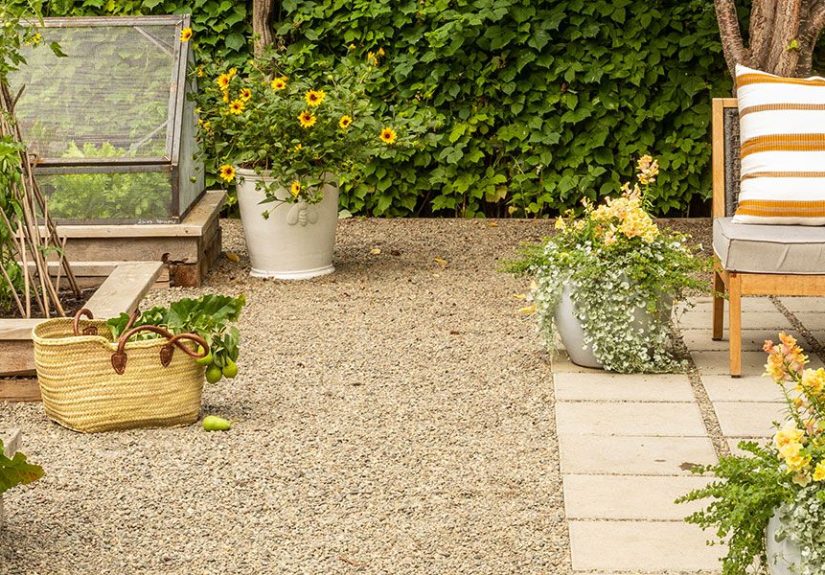
You do not need a luxury renovation to create an outdoor room. Start with one strong anchor element: a rug, a seating set, a privacy screen, or a fire pit. From there, layer in lighting, plants, and textiles. Paint can refresh old furniture. Gravel can define a patio zone affordably. Container plants can create privacy without major construction. String lights can perform visual miracles for the cost of a casual online impulse purchase.
Budget outdoor rooms succeed when they prioritize comfort and intention over size and perfection. A small, well-styled porch with soft lighting and two good chairs beats a giant patio with no soul every single time.
The Experience of Living With Outdoor Rooms
What makes outdoor rooms so memorable is not just how they look in photos. It is how they change daily life. A good outdoor room becomes the place where the morning starts a little slower and the evening ends a little better. Coffee tastes more ceremonial there. Conversations last longer. Even boring tasks, like answering emails or folding laundry from the dryer basket you dragged outside for no logical reason, somehow feel less annoying.
There is also a subtle emotional shift that happens in a well-designed outdoor room. Indoors, everything can start to feel overly scheduled. The same walls, the same routines, the same stack of things you meant to deal with yesterday. Step into an outdoor room, though, and the pace changes. The breeze moves. Light changes by the hour. Plants do their leafy little performance art in the background. The space feels alive, and that makes your home feel larger in a way square footage alone never can.
For families, outdoor rooms often become informal gathering spots. Kids sprawl on floor cushions. Adults linger after dinner. Friends naturally cluster around the softest seat and stay long enough to ask for another drink. A fire pit turns into a storytelling zone. A dining area becomes holiday overflow seating. A shaded lounge becomes the unofficial weekend headquarters. These spaces earn their keep by being flexible and easy to use, not by looking perfect at all times.
For solo homeowners or quieter households, the experience can be even more personal. An outdoor room can function as a private retreat for reading, journaling, gardening, or simply sitting still without feeling like you should be cleaning something. It can become your favorite thinking spot, your best phone-call zone, or the place where you watch storms roll in while feeling smugly protected under a covered roof.
Seasonally, outdoor rooms add another layer of enjoyment to the home. In spring, they feel fresh and full of possibility. In summer, they become natural hubs for meals and late-night conversations. In fall, throws and lanterns make them cozy in a completely unfair way to every neglected indoor chair. Even in cooler months, a protected porch or heated patio can remain useful with the right setup.
Perhaps the best thing about outdoor rooms is that they invite presence. You notice the air, the scent of herbs in a nearby planter, the sound of rain on a pergola roof, the way evening light hits the fence, the ridiculous determination of a bird investigating your snack situation. These are small experiences, but they add up. They make home feel richer, more layered, and more human.
That is why outdoor rooms continue to resonate. They are not just design trends or pretty backyard upgrades. They are spaces that support real life, real rest, and real connection. And if they also make your patio look like it has its life together, well, that is a lovely bonus.
Conclusion
Outdoor rooms work because they combine structure with comfort, beauty with usefulness, and fresh air with the familiar ease of home. Whether you are designing a grand backyard lounge, a compact city patio, a dining deck, or a quiet garden corner, the same principles apply: define the space, give it purpose, add comfort, create atmosphere, and make it easy to enjoy. Do that, and your outdoor area stops being “the backyard” and starts becoming one of the best rooms you have.