Table of Contents >> Show >> Hide
- What Are Custom Cordage Door Mats, Exactly?
- Why Cordage Mats Work So Well Outdoors
- Popular Materials Used in Custom Cordage Door Mats
- How to Choose the Right Custom Cordage Door Mat
- Design Ideas for Styling Custom Cordage Mats Outdoors
- Maintenance: How to Keep a Cordage Mat Looking Good
- Is a Custom Cordage Door Mat Worth It?
- What Real-World Experience With Custom Cordage Door Mats Looks Like
- Final Thoughts
Your front door makes an introduction before you ever get the chance to say, “Come on in.” It hints at your style, your standards, and whether your household is the kind of place that politely requests shoes off or simply accepts that mud is now a family member. That is exactly why custom cordage door mats have become such a smart outdoor upgrade. They are practical, distinctive, weather-tough, and much more interesting than a sad little rectangle that gives up after one rainstorm and a single delivery driver.
At their best, custom cordage door mats blend function with personality. Some are woven from natural coir rope made from coconut fiber. Others are crafted from recycled marine rope or rugged synthetic cordage designed to stand up to wet weather, grit, and heavy foot traffic. The result is a mat that does more than sit there looking decorative. It scrapes shoes, catches debris, adds texture to the porch, and can even tell a story about sustainability, craftsmanship, or coastal style.
If you are looking for an outdoor mat that works hard and still looks like it has opinions about design, this category is worth a serious look. Here is what makes custom cordage door mats special, how to choose the right one, how to style it, and how to keep it looking good long after lesser mats have turned into flattened porch pancakes.
What Are Custom Cordage Door Mats, Exactly?
The phrase custom cordage door mats usually refers to mats made from twisted, braided, woven, or knotted rope-like material. In some cases, that cordage is natural coir, a coarse fiber made from coconut husks. In other cases, it is synthetic rope such as polypropylene, including mats made from repurposed marine rope, float rope, or lobster rope. The “custom” part may refer to the material mix, handwoven construction, made-to-order colors, unusual sizes, or a one-of-a-kind pattern that does not look like it came from the bargain bin beside plastic citronella candles.
These mats stand out because the corded construction creates texture and depth. Instead of a flat surface, you get ridges, knots, loops, and woven channels that help knock dirt, sand, grass, and grime off shoes. That structure also gives the mat a handmade, elevated appearance that feels more curated than mass-produced.
Why Cordage Mats Work So Well Outdoors
They are excellent at scraping debris
Outdoor mats need to do one simple but noble job: stop outside from becoming inside. Cordage mats do this well because their rough or raised surfaces create friction against shoe soles. Coir rope, in particular, is famous for its scrubby texture. If your porch sees muddy boots, sandy flip-flops, or kids who treat the yard like a competitive sport, that texture matters.
They can handle weather better than many decorative mats
Not all mats are built for all conditions, but cordage designs tend to be made with outdoor performance in mind. Natural coir dries fairly quickly and is known for being durable and rot-resistant. Synthetic rope mats, especially marine-style options, are often even tougher in wet conditions because they resist moisture, fading, and breakdown better than softer fabric mats.
They bring serious style to the porch
There is a reason designers and home editors keep coming back to coir, rope, and layered entry mats. They add organic texture, visual warmth, and a crafted look that complements farmhouse, coastal, cottage, traditional, and even minimalist homes. A good cordage mat says, “Welcome,” but in a cooler tone of voice.
They often support a more sustainable story
Many of the most interesting custom cordage mats lean into recycled or natural materials. Coir is a plant-based fiber. Recycled marine-rope mats give old rope a second life instead of sending it to waste. For homeowners trying to make more thoughtful outdoor decor choices, that is a meaningful bonus.
Popular Materials Used in Custom Cordage Door Mats
Coir rope
Coir is the classic choice for a reason. It is stiff, fibrous, and naturally good at scraping dirt from shoes. It also gives a front entry that warm, earthy look that works almost anywhere. The trade-off is that coir can shed over time, especially when new, and it usually performs best in a somewhat sheltered spot rather than a totally exposed porch that gets drenched every afternoon.
Recycled marine rope or float rope
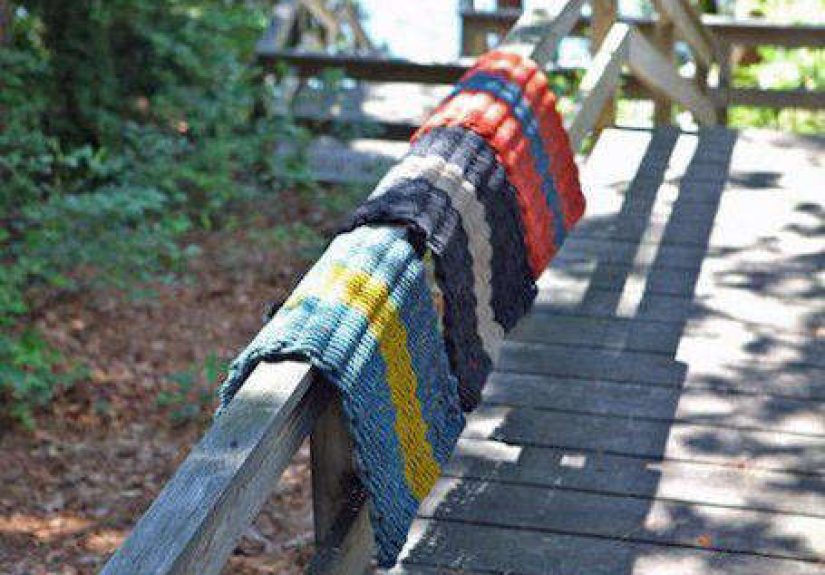
This is where custom cordage gets especially charming. Mats made from recycled lobster or float rope often have bold color combinations, a woven nautical look, and impressive durability. Because marine rope is built for harsh use, these mats tend to be all-weather friendly and easy to rinse clean. They are a natural fit for beach houses, lake homes, boat-loving households, or anyone who wants a mat with character and zero interest in being boring.
Polypropylene and other synthetic cordage
Synthetic cordage mats are practical workhorses. They resist water, hold color well, and can stand up to rain, mud, and repeated cleaning. If you live in a wetter climate or want lower-maintenance performance, this material can be a very smart pick.
Rubber-backed hybrids
Some cordage mats combine natural or synthetic fibers with a rubber or PVC backing. That backing can help the mat stay in place and reduce slipping. It can also improve structure. Just be sure the profile still works with your door swing and that the surface does not become slick in the wrong conditions.
How to Choose the Right Custom Cordage Door Mat
Start with your climate
If your entry is covered, you have more freedom. A coir rope mat can look beautiful and perform well without getting constantly soaked. If your front step is fully exposed to rain, snow, or salty air, synthetic marine rope or a water-resistant hybrid may be the better long-term choice. A mat can be stylish, but if it stays soggy like a forgotten sponge, the romance fades quickly.
Measure your doorway properly
A too-small mat is one of the most common entryway mistakes. It can make even a nice porch look undersized and underplanned. Your mat should feel proportional to the door and the landing. Standard sizes work for many homes, but custom cordage mats are especially useful when you have an unusually wide entry, double doors, or a narrow side entrance that needs a better fit.
Check the thickness
Always make sure the mat is low-profile enough to fit under the door without catching. A thick, luxurious mat is not luxurious if your door jams every morning and your coffee ends up on your shirt.
Think about traction and safety
For outdoor use, grip matters. Look for a non-slip base or a construction that naturally stays put. This is especially important on smooth stone, painted concrete, tile, or wood porches. Safety is not glamorous, but neither is sliding into your hydrangea pot in front of a neighbor.
Match the style to the house
Custom cordage mats come in many moods. Natural coir suits classic and farmhouse homes. Braided marine rope feels coastal and casual. Black-and-natural combinations lean modern. Multicolor float rope brings playful energy. Choose a design that works with your exterior palette, hardware, and planters instead of fighting all of them at once.
Design Ideas for Styling Custom Cordage Mats Outdoors
Keep it natural and clean
A simple natural coir rope mat with black hardware, a painted front door, and two planters creates a timeless look. This works especially well if you want the mat to add texture without shouting for attention.
Go coastal without getting cheesy
Recycled rope mats in blues, creams, grays, or sea-glass tones can give your porch a coastal feel without tipping into anchor-and-seashell overload. Think refined nautical, not “gift shop on a pier.”
Layer your mats
Layering is an easy designer trick. Place a smaller cordage mat over a larger flat woven outdoor rug. The bottom layer adds scale and pattern, while the top mat provides scraping action. This works best on covered porches where moisture is less of a problem.
Customize with stencils or color accents
Plain coir mats can be customized with outdoor paint and stencils. Seasonal motifs, monograms, house numbers, or simple geometric borders can make a basic mat feel personal. Keep the design crisp and limited. A front mat should make a nice first impression, not read like a manifesto.
Maintenance: How to Keep a Cordage Mat Looking Good
The good news is that most cordage mats are relatively easy to maintain. The less good news is that “low maintenance” does not mean “magically self-cleaning.” Here are the basics:
Shake it out regularly
Dirt, leaves, dust, and grit build up fast. A good shake every week or so keeps the mat doing its job and helps prevent that permanently grimy look.
Vacuum when needed
Coir and woven mats often respond well to vacuuming, especially when debris settles deep into the fibers or rope channels.
Rinse with a hose for deeper cleaning
Many outdoor mats can be hosed down. Synthetic rope mats usually handle this especially well. Coir mats can also be rinsed, but they should be allowed to dry thoroughly before going back into service.
Use mild soap, not a chemistry experiment
If the mat needs more than water, use a small amount of gentle soap and a soft scrub. Harsh cleaners are rarely necessary and can shorten the life of some materials.
Let it dry completely
This part matters. A mat that stays damp can collect odors, grime, and mildew. Sun and airflow are your friends.
Replace it when function is gone
Even a good mat has a lifespan. If the texture is flattened, the backing is failing, or it slides around like it is auditioning for slapstick comedy, it is time for a replacement.
Is a Custom Cordage Door Mat Worth It?
For many homes, yes. A custom cordage door mat usually costs more than a generic discount-store option, but it tends to deliver more in return: better debris control, more durable materials, stronger design impact, and a look that feels intentional. If you care about curb appeal, outdoor practicality, or sustainable materials, it is one of those small upgrades that punches above its weight.
It is also a rare decor item that does not force you to choose between pretty and useful. A great mat can be both. Imagine that.
What Real-World Experience With Custom Cordage Door Mats Looks Like
Living with a custom cordage door mat is one of those small home experiences that sounds minor until you realize how often you use it. The difference shows up on rainy mornings, after yard work, during holiday hosting, and on those chaotic afternoons when the dog, the groceries, and the weather all arrive at the same time.
On a covered front porch, a coir rope mat usually feels like the classic overachiever. It catches grit from sneakers, takes the edge off muddy boot prints, and instantly makes the entry look more finished. Homeowners often notice that their porch feels styled even when nothing else changes. Add a clean mat, maybe two planters, and suddenly the whole entrance looks as though someone has their life together. Even if inside, a laundry basket is currently living on a chair.
In coastal or lakeside settings, recycled rope mats tend to earn loyal fans because they handle sand especially well. Instead of clinging to moisture the way some soft mats do, they are often easier to rinse and quicker to bounce back. They also hide wear gracefully. A little salt, sun, and foot traffic can make many products look tired fast, but rope mats often seem to settle into their environment like they belong there.
For busy family homes, the biggest benefit is not glamorous at all: less mess tracked indoors. People often underestimate how much debris a good outdoor mat can intercept before it reaches hardwood, tile, or carpet. A textured cordage design encourages an actual shoe scrape, which is exactly what you want. It is subtle home defense. Very peaceful. Slightly gritty. Effective.
There is also the tactile experience. These mats feel substantial. You can see the weave, the knots, the rope pattern, the natural variation in color. They do not read as disposable. That visual weight makes the entry feel more grounded and deliberate, especially when paired with wood, stone, brick, or painted concrete.
Customization adds another layer of satisfaction. Some people choose a marine-rope mat in colors that echo the front door or shutters. Others go for a natural coir version and personalize it with a monogram, stencil, or seasonal motif. The appeal is that the mat becomes part utility, part design signature. It is still a doormat, yes, but now it is a doormat with a point of view.
The learning curve is simple. New coir mats may shed a bit at first. Rope mats may need an occasional hose-down. Some entries need a non-slip pad or backing, especially on slick surfaces. And sizing matters more than people expect. Once homeowners move up from a too-small mat to one that actually suits the doorway, the whole space tends to look calmer and more expensive.
Perhaps that is the real charm of custom cordage door mats. They solve a practical problem while quietly improving the daily rhythm of coming and going. You wipe your shoes, open the door, and step into a cleaner house through an entry that looks far more polished than the effort required to maintain it. For such a humble object, that is a pretty impressive performance.
Final Thoughts
Custom cordage door mats prove that outdoor essentials do not have to be dull. The right one can help trap dirt, handle the weather, support safer footing, and upgrade your curb appeal in a single move. Whether you choose natural coir, recycled marine rope, or a hybrid design with added grip, the key is matching the mat to your climate, doorway size, and style goals.
Choose well, clean it occasionally, and give it enough room to do its job. Your floors will stay cleaner, your porch will look sharper, and your guests will get the message that this home pays attention to details. Even the ones underfoot.