Table of Contents >> Show >> Hide
- What is Ozempic, and why does it upset the stomach?
- How common is diarrhea with Ozempic?
- Why Ozempic can cause diarrhea (in plain English)
- Who is more likely to get diarrhea on Ozempic?
- “Normal” Ozempic diarrhea vs. red flags
- How to manage Ozempic-related diarrhea at home
- Can you prevent Ozempic diarrhea before it starts?
- Talking with your healthcare provider about diarrhea on Ozempic
- Real-world experiences: living with Ozempic and diarrhea
- Takeaway
Ozempic has quickly gone from “What’s that?” to “My coworker, my cousin, and my neighbor are all on it.”
Along with the buzz about weight loss and better blood sugar control, there’s another very real topic people
are whispering about: diarrhea.
If you’ve started Ozempic (semaglutide) and suddenly feel like you need a detailed map of every bathroom
within a 3-mile radius, you are not alone. Diarrhea is one of the most common side effects of Ozempic and
other GLP-1 medications. The good news: for most people it’s manageable, temporary, and doesn’t mean
anything is “wrong” with you or that you have to give up on the medication.
Let’s break down why Ozempic causes diarrhea, how to tell what’s “normal” versus concerning, and
practical ways to manage and even prevent it so you can focus on your health goalsnot your bathroom schedule.
What is Ozempic, and why does it upset the stomach?
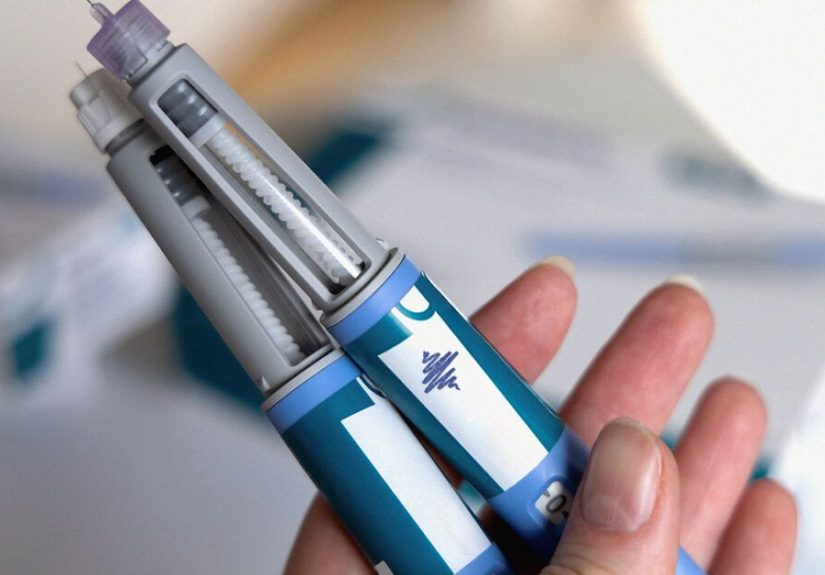
Ozempic is the brand name for semaglutide, a medication in a drug class called
GLP-1 receptor agonists. It’s approved in the United States to:
- Treat type 2 diabetes in adults
- Reduce the risk of certain cardiovascular events in people with diabetes and heart disease
GLP-1 medications mimic a natural hormone that:
- Helps your pancreas release insulin when your blood sugar rises
- Lowers glucagon (another hormone that raises blood sugar)
- Slows down how fast food leaves your stomach
- Signals your brain that you’re full, which can reduce appetite
All of those are helpful for blood sugar and weightbut they also mean your digestive system is being nudged
in a new direction. That shift can trigger gastrointestinal (GI) side effects like nausea, bloating,
constipation, and yes, diarrhea.
How common is diarrhea with Ozempic?
Diarrhea is a well-documented side effect of semaglutide. In clinical trials, GI problems were among the
most frequent reasons people stopped the medication.
Depending on the study and dose:
- Roughly 8–13% of people taking Ozempic had diarrhea at standard diabetes doses.
- For higher doses used for weight management (like in related semaglutide products), diarrhea becomes even more common.
- Most episodes happened earlyduring the first weeks of treatment or after a dose increaseand tended to improve over time.
So if you’re thinking, “Is it just me?” the answer is almost certainly no. Diarrhea is a known class effect of GLP-1 medications, not a personal failure on your part.
Why Ozempic can cause diarrhea (in plain English)
Several things are happening at once when you start Ozempic, and together they can speed things up in the
lower part of your digestive tract:
1. Slower stomach, faster colon
GLP-1 drugs slow down gastric emptyinghow quickly food leaves the stomach. That can cause pressure
higher up in the GI tract. In some people, the body responds by moving things along more quickly lower down,
leading to loose or more frequent stools.
2. Changes in gut hormones and motility
Semaglutide interacts with receptors in the gut and brain involved in appetite, digestion, and motility.
That hormonal “rewiring” can temporarily make your intestines more sensitive and more active, which can show
up as cramping and diarrhea.
3. Different food choices and smaller portions
When people start Ozempic, they often:
- Eat less overall because they feel full sooner
- Change the types of foods they eatsometimes more protein, sometimes more sugar-free products, sometimes more fiber
Any big diet shift can bother your GI system. Sugar alcohols (often in “sugar-free” candies, gums, and drinks)
and sudden jumps in fiber are classic diarrhea triggers.
4. Dose increases and “too fast, too soon”
GI side effects tend to be worse when:
- You start at a higher dose
- Your dose is increased more quickly than your body can adapt
That’s why standard Ozempic dosing uses a gradual “titration” schedule. Rushing the dose increases is one of
the most common reasons people run into more intense diarrhea and nausea.
Who is more likely to get diarrhea on Ozempic?
Anyone can experience diarrhea with Ozempic, but your risk may be higher if:
- You have a history of irritable bowel syndrome (IBS) or a sensitive stomach
- You recently made big changes in diet (like high-fiber or high-fat eating)
- You drink a lot of coffee, energy drinks, or alcohol
- You use other medications that can upset the GI tract (like metformin, magnesium supplements, or certain antibiotics)
- You had significant GI issues with other GLP-1 medications in the past
None of these are automatic deal-breakers, but they’re good to mention to your healthcare provider before
or while you’re on Ozempic so they can help tailor your plan.
“Normal” Ozempic diarrhea vs. red flags
Mild digestive changes are common as your body gets used to Ozempic. But how do you know when diarrhea is
just an annoying side effect versus something that needs urgent attention?
Typical, mild Ozempic-related diarrhea
This might look like:
- Loose or more frequent stools, especially in the first days or weeks after starting or increasing the dose
- Mild cramping that comes and goes
- Symptoms that improve with simple steps like diet changes, hydration, and time
These symptoms are still worth telling your healthcare provider aboutespecially if they’re bothering you
but they’re usually manageable at home.
Red flag symptoms: Call your doctor or seek urgent care
Contact your healthcare provider right away, or seek urgent or emergency care, if you have:
- Diarrhea that is very frequent or watery and lasts more than a day or two
- Signs of dehydration: dizziness, very dry mouth, little or no urination, dark urine, confusion, or feeling faint
- Blood, black, or tar-like stools
- Severe or persistent abdominal pain, especially in the upper abdomen or radiating to the back
- Persistent vomiting that makes it hard to keep fluids down
- Fever or feeling very unwell
In rare cases, semaglutide has been associated with more serious conditions like pancreatitis or gallbladder
problems. Severe pain, especially with nausea and vomiting, is a reason to get evaluated quickly. Always let
urgent care or ER staff know that you’re taking Ozempic or another GLP-1 medication.
Important: This article is for general information only and is not a substitute for medical advice.
Always talk with your own healthcare provider about your specific situation.
How to manage Ozempic-related diarrhea at home
If your symptoms are mild to moderate and you’re otherwise feeling okay, there are several practical steps
that can help calm things down.
1. Adjust what (and how) you eat
Think of this as “digestive system soft launch” mode. For a while, focus on foods that are gentle on your gut.
- Eat smaller, more frequent meals. Big, heavy meals are harder on a slowed stomach and can trigger more diarrhea.
- Go easy on fat. Very greasy or fried foods (fast food, bacon, sausage, cream-heavy dishes) can make diarrhea worse.
- Limit high-fiber foods temporarily if diarrhea is active. Fiber is great long-term, but big jumps in beans, bran, and raw veggies can ramp up loose stools.
- Skip sugar alcohols. Look for ingredients like sorbitol, xylitol, erythritol, and maltitol in “sugar-free” productsthey’re famous diarrhea triggers.
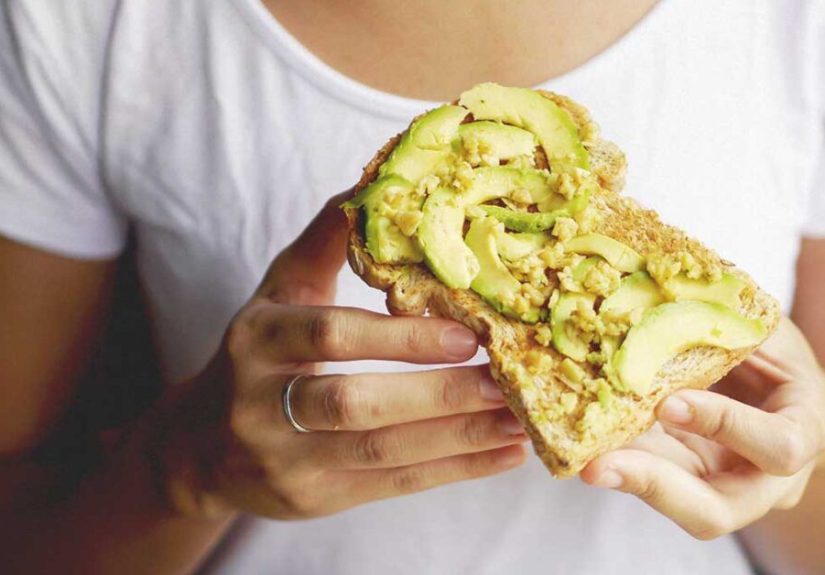
- Try bland staples for a few days. Bananas, white rice, toast, plain crackers, oatmeal, boiled potatoes, and baked chicken are usually easier to tolerate.
Once diarrhea improves, you can slowly reintroduce higher-fiber foodsthink cooked vegetables, oatmeal,
and fruitrather than jumping straight into raw salads and giant whole-grain bowls.
2. Stay ahead of dehydration
Diarrhea can make you lose fluids and electrolytes quickly. Dehydration can make you feel much worse and
can be especially risky if you have kidney disease, are older, or take blood pressure medications.
- Sip fluids throughout the daywater, oral rehydration solutions, or broths.
- If you’re having frequent loose stools, consider an electrolyte drink (look for lower-sugar options).
- Watch your urine color: pale yellow is usually a sign of good hydration; dark yellow or amber suggests you need more fluids.
- If you can’t keep fluids down or feel light-headed, seek medical help.
3. Ask about dose timing and titration
Never adjust your dose on your own, but do talk to your prescriber about options such as:
- Staying longer at a lower dose before increasing
- Delaying your next dose until severe diarrhea has settled
- Stepping back to a previously tolerated dose temporarily
Slow and steady dose increases often mean fewer GI surprises.
4. Over-the-counter options (with your provider’s blessing)
Some people may be able to use over-the-counter remedies for short-term relief:
- Loperamide (Imodium) may help reduce the frequency of stools in certain situations.
- Bismuth subsalicylate (Pepto-Bismol and similar products) can help with mild diarrhea and cramping.
However, these drugs aren’t right for everyone. They should not be used if you have a fever, blood in the stool,
or signs of infection, and they can interact with other medications. Always check with your healthcare provider
or pharmacist before taking any new medication, even over-the-counter.
Some people also ask about probiotics. While they may help some types of diarrhea, evidence is mixed, and
not all strains are the same. It’s best to talk with your provider before adding them, especially if you have
a weakened immune system.
Can you prevent Ozempic diarrhea before it starts?
You may not be able to avoid all GI side effects, but you can often reduce their intensity by planning ahead:
- Follow the starting dose exactly. Don’t jump ahead to higher doses because you “want faster results.” Your gut will notice.
- Don’t have a huge “last hurrah” meal. Very heavy, greasy, or sugary meals right around your first dose can be a perfect recipe for bathroom drama.
- Start practicing small, balanced meals and moderate portions before the first injection.
- Drink water regularly and avoid getting behind on fluids.
- Limit alcohol, especially in the early weeksit can worsen diarrhea and irritate your GI tract.
Keeping a simple symptom diary (what you ate, when you injected, and how your gut behaved) can help you and your provider spot patterns and triggers.
Talking with your healthcare provider about diarrhea on Ozempic
You don’t have to “tough it out” in silence or feel embarrassedyour provider has almost certainly seen
these side effects before. Helpful things to share include:
- When the diarrhea started and how long it has lasted
- How many times per day you’re having loose stools
- Any blood, severe pain, or fever
- What you’re eating and drinking
- Other medications or supplements you’re using
Together, you can decide whether to:
- Adjust your Ozempic dose or timing
- Try supportive medications or dietary strategies
- Evaluate for other possible causes of diarrhea (infections, other illnesses, or medications)
- Consider switching to a different medication if side effects remain intolerable
Remember: needing an adjustment or even changing medications is not a failure. The goal is always a plan that
works for your health and your quality of life.
Real-world experiences: living with Ozempic and diarrhea
If you scroll through online communities, you’ll see a recurring pattern: people who start Ozempic often
share a mix of relief, humor, frustration, and “nobody warned me about this” stories about their bathroom habits.
While every experience is unique, several themes show up over and over.
The “rough first few weeks” phase
Many people describe the first dose or two as a test of patience with their GI tract. The first week might bring:
- A sudden need to find a bathroom within 15–60 minutes after a meal
- Loose stools that come in “waves” during the day
- Cramping or gurgling noises that are… let’s say, more dramatic than usual
For a lot of users, these symptoms peak early and then begin to settle as their body adjustsespecially if
they work with their providers to slow down the dose increases and tweak their eating patterns.
Trigger foods people learn to avoid
Over time, many people become amateur GI detectives. Common “uh-oh” foods they report include:
- Very greasy fast food (burgers, fries, fried chicken)
- Creamy, cheesy dishes and heavy sauces
- Sugar-free candies and gums with sugar alcohols
- Multiple cups of coffee or energy drinks
- Big salads or raw cruciferous vegetables (like broccoli) right after dose increases
On the flip side, they often find a short list of “safe” meals: simple grilled chicken or fish, toast, rice,
bananas, oatmeal, baked potatoes, or eggs. Once the gut calms down, many people can carefully add back
more variety as long as they avoid doing too much, too fast.
The commute and social life problem
Diarrhea can be more than a physical inconvenienceit can affect work, relationships, and confidence.
People commonly mention:
- Scouting out bathrooms at the office or in stores “just in case”
- Feeling nervous about long drives, flights, or meetings without easy restroom access
- Worrying they’ll have to cancel social events if their GI symptoms flare
Some practical coping strategies people use include:
- Planning their largest meal when they’re closer to home, not right before a commute
- Keeping a small “GI kit” with wipes, a change of underwear, and a plastic bag in their car or bagjust for peace of mind
- Letting one trusted friend or partner know what’s going on so they don’t feel alone
While that might sound a bit extreme, many people say that simply feeling prepared helps them feel less anxious.
When people decide it’s worth itor not
In shared stories, you’ll see two main outcomes:
- Some people say, “The first month was rough, but once my dose stabilized and I learned what to eat, my gut settled down and the benefits were worth it.”
- Others conclude, “I tried all the adjustments, but the GI side effects still ran my life. I talked to my provider and we changed medications.”
Both paths are valid. The key is that you don’t have to suffer in silence or feel like you must choose between
your health goals and your ability to leave your house without anxiety. Honest conversations with your healthcare team, plus some trial-and-error with food and routines, can often make a big difference.
Takeaway
Diarrhea with Ozempic is common, especially early in treatment or after a dose increase. It’s usually mild to
moderate and tends to improve over time, but it can be disruptive and uncomfortable while it’s happening.
By understanding why it happens, watching for warning signs, and using practical strategiessmaller meals,
less fat, careful fiber, hydration, and dose adjustments guided by your provideryou can often keep symptoms
in check. If diarrhea is severe, persistent, or accompanied by red-flag symptoms, it’s important to seek
medical care and discuss next steps.
Your health journey with Ozempic should be about more than side effects. With the right support and adjustments,
many people find a balance that lets them get the benefits of the medication without feeling tied to the bathroom.




The advice here is very practical. whattobuyreview.blogspot.com whattobuyreview.blogspot.com