Table of Contents >> Show >> Hide
If you’re looking for a versatile and wholesome side dish, look no further than this Pearled Barley Pilaf. A perfect addition to any meal, this pilaf is a delightful combination of nutty, chewy barley with savory seasonings that make it irresistible. Whether you’re serving it alongside roasted meats or as part of a vegetarian spread, this pilaf will elevate any dinner table.
What Is Pearled Barley?
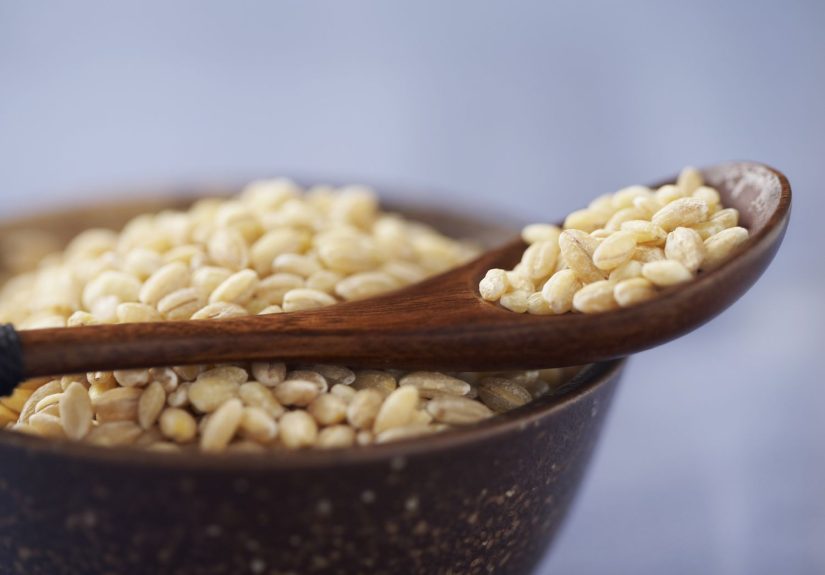
Pearled barley is a form of barley grain that has been polished to remove its tough outer husk. This process gives it a quicker cooking time than whole barley, while still retaining much of its nutritional benefits. Unlike refined grains, pearled barley retains its fiber content, which is great for digestion and maintaining healthy blood sugar levels.
Barley, a grain that’s been enjoyed for centuries, is packed with essential nutrients like iron, magnesium, and B-vitamins. It’s a hearty, satisfying base for many dishes, but pearled barley pilaf really shines due to its versatile texture and flavor profile.
Ingredients for Pearled Barley Pilaf
- 1 cup pearled barley
- 2 cups vegetable or chicken broth
- 1 medium onion, finely chopped
- 2 cloves garlic, minced
- 1 tablespoon olive oil
- 1 teaspoon ground cumin
- 1/2 teaspoon ground turmeric
- Salt and pepper to taste
- 1/2 cup chopped carrots
- 1/4 cup toasted almonds (optional, for garnish)
- Fresh parsley, chopped (optional, for garnish)
Step-by-Step Instructions for Cooking Pearled Barley Pilaf
Step 1: Prepare the Barley
Start by rinsing your pearled barley under cold water. This will help remove any excess starch and prevent the grains from becoming sticky as they cook. Set aside the barley while you prepare the rest of the ingredients.
Step 2: Sauté the Aromatics
In a medium-sized pot, heat the olive oil over medium heat. Add the chopped onion and garlic, cooking for about 2-3 minutes until softened and fragrant. This step adds a deep, savory base to the pilaf, enhancing the flavor of the barley.
Step 3: Add the Spices and Vegetables
Sprinkle in the cumin and turmeric, which will give the pilaf a warm, earthy aroma and golden color. Stir the spices into the onions and garlic, allowing them to bloom in the oil for 1 minute. Next, add the chopped carrots and sauté for another 3-4 minutes, letting them soften slightly. These vegetables add a touch of sweetness and texture to the pilaf.
Step 4: Cook the Barley
Now it’s time to add the rinsed pearled barley to the pot. Stir it into the vegetables and spices, making sure the grains are well coated with the oil and seasonings. Pour in the vegetable or chicken broth and bring the mixture to a boil.
Once boiling, reduce the heat to low and cover the pot. Let it simmer for 30-40 minutes, or until the barley is tender and the liquid has been absorbed. You may want to check on it halfway through and give it a stir to make sure it’s not sticking to the bottom of the pot. If the barley isn’t quite tender after the liquid is absorbed, you can add a little more broth and let it simmer until fully cooked.
Step 5: Garnish and Serve
Once the barley is cooked to your desired tenderness, remove the pot from the heat. Fluff the barley with a fork to separate the grains and give it a light, airy texture. Taste and adjust the seasoning with salt and pepper, if necessary.
For extra texture and flavor, sprinkle some toasted almonds and fresh parsley over the pilaf just before serving. The crunch of the almonds and the brightness of the parsley will make this dish truly stand out.
Why This Pearled Barley Pilaf is a Must-Try
This pearled barley pilaf is not only delicious but also packed with nutritional benefits. Barley is known for its high fiber content, which is great for digestive health and helps regulate blood sugar levels. It’s also a good source of plant-based protein, making it an excellent choice for vegetarians and vegans.
The spices used in this pilafcumin, turmeric, and garlicadd a unique depth of flavor. They’re not only aromatic but also contain anti-inflammatory properties that provide health benefits. Plus, they’re a great way to enhance the overall taste without adding unnecessary salt.
Serving Suggestions
This pilaf is a versatile side dish that can complement many different types of meals. It pairs wonderfully with roasted chicken, grilled fish, or even as a base for a vegetarian platter. You can also serve it with a dollop of yogurt or tahini for added creaminess, or top it with roasted vegetables for a complete vegetarian meal.
For a fun twist, you can even add dried fruits like cranberries or raisins to the pilaf for a touch of sweetness that contrasts nicely with the savory flavors.
Making it Your Own
The beauty of this pearled barley pilaf recipe is that it can be easily customized based on your preferences or what you have on hand. You can swap the carrots for peas, bell peppers, or zucchini, and add different herbs or nuts for variety. Don’t be afraid to experiment with new flavor combinations that suit your taste buds.
Storage and Reheating Tips
If you happen to have leftovers (which is often the case with this crowd-pleaser), store the pilaf in an airtight container in the fridge for up to 3 days. To reheat, simply add a splash of water or broth and warm it up in the microwave or on the stove. The barley will reabsorb the liquid, making it taste just as fresh as the day it was made.
Additional Insights and Experiences with Pearled Barley Pilaf
Over the years, I’ve come to love experimenting with pearled barley pilaf. It’s not only a great way to add a healthy, hearty side to my meals but also an excellent way to introduce barley into my diet when I’m craving something a little different from rice or quinoa.
One of my most memorable experiences with pearled barley pilaf was when I made it for a family dinner. I paired it with roasted lamb and a simple Greek salad. The flavors of the cumin and turmeric paired so beautifully with the richness of the lamb, and the pilaf added a nice texture contrast to the salad. It was a hit among my guests, and everyone asked for the recipe!
Another experience I had was when I served this pilaf at a potluck. I made a larger batch, adding extra vegetables like bell peppers and zucchini for a colorful presentation. People were intrigued by the barley and how it differed from the usual rice-based pilafs. The dish disappeared in minutes, and I was even asked to bring it again the next time we had a gathering.
Over time, I’ve also learned that the key to making a perfect pearled barley pilaf is in the liquid-to-grain ratio and allowing the barley to cook slowly. I used to rush the process, but I’ve found that the slower cooking method yields the fluffiest barley, which absorbs all the flavors from the spices and broth. It’s totally worth the wait!
Conclusion
Pearled barley pilaf is more than just a side dishit’s a nourishing and flavorful addition to any meal. With its nutty texture, vibrant spices, and versatility, it will quickly become a staple in your kitchen. Whether you’re cooking for family, friends, or just enjoying a quiet meal at home, this pilaf is guaranteed to impress.
So why not give it a try next time you’re in the mood for something a little different? With just a few simple ingredients and some creativity, you can make a dish that’s both healthy and delicious.
sapo: Discover the perfect side dish with this Pearled Barley Pilaf recipe. Nutritious, flavorful, and versatile, it’s the ideal complement to any meal.