Table of Contents >> Show >> Hide
- The Moment That Turned a Tagline Into a Punchline
- Why These Fake Slogans Worked So Well
- The Funniest Types of New United Airlines Slogans
- What the Jokes Really Say About Airline Culture
- Why Brand Crises Become Internet Comedy So Fast
- What United’s Slogan Backlash Still Teaches Brands
- The Bigger Picture: Why the Mock Slogans Were More Than a Joke
- 500 More Words on the Experience Behind the Joke
- SEO Tags
Some internet jokes fade in an hour. Others earn a permanent seat in the museum of public sarcasm. The wave of fake slogans aimed at United Airlines belongs in the second category. It was sharp, weirdly creative, and the kind of online comedy that lands because it is built on a very simple formula: take a polished corporate promise, add one major public-relations disaster, shake vigorously, then let social media do what social media does best.
That is exactly why the internet’s made-up United Airlines slogans became so memorable. They were not random one-liners floating in the digital wind. They were a public rewrite of a brand promise. United’s famous line, Fly the Friendly Skies, had been around long enough to feel familiar, warm, and polished. So when people felt that reality and branding were miles apart, the slogan became an open target. Suddenly, the public was not just criticizing an airline. It was auditioning to become its unpaid, very angry copywriting department.
And honestly? The results were brutal in the funniest possible way. The mock slogans spread because they were fast, punchy, and painfully easy to understand. You did not need a long explainer. You just needed one look at the contrast between a comforting airline tagline and the public mood. That gap was where the comedy lived.
The Moment That Turned a Tagline Into a Punchline
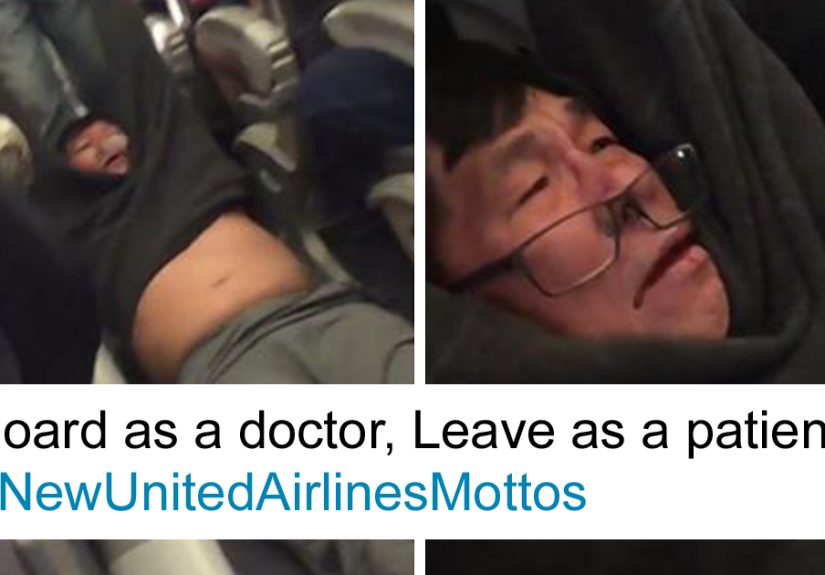
The internet did not invent its fake United slogans in a vacuum. They surged after a widely condemned passenger-removal incident became a national story and triggered a tidal wave of outrage, parody, and brand mockery. Once videos and public reaction spread, United was dealing with more than a customer-service controversy. It was dealing with something companies fear almost as much as lost revenue: being turned into a meme.
That matters because memes are not just jokes. They are reputation in compressed form. A thousand-word think piece can explain why customers feel betrayed, but one fake slogan can do the job in eight words and leave a mark that lasts longer. When people started proposing lines like “We Put the Hospital in Hospitality” or “We’ll Drag You All Over the World,” the jokes were dark, yes, but they also captured the public’s view of the moment with terrifying efficiency.
This is why the slogans felt bigger than a passing hashtag. They were not merely funny tweets. They were miniature verdicts. Each one translated public anger into ad-copy rhythm, which made them even more memorable. If outrage is gasoline online, a catchy phrase is the spark.
Why These Fake Slogans Worked So Well
1. They Hijacked Familiar Branding
Good slogans stick because they are simple, repeatable, and emotionally tidy. That also makes them vulnerable. Once the public knows your line, it can remix it. A slogan is basically a company’s official summary of itself. If people stop believing it, they start rewriting it.
United’s branding had a built-in setup for irony. Friendly is a warm word. Skies is a dreamy word. Put them together and you get an image of pleasant travel, easy service, and smiling competence. Put that same line next to a major public fiasco and it starts sounding less like a promise and more like a dare.
That is the hidden danger of strong branding: when reality clashes with it, the slogan becomes the joke template. The audience already knows the rhythm. All they have to do is twist the ending.
2. The Corporate Language Made Everything Worse
When people are already upset, polished corporate phrasing tends to perform the emotional equivalent of stepping on a rake. In United’s case, words and phrases associated with the fallout became part of the humor machine. Public discussion zeroed in on terms like volunteer and re-accommodate, not because those are exciting words, but because they sounded strangely sanitized next to what people had seen and felt.
That contrast gave joke writers premium material. The internet loves euphemism the way cats love knocking things off tables. Once people sense language being used to soften a harsh reality, parody arrives immediately. A fake slogan becomes an easy way to call out the disconnect. It is criticism disguised as comedy, which is usually the most shareable kind.
3. The Best Ones Sounded Like Real Ads
The funniest mock slogans were not random insults. They sounded like actual campaign lines. They had rhythm. They had a twist. They felt like something a deeply cursed advertising brainstorm might produce at 2:14 a.m. under fluorescent lighting.
That is why they spread. A line like “Hands On Customer Service” works because it sounds plausible for one second before your brain catches up and says, “Oh no.” A slogan like “Enjoy Your Fight” lands because it flips a familiar travel phrase in a way that is brief, mean, and almost poetically efficient.
The Funniest Types of New United Airlines Slogans
The “Friendly Skies” Rewrite
These were the classics. People took the existing brand voice and bent it until it snapped. The humor came from weaponizing friendliness. Instead of promising comfort, the revised slogans suggested chaos, force, or nonsense wrapped in smiling corporate language. It was basically hospitality with villain energy.
Examples in this lane tended to work because they kept one foot in the original message. They still sounded like airline copy. They just replaced reassurance with menace. That made them funny and instantly recognizable.
The Customer-Service Roast
Another rich category focused on the sacred corporate phrase customer service. Once people stop believing a company is acting in the customer’s interest, that phrase becomes comedy bait. So naturally, the internet got busy. Mock lines in this group turned service language into a roast, usually by exaggerating how “helpful” the airline supposedly was.
This kind of joke works because everyone has lived some version of it. Maybe not the same incident, but definitely the broader experience: the apology email that explains nothing, the gate announcement that raises more questions than it answers, the policy readout that sounds like it was written by a toaster with a law degree.
The Travel-Tech Joke
Some of the smartest fake slogans borrowed language from apps, software, and modern convenience culture. Those jokes hit because travel brands love sounding sleek and frictionless. Everything is supposed to be streamlined, elevated, personalized, seamless, and probably synergized by someone in a blazer. So when the public experiences the opposite, all that polished tech language becomes an easy target.
That is why lines with a digital flavor felt so satisfying. They mocked the gap between modern airline marketing and old-school travel frustration. Translation: the app says “upgrade available,” your soul says “gate change in three minutes.”
What the Jokes Really Say About Airline Culture
On the surface, these fake slogans were comedy. Underneath, they were a referendum on air travel. Airlines sell reliability, comfort, and control. Passengers often experience crowds, rules, delays, shrinking personal space, and the exciting thrill of wondering whether their carry-on will fit in a bin clearly designed by pessimists.
That tension is why the United jokes felt so universal. People were not only reacting to one company. They were reacting to the larger emotional ecosystem of modern flying. Airlines are among the few businesses where customers routinely pay significant money to be uncomfortable on purpose. The best carriers manage that reality with transparency and trust. The worst moments happen when process starts to look more important than people.
In that environment, humor becomes a form of revenge. Not literal revenge, obviously. More like emotional reimbursement. If a brand has made people feel powerless, a joke gives the crowd a little power back. It says, “Fine, you may have the boarding process, but we have the group chat.”
Why Brand Crises Become Internet Comedy So Fast
Speed Beats Spin
One reason the United slogan wave exploded is that online audiences move at cartoon speed. By the time a company is drafting careful language, the public has already made memes, reaction videos, fake ads, and a dozen phrases cruel enough to make an intern quit marketing forever.
That means crisis communication now competes with comedy in real time. And comedy usually has the advantage because it is shorter, sharper, and emotionally clearer. People may disagree on policy language. They rarely disagree on a joke that neatly captures how ridiculous a situation feels.
People Trust Witnesses and Tone
Another reason parody wins is that audiences tend to trust what feels immediate. A carefully lawyered statement may be technically correct, but if it sounds cold, detached, or overly polished, people do not hear precision. They hear distance. Humor slices through that distance. It sounds human. It sounds social. It sounds like someone saying what everyone else is already thinking.
In other words, fake slogans flourish when official messaging feels less believable than public sarcasm. That is a terrible place for any brand to end up, because once irony becomes the main public language around your company, you are no longer steering the narrative. You are strapped to the hood of it.
What United’s Slogan Backlash Still Teaches Brands
The lesson is not merely “avoid bad PR,” which is about as useful as saying “avoid turbulence.” The deeper lesson is that branding creates expectations, and expectations become benchmarks. If your slogan promises warmth, your behavior will be judged against warmth. If your marketing sells ease, your process will be judged against ease. The stronger the promise, the harsher the backlash when people feel the opposite.
There is also a language lesson here. Euphemisms rarely save a brand in a crisis. They often act like lighter fluid. When the public already thinks something ugly has happened, polished wording can sound evasive, and evasive language is prime meme compost. The internet loves nothing more than a phrase that sounds technically tidy and emotionally absurd.
Finally, there is the timeless truth that the audience is now part of the copy department. If people do not like your message, they will make a better one, a harsher one, and a more shareable one. Sometimes in under five minutes. Sometimes with punctuation that deserves a standing ovation.
The Bigger Picture: Why the Mock Slogans Were More Than a Joke
As funny as the fake United slogans were, their staying power came from the fact that they did two jobs at once. They entertained people, and they summarized public distrust. That is why the trend remains memorable years later. Most viral jokes are disposable. These stuck because they condensed a full-blown brand crisis into language small enough to fit on a T-shirt, a tweet, or the world’s meanest billboard.
There is also something very American about the whole episode. We love slogans. We love branding. We love the idea that a few words can define a company, a campaign, or a dream. But we also love puncturing hype the second it feels fake. So when a brand line collides with a headline, the public often responds like a nation of caffeinated satirists.
That is exactly what happened here. People did not just laugh at United. They used language to expose the mismatch between image and experience. The jokes were funny because they were concise. They lasted because they were true to how many people felt.
So yes, the internet came up with new slogans for United Airlines, and yes, they were hilarious. But they were also a master class in how modern audiences process frustration: not with a memo, not with a focus group, but with jokes sharp enough to taxi straight into cultural memory.
500 More Words on the Experience Behind the Joke
Part of what made the United slogan trend so powerful is that millions of travelers did not experience it as some distant news item. They connected it instantly to their own flying lives. Even people who had never flown United understood the emotional logic. They had stood at a gate while announcements grew more confusing by the minute. They had watched airline staff talk in polished, professional, oddly bloodless language while a line of tired passengers tried to decode what was actually happening. They had heard cheerful branding in airports that smelled like coffee, panic, and slightly overpriced trail mix.
That shared experience matters. Modern air travel often asks people to accept a strange bargain: pay a lot, arrive early, surrender control, and then act delighted when your boarding group is called only 17 minutes late. Most of the time, people put up with it. They grumble, buy a sandwich that somehow costs the same as a small appliance, and move on. But when something goes visibly wrong, all that stored-up irritation finally gets a microphone.
The fake United slogans felt like that microphone. They gave travelers a way to express not only anger, but recognition. Everyone knows the anxiety of hearing that a flight is full. Everyone knows the weird little performance of waiting at the gate while agents ask for volunteers in increasingly sweet tones that somehow make the situation sound less voluntary by the second. Everyone knows the moment when a corporate phrase is technically understandable but emotionally ridiculous.
That is why the humor spread far beyond people personally affected by the incident. The jokes tapped into the universal traveler feeling of being processed. Not helped. Not guided. Processed. You are scanned, tagged, sorted, seated, delayed, rerouted, and occasionally told that this is all being done for your convenience, which is the travel equivalent of being told a rainstorm is just sky confetti.
There is also the social-media side of the experience. In earlier decades, a bad airline story might have lived in newspaper columns, customer-service calls, or furious dinner conversations. Now it becomes communal immediately. People react together, joke together, and sharpen each other’s observations in public. One person writes a fake slogan. Another improves it. A third turns it into an image. By the time the brand issues a statement, the internet has already held a roast, printed invitations, and selected a host.
In that sense, the United slogan explosion was not just about one airline. It was about how people cope with modern frustration. Humor turns a helpless feeling into a social one. It transforms “I hate this” into “We all see this, right?” That shared recognition is why the experience lingered. The jokes were funny, but they were also a form of group therapy for anyone who has ever been trapped in a travel situation where the official explanation sounded calm, reasonable, and completely disconnected from reality.
And maybe that is the most memorable part of the whole thing. The public did not respond with silence. It responded with copywriting. Savage, efficient, oddly polished copywriting. The airline had the planes, the policies, and the official slogan. The internet had the punchlines. For one unforgettable stretch of online culture, the punchlines won.