Table of Contents >> Show >> Hide
- What “Period Flu” Usually Feels Like
- So Why Does PMS Sometimes Feel Like the Flu?
- Period Flu vs. Real Flu: How to Tell the Difference
- When “Period Flu” Might Be a Sign of Something More
- What Helps: Period Flu Relief That Actually Makes Sense
- 1) Track your cycle like a detective (not like a judge)
- 2) Use anti-inflammatory pain relief correctly (and safely)
- 3) Move gentlyyes, even when you want to become a blanket burrito
- 4) Sleep: the underrated symptom multiplier
- 5) Food tweaks that can make a difference
- 6) Evidence-backed supplements (ask first, especially if you’re a teen)
- 7) Stress tools that don’t feel like homework
- 8) Medical treatments for severe PMS or PMDD
- A “Period Flu” Plan You Can Use Next Month
- Experiences: What “Period Flu” Looks Like in Real Life
- Conclusion
If you’ve ever looked at your calendar, felt a wave of aches, fatigue, and “why is my body doing a group project without telling me?” energyand then your period showed up like, “Surprise!”you’ve met what people often call period flu.
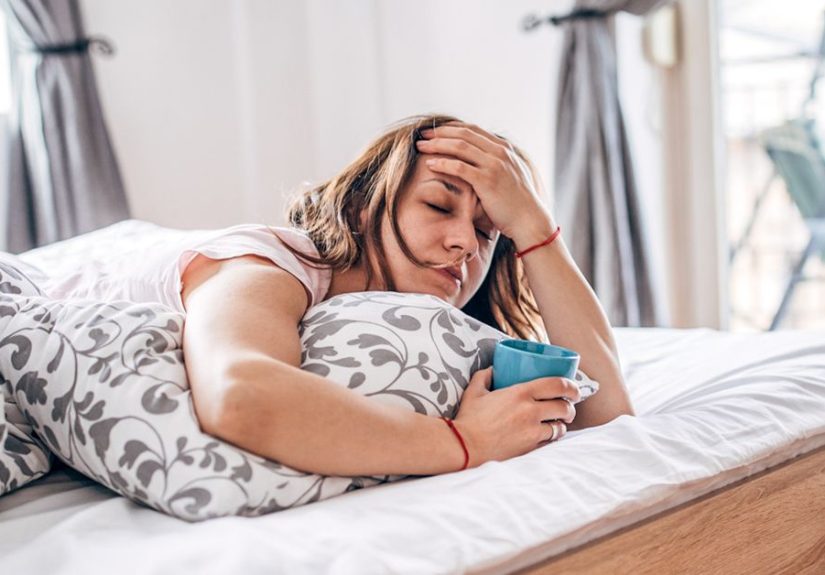
Despite the name, period flu isn’t influenza. You can’t “catch” it, you can’t pass it around, and it won’t show up on a lab test labeled “Uterus: being dramatic.” Instead, it’s a popular, informal term for a cluster of PMS-related symptoms that feel a lot like being sick: body aches, headaches, fatigue, nausea, digestive issues, chills, and that foggy, off-your-game feeling that makes even opening a homework tab feel like a marathon.
This article breaks down why you feel so bad before your period, what’s happening inside your body, how to tell period flu from an actual illness, and what can helpplus a longer “real life” experiences section at the end to make it feel less like a textbook and more like, “Oh wow, yes, that’s me.”
What “Period Flu” Usually Feels Like
Because period flu isn’t a formal medical diagnosis, there isn’t one official symptom checklist. But the “flu-like” feeling tends to show up in the luteal phase (the days after ovulation and before bleeding starts) and often improves once your period beginsor within a few days.
Common period flu symptoms
- Fatigue that feels like your battery is stuck at 12%
- Body aches (muscle or joint pain), soreness, or overall “heavy” limbs
- Headaches or migraines
- Nausea, decreased appetite, or cravings that make no logical sense
- Digestive changes: diarrhea, constipation, bloating, gas
- Chills or feeling temperature-sensitive
- Brain fog, trouble concentrating, irritability
- Sleep issues (insomnia or extra sleepiness)
Some people also report a low-grade temperature or feeling feverish. The key phrase is “low-grade.” A significant feverespecially if it’s new, high, or comes with respiratory symptomsshould be treated like a real illness until proven otherwise.
So Why Does PMS Sometimes Feel Like the Flu?
Your body isn’t pretending. Period flu can feel real because it is realjust driven by a different set of triggers than an infection. The big players are hormone shifts, prostaglandins (inflammation-like chemicals), and the way those changes ripple through your brain, gut, muscles, and energy systems.
1) Hormone shifts: estrogen and progesterone do more than “reproductive stuff”
In the second half of your cycle, progesterone rises (especially after ovulation). If pregnancy doesn’t happen, progesterone and estrogen drop leading into your period. Those shifts can affect:
- Brain chemistry (mood, motivation, stress response)
- Sleep quality (which can directly worsen pain sensitivity and fatigue)
- Fluid balance (bloating, “puffy” feeling)
- Headache patterns (some people are sensitive to estrogen changes)
Think of it like this: your hormones are the backstage crew. When they change the lighting, sound, and stage props, your whole show feels differenteven if the “main character” (you) didn’t ask for a new script.
2) Prostaglandins: the “cramp chemicals” that can travel beyond your uterus
Prostaglandins are natural, hormone-like compounds involved in inflammation and muscle contractions. They help your uterus contract to shed its lininguseful, but not always comfortable. When prostaglandins are higher, you may get stronger cramps. And because prostaglandins can have broader effects, they can also contribute to symptoms like nausea, diarrhea, headache, and that “whole-body” unwell sensation.
This is one reason period flu can include digestive chaos. Your uterus and your intestines live in the same neighborhood, and prostaglandins don’t always respect property lines.
3) Inflammation and “sickness behavior”: why your body aches and your brain fogs
When people get the actual flu, they often experience aches, fatigue, low energy, and brain fog. Those aren’t random; they’re part of a protective pattern sometimes called “sickness behavior.” Your body shifts priorities toward rest and recovery.
Before your period, some people may experience a similar “downshift” feelinglikely influenced by hormonal changes and inflammatory signaling. Even without an infection, your body can feel achy, drained, and emotionally raw. It’s not weakness. It’s biology being loud.
4) The gut connection: PMS can mess with your digestion
If your pre-period experience includes diarrhea, constipation, nausea, or cramping that feels more “intestinal” than “uterine,” you’re not alone. Digestive symptoms can fluctuate across the menstrual cycle, and many people report GI changes around PMS and menstruation.
Practical translation: if your period is coming, your stomach might act like it’s auditioning for a drama series.
Period Flu vs. Real Flu: How to Tell the Difference
Because period flu feels so similar to being sick, the question becomes: Is this PMS or am I actually ill? Here’s a useful way to think about it.
Clues it’s probably period flu
- It happens around the same time each cycle (a few days to a week before bleeding starts)
- Symptoms improve once your period begins or within a few days
- You have PMS signs too (bloating, breast tenderness, mood changes)
- You don’t have strong “infection” signals like a sore throat, cough, or high fever
Clues it might be an actual illness (get checked if needed)
- High fever or fever that lasts
- New or worsening respiratory symptoms (cough, sore throat, shortness of breath)
- Symptoms that don’t follow your cycle pattern or keep getting worse
- Severe weakness, dehydration, or inability to keep fluids down
If you’re unsure, treat it like a real illness first: rest, hydrate, and consider medical adviceespecially if fever is significant or symptoms are intense.
When “Period Flu” Might Be a Sign of Something More
Most PMS symptoms are annoying but manageable. However, certain patterns deserve extra attention.
PMDD: PMS turned up to max volume
Premenstrual Dysphoric Disorder (PMDD) is a more severe form of PMS that includes significant mood symptomslike intense irritability, anxiety, depression, or feeling emotionally out of controlalong with physical symptoms. If your pre-period symptoms seriously affect school, relationships, or daily life, it’s worth discussing PMDD with a qualified clinician.
Severe pain isn’t something you should have to “just deal with”
If cramps or pelvic pain keep you from normal activities, or if pain is getting worse over time, talk to a healthcare professional. Conditions like endometriosis can cause significant pain and can sometimes be missed when people are told “periods are just supposed to hurt.” (Spoiler: not like that.)
Other issues that can mimic or worsen “period flu”
- Anemia (can worsen fatigue and weakness)
- Thyroid disorders (can affect energy, mood, temperature tolerance)
- Migraines triggered by hormone shifts
- GI conditions (if digestive symptoms are extreme or persistent)
What Helps: Period Flu Relief That Actually Makes Sense
There’s no one magic cure, but there are layers of reliefthe kind that add up. You don’t need to do everything. Pick a few that match your symptoms.
1) Track your cycle like a detective (not like a judge)
Keep a simple log for 2–3 cycles: when symptoms start, what they are, how intense, and when they end. This helps you spot patterns and plan ahead. It’s also incredibly helpful if you talk to a clinician, because it turns “I feel terrible sometimes” into “I feel terrible on days 24–27.”
2) Use anti-inflammatory pain relief correctly (and safely)
Over-the-counter options like NSAIDs (for example, ibuprofen or naproxen) can help with cramps and pain for many people. They work partly by reducing prostaglandin-related effects, which is why they may help not just cramps but also some of the “achy” feelings. Always follow label directions and check with a healthcare professional if you have medical conditions, take other medications, or aren’t sure what’s safe for you.
3) Move gentlyyes, even when you want to become a blanket burrito
Regular aerobic activity can help some PMS symptoms like fatigue, low mood, and difficulty concentrating. On rough days, “exercise” might be a short walk, stretching, or easy yogasomething that tells your nervous system, “We’re safe,” without demanding a fitness montage.
4) Sleep: the underrated symptom multiplier
When sleep dips, everything feels worsepain, mood, cravings, headaches, focus. Try a consistent schedule, reduce late-day caffeine, and do a “landing routine” (dim lights, low-stimulation activity) before bed. You’re not being dramatic; you’re being strategic.
5) Food tweaks that can make a difference
There’s no perfect PMS diet, but many people feel better when they:
- Eat balanced meals (protein + fiber) to stabilize energy
- Reduce high-salt foods if bloating is intense
- Limit caffeine if anxiety, sleep issues, or breast tenderness spike
- Stay hydrated (dehydration can worsen headaches and fatigue)
6) Evidence-backed supplements (ask first, especially if you’re a teen)
Some guidelines and medical references mention supplements like calcium, magnesium, and vitamin B6 as possible supports for PMS symptoms. Supplements can interact with medications or be unsafe at high doses, so it’s smart to discuss them with a guardian and a healthcare professional before starting anything new.
7) Stress tools that don’t feel like homework
Stress doesn’t “cause” period flu, but it can amplify symptoms. Helpful options include breathing exercises, short mindfulness sessions, progressive muscle relaxation, or even a non-serious hobby that pulls your brain out of threat mode (music, drawing, low-stakes gaming, journaling).
8) Medical treatments for severe PMS or PMDD
If symptoms are severe, recurring, and disruptive, clinicians may discuss options like:
- SSRIs (a type of antidepressant that has evidence for PMS/PMDD symptom relief)
- Hormonal birth control (may help some people; sometimes requires trying different types)
- CBT (cognitive behavioral therapy) for coping strategies and symptom management
The goal isn’t to “tough it out.” The goal is to get your life back.
A “Period Flu” Plan You Can Use Next Month
If your period flu tends to hit like clockwork, try this simple plan:
7–10 days before your period (early warning phase)
- Check your calendar and plan lighter tasks if possible
- Prioritize sleep and hydration
- Do gentle movement most days
- Prep easy foods/snacks so you’re not making big decisions while foggy
2–3 days before your period (peak “why am I like this” phase)
- Use safe pain relief if needed and appropriate
- Heat (warm shower, heating pad) for cramps and aches
- Small meals if nausea hits
- Choose low-effort comfort: soft clothes, low-stress activities, extra rest
When bleeding starts
- Notice whether symptoms improvethis pattern helps confirm period flu vs. illness
- Keep tracking so you can adjust what works
Experiences: What “Period Flu” Looks Like in Real Life
People describe period flu in a lot of different ways, but the most common theme is this: it feels weirdly personal, like your body studied your schedule and chose the worst possible day to launch symptoms. Here are a few composite-style experiences (based on common patterns people report) that may sound familiar.
Experience 1: “I thought I was getting sick… every month.”
One student noticed that about two days before their period, they’d wake up with a scratchy, “coming-down-with-something” feeling. Not a full sore throat, not a coughjust a low-level blah: body aches, chills, fatigue, and a headache that made bright screens feel rude. At first, they kept treating it like an oncoming cold: extra orange juice, extra blankets, canceled plans. Then they looked back at three months and realized the pattern was almost identical each time. Once they started tracking it, the experience became less scary and more manageable: the symptoms weren’t randomthey were timed.
The biggest change wasn’t a miracle cure. It was preparation: planning lighter study sessions, keeping hydration and snacks ready, and using a heating pad early when aches started. The feeling didn’t disappear overnight, but it stopped being a monthly surprise attack.
Experience 2: The digestive plot twist
Another common experience: the person doesn’t just feel achythey feel like their stomach is rewriting the rules of physics. The week before bleeding starts, they might bounce between constipation and diarrhea, get nauseated by foods they usually love, or feel bloated enough to unbutton jeans they wore yesterday.
This version of period flu can be extra confusing because it mimics food poisoning or a stomach bug. People often report that the key clue is the timeline: symptoms ramp up before the period, then ease once bleeding begins. Some find it helps to eat smaller meals, focus on gentle foods when nausea spikes, and keep a water bottle nearby. Others realize caffeine or very salty snacks make bloating worse, so they reduce those just in the pre-period window.
Experience 3: The “I’m exhausted and also annoyed at the sun” phase
Many people describe a specific kind of fatigue before their period: not the “I stayed up late” tired, but the “my limbs are made of wet sand” tired. It often comes with brain fogforgetting simple words, rereading the same paragraph, or feeling emotionally sensitive for no clear reason. Some report headaches or migraines that make normal noises too loud and normal lights too bright.
In this experience, the most helpful shift is permission: permission to rest without guilt, to keep expectations realistic, and to treat the symptoms like something that deserves care rather than something to “push through.” People often describe building a small “period flu kit”: pain reliever if appropriate, electrolyte drink or herbal tea, a heating pad, snacks that don’t trigger nausea, and a comfort activity that’s low-effort (music, a cozy show, journaling, or a game that doesn’t require intense focus).
Experience 4: “It wasn’t just PMSI needed help.”
Some experiences are a sign to level up support. A person might notice their pre-period symptoms include intense mood changespanic-like anxiety, deep sadness, anger that feels out of proportion, or feeling unable to function. They may start missing school, withdrawing socially, or feeling unlike themselves. For some, that points toward PMDD or another treatable condition.
In these cases, tracking symptoms and talking to a clinician can be life-changing. Treatment may include therapy (like CBT), medication options (including SSRIs), or hormonal approaches. The experience many people describe afterward isn’t “I became a different person”it’s “I got my normal back.”
The takeaway from all these experiences: period flu is common enough to have a name, but it’s not something you must accept as inevitable misery. With tracking, targeted relief, and medical support when needed, the month can stop feeling like it comes with a built-in flu coupon.
Conclusion
Period flu is the unofficial name for flu-like PMS symptoms that show up before your periodoften driven by hormone shifts, prostaglandins, and cycle-related changes that can affect pain, digestion, sleep, and energy. If your symptoms are predictable and fade with your period, it’s likely period flu. If you have high fever, new respiratory symptoms, or severe disruption to daily life, it’s worth getting medical guidance. You deserve a plan that helps you feel like yourselfnot a monthly mystery illness.