Table of Contents >> Show >> Hide
- What Is a Petite Wall Lamp with a Parabolic Shade?
- Why This Design Works So Well
- Best Places to Use a Petite Wall Lamp with Parabolic Shade
- How to Style It Without Overthinking It
- What to Check Before You Buy
- Who Should Buy This Kind of Lamp?
- Final Thoughts
- Real-Life Experiences with a Petite Wall Lamp with Parabolic Shade
- SEO Tags
A petite wall lamp with a parabolic shade is one of those design pieces that quietly does a lot of heavy lifting. It saves space, adds personality, and throws light exactly where you want it instead of blasting your whole room like an interrogation scene in a crime drama. If you are shopping for a small wall sconce, planning a bedroom refresh, or trying to make a hallway feel more polished, this style deserves a serious look.
What makes it special is the balance of form and function. The lamp stays visually light and compact, while the parabolic shade helps direct and soften illumination. The result is a fixture that can look elegant, modern, vintage-inspired, or even a little architectural depending on the finish and mounting style. In other words, it is tiny, but it has opinions.
In this guide, we will break down what a petite wall lamp with a parabolic shade actually is, why people love it, where it works best, how to style it, and what to check before buying one. We will also talk about real-life experience, because lighting is not just about looks. It is about how your room feels at 6:30 a.m. and how kind it is to your eyeballs at 10:30 p.m.
What Is a Petite Wall Lamp with a Parabolic Shade?
A petite wall lamp is simply a small-scale wall-mounted light fixture. “Petite” usually means the lamp has a narrower profile, shorter reach, or more compact silhouette than a standard wall sconce. That makes it ideal for tighter spaces such as beside a bed, over a reading corner, in an entryway, or along a hallway where you do not want the fixture sticking out like a dramatic elbow.
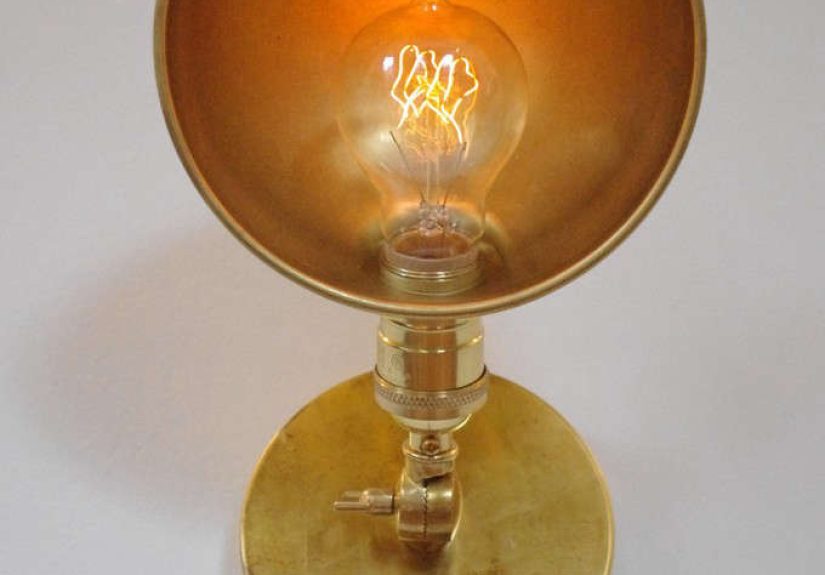
The parabolic shade is the real design star. A parabolic shape curves in a way that helps direct light efficiently. In practical terms, that often means the lamp can cast illumination downward, outward, or in a focused pool rather than spraying light in every direction. The look can feel clean and sculptural, but it also serves a purpose: better glare control, more useful task lighting, and a more intentional lighting effect overall.
This combination makes the fixture popular in interiors that want both beauty and performance. It can complement mid-century modern spaces, contemporary rooms, transitional homes, and even minimalist interiors where every object has to earn its spot. A petite wall lamp with a parabolic shade often feels refined because nothing about it is oversized or accidental.
Why This Design Works So Well
1. It Directs Light More Intentionally
One of the biggest advantages of a parabolic shade wall lamp is how it handles light. Instead of leaving the bulb visually exposed, the shade helps manage brightness and direct the beam. That can make the lamp more comfortable to live with, especially in bedrooms, reading areas, and hallways where harsh glare gets old fast.
2. It Saves Surface Space
Table lamps are lovely, but they also hog real estate. If your nightstand is the size of a hardcover novel, a wall-mounted fixture is a smart move. A petite wall sconce frees up room for your phone, water glass, alarm clock, and the mystery novel you promise you will finish this week.
3. It Adds Architectural Interest
A small wall lamp can do more than light a room. It can frame a bed, punctuate a blank wall, highlight artwork, or bring rhythm to a narrow corridor. Because the parabolic shade has a shaped, intentional form, it often reads as decorative even when the light is off. That means the fixture contributes to the room all day, not just after sunset.
4. It Feels Tailored, Not Bulky
Some lighting fixtures look like they wandered in from a ballroom and never got the memo that your apartment is 900 square feet. A petite wall lamp solves that problem. Its smaller scale makes it easier to use in cozy rooms or layered lighting schemes without overpowering everything nearby.
Best Places to Use a Petite Wall Lamp with Parabolic Shade
Beside the Bed
This is probably the most obvious and most useful placement. Installing matching wall lamps on either side of the bed creates symmetry and clears off the nightstands. A parabolic shade is especially helpful here because it can focus light downward for reading while keeping the bulb from glaring directly into your face. Nobody wants bedtime lighting that feels like a dentist’s office.
In a Reading Nook
If you have a chair, a small side table, and ambitions of becoming the sort of person who calmly reads for an hour every evening, a petite wall lamp can complete the setup. It provides focused light without adding floor-lamp clutter, which matters in smaller rooms.
In Hallways and Entryways
Hallways often suffer from flat, overhead-only lighting. A small wall sconce can add dimension and make the space feel designed instead of merely passed through. In an entryway, the same fixture can create a welcoming glow that says, “Yes, this home has taste,” before guests even see the couch.
Near a Vanity or Mirror
In bathrooms or dressing areas, petite wall lamps can work well when properly rated for damp locations and placed thoughtfully around a mirror. Their controlled light can be flattering and functional, especially when paired with warm white bulbs and dimming capability.
Above a Desk or Accent Corner
In a home office, studio apartment, or multipurpose room, a petite wall lamp can define a work zone or highlight a styled corner without eating up desk area. It is a surprisingly effective move in rooms where every inch matters.
How to Style It Without Overthinking It
Choose a Finish That Matches the Room’s Mood
The finish changes the entire personality of the lamp. A brass or aged brass wall lamp tends to feel warm and classic. Matte black looks crisp and graphic. Polished nickel or chrome can lean more modern or slightly retro. Powder-coated colors can make the fixture playful, especially in kid-friendly rooms or creative spaces.
If the rest of the room already has hardware in a specific tone, you can match it for cohesion. Or, if you prefer a more collected look, coordinate rather than match exactly. Good interiors are rarely about perfect uniformity. They are more about making different elements look like they belong to the same interesting family.
Pay Attention to Bulb Color Temperature
Even the prettiest wall lamp can look disappointing with the wrong bulb. For bedrooms, living rooms, and cozy corners, a warm white bulb in the 2700K range usually feels inviting. For task-focused spaces where clarity matters, some people prefer something slightly cooler, but most homes still benefit from staying on the warmer side.
Use Dimming Whenever Possible
A dimmable wall sconce gives you flexibility. Bright enough for reading, soft enough for winding down, and subtle enough for evening ambiance. Dimming is the difference between “this room looks nice” and “this room feels right.”
Mind the Mounting Height
Placement matters more than people expect. Beside a bed, the lamp should sit at a height that supports reading and looks visually balanced relative to the headboard. In a hallway, it should feel comfortably above eye level without floating awkwardly. The exact height depends on the lamp’s size, shade angle, and the furniture nearby, but the goal is simple: useful light, pleasing proportion, no forehead collisions.
Layer It with Other Light Sources
A petite wall lamp should not always be expected to do the whole job alone. It often works best as part of layered lighting alongside ceiling fixtures, table lamps, or floor lamps. This creates depth in the room and gives you more control over mood and function.
What to Check Before You Buy
Hardwired vs. Plug-In
Some wall lamps are hardwired into the wall for a cleaner, built-in look. Others are plug-in models, which are easier to install and renter-friendlier. If flexibility matters more than seamlessness, plug-in can be a very practical choice. If you want a polished, custom appearance, hardwired usually wins.
Shade Size and Projection
“Petite” does not always mean the same thing from brand to brand. Check dimensions carefully. Pay attention to how far the fixture extends from the wall, the diameter of the shade, and the backplate size. A lamp that looks dainty in a product photo can still feel oversized next to a slim headboard or small mirror.
Bulb Type and Brightness
Look at the bulb base, wattage recommendations, and whether the lamp works best with LED bulbs. If the fixture will be used for reading or task lighting, make sure the output is sufficient. If it is mostly decorative, you may prefer lower brightness and warmer light.
Adjustability
Some petite wall lamps are fixed, while others swivel, pivot, or angle. A fixed lamp can be beautifully streamlined, but an adjustable version may be more practical beside a bed or chair where the light needs to work a little harder.
Material and Maintenance
Metal shades are durable and easy to wipe down. Painted finishes can add color but may show wear over time depending on the quality. If the interior of the shade is reflective, it may boost light output. If it has a matte interior, the glow may be softer and more subdued.
Who Should Buy This Kind of Lamp?
A petite wall lamp with a parabolic shade is a smart fit for people who want stylish lighting without visual bulk. It is especially good for apartment dwellers, small-bedroom owners, design-conscious minimalists, and anyone tired of sacrificing nightstand space to a chunky table lamp.
It is also a great option for shoppers who care about lighting quality. The shade shape can improve comfort, reduce direct glare, and make the lamp feel more purposeful. If you want a fixture that looks decorative but still works hard, this style checks a lot of boxes.
On the other hand, if you need broad ambient light for a large room, this should probably not be your only fixture. Think of it as a specialist. It is excellent at targeted, layered, intimate lighting. It is not trying to be a stadium spotlight, and frankly, that is part of its charm.
Final Thoughts
The best lighting choices are the ones that improve your room both visually and practically, and a petite wall lamp with a parabolic shade does exactly that. It offers compact scale, focused illumination, and strong design presence without crowding the space. Whether you install one beside a bed, in a hallway, or above your favorite reading chair, it can make the room feel more intentional, more polished, and more comfortable to use.
It is proof that small fixtures can still have a big impact. When chosen thoughtfully, this kind of wall sconce does not just brighten a corner. It sharpens the whole room’s personality. And that is a pretty impressive résumé for something mounted with a bracket and a little confidence.
Real-Life Experiences with a Petite Wall Lamp with Parabolic Shade
Living with a petite wall lamp with a parabolic shade often changes how a room feels in ways that are hard to understand from a product photo alone. On paper, it sounds simple: a small wall light with a shaped metal shade. In real life, it becomes part of your routine. It is the light you click on when you wake up before sunrise, the glow that makes your bedroom feel softer at night, and the small design detail that somehow makes the whole room look more finished.
One of the most common experiences people have is surprise at how much visual clutter disappears once a wall lamp replaces a table lamp. A bedside setup instantly feels calmer. The nightstand is no longer a chaotic negotiation between a lamp base, charging cables, books, lip balm, and a glass of water. With the light off the surface and onto the wall, the room can feel cleaner and more intentional without any major renovation.
Another noticeable difference is how controlled the light feels. A parabolic shade tends to guide the glow instead of letting it spill everywhere. That means reading in bed can feel more comfortable, especially for people who do not want harsh light bouncing directly into their eyes. If one partner is reading and the other is trying to sleep, this style can also be a bit more civilized than a lamp that illuminates the entire room like it is hosting a press conference.
People also tend to appreciate how this kind of lamp performs during in-between moments. It is not only useful for full-on reading sessions or task lighting. It is excellent for low-key evening ambiance. Turn it on while folding laundry, answering a few emails, or winding down with a podcast, and the room takes on a gentler mood. That is where good lighting earns its keep: not in dramatic showroom moments, but in ordinary daily life.
From a style perspective, the experience is often about balance. The petite scale keeps the fixture from taking over the wall, while the parabolic shade still gives it enough character to feel deliberate. In a small bedroom, narrow hallway, or studio apartment, that balance matters. A large fixture can dominate the room, but a petite wall sconce tends to look tailored. It gives presence without demanding applause every five seconds.
There are practical lessons, too. People quickly learn that placement matters. Mount the lamp too high, and the light can feel disconnected from the bed or chair below it. Mount it too low, and it may look awkward or create glare. Once positioned correctly, though, the fixture usually feels natural, like it was always supposed to be there. The same goes for bulb choice. A warm dimmable bulb often turns a nice-looking lamp into one that feels genuinely comfortable to live with.
Overall, the day-to-day experience tends to be less about flashy drama and more about quiet satisfaction. A petite wall lamp with a parabolic shade makes small spaces work better, makes lighting feel more intentional, and adds a thoughtful detail that people notice even when they cannot immediately explain why the room feels so polished. It is one of those rare home upgrades that looks good, works hard, and keeps proving useful long after the excitement of installation day has passed.