Table of Contents >> Show >> Hide
- Meet the Petunia: A Quick Primer (So You Buy the Right One)
- When to Plant Petunias Outdoors (Timing = Fewer Tears)
- Where Petunias Thrive: Sun, Soil, and the Myth of “It’ll Be Fine”
- Planting Petunias in Beds, Borders, and Containers
- Watering Petunias Outdoors: The “Evenly Moist” Sweet Spot
- Fertilizing Petunias: Feed the Bloom Habit
- Deadheading and Pruning: How to Keep Petunias From Going Full “Stringy”
- Common Petunia Problems (And How to Fix Them Without Yelling)
- How to Keep Petunias Blooming Until Frost (A Weekly Routine)
- Petunia Care Across U.S. Climates
- Design Ideas: Make Petunias Look Like You Hired a Pro
- Frequently Asked Questions
- Real-World Petunia Lessons (Extra of Experience)
- Conclusion
Petunias are the extroverts of the flower world: loud colors, nonstop chatter (blooms), and an uncanny ability to
make your porch look like you have your life together. The best part? They’re not complicatedjust a little
particular. Give them sun, decent drainage, regular snacks (fertilizer), and the occasional haircut, and they’ll
perform like they’re on a summer tour: spring to frost, encore included.
This guide walks you through outdoor petunia care in a practical, laugh-when-you-mess-up waybecause gardening is
basically optimism with dirt under your nails. We’ll cover varieties, planting, watering, feeding, deadheading,
pruning, and how to handle the classic petunia drama: legginess, fewer blooms, soggy roots, and surprise caterpillars.
Meet the Petunia: A Quick Primer (So You Buy the Right One)
“Petunia” isn’t one-size-fits-all. Picking the right type is half the battlelike choosing shoes for a hike versus
a wedding. Both can be pretty, but one is going to hurt.
Common Petunia Types You’ll See at Garden Centers
- Grandiflora: Big, showy flowers. Gorgeous, but more likely to look rough after heavy rain.
- Multiflora: More flowers, slightly smaller blooms, generally tougher and weather-hardy.
- Milliflora: Tiny, tidy blooms; great for edging and small containers.
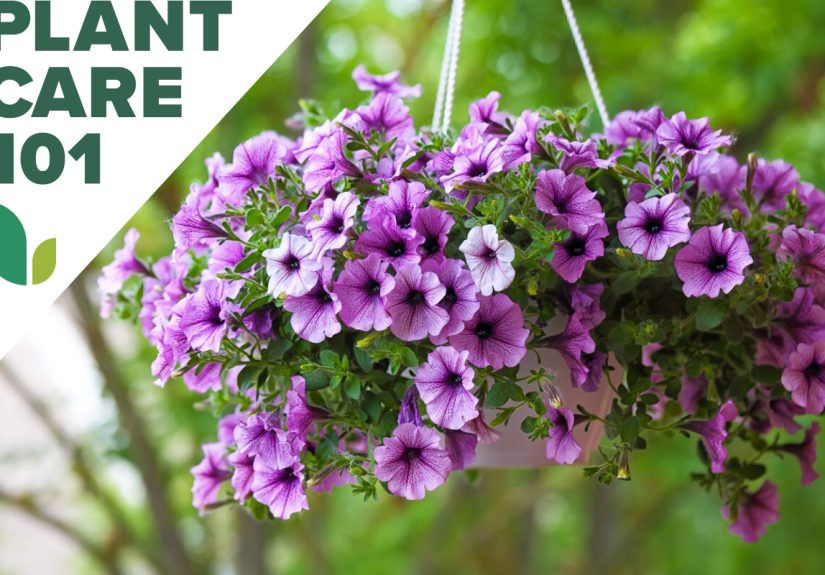
- Spreading/Trailing (Wave-style): Fast-growing, sprawling, excellent groundcovers and hanging baskets.
- “Self-cleaning” types: Many modern trailing varieties drop old blooms on their own, but still appreciate occasional grooming.
Quick shopping tip: if the tag says “spreading,” “wave,” “trailing,” or “supertunia,” assume it will grow like it
means itso give it space, food, and a plan for where it’s allowed to spill.
When to Plant Petunias Outdoors (Timing = Fewer Tears)
Petunias are warm-season annuals. Translation: they are not fans of cold soil or surprise frosts. Plant too early,
and you’ll spend spring hovering over them like a worried parent at a middle-school dance.
The Outdoor Planting Sweet Spot
Plant petunias after your last frost date, once nights stay mild and the soil has warmed. In many regions, that’s
mid-to-late spring, but it varies widely across the U.S. (Florida gardeners may plant in cooler months, while
northern gardeners wait longer).
Hardening Off (Yes, Your Plants Need “Outside Practice”)
If your petunias came from a greenhouse or your bright windowsill, introduce them to the outdoors gradually:
a few hours of shade and calm wind at first, then more sun over several days. This reduces transplant shock and
sun-scorch. Think of it as letting them stretch before the marathon.
Where Petunias Thrive: Sun, Soil, and the Myth of “It’ll Be Fine”
Sunlight: The Bloom-Making Machine
Want more flowers? Give more sun. Most petunias perform best with at least 6 hours of direct sunlight. In very hot
climates, a little afternoon shade can help them avoid frying, but too much shade usually means fewer blooms and
longer, floppier stems.
Soil: Drainage First, Fertility Second
Petunias like well-drained soil. If water sits after rain, petunias sulkand then rot. Improve garden beds with
compost to loosen heavy soil, or plant in raised beds. In containers, use a quality potting mix (not garden soil).
Aim for a slightly acidic to neutral soil range; if your garden tends alkaline, petunias may show nutrient issues
faster.
Planting Petunias in Beds, Borders, and Containers
Spacing: Give Them Room to Breathe (And Avoid Fungus Drama)
Spacing depends on the variety. As a general guideline:
- Mounding types: about 10–12 inches apart
- Trailing/spreading types: about 18 inches apart (or more in big beds)
- Milliflora: closer spacing (often 4–6 inches) for a dense look
How to Plant (Without Accidentally Stressing Them Out)
- Choose a sunny spot or a container with drainage holes (non-negotiable).
- Loosen soil and mix in compost if needed; in pots, fill with fresh potting mix.
- Remove the plant from its nursery pot gently; tease circling roots if they’re tightly bound.
- Plant at the same depth it was growing in the pot (no burying the stem like a treasure chest).
- Water thoroughly to settle soil around roots.
- Mulch lightly in beds to reduce evaporation and soil splash.
Containers and Hanging Baskets: Beautiful, Thirsty, and Slightly High-Maintenance
Petunias in containers dry out faster and leach nutrients faster. That’s not a flawit’s physics. If you want
overflowing basket blooms, plan for more frequent watering and feeding. Bigger containers help by holding more
moisture and buffering temperature swings.
Watering Petunias Outdoors: The “Evenly Moist” Sweet Spot
Petunias like consistent moisture, but they hate swampy roots. Your goal is deep watering that encourages deep
roots, not constant surface sprinkles that create shallow, cranky plants.
Practical Watering Rules That Actually Work
- In-ground: Water deeply when the top inch feels dry. In normal weather, this may average about weekly.
- Containers: Check daily in warm weather. Hanging baskets in full sun can need water every daysometimes twice in heat waves.
- Morning is best: Leaves dry faster, reducing disease pressure.
- Avoid soaking foliage: Aim water at the soil line to reduce mildew and gray mold risk.
Are You Overwatering or Underwatering? Here’s the Detective Work
- Underwatering signs: wilting that doesn’t bounce back in evening, crispy edges, stunted growth.
- Overwatering signs: yellowing leaves, limp stems, sour-smelling potting mix, slow decline despite “plenty of water.”
- Midday droop: can be normal in extreme heat; check soil before panic-watering.
Fertilizing Petunias: Feed the Bloom Habit
Petunias are enthusiastic bloomers, and blooming is expensive (biologically). If you want them flowering all season,
fertilizing is the difference between “nice” and “wow, are those real?”
A Simple, Non-Obsessive Feeding Plan
- At planting: mix in a slow-release fertilizer (especially helpful for containers).
- Ongoing: use a liquid fertilizer for flowering plants every 1–2 weeks.
- Vigorous trailing types and containers: may benefit from weekly feeding or “every third watering” feeding routines.
Keep an eye on nitrogen: too much can produce lush leaves and fewer flowers. If your petunias look like a leafy
salad with only a couple blooms, dial back the nitrogen-heavy feeding and use a bloom-focused formula.
Petunia Feeding Cheat Sheet (Choose One)
- Low-effort option: slow-release at planting + liquid feed every other week
- High-performance option: slow-release at planting + weekly liquid feed
- Container power-user option: dilute liquid feed more often (per label) + occasional flush watering to prevent salt buildup
Deadheading and Pruning: How to Keep Petunias From Going Full “Stringy”
Do You Need to Deadhead Petunias?
Many traditional petunias bloom better when you remove spent flowers, especially if they form seed pods. Some newer
“self-cleaning” varieties drop old blooms on their own, but even those can look fresherand bloom harderwith quick
cleanup and light trimming.
Deadheading is simple: remove the whole faded bloom, including the little green base behind the petals. If you only
pluck petals, the plant can still pour energy into seed-making instead of flower-making. Petunia logic is rude but
consistent.
The Midseason Haircut (AKA: The Glow-Up)
By midsummer, petunias can get leggylong stems, fewer flowers, vibes slightly unhinged. Fix it with pruning:
cut stems back by about one-quarter to one-third. Yes, it feels dramatic. Yes, they recover. And yes, they usually
bloom back fuller.
Pro tip: prune, then fertilize and water well. You’re basically sponsoring their comeback tour.
Common Petunia Problems (And How to Fix Them Without Yelling)
Problem: Lots of Leaves, Not Many Flowers
- Increase sun exposure if possible.
- Switch to a bloom-focused fertilizer and avoid excessive nitrogen.
- Prune lightly to encourage branching and new buds.
Problem: Leggy, Sparse Plants
- Give a midseason haircut (cut back up to one-third).
- Feed after pruning.
- Make sure the plant isn’t stretching for light (sun matters).
Problem: Yellow Leaves
Yellowing can be caused by inconsistent watering, poor drainage, nutrient imbalance, or pH-related nutrient
lockout. In containers, consider whether you’re watering too often without letting the top layer dry slightly.
In beds, check drainage after rain.
Problem: Holes in Buds or Flowers (Budworms!)
If blooms look like they lost a tiny bar fight, inspect buds at dusk. Petunias are a known target for budworm
caterpillars (often called tobacco or geranium budworms). For small plantings, handpicking at dusk can be effective.
If you use any pest control product, follow the label and choose options that fit pollinator-friendly timing and
application.
Problem: Powdery Leaves or Gray, Mushy Blooms
Powdery mildew looks like someone dusted your plant with flour. Gray mold (Botrytis) can cause browning petals and
fuzzy gray growth in humid conditions. Prevention is your best friend:
- Space plants for airflow and avoid crowding.
- Water at the soil line rather than overhead.
- Remove spent blooms and soggy plant parts promptly.
- Avoid keeping soil constantly wet, especially in containers.
How to Keep Petunias Blooming Until Frost (A Weekly Routine)
Petunias don’t need daily fussing, but they do love consistent habits. Try this quick weekly rhythm:
- 2–3 quick check-ins: feel soil, water if needed, remove obvious spent blooms
- 1 feeding day: liquid fertilizer (weekly or biweekly, depending on vigor and container size)
- One “shape check”: snip long runners or give a light trim for fullness
- After storms: clean up battered blooms so the plant redirects energy to fresh growth
Petunia Care Across U.S. Climates
Hot & Humid Summers
Humidity increases disease pressure, and intense heat increases watering demand. Focus on airflow (spacing and
trimming), water early, and consider afternoon shade if plants are scorching. Container petunias may need daily
watering and more frequent feeding.
Cooler or Shorter Growing Seasons
In cooler regions, avoid planting too early into cold soil. Once summer arrives, petunias often bloom heavily with
less heat stressjust don’t let them sit soggy after prolonged rain.
Design Ideas: Make Petunias Look Like You Hired a Pro
Easy Color Pairings
- Classic: purple petunias + white alyssum + silver dusty miller
- Sunset bowl: coral/pink petunias + yellow calibrachoa + trailing verbena
- Modern: white petunias + chartreuse foliage plants + deep burgundy accents
Where Petunias Shine
- Hanging baskets and window boxes (maximum drama, maximum payoff)
- Border edges for a continuous ribbon of color
- Groundcover-style waves in sunny beds
- Mixed containers as a “spiller” plant that trails over the rim
Frequently Asked Questions
Are petunias annuals or perennials?
In most of the U.S., petunias are grown as annuals (they bloom hard for one season). In very warm climates, some
may survive longer, but performance usually declines compared to fresh plants.
Can I grow petunias from seed?
Yes, but it takes patience and bright indoor light. Start seeds roughly 10 weeks before your outdoor planting time.
Many popular trailing types are sold as plants because their traits are best preserved through cuttings.
Why did my petunias stop blooming in midsummer?
The usual culprits are heat stress, inconsistent watering, and running out of nutrientsoften all three at once.
A midseason prune plus steady feeding and deep watering typically brings them back.
Real-World Petunia Lessons (Extra of Experience)
Let’s talk about what actually happens in real gardenswhere schedules slip, hoses kink, and the weather app lies
to your face. Petunias are forgiving, but they’re also honest: they show you exactly what you’ve been doing. The
good news is that once you learn to read their signals, you can fix most problems fast.
First lesson: containers are a different planet. A petunia in the ground can often cruise on weekly deep watering,
but a hanging basket in full sun will behave like it’s training for a desert ultramarathon. If you’ve ever watered
in the morning and come back at 3 p.m. to find your basket looking like wilted lettuce, welcome to the club.
The “fix” isn’t necessarily more water all the timeit’s smarter water. Soak thoroughly until water drains out,
then check soil moisture later by sticking a finger in (glamorous, I know). Bigger containers and potting mix that
holds moisture (without staying soggy) can turn panic-watering into a calm routine.
Second lesson: petunias are heavy feeders, and they will absolutely punish you for forgetting that. The pattern is
classic: early summer looks amazing, you think you’re a gardening wizard, then July hits and blooms slow down.
That’s not betrayal; that’s the plant running out of gas. A consistent feeding scheduleweekly for high-performance
containers or every couple weeks for easy bedsusually flips the switch back to “flower machine.” If you want the
simplest insurance policy, start with a slow-release fertilizer at planting, then add liquid feeds later. It’s the
gardening equivalent of both a retirement plan and a paycheck.
Third lesson: pruning feels mean until you see the results. Many gardeners hesitate to cut back a plant that’s
still blooming, even if it’s leggy. But petunias respond to trimming like they’ve been waiting for permission to
branch. A light haircut can turn a scraggly plant into a dense mound againespecially when followed by water and
fertilizer. If you’re nervous, trim one plant first and watch how fast it rebounds. Petunias love proving you wrong.
Fourth lesson: storms happen, and petunias don’t always look heroic afterward. Large-flowered types can get ragged
from heavy rain, and muddy splash-up can invite disease. A quick post-storm cleanupsnipping battered blooms and
removing anything mushyoften prevents a lingering slump. It’s less “repair work” and more “reset the stage for the
next performance.”
Fifth lesson: pests tend to show up when you’re feeling smug. Budworms are a perfect examplethey can turn buds into
confetti overnight. The practical habit is simple: when blooms suddenly look chewed or buds won’t open, check at
dusk. Catching problems early is easier than fixing a full-blown infestation. And if you’re trying to protect
pollinators, timing mattersdo your scouting and any interventions when bees are least active.
Final lesson: petunias reward consistency more than perfection. You don’t need a complicated system. If you can
deliver sun, deep watering when needed, regular feeding, and occasional grooming, petunias will give you that
“garden magazine” lookminus the invisible staff of interns.
Conclusion
Growing petunias outdoors is mostly about four habits: plant them in sun, keep the soil draining well, water deeply
(especially in containers), and feed them regularly so they can keep blooming. Add deadheading or a midsummer trim,
and you’ll prevent the classic leggy slump. Do those things, and petunias will happily turn your porch, patio, or
flower beds into a season-long color showno fancy equipment required.