Table of Contents >> Show >> Hide
- Why Pineapple Picking and Storage Matter
- How to Choose a Perfect Pineapple
- How to Store Whole Pineapples
- Storing Cut Pineapple
- What About Canned, Bottled, and Dried Pineapple?
- Food Safety: When to Toss Your Pineapple
- Smart Ways to Use Pineapple Before It Spoils
- Real-Life Experiences with Pineapple Storage and Selection
- Conclusion
Pineapple looks like it could survive a fall from a third-floor balcony, so it’s easy to assume it doesn’t need much
care. But if you’ve ever sliced into a gorgeous golden pineapple only to find it pale, sour, or oddly fizzy, you
already know: choosing and storing this tropical fruit makes a huge difference in taste and food safety.
The good news? With a few simple tricks, you can pick a perfectly ripe pineapple at the store and keep it sweet and
juicy for days or even months. Think of this guide as your practical (and slightly pineapple-obsessed) handbook to
buying, storing, and enjoying pineapple without waste.
Why Pineapple Picking and Storage Matter
Pineapples are what food scientists call non-climacteric fruit. Translation: unlike bananas or
avocados, they don’t actually get sweeter after they’re picked. Once a pineapple leaves the plant,
the sugar content is basically locked in. Storing it properly can help preserve texture and flavor, but it won’t
magically turn a sour pineapple into a dessert-worthy one.
That’s why good pineapple storage starts with good pineapple selection. If you choose a fruit that’s already
flavorful, smart handling can help you stretch its life from a couple of days on the counter to months in the
freezerwithout weird smells or mushy texture.
How to Choose a Perfect Pineapple
Use Your Senses: Look, Lift, and Sniff
When you’re standing in front of a mountain of pineapples, don’t overthink it. You’ll get the best results if you
use all your senses:
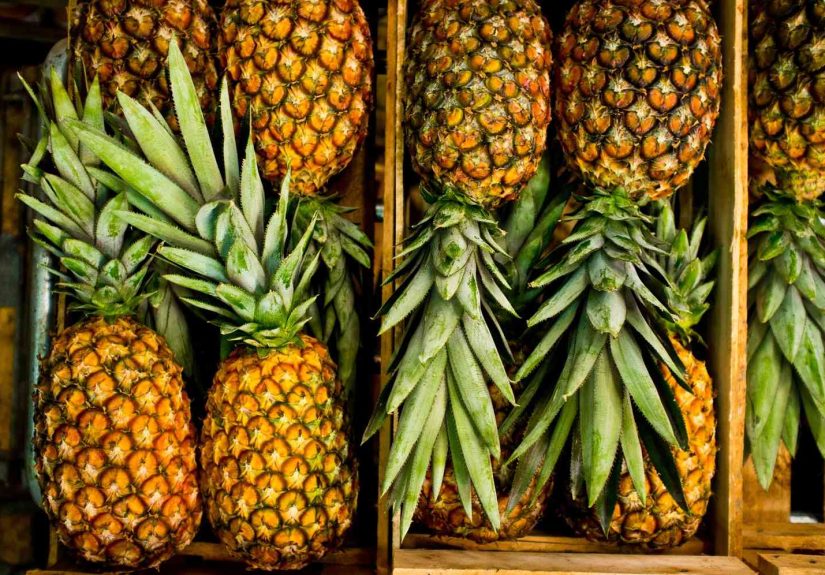
- Color: Look for a shell that’s light to medium golden yellow, especially toward
the base. A little green is fine, but solid dark green usually means underripe, while deep orange can mean it’s
heading toward overripe. - Smell: Bring the base of the pineapple close to your nose. A ripe pineapple smells
sweet, fruity, and bright. If you smell nothing, it may be underripe. If it smells vinegary,
fermented, or overly boozy, it’s probably past its prime. - Weight: Pick up a few and compare. The best pineapples feel
heavy for their size, which usually means more juice and better flavor. - Texture: The body should feel firm, but not rock hard. A little give when you press gently is a
good sign. Large soft spots, wrinkles, or wet-looking areas are red flags.
Check the Crown and the “Eyes”
The leafy topalso called the crownis more than just pineapple’s hairstyle:
- Look for green, fresh-looking leaves. Dry, brown, or shriveled leaves suggest the fruit is old.
- Some people tug on a center leaf; if it comes out with gentle resistance, the pineapple is often ready to eat. If
it pops out with almost no effort, the fruit might be overripe.
Next, check the “eyes”the diamond-shaped pattern on the skin:
- Flatter, more open eyes tend to indicate a riper pineapple.
- Avoid fruit with mold in or around the eyes or large bruises.
Common Myths About Pineapple Ripeness
You might have heard some creative pineapple “hacks.” A couple are more myth than magic:
- Myth: Pineapple gets much sweeter on your counter. It can soften and taste less acidic
over a few days, but it doesn’t drastically increase in sweetness after harvest. - Myth: Color alone tells you everything. Some varieties stay greener even when ripe. Color is
helpful, but you still want to check aroma, weight, and texture.
How to Store Whole Pineapples
At Room Temperature
Once you bring home a ripe pineapple, you can keep it on the counter for about 2–3 days. Choose a
cool, dry spot away from direct sunlight and heat sources. If the fruit isn’t quite as ripe as you’d like (a little
pale, not much aroma), letting it sit at room temperature for a day or two can slightly mellow the acidity and
improve texture, even if the sugar level doesn’t change much.
A simple trick: store it upright. This helps juices distribute more evenly instead of pooling near
the base.
In the Refrigerator
Want to stretch that pineapple’s life a bit? Once it smells and feels ripe, move it to the refrigerator:
- Store the whole fruit in the fridge for up to about 5–7 days for the best quality.
- Don’t bury it in the crisper drawer where it may bruise or get forgottenkeep it on a shelf where you’ll
actually see it. - You can place it in a loose plastic or reusable produce bag to help conserve moisture and keep
it from absorbing odors from nearby foods.
If your fridge is packed, you can twist off the leafy crown to make the pineapple easier to tuck onto a shelf. Just
grab the top firmly and twistit should come right off.
Can You Ripen a Pineapple in a Bag?
You may see advice about placing pineapple in a paper bag with bananas to “ripen” it. While the ethylene gas from
bananas can soften fruit and slightly change texture, it won’t significantly increase sweetness in pineapple. Think
of it as a small texture adjustment, not a flavor miracle.
Storing Cut Pineapple
In the Refrigerator
Once you cut into a pineapple, the clock speeds up. The goal is to slow down oxidation and moisture loss while
keeping things safe:
- Transfer slices or chunks to an airtight container or a well-sealed zip-top bag. Press out extra
air if you’re using bags. - Store in the refrigerator at or below 40°F (4°C).
- For top-notch texture and flavor, enjoy within 3–5 days. Many food and nutrition resources say
cut pineapple can last up to about a week in the fridge, but quality starts to decline after several days.
If you see the surface turning translucent, drying out, or browning excessively, it’s time to use it up quicklyor
toss it if it smells off.
Freezing Pineapple for Long-Term Storage
Freezing is a fantastic way to keep pineapple on hand for smoothies, baking, and sauces without racing a
refrigerator countdown. Here’s the easiest method:
- Cut the pineapple into chunks, tidbits, or spears and remove the tough core.
- Pat the pieces dry with a clean towel to reduce ice crystals and freezer burn.
- Arrange them in a single layer on a parchment-lined baking sheet. Freeze until solid (a few
hours or overnight). - Transfer the frozen pieces to a labeled freezer bag or airtight container, removing as much air as possible.
Properly frozen pineapple keeps its best quality for about 6–12 months in a standard home freezer.
After that, it’s usually still safe if kept frozen solid, but flavor and texture may fade. For longer-term storage,
vacuum-sealed pineapple can stay good even longer, though most home cooks happily use it within a year.
What About Canned, Bottled, and Dried Pineapple?
Not all pineapple comes in spiky armor. If you like the convenience of canned or pre-frozen pineapple, you’ve got
options:
- Canned pineapple: Unopened cans are typically shelf-stable for 12–18 months when
stored in a cool, dry pantry. Once opened, transfer leftovers to a covered container and refrigerate for
about 5–7 days. - Store-bought frozen pineapple: Keep it in the freezer and use it within
10–12 months for peak flavor and texture. - Dried pineapple: Store in an airtight container in a cool cupboard. Follow the “best by” date,
and discard anything with mold, off smells, or stickiness that wasn’t there originally.
Food Safety: When to Toss Your Pineapple
Pineapple is fairly acidic, which helps slow bacterial growthbut it’s not invincible. Use common-sense food safety
rules:
- Smell test: If your pineapple smells sour, fermented, yeasty, or just “wrong,” don’t taste it.
Into the trash it goes. - Visual cues: Fuzzy mold, greyish patches, or slimy surfaces mean it’s done.
- Time and temperature: Cut pineapple shouldn’t sit at room temperature for more than
two hours. If it’s been out all afternoon on a hot day, it’s safer to discard it.
When in doubt, remember the old kitchen rule: “If you’re unsure, throw it out.” Pineapple is
cheaper than a doctor’s visit.
Smart Ways to Use Pineapple Before It Spoils
If you realize you’ve bought more pineapple than any reasonable person needs, don’t panicget creative:
- Blend extra pineapple into smoothies with yogurt, spinach, or coconut milk.
- Toss chunks into a fruit salad or salsa with red onion, cilantro, and lime for tacos or grilled
fish. - Roast pineapple pieces in the oven for a caramelized dessert to serve with ice cream or yogurt.
- Freeze leftover pineapple juice in ice cube trays to brighten water, mocktails, or marinades later.
Think of pineapple as a “use-it-or-freeze-it” fruit: if you’re not eating it in a few days, give it a one-way ticket
to the freezer instead of the trash.
Real-Life Experiences with Pineapple Storage and Selection
The Vacation Pineapple Lesson
Picture this: you bring home a beautiful pineapple the night before a weekend trip. You toss it on the counter,
forget about it, and return three days later expecting a tropical snack. Instead, you’re greeted by a very
fragrant, slightly sticky science experiment.
That’s the moment many people learn the “whole pineapple timeline” the hard way. A ripe pineapple really is happiest
for only a few days at room temperature. Now, whenever that same situation happens, the smart move is to
either cut and refrigerate it before leaving or pop it in the fridge whole if
it’s already ripe and you’ll be gone longer than a couple of days.
The Meal-Prep Smoothie Routine
Another real-world scenario: someone decides to start a “health kick” and buys three pineapples for smoothies. The
first week, motivation is high and everything gets eaten. The second week, life happenswork runs late, takeout
sneaks inand suddenly there’s a whole pineapple starting to fade on the counter and another one cut and sitting in
the back of the fridge.
The simple tweak that saves the day: pre-freeze smoothie packs. As soon as the pineapple is cut,
half goes into an airtight container in the fridge for immediate use. The rest is spread on a tray, frozen, and
stored in freezer bags alongside banana slices and berries. Now, anytime a smoothie craving hits, there’s zero
chopping and zero pressure to use everything within a few days. It’s a tiny habit shift that turns pineapple from a
guilt-inducing “almost spoiled” purchase into a genuinely convenient ingredient.
Hosting Brunch Without Pineapple Panic
Hosting brunch or a backyard cookout adds another layer of pineapple anxiety: you want the fruit platter to taste
amazing, but you also don’t want to be dicing fruit at 6 a.m. while guests text that they’re “on the way.”
A practical solution is to work backwards from party time:
- Two to three days before: Shop for pineapples and use the look, lift, and sniff tests
to pick ripe ones. - One to two days before: Cut the pineapples, store chunks in airtight containers in the fridge,
and label them. If you’re making skewers, thread the fruit the night before and keep them covered. - Day of: Transfer the pineapple to serving bowls right before guests arrive and keep extra
containers chilled so you can refill without leaving fruit out too long.
Hosts who follow this rhythm quickly realize that pineapple is actually one of the least stressful fruits
to serve: it holds up well for several days when properly stored, and its acidity gives it a little food-safety
advantage compared with more fragile fruits like fresh-cut melon.
Learning Your Personal Pineapple Sweet Spot
Over time, most people find they have a “sweet spot” for pineapple texture and flavor. Some love it extra firm and
bright-tasting, eaten just a day or two after purchase. Others prefer it softer and less acidic after it spends a
couple of days in the fridge. Paying attention to what you likeand roughly how long it took to get therehelps you
build your own mental pineapple storage chart.
The more you practice choosing and storing pineapples, the more it becomes second nature: you’ll automatically grab
the ones that feel heavy, smell amazing, and look healthy, and you’ll know whether to leave them on the counter,
chill them, or freeze them based on your schedule. That’s when pineapple stops being an occasional “oh no, I forgot
about that” purchase and starts becoming a reliable part of your weekly routine.
Conclusion
Pineapple storage and selection don’t have to be complicated. Choose fruit that looks golden, feels heavy, and
smells sweet. Keep whole pineapples on the counter for a couple of days or in the fridge for up to a week. Once
cut, store pineapple in airtight containers in the refrigerator and enjoy it within several days, or freeze it for
long-term convenience.
With a few simple habitsusing your senses at the store, planning where you’ll store the fruit at home, and freezing
what you can’t use right awayyou can enjoy juicy, flavorful pineapple without waste or worry. Your smoothies,
salsas, snacks, and brunch spreads will thank you.