Table of Contents >> Show >> Hide
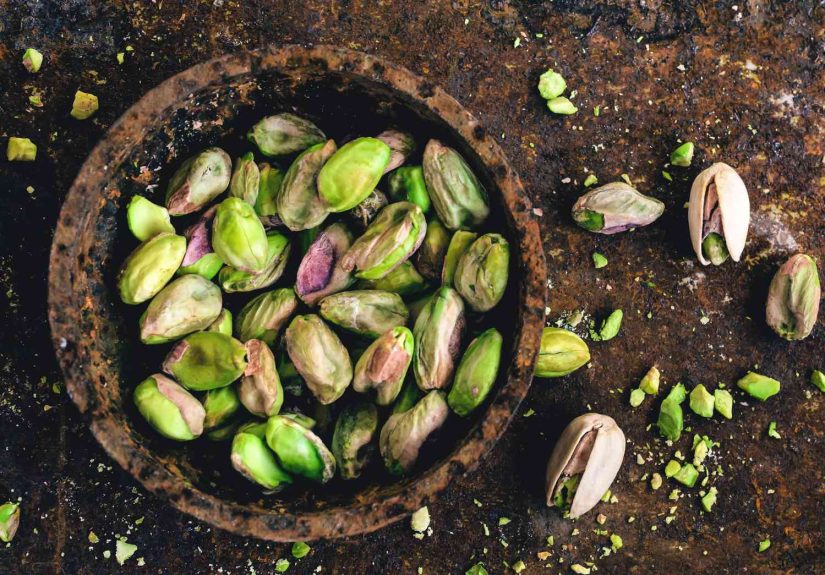
Pistachios are one of the most beloved nuts around the world, enjoyed for their unique flavor, texture, and versatility in both sweet and savory dishes. However, there are times when a recipe calls for pistachios, but you might not have them on hand, or perhaps you’re looking to try a different flavor profile. In these cases, understanding pistachio measures, equivalents, and substitutions can save the day. Whether you’re baking a delicious pistachio cake, adding crunch to a salad, or experimenting with pistachio-based sauces, knowing how to measure pistachios correctly and which nuts can serve as suitable alternatives can enhance your cooking experience. This article will guide you through the ins and outs of pistachio measurements, equivalents, and substitutions, making your next recipe a breeze to prepare.
Understanding Pistachio Measures
When working with pistachios in recipes, knowing how to measure them correctly is crucial, especially when precision is needed for baking or creating balanced dishes. Pistachios can be measured in a few different ways, including by weight, volume, and individual nut counts. Below, we’ll break down the most common measurement methods for pistachios:
Weight
For precise measurements, weighing pistachios is the most accurate method. Most recipes that call for pistachios will specify weight, such as ounces or grams. The typical conversion for pistachios is as follows:
- 1 ounce of shelled pistachios is approximately 28 grams.
- 1 cup of shelled pistachios weighs around 4.5 ounces (128 grams).
- 1 cup of pistachio nuts, in their shells, weighs about 6.5 ounces (184 grams).
When measuring pistachios by weight, it’s important to note whether the recipe calls for shelled or unshelled pistachios, as this can impact the final amount. Shelled pistachios are more concentrated in weight because you’re only dealing with the nut itself, while pistachios in their shells add bulk due to the shell’s weight.
Volume
If you don’t have a scale handy, you can measure pistachios by volume. Typically, 1 cup of shelled pistachios equals approximately 3/4 to 1 cup when chopped, depending on how finely you chop them. If you’re using pistachios for a topping or garnish, whole nuts might work best, as they retain their shape and texture.
Nut Count
For some recipes, particularly those that require a specific number of nuts for aesthetic or flavor purposes, knowing how many pistachios make up a certain measurement is helpful. On average:
- 1 ounce of pistachios (shelled) is about 50 to 55 pistachios.
- 1 cup of shelled pistachios typically contains around 140 to 150 nuts.
Pistachio Equivalents: How Much Do You Need?
When a recipe calls for pistachios but you find yourself in need of a conversion, knowing equivalents for pistachios is key. In many cases, nuts can be substituted with similar options without sacrificing much flavor or texture. Below, we explore how different quantities of pistachios can be swapped out in recipes.
1 Cup of Shelled Pistachios
If a recipe calls for 1 cup of shelled pistachios, you might wonder what to do if you don’t have enough or simply prefer a different nut. Here are some helpful equivalents:
- 1 cup of shelled pistachios can be replaced with 1 cup of chopped almonds, cashews, or walnuts.
- If you prefer a different nut but want to retain the slightly sweet and earthy flavor of pistachios, consider using hazelnuts or macadamia nuts as a substitute. These nuts have a similarly rich flavor and are relatively close in texture.
- If you’re looking for a lower-fat substitute, sunflower seeds or pumpkin seeds (pepitas) offer a crunchy alternative with a more neutral flavor.
1 Ounce of Pistachios
For smaller quantities, like 1 ounce, you can swap in other nuts for similar results:
- 1 ounce of pistachios is equivalent to 2 tablespoons of chopped pecans or almonds.
- If you’re substituting for a specific recipe, like a pistachio crust for fish or chicken, finely chopped hazelnuts work well.
1/4 Cup of Pistachios
For a smaller measurement, such as 1/4 cup of pistachios, consider these equivalents:
- 1/4 cup of shelled pistachios is about 1/4 cup of chopped cashews, walnuts, or pecans.
- Chopped almonds or sunflower seeds also make suitable substitutes for a 1/4 cup portion.
Pistachio Substitutions: Finding the Right Alternative
Substituting pistachios isn’t just about finding a nut with a similar taste and textureit’s about maintaining the overall balance of the dish. While pistachios bring a distinctive flavor to many recipes, there are other ingredients that can achieve similar results. Let’s dive into some creative pistachio substitutions:
1. Almonds
Almonds are one of the most common and versatile alternatives to pistachios. They’re slightly less sweet but still provide a crunchy texture and mild nuttiness. Almonds work well in baked goods, granola, or as a salad topping. Blanched or slivered almonds are great for a fine texture, while whole almonds can provide a bit more bite.
2. Cashews
Cashews are another excellent substitute, particularly in creamy recipes like dips or sauces. Their smooth texture helps achieve a similar creaminess, though they have a more neutral flavor compared to pistachios. You can also use roasted cashews to mimic the toasted flavor of pistachios in dishes like baked goods or salads.
3. Walnuts
Walnuts have a stronger, more earthy flavor, but they can substitute for pistachios when you want a richer, bolder nut. Use them in pesto, cakes, or as a topping for roasted vegetables. Walnuts may be a bit larger in size, so chopping them up can help them better replicate pistachios.
4. Hazelnuts
Hazelnuts are perfect for dessert recipes where you want a sweet, slightly smoky flavor. Hazelnuts work well in pistachio-flavored cakes, cookies, or pralines. Roasted hazelnuts add a delightful crunch and provide a similar richness to pistachios.
5. Sunflower Seeds
If you’re looking for a nut-free option, sunflower seeds are an excellent choice. These seeds are often used as a substitute in recipes for those with nut allergies. They have a milder flavor but still offer a satisfying crunch. Sunflower seeds are great for granola bars, energy bites, or sprinkled over salads.
Extra Tips for Substituting Pistachios
When substituting pistachios, consider the following tips to ensure the best results:
- Texture matters: If the recipe relies on pistachios for texture (e.g., pistachio-crusted fish or desserts), make sure to chop your substitute nuts or seeds finely to maintain the right consistency.
- Flavor balance: If you’re substituting pistachios in a sweet recipe, make sure your alternative brings the right amount of sweetness. Almonds and cashews work well in these cases, while walnuts and hazelnuts can bring more earthy flavors.
- Consider toasting: Toasting your substituted nuts or seeds can add a deeper, more complex flavor, mimicking the roasted taste of pistachios.
Conclusion: Making the Best of Pistachio Substitutions
Pistachios are a wonderful ingredient, but they aren’t always available or suitable for every dish. Fortunately, with a bit of creativity, you can easily substitute pistachios with other nuts or seeds to maintain the desired texture and flavor. Whether you’re looking for a substitute in a sweet dessert or a savory salad, there are many options that can step in and perform just as well. So the next time you’re in the kitchen and find yourself without pistachios, don’t stressthere are plenty of alternatives to experiment with, making your recipe just as delicious!
Real-World Experience: Cooking with Pistachios and Their Substitutes
As someone who regularly incorporates pistachios into recipes, I’ve found that understanding the importance of measurements and knowing the best substitutes has truly enhanced my cooking. Pistachios are perfect for creating balance in a recipe, whether it’s adding crunch to a sweet pistachio brittle or infusing flavor into savory dishes like pesto. However, when I’ve run out of pistachios or needed a substitute for specific dietary reasons, I’ve turned to almonds and cashews most frequently.
In my experience, almonds work remarkably well in both savory and sweet dishes as they are a versatile nut. Cashews, on the other hand, have a creamier texture and work wonderfully in sauces and dips. I once used cashews to replace pistachios in a pesto recipe, and it turned out perfectly creamy and rich. Hazelnuts are a great choice for sweet dishes, as they mimic pistachio’s flavor in desserts like cakes and cookies, and their toasted flavor adds that same depth.
Another useful tip I’ve picked up is to toast nuts and seeds to bring out their natural flavors. For example, when I substitute sunflower seeds for pistachios, toasting them first helps add a roasted flavor that’s very close to what pistachios would bring to a recipe. In addition, I’ve learned to be mindful of portion sizes when substituting, as the size of the nuts or seeds can affect the recipe’s overall texture and flavor balance. So, whether you’re an experienced chef or just starting, understanding pistachio equivalents and substitutions can truly open up a world of culinary possibilities.