Table of Contents >> Show >> Hide
- What “Playful Minimalism” Really Means
- Why Chelsea Is a Perfect Setting for This Style
- The Remodelista Case Study: A Chelsea Kitchen That Feels Light, Cheery, and Luxe
- The Design Recipe: How to Recreate “Playful Minimalism” in Your Own Kitchen
- Specific Examples: Playful Minimalism Moves You Can Copy This Weekend
- Common Mistakes That Make Minimalism Feel Cold (and How to Fix Them)
- How Playful Minimalism Supports Family Life (Without Looking Like a Playroom)
- 500+ Words of Real-Life Experiences: Living With Playful Minimalism
- Conclusion: The Chelsea LessonMinimalism, But Make It Human
- SEO Tags
Minimalism has a reputation problem. Say the word out loud and someone will picture an echo-y white box where you’re not allowed to own a toaster, a throw blanket, or a personality. But in real homesespecially in New York, where square footage is a limited-edition collectibleminimalism usually isn’t about deprivation. It’s about editing. It’s about making a space feel calm on purpose, not calm because you ran out of stuff.
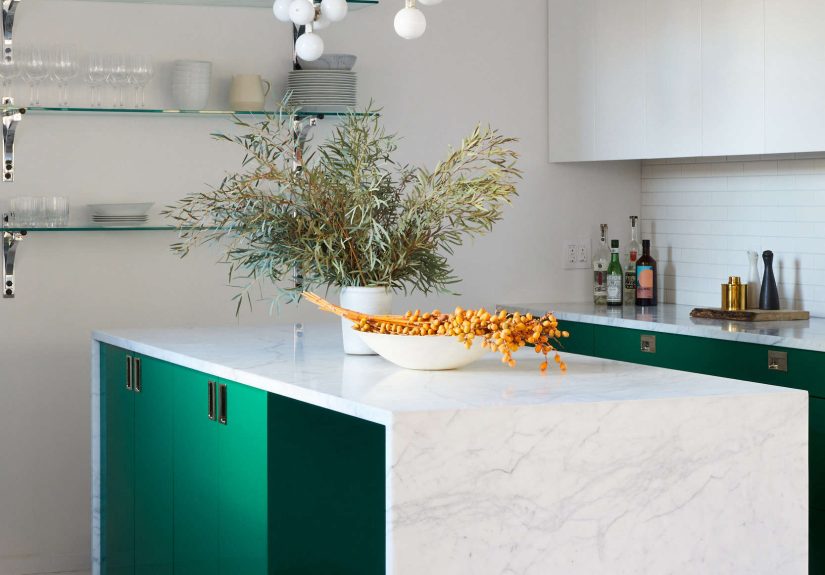
Enter playful minimalism: the version of “less, but better” that still laughs at jokes, still hosts friends, and still lets your kitchen have a little sparkle in its eye. A Remodelista-featured Chelsea renovation by Space Exploration Design captures this vibe perfectly: a clean, bright kitchen anchored by emerald green cabinetry, airy glass shelving, and a crisp, luxurious palette that feels both serene and surprisingly cheerful.
In this deep dive, we’ll break down what playful minimalism actually looks like, why it works so well in a Chelsea apartment (or any city home), and how you can borrow the same design moveswithout turning your life into a museum exhibit where you whisper near the pantry.
What “Playful Minimalism” Really Means
Minimalism is often defined by what it removes: clutter, visual noise, excess furniture, “mystery piles” that multiply like rabbits. Playful minimalism keeps that clarity but adds one more rule: joy is allowed.
Instead of going all-neutral, playful minimalism picks a few intentional moments to be boldcolor, shape, texture, lightingthen frames those moments with restraint. Think of it like a gallery: the walls are quiet so the art can talk. Only here, the “art” might be a glossy green cabinet run, a sculptural pendant, or a bowl of citrus that looks like it’s auditioning for a still-life painting.
Three hallmarks of playful minimalism
- One strong “hero” element (a color, a material, or a silhouette) that does the heavy lifting.
- Simple architecture and clean lines that keep the room feeling open.
- Practical calm: storage and surfaces that support real life, not just photo shoots.
Why Chelsea Is a Perfect Setting for This Style
Chelsea is a neighborhood of contrasts: old industrial bones meet polished galleries; classic brownstones share sidewalks with modern condos. That blend makes it a natural home for a style that’s both restrained and expressive.
In New York apartments, design can’t be purely aesthetic. It must be strategic. A kitchen often functions as:
- a cooking space, obviously,
- a homework station,
- a snack bar,
- a party hub,
- and, on some days, a quiet place to stare into the fridge like it owes you money.
Playful minimalism supports this multi-use reality by staying visually simple while still feeling warm and “alive.” It also plays well with a family-friendly mindsetspaces can look adult and sophisticated while remaining durable and usable (a theme that shows up in how many NYC family interiors are designed).
The Remodelista Case Study: A Chelsea Kitchen That Feels Light, Cheery, and Luxe
The Remodelista submission describes the project as a kitchen renovation for a young family, built on a tranquil yet luxurious palette, with the design’s personality coming through in three major choices:
emerald green cabinetry, playful lighting elements, and a white-painted wood floor.
The layout: clean, open, and gallery-like
The space reads as bright and uncluttered, with strong symmetry and a sense of breathing room. Instead of filling every inch with visual information, the design lets negative space do some work. That’s a key minimalist tactic: when the room isn’t shouting, the details you choose become more powerful.
The hero color: emerald green that behaves like a “bold neutral”
Green cabinetry is the kind of move that can go either way: chic and timeless, or “why does my kitchen look like a smoothie bar?” The difference is context. Here, the green is grounded by white walls, pale surfaces, and a disciplined palette. The result is lively but not chaoticlike the room drank one espresso, not six.
If you’re considering a green kitchen, it helps to think in undertones. Designers often recommend choosing a green with enough gray or depth to act like a neutral, then balancing it with lighter materials and warm accents. That approach keeps the color feeling mature rather than theme-y.
Material pairing: crisp white + veined stone + stainless clarity
Minimalism gets a bad rap for feeling cold, but the best minimalist rooms use material richness to create warmth without clutter. In this kitchen, the luxurious feeling comes from clean, high-impact materials: a substantial stone island (waterfall-style sides make it read like a sculptural block), smooth cabinetry, and stainless appliances that feel practical and professional.
Open shelving, but make it airy
Instead of heavy uppers everywhere, the kitchen uses glass shelving to keep sightlines open. That’s a smart minimalist trick: you get function and display space without closing in the room. The shelves also invite a “curated” approachuniform dishware, simple glassware, and a few intentional objects rather than a chaotic mug collection from every vacation since 2009.
The key with open shelves is restraint and realism. If you love the look but fear dust (valid), aim for a smaller amount of shelving and keep frequently used, easy-to-clean items therethen stash the rest behind doors.
Lighting that adds personality without adding clutter
Lighting is where playful minimalism loves to show off. A sculptural pendant (or a small cluster) can function like jewelry for the room. It’s not “more stuff”it’s one carefully chosen statement that elevates the whole space, especially when everything else stays calm.
The Design Recipe: How to Recreate “Playful Minimalism” in Your Own Kitchen
1) Start with the edit, not the shopping list
Minimalism isn’t a shopping styleit’s a decision-making style. Before you pick finishes, decide what you want the room to feel like. Calm? Bright? Cozy? A little dramatic but still clean?
Then do a ruthless visual audit:
- What must be out because you use it daily?
- What’s out because you never found a home for it?
- What’s out because it’s “cute,” but actually creates visual static?
A simple, high-function kitchen often starts by clearing surfaces and creating a storage plan that keeps everyday life from becoming countertop decor.
2) Choose one “hero” element and commit
Playful minimalism doesn’t sprinkle bold choices everywhere. It makes one or two confident moves and supports them with calm.
Hero options that work especially well in kitchens:
- Color: green cabinets, a painted island, or a deep accent wall.
- Material: a waterfall island, statement stone, or a dramatic slab backsplash.
- Lighting: a sculptural pendant or an unexpected chandelier.
In the Chelsea Remodelista kitchen, the hero is clearly the emerald cabinetry, with lighting and shelving supporting the vibe.
3) Use a “quiet” supporting palette
If your cabinets are green, your supporting cast should be calm: whites, soft off-whites, pale woods, gentle metallics. This is how bold color stays sophisticated instead of feeling like a theme restaurant.
One modern trick designers love is treating the room’s background like a continuous fieldwalls, ceilings, and trim close in toneso the hero elements stand out cleanly. (The goal is cohesion, not contrast chaos.)
4) Make open shelving look intentional, not accidental
Open shelves can make a kitchen feel lighter and more spacious, but they demand a little discipline. A few guidelines that keep shelves looking “designed”:
- Repeat materials: stacks of similar plates, consistent glassware, matching canisters.
- Mix function + one accent: everyday dishes plus a single bowl, vase, or plant.
- Keep it breathable: leave some empty space so the shelf doesn’t feel crowded.
If you want the airy look without the daily maintenance, consider a hybrid: a small zone of open shelves paired with closed storage elsewhere.
5) Keep countertops mostly clear (yes, this is the unsexy secret)
If you want a minimalist kitchen to feel luxurious, clear counters do more than any fancy accessory. This is where practical organization becomes a design tool.
Try a “countertop capsule”:
- One attractive crock for daily utensils.
- One tray for oils/salt you truly use every day.
- One beautiful object (a bowl, a plant, or nothing at allthrilling!).
Everything else gets a home: drawers, pantry, cabinets, wall storage. It’s not about owning less; it’s about seeing less at once.
6) Add warmth through texture, not clutter
The newer wave of minimalism emphasizes comfortwarm woods, tactile textiles, softened shapes, and natural materials. In a kitchen, that could mean:
- a warm-toned stool,
- a runner with subtle texture,
- brushed brass or aged nickel hardware,
- or a matte finish that feels less clinical than high-gloss everywhere.
Texture is how you keep the room from feeling sterile while still maintaining clean lines.
Specific Examples: Playful Minimalism Moves You Can Copy This Weekend
Paint, but pick your battles
If repainting cabinets feels like a life event (it is), you can still borrow the “playful minimalism” idea with smaller paint choices:
- Paint just the island in a deep green or blue.
- Color-block a pantry door or breakfast nook.
- Try a ceiling or upper-zone color treatment for a subtle modern twist.
Switch lighting for instant personality
Minimalist rooms love one standout fixture. If your kitchen currently has a standard dome light that screams “builder’s special,” swapping it for a sculptural pendant can change the entire mood without adding visual clutter.
Upgrade one surface for a “quiet luxury” effect
You don’t need to renovate everything at once. A single upgraded surfacecountertop, backsplash, or hardwarecan bring that calm-luxe feel. The goal is to choose something that looks great on its own, without needing extra accessories to “help” it.
Do the minimalist styling trick nobody admits is just cleaning
Clear the counters, hide the packaging, and group what remains. In playful minimalism, the most effective “decor” is often simply a space that looks ready for living, not ready for storing.
Common Mistakes That Make Minimalism Feel Cold (and How to Fix Them)
Mistake: Going too monochrome without texture
Fix it by layering tactile materials: wood, linen, ceramic, stone. Keep the palette calm, but make the surfaces interesting.
Mistake: Open shelves that become a clutter stage
Fix it by reducing what’s visible. Use open shelves for everyday, cohesive items, not for “everything you own, now in public.”
Mistake: No personality at all
Fix it with one intentional, playful detail: a bold cabinet color, a sculptural pendant, or one piece of art. Minimalism isn’t the absence of you; it’s the absence of chaos.
Mistake: Treating minimalism like a rulebook
Fix it by remembering that this is a home, not a design challenge show. If you love a bright bowl, keep the bowl. Just don’t let it invite 47 other bowls to move in.
How Playful Minimalism Supports Family Life (Without Looking Like a Playroom)
The Remodelista Chelsea kitchen was designed for a young family, and that matters. Family life comes with motion: backpacks, snack-time crumbs, a constant parade of cups. The challenge is creating a space that can handle reality and still look composed.
A few family-friendly strategies that align with playful minimalism:
- Durable surfaces that can take a beating without breaking your spirit.
- Hidden storage so daily mess doesn’t become the room’s personality.
- Clear zones: where cooking happens, where homework happens, where stuff gets dropped (ideally not “everywhere”).
- Not precious: choose items you’re okay with using, not just admiring.
This mindset is how you get a kitchen that feels grown-up but still lives like a real home.
500+ Words of Real-Life Experiences: Living With Playful Minimalism
If you adopt playful minimalism, the first “experience” you’ll notice is not visualit’s emotional. The room feels quieter. Not silent like a library where you get scolded for opening a bag of chips, but quiet like your brain can finally stop tracking ten different piles at once.
Mornings become smoother because you’re not fighting your own kitchen. When counters are mostly clear, there’s instant workspace for coffee, lunch packing, or the surprisingly chaotic act of making toast for someone who changes their mind mid-toast. A single bowl on the islandfruit, citrus, or even just a dramatic lemon that looks like it has an agentreads as intentional rather than “we ran out of places to put things.”
You’ll also experience the strange power of one bold choice. In a playful minimalist kitchen, a color like emerald green doesn’t feel “extra.” It feels organized. Because everything around it is calm, that color becomes a steady anchor. It’s the design equivalent of a friend who shows up dressed like a runway model but still helps you carry groceries. Confident, useful, and somehow not annoying about it.
Daily cooking feels different, too. When you have open shelvingespecially glass shelves like the Chelsea kitchenthere’s a gentle pressure to keep things simple and cohesive. This can be a good thing. You naturally start choosing your “everyday” dishes more carefully, and you stop buying random novelty mugs unless they truly spark joy (or unless you’re committed to a novelty-mug lifestyle, in which case, no judgmentjust give them a closed cabinet).
Hosting becomes easier because the kitchen reads as welcoming instead of busy. Guests gravitate to clean islands and open space. A sculptural pendant light turns into a conversation piece, and suddenly you’re the person whose friends say things like, “Wait, where did you get that light?”which is an elite social moment, right up there with being told your cookies are better than store-bought.
The family-life experience is where playful minimalism proves it’s not just an aesthetic. Kids can still do kid things. The trick is having systems that reset fast: a drawer for school papers, a bin for snacks, a landing spot for keys and mail so they don’t colonize your countertops. When a kitchen is designed with hidden storage and clear zones, mess doesn’t feel permanent. It feels temporarylike weather.
And yes, you’ll probably have the “maintenance” experience: playful minimalism rewards small, regular resets. Five minutes of putting things back has outsized impact because the room is designed to look composed quickly. You’re not styling a dozen surfaces; you’re simply returning the space to its default calm. In that way, playful minimalism is less about having less and more about having a home that feels like it’s on your side.