Table of Contents >> Show >> Hide
- What Exactly Is a “Porcelain Set Door Knob”?
- Why Porcelain Still Makes Sense in 2026
- The Anatomy of the Set (and Why One Missing Screw Can Ruin Your Day)
- Pick the Right Function: Passage, Privacy, Dummy, and Keyed Entry
- Tubular Latch vs. Mortise Lock: Two Doors, Two Personalities
- Measurements That Matter (So You Don’t Order a Gorgeous Nope)
- Design Choices That Change the Whole Door
- Installation Overview (DIY-Friendly… Until It Isn’t)
- Care & Cleaning: Keep the Shine, Skip the Regret
- Troubleshooting: When the Knob Turns but the Door Doesn’t Cooperate
- Buying Checklist: How to Shop Like You Own a Tiny Hardware Museum
- When to Call a Pro (Because “I Can Totally Chisel That” Is Sometimes a Lie)
- Real-Life Experiences With a Porcelain Set Door Knob (About )
- The “first week” surprise: porcelain has a temperature
- Daily use is where the “upgrade” finally makes sense
- Cleaning is easier than you expect, but the metal parts set the rules
- Old-house quirks: porcelain is innocent; doors are not
- The unexpected bonus: your doors start feeling “finished”
- My favorite practical tip
- Conclusion
A porcelain set door knob is one of those home details you don’t noticeuntil you touch a good one. Then suddenly every other knob feels like it was made from leftover cafeteria tray plastic. Porcelain has that old-house charm, a smooth “hello” in your palm, and just enough personality to make a basic door feel dressed. This guide breaks down what a porcelain set actually includes, how to choose the right type (without ordering a gorgeous mistake), how to install it, and how to keep it looking sharp for yearsno keyword-stuffing, no fluff, and no “oops I bought the wrong backset” tears.
What Exactly Is a “Porcelain Set Door Knob”?
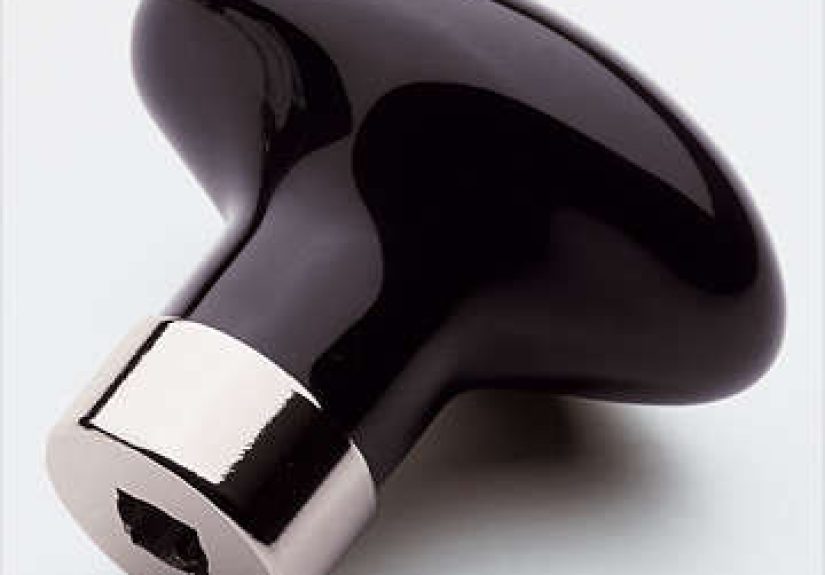
Let’s translate “hardware-speak” into human. A porcelain set door knob usually means a complete matching kit: two knobs (one for each side of the door), plus the pieces that make them actually work togetherlike the spindle, mounting hardware, and either a latch (for modern doors) or a mortise lock (for older, pocket-cut doors). The “porcelain” part refers to the knob surface: a glazed ceramic that can be bright white, deep black, or occasionally colored, paired with metal parts (brass, bronze, nickel, chrome) that give the set its vibe.
Porcelain knobs became especially popular in late-1800s and early-1900s homes because they looked clean, felt pleasant, and played nicely with the ornate backplates and trim of the era. Today, you can buy both true vintage knobs and modern reproductions, and many reproductions are designed to work on standard contemporary door prepmeaning you can get the vintage look without turning your weekend into a door-surgery documentary.
Why Porcelain Still Makes Sense in 2026
It feels better than most materials (and your hands know it)
The first reason is simple: porcelain feels good. It’s smooth, cool, and solid in a way that makes cheap hollow knobs feel… emotionally unreliable. A good porcelain door knob set has a satisfying weight and a “glide” when you turn itespecially when paired with quality internal hardware.
It’s surprisingly practical
Glazed ceramics like vitreous china are known for a smooth, shiny surface that resists staining and holds up well to everyday wear. Translation: fingerprints don’t cling like they do on some matte finishes, and routine cleaning is easy if you treat it like a nice dish, not like a grimy grill grate.
But yes, it can chip (porcelain is classy, not invincible)
Porcelain is tough for normal use, but it’s still ceramicso it can chip if it gets slammed into a stone wall, dropped on tile, or attacked by a rogue toolbox. If your household includes energetic kids, enthusiastic movers, or that one friend who “helps” by swinging doors open with the force of a small hurricane, consider placement or choose a design with a slightly more protective profile.
The Anatomy of the Set (and Why One Missing Screw Can Ruin Your Day)
A porcelain set door knob is more than “two pretty knobs.” Here’s what you’re typically dealing with:
- Two knobs (interior and exterior side)
- Spindle (the metal shaft connecting both knobs)
- Set screws (tiny, mighty; they lock the knob onto the spindle)
- Rosettes or backplates (the trim that sits against the door)
- Latch (tubular latch for modern prep) or mortise lock (for older doors)
- Strike plate (mounted to the jamb so the latch has a “home”)
- Privacy hardware (if it’s a bathroom/bedroom lock: button, turn piece, or pinhole release)
When shopping, “set” should mean you don’t have to go on a scavenger hunt for compatible parts. If you’re mixing vintage knobs with modern latches, double-check compatibilityespecially spindle style, door thickness range, and how the knobs mount.
Pick the Right Function: Passage, Privacy, Dummy, and Keyed Entry
Choosing a porcelain door knob set starts with what the door needs to do. The prettiest knob in the world won’t help if you accidentally buy a non-turning dummy for your bathroom and discover that privacy is now a household rumor.
Passage
A passage set turns and unlatches but does not lock. Ideal for hallways, closets that latch, pantries, and most interior doors that don’t need privacy.
Privacy
A privacy set locks from the inside (usually a button or turn piece) and typically has an emergency release on the outside (often a pinhole). Think bathrooms and bedroomsanywhere you want a polite boundary without a keyed cylinder.
Dummy (Non-turning / Inactive / Pull-only)
A dummy set is decorative: it doesn’t turn and usually doesn’t operate a latch. It’s commonly used on closets with magnetic catches, double doors where one side is fixed, or anywhere you want symmetry without mechanics.
Keyed entry
A keyed entry knob locks with a key from the outside and is generally used on exterior doors or higher-security interior areas. If you’re using porcelain for an exterior application, think carefully about pairing it with a deadbolt and choosing weather-appropriate finishes.
Tubular Latch vs. Mortise Lock: Two Doors, Two Personalities
Tubular latch (modern standard)
Most newer interior doors are prepped for a tubular latch system: a round bore hole (often 2-1/8 inches) with a latch sliding into an edge bore. Many modern knobsets offer adjustable backsets, which helps when you’re replacing hardware and your door prep doesn’t match perfectly. If you want a porcelain look in a newer home, a tubular-latch porcelain door knob set is usually your simplest route.
Mortise lock (old-house royalty)
Mortise locks live inside a rectangular pocket cut into the door edge, common in older homes. They’re sturdy, repairable, and can feel delightfully “mechanical” in the best way. Many porcelain mortise sets come with a classic backplate and sometimes even skeleton keys. Restoring or maintaining mortise hardware can involve cleaning internal parts and using dry graphite lubricant rather than oily sprays that attract dirt.
If your door already has a mortise pocket, stick with mortise hardware. Converting can be done, but it’s rarely the most relaxing hobby unless you collect chisels for fun.
Measurements That Matter (So You Don’t Order a Gorgeous Nope)
Hardware shopping gets dramatically easier once you measure three things. Dramatically. Like “my future self will thank me” dramatically.
1) Backset
Backset is the distance from the door edge to the center of the knob hole. In U.S. residential doors, it’s commonly 2-3/8 inches or 2-3/4 inches. Many latches are adjustable between these sizes, but not all.
2) Door thickness
Standard interior doors are often around 1-3/8 inches thick, while exterior doors are commonly thicker. Knob sets are designed for specific thickness ranges, so check product specsespecially if you have older, solid wood doors that don’t follow modern standards.
3) Door prep style
Is it a modern tubular latch prep? A mortise pocket? Something custom from 1912 that looks like it was invented by a carpenter who hated rulers? Identifying prep type will decide which “set” you need and whether you can DIY it with a screwdriver or need woodworking tools.
Design Choices That Change the Whole Door
White vs. black porcelain
White porcelain reads bright, classic, and slightly dressyperfect for Victorian, Colonial Revival, Cottage, and “I like my home to look clean even when it isn’t” styles. Black porcelain adds contrast and drama, and it’s especially sharp with aged brass, oil-rubbed bronze, or nickel.
Plates vs. rosettes
A rosette (round trim) feels simpler and more flexible for mixed styles. A plate (backplate) brings instant period character and can help cover old screw holes or paint shadows left by previous hardwarean underrated superpower. Taller plates can look especially right on taller doors and can add visual “heft” when a standard rosette looks too small.
Finish pairing: the secret sauce
Porcelain is the star, but the metal finish sets the mood. Bright chrome feels crisp and modern; satin nickel reads clean and transitional; unlacquered brass will patina and develop character over time (like your favorite leather bag, but for a door). If your home has mixed metals, pick one dominant finish per floor or per zone so it looks intentionalnot like you ran out of matching parts mid-project.
Installation Overview (DIY-Friendly… Until It Isn’t)
Modern tubular latch sets: the quick win
- Remove the old knobs and latch.
- Confirm your backset and adjust the latch if it’s adjustable.
- Install the latch with the bevel oriented correctly so it meets the strike plate smoothly.
- Mount the exterior and interior halves; tighten screws evenly so the set sits flush.
- Test turning and latching before you declare victory.
Small pro tip that saves big annoyance: if the latch tongue is oriented wrong, the door may “bounce” or refuse to latch smoothly. If your set uses a privacy pinhole release, make sure it’s positioned on the correct side per the manufacturer’s layout.
Mortise sets: slower, but satisfying
If you’re working with a mortise lock, you’ll typically loosen a set screw, remove the knob and spindle, then remove the lock body from the door edge. Cleaning out dust and old gunk can dramatically improve operation. Dry graphite lubricant is often recommended for old lock internals because it lubricates without turning into a dirt magnet.
If your mortise pocket is damaged or your door is out of square (old houses love being “charmingly imperfect”), you may need minor adjustments to the strike plate or door edge for perfect alignment. Take it slow; old wood deserves patience.
Care & Cleaning: Keep the Shine, Skip the Regret
Porcelain knobs
For routine cleaning, use a soft cloth with mild soap and water, then dry. Avoid abrasive pads that can dull the glaze. If you’re restoring older knobs, be extra cautious: decades of paint and grime can tempt you into aggressive cleaning, but gentle steps reduce the odds of chipping edges or scratching nearby metal trim.
Metal plates and finishes
Different finishes age differently, and some are designed to change. Many manufacturers recommend mild cleaning methods tailored to the metal and finish. When in doubt, start gentle: soft cloth, mild soap, no harsh chemicals, no steel wool. If you chose a “living finish” like unlacquered brass, let it develop patina instead of fighting itpatina is basically the finish telling its life story.
Troubleshooting: When the Knob Turns but the Door Doesn’t Cooperate
The knob is loose or wobbly
Most often: a set screw needs tightening, mounting screws need snugging, or the rosette isn’t seated flush. Tighten evenly, and don’t over-torquedoor hardware should feel secure, not crushed.
The door won’t latch smoothly
Misalignment between latch and strike plate is a classic. Sometimes the strike plate needs repositioning or the mortise needs a slight adjustment so the latch enters cleanly. If the latch hits the strike instead of sliding in, you’ll feel it immediatelylike the door is rolling its eyes at you.
The mortise lock feels sticky
Old mortise locks can collect dust and hardened residue. Cleaning the internals and using dry graphite can help the mechanism move smoothly without attracting more grime. If parts are broken or springs are damaged, replacement components may be needed.
Buying Checklist: How to Shop Like You Own a Tiny Hardware Museum
- Match the door prep: tubular latch vs mortise lock.
- Choose the function: passage, privacy, dummy, or keyed entry.
- Confirm measurements: backset, door thickness, and bore size.
- Decide on trim: rosette for clean simplicity, plate for period charm and coverage.
- Pick finishes intentionally: match hinges (or make a deliberate contrast).
- Prioritize build quality: solid metals and well-made internals matter more than you think.
- Think about feel: this is literally the thing you touch every day.
If you’re restoring an older home, it’s also worth checking whether the set is designed to be reversible for left- or right-hand doors, and whether the manufacturer supports replacement parts. Future-you will appreciate not having to replace an entire set because of one missing spring.
When to Call a Pro (Because “I Can Totally Chisel That” Is Sometimes a Lie)
A pro can be a smart move when:
- You’re converting between mortise and tubular prep.
- The door is historic, thin, warped, or has fragile wood around the lock area.
- You need exterior security planning (keyed entry + deadbolt + proper reinforcement).
- The door frame is badly out of alignment and strike plate adjustments become a game of millimeters.
There’s no shame in outsourcing precision woodworking. Your goal is a door that closes smoothlynot a door that becomes a personal rivalry.
Real-Life Experiences With a Porcelain Set Door Knob (About )
The “first week” surprise: porcelain has a temperature
The first time you install a porcelain set door knob, you’ll notice something nobody mentions in product listings: porcelain is emotionally honest about room temperature. On a chilly morning, it’s cool to the touch in a way that feels crisp and clean like your door knob just washed its face. In a warm room, it feels neutral and smooth. It’s not uncomfortable; it’s just… real. Metal knobs can feel cold in a harsh way; porcelain feels cool like a ceramic mug that hasn’t met coffee yet.
Daily use is where the “upgrade” finally makes sense
A lot of home upgrades are mostly visual, but door hardware is tactile. You use it constantlyhalf-awake, hands full, in a rush, while carrying laundry like an unbalanced circus act. A good porcelain door knob set gives you consistent grip and a reliable turn. If you’ve ever dealt with a cheap knob that sticks, squeaks, or requires a secret wrist flick to open, you’ll appreciate the difference instantly.
Cleaning is easier than you expect, but the metal parts set the rules
The porcelain itself usually wipes clean with mild soap and water, especially if you’re just dealing with fingerprints. The bigger learning curve is the metal finish on your rosettes or plates. If you choose a living finish (like unlacquered brass), you’ll watch it slowly shift over weeks and monthsdarkening in touch points, mellowing around edges. At first it can feel like it’s “getting dirty.” Then you realize it’s developing character, like a pair of boots that finally fits your life.
Old-house quirks: porcelain is innocent; doors are not
In vintage homes, doors can be slightly out of square, frames can be a little tired, and mortise pockets can be a history lesson in past repairs. The porcelain knob isn’t the problem, but it will reveal problems you didn’t know you had. If the latch doesn’t meet the strike plate cleanly, you’ll feel it immediately because the knob turn is so smoothmeaning the “sticky” sensation is almost always alignment, not the knob itself. A small strike plate adjustment can transform the whole experience from “why won’t you close” to “oh wow, that’s satisfying.”
The unexpected bonus: your doors start feeling “finished”
Once you swap a handful of knobs, you’ll notice the whole house feels more intentional. Porcelain knobs have a way of making paint colors look richer, trim details look sharper, and doors feel less like flat slabs and more like designed objects. It’s the kind of change guests can’t always name, but they’ll touch the knob and say, “Oh, I like this.” That’s the door knob equivalent of getting a compliment on your haircut from someone who “never notices those things.”
My favorite practical tip
If you’re doing multiple doors, buy one set first and install it as a test run. Live with it for a week. That single week will tell you if you want rosettes or plates, which finish reads best in your lighting, and whether you prefer white or black porcelain. Your future bulk order will be wiserand your return trips will be fewer.