Table of Contents >> Show >> Hide
- What Is Port Wine Demi-Glace Sauce?
- Why This Port Wine Demi-Glace Sauce Recipe Works
- Ingredients for Port Wine Demi-Glace Sauce
- How to Make Port Wine Demi-Glace Sauce
- Pro Tips for the Best Port Wine Demi-Glace Sauce Recipe
- What to Serve with Port Wine Demi-Glace Sauce
- Variations You Can Try
- Common Mistakes to Avoid
- Make-Ahead, Storage, and Reheating
- Why Home Cooks Love This Sauce
- Real-World Experience: What It Is Actually Like to Make Port Wine Demi-Glace at Home
- Conclusion
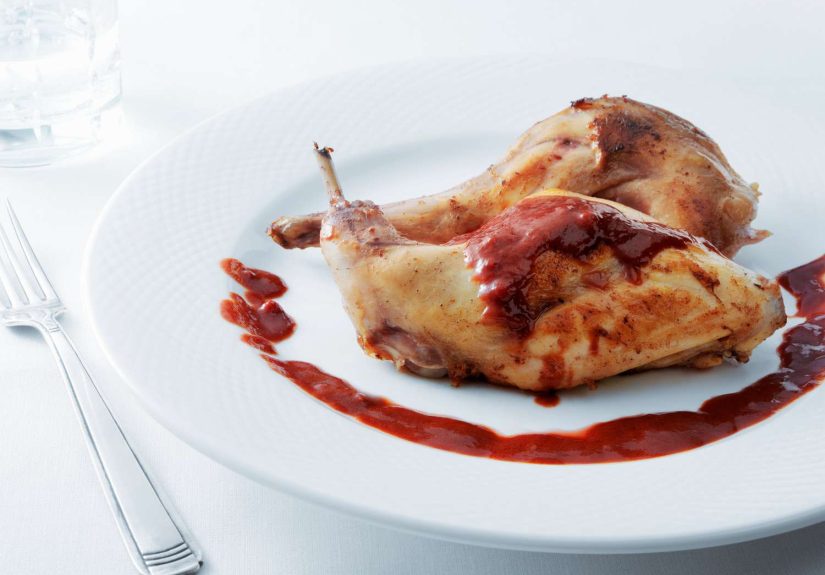
If regular gravy is the dependable sedan of the sauce world, port wine demi-glace is the sleek little sports car that pulls up, says nothing, and somehow makes dinner look more expensive. It is glossy, deep, savory, a little sweet, and dramatic in the best possible way. Pour it over steak, duck, pork tenderloin, short ribs, or even roasted mushrooms, and suddenly the meal feels like it should come with candlelight and a waiter who calls everyone “chef.”
The good news is that a great port wine demi-glace sauce recipe does not require a culinary degree, a French accent, or three free weekends. The classic spirit of demi-glace comes from slow reduction and concentrated flavor, but a smart home-cook version keeps the richness while trimming the restaurant-level labor. That means you can make a sauce that tastes luxurious without turning your kitchen into a full-time stock laboratory.
In this guide, you will learn what port wine demi-glace actually is, why it works so well with roasted and seared meats, how to make it at home, what mistakes to avoid, and how to use every last spoonful. Because once you make this sauce, you will absolutely start looking around the fridge for random things to drizzle it on. Potatoes should be nervous.
What Is Port Wine Demi-Glace Sauce?
At its core, demi-glace is a rich brown sauce built from deeply flavored stock and reduction. In classical French cooking, demi-glace is associated with brown stock and espagnole sauce reduced until the texture becomes silky and the flavor grows concentrated. A port wine demi-glace sauce takes that savory foundation and folds in port, a fortified wine known for its sweetness, body, and dark fruit notes.
The result is a sauce with balance. The demi-glace brings roasted, meaty depth. The port adds a rounded sweetness and a subtle fruity edge. Shallots, thyme, bay leaf, and black pepper help bridge those flavors so the sauce tastes elegant rather than sugary. A final touch of cold butter gives the whole thing a velvety finish and that restaurant-style shine people love to pretend they casually whip up on weeknights.
This is why the sauce feels so at home next to beef tenderloin, duck breast, lamb, pork loin, and even venison. It has enough backbone for bold proteins and enough finesse to feel special. In other words, it is the culinary equivalent of wearing a tuxedo with comfortable shoes.
Why This Port Wine Demi-Glace Sauce Recipe Works
1. It builds flavor in layers
First the shallots soften in butter. Then the port reduces. Then the demi-glace simmers until the sauce coats the back of a spoon. Each step concentrates flavor instead of dumping everything into the pan and hoping for emotional growth.
2. It balances sweet and savory
Port can lean sweet, but demi-glace is intensely savory. Together, they create a sauce that feels rounded rather than flat. A small splash of vinegar, if you choose to add it, sharpens the edges just enough to keep the sauce lively.
3. It is achievable for home cooks
You can use prepared demi-glace, frozen demi-glace, demi-glace concentrate, or a high-quality reduced beef stock. That makes this recipe much more realistic for a home kitchen while still delivering excellent flavor.
Ingredients for Port Wine Demi-Glace Sauce
This recipe makes about 1 cup of sauce, enough for 4 servings if you are spooning it over meat like a civilized person and not drinking it straight from the saucepan.
- 1 tablespoon unsalted butter
- 1 small shallot, very finely minced
- 1 sprig fresh thyme
- 1 small bay leaf
- 1/2 teaspoon cracked black pepper
- 3/4 cup port wine, ruby or tawny
- 1 1/2 cups prepared demi-glace, or a strong reduced beef stock
- 1 teaspoon balsamic vinegar or sherry vinegar, optional
- 1 to 2 tablespoons cold unsalted butter, for finishing
- Salt, to taste
Ingredient notes
Port wine: Ruby port gives brighter fruit. Tawny port brings more nutty, caramel-like notes. Either one works beautifully in this port wine demi-glace sauce recipe.
Demi-glace: If you have real demi-glace, wonderful. If not, use a high-quality beef stock and reduce it until it tastes rich and concentrated. The sauce should taste like it means business.
Shallot: Shallots are softer and sweeter than onion, which makes them ideal for a refined pan sauce.
Butter: This is the finishing move. It softens the edges, improves texture, and makes the sauce glossy enough to deserve flattering lighting.
How to Make Port Wine Demi-Glace Sauce
Step 1: Soften the shallot
In a small saucepan, melt 1 tablespoon butter over medium heat. Add the minced shallot and cook for 2 to 4 minutes until soft and fragrant. You want tender, not browned. Browned shallots can push the sauce into bitter territory, and nobody wants a fancy sauce with an attitude problem.
Step 2: Add the aromatics and port
Add the thyme, bay leaf, cracked black pepper, and port wine. If you are using vinegar, add it here. Bring the mixture to a steady simmer and let it reduce until slightly syrupy, usually 8 to 12 minutes. The liquid should shrink noticeably and smell rich, sweet, and savory all at once.
Step 3: Add the demi-glace
Pour in the demi-glace or reduced beef stock. Return the pan to a gentle simmer and cook until the sauce thickens enough to coat the back of a spoon, about 8 to 10 minutes. If you are starting with stock instead of prepared demi-glace, the sauce may need extra time to reduce.
Step 4: Strain for a smooth finish
Remove the thyme sprig and bay leaf, then strain the sauce through a fine-mesh sieve into a clean saucepan or bowl. This step is worth it. A smooth sauce looks polished and feels far more luxurious on the plate.
Step 5: Finish with cold butter
Whisk in 1 to 2 tablespoons cold butter, one piece at a time, off the heat or over very low heat. Taste and add salt only if needed. Demi-glace can already be seasoned, so do not go full salt goblin too early.
Step 6: Serve warm
Spoon the sauce over sliced steak, roast beef, pork tenderloin, duck breast, lamb chops, or roasted mushrooms. A little goes a long way. This is a finishing sauce, not a swimming pool.
Pro Tips for the Best Port Wine Demi-Glace Sauce Recipe
- Reduce patiently: Fast boiling can make the sauce harsh. A calm simmer builds better flavor.
- Use a pan with enough surface area: More surface means faster evaporation and better reduction.
- Strain it: Even if you think rustic is charming, this sauce really shines when silky.
- Finish with cold butter: It helps emulsify the sauce and gives it that glossy texture.
- Do not oversalt early: Reduction intensifies everything, including salt.
- Reheat gently: Once the butter is added, aggressive boiling can make the sauce separate.
What to Serve with Port Wine Demi-Glace Sauce
One reason this sauce is so popular is that it plays well with a wide range of main dishes. It is especially good with foods that have browned edges, roasted flavor, or rich natural juices.
Best pairings
- Beef tenderloin: A classic pairing because the sauce adds depth without overpowering the meat.
- Filet mignon: Great for date night, holiday dinners, or any evening when you want the plate to look extremely confident.
- Duck breast: Port’s fruity sweetness works beautifully with duck’s richness.
- Pork tenderloin: Especially good if the pork is simply seasoned and roasted.
- Lamb chops: The sauce adds polish and a subtle sweet note that complements lamb well.
- Roasted mushrooms: An excellent option if you want the flavor profile without building the entire meal around meat.
For side dishes, think mashed potatoes, parsnip puree, polenta, roasted carrots, sauteed greens, or a simple potato gratin. Basically, choose something that will happily catch a spoonful of sauce instead of letting it run away across the plate.
Variations You Can Try
Port and red wine version
For a slightly drier profile, replace part of the port with dry red wine. This keeps the fruitiness but tones down the sweetness.
Cherry-port demi-glace
Add a spoonful of chopped dried cherries or a tiny amount of cherry preserves during the reduction for a sauce that loves duck and pork.
Mushroom port sauce
Saute sliced mushrooms before adding the shallots and continue with the recipe. This version is especially good with steak and mashed potatoes.
Herb-forward version
Add a little rosemary with the thyme for a more woodsy flavor, especially if you are serving lamb or beef roast.
Common Mistakes to Avoid
Using weak stock: If the stock tastes thin before reduction, the finished sauce will also taste thin. Start with something rich.
Letting the shallots brown too much: Dark shallots can tilt the sauce toward bitterness.
Skipping the strain: You can technically do it, but the sauce will lose that smooth, elegant texture.
Reducing too far: A sauce can go from glossy to sticky faster than expected. If it gets too thick, loosen it with a splash of warm stock.
Adding butter over roaring heat: That is a classic way to break the sauce and ruin the texture.
Make-Ahead, Storage, and Reheating
This sauce is a great make-ahead option for dinner parties and holiday meals. You can prepare it earlier in the day or even the day before, then reheat it gently right before serving. Keep it refrigerated in a covered container and warm it over low heat. If it thickens too much in the fridge, stir in a spoonful of stock or water while reheating.
If you have extra demi-glace on hand, freezing small portions is a smart move. Ice cube trays are surprisingly useful here. They turn future sauce-making into a very low-effort, high-reward situation.
Why Home Cooks Love This Sauce
The beauty of a port wine demi-glace sauce recipe is that it makes people think you spent all day cooking, even when you did not. It feels luxurious, but it is really about a few smart techniques: reducing liquid, layering flavor, and finishing with butter. That combination delivers big results without forcing you to turn dinner into a twelve-hour historical reenactment of a French kitchen brigade.
It is also flexible. Make it for a holiday roast, a steak dinner, a dinner party, or a random Tuesday when the fridge contains pork chops and your mood contains ambition. Good sauces do not just improve food. They improve confidence. Suddenly you are not just making dinner. You are composing a plate.
Real-World Experience: What It Is Actually Like to Make Port Wine Demi-Glace at Home
The experience of making port wine demi-glace at home is one of those rare kitchen projects that feels fancy without being impossible. At first, it can sound a little intimidating because the phrase “demi-glace” has serious culinary-school energy. It sounds like the sort of thing that belongs in a copper pot while someone named Antoine judges your whisking technique. But once you start, the process is surprisingly calm and logical.
The first thing most people notice is the smell. As the shallots soften in butter and the port hits the pan, the kitchen suddenly smells like a holiday meal and a steakhouse had a very successful collaboration. There is sweetness, richness, and that warm wine aroma that makes the entire cooking process feel more special than the ingredient list would suggest. It is the kind of smell that causes people to wander into the kitchen and ask, “What are you making?” in a tone that sounds suspiciously hopeful.
Then comes the reduction stage, which is where patience earns its paycheck. This is not hard work, but it does ask you to slow down and pay attention. The sauce changes gradually. It goes from thin and splashy to glossy and confident. You start stirring it like a person with purpose. This is usually the moment when home cooks realize that great sauce is less about magic and more about restraint. You are not forcing flavor. You are letting it concentrate.
Another common experience is learning how little sauce you actually need. A first-time cook often imagines pouring a giant pool of it over everything. Then the finished sauce appears, rich and deep, and you realize one or two tablespoons can transform an entire plate. That is part of the charm. Port wine demi-glace does not scream. It makes one elegant remark and lets the rest of dinner benefit from it.
There is also a small but satisfying thrill in straining the sauce and whisking in the final butter. That is the moment it goes from “nice pan liquid” to something that looks restaurant-ready. Suddenly the texture is smoother, the surface catches the light, and you start plating food with unnecessary concentration. Even mashed potatoes begin to feel like they deserve a better outfit.
For entertaining, the experience is even better because the sauce makes timing easier, not harder. You can make it ahead, reheat it gently, and use it to cover a multitude of tiny dinner-party sins. Steak rested a bit too long? Sauce helps. Pork a touch leaner than expected? Sauce helps. Someone at the table starts acting like they are on a cooking competition show? Fine. Sauce still helps.
What many home cooks love most, though, is the confidence boost. After making a good port wine demi-glace once, you start seeing sauces differently. You stop treating them like mysterious restaurant-only extras and start viewing them as one of the easiest ways to elevate a meal. That mindset sticks. It changes the way you cook because you realize technique matters, but perfection does not. A good sauce rewards attention, not drama.
So yes, the experience is delicious. But it is also empowering. It teaches patience, balance, and the value of finishing a dish properly. And if it also makes an ordinary dinner feel like a celebration, that is not a side effect. That is the whole point.
Conclusion
A great port wine demi-glace sauce recipe is all about concentrated flavor, smart technique, and a little kitchen confidence. Reduce the port carefully, use a rich savory base, strain the sauce, and finish with butter for that silky texture. Do that, and you will have a sauce that makes beef, duck, pork, lamb, and even vegetables taste far more impressive than the effort suggests.
Whether you are cooking for guests, building a holiday menu, or just trying to make Tuesday night feel less like Tuesday, this sauce delivers. It is bold without being heavy, elegant without being fussy, and flexible enough to become one of those recipes you keep returning to. Once you taste that glossy spoonful over a properly cooked piece of meat, you will understand why classic sauce techniques never really go out of style.
Note: This article is formatted as clean body-only HTML for direct web publishing.