Table of Contents >> Show >> Hide
- MRSA in Plain English: What It Is and How It Spreads
- Why MRSA Spreads So Easily (And Why It’s Not About “Being Dirty”)
- Precautions in Medical Settings: How Healthcare Teams Reduce MRSA Spread
- 1) Core infection control practices (the “always” rules)
- 2) Hand hygiene that actually works (timing beats intensity)
- 3) Contact precautions: gowns + gloves when appropriate
- 4) Smart screening and “flagging” systems
- 5) Wound care and device care (because breaks in the skin are MRSA’s front door)
- 6) Environmental cleaning and disinfection (the “high-touch” hit list)
- 7) Decolonization strategies in the right situations
- 8) Antibiotic stewardship (preventing resistance is prevention, too)
- 9) Training, staffing, and culture (the invisible precaution)
- Precautions in the Community: Practical Steps That Fit Real Life
- 1) Keep hands clean (especially after contact sports, gyms, and wound care)
- 2) Cover cuts, scrapes, and draining wounds
- 3) Don’t share personal items that touch skin
- 4) Laundry and household cleaning: aim for “effective,” not “obsessive”
- 5) Gyms and sports teams: simple rules that prevent outbreaks
- 6) Schools and childcare: normalize handwashing and smart wound checks
- 7) When to get medical care (and why “popping it” is usually a bad plan)
- If MRSA Is in Your Household: A Calm, Targeted Game Plan
- Common Mistakes That Keep MRSA Circulating
- A Quick MRSA Prevention Checklist (Medical + Community)
- Experiences and Lessons From the Real World (Composite Stories)
- Conclusion: The Goal Is Fewer Opportunities, Not More Fear
MRSA sounds like a sci-fi villain, but it’s actually a very real, very stubborn bacterium:
methicillin-resistant Staphylococcus aureus. Translation: a type of “staph” that learned some new
tricks and doesn’t respond to certain commonly used antibiotics.
The good news: you don’t need a hazmat suit, a flamethrower, or a PhD in microbiology to slow MRSA down.
The best defenses are delightfully boringclean hands, covered wounds, smart cleaning, and consistent routines.
(In infection prevention, “boring” is a compliment.)
MRSA in Plain English: What It Is and How It Spreads
Colonization vs. infection (the “roommate” vs. the “house fire”)
MRSA can live on the skin or in the nose without causing symptomsthis is called colonization. Think of it
like an unwanted roommate who hasn’t started trouble… yet. An infection happens when MRSA gets into a cut,
wound, or deeper tissue and starts causing problemsredness, swelling, pain, pus, fever, or worse.
Where it spreads
MRSA spreads mainly through direct skin-to-skin contact and through contact with
contaminated items or surfacesespecially when there’s a break in the skin. It can move around in:
- Hospitals, clinics, nursing homes, rehab facilities, dialysis centers
- Homes (shared towels, shared bathrooms, shared everything)
- Gyms and sports teams (close contact + shared equipment = bacteria’s favorite party)
- Schools and childcare settings (kids are adorable, but not famous for personal space)
Why MRSA Spreads So Easily (And Why It’s Not About “Being Dirty”)
MRSA is opportunistic. It doesn’t require a messy house or “gross” habitsjust the right conditions:
frequent contact, shared items, uncovered wounds, and inconsistent hand hygiene. In healthcare,
add invasive devices (IV lines, catheters), high-risk patients, and lots of touching (for good reasons),
and you’ve got more chances for transmission.
Also, antibiotic resistance means that when MRSA does cause infection, treatment options can be more limited.
That’s why prevention is such a big deal: stopping spread reduces illness and reduces the need for antibiotics
that drive resistance further.
Precautions in Medical Settings: How Healthcare Teams Reduce MRSA Spread
Healthcare facilities use layered protectionlike slices of Swiss cheese. Each layer has holes, but stacked together,
they block transmission. Here are the layers that matter most.
1) Core infection control practices (the “always” rules)
Every healthcare setting should follow core infection prevention practicesthese don’t change based on the headline
of the week. They include hand hygiene, appropriate PPE, environmental cleaning, safe injection practices, and more.
If you remember one phrase, make it: standard precautions apply to every patient, every time.
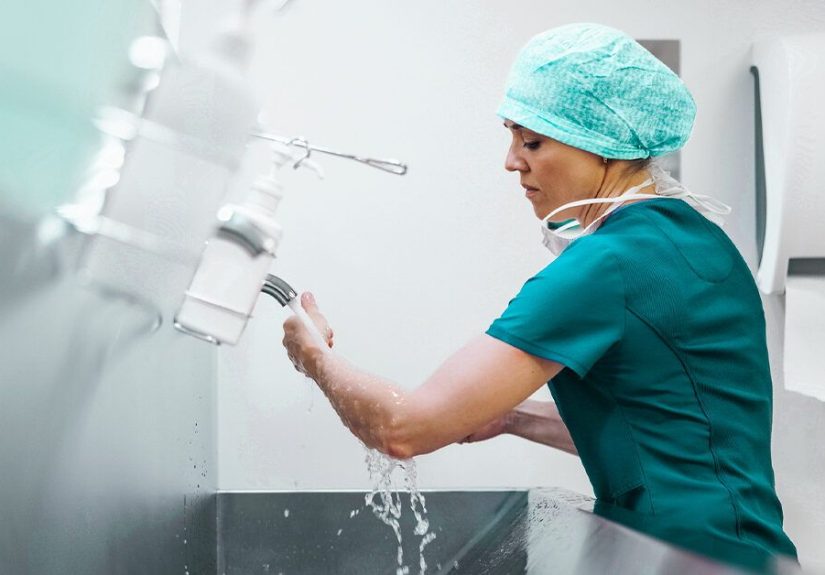
2) Hand hygiene that actually works (timing beats intensity)
Hand hygiene is the MVP. The most important part isn’t scrubbing like you’re trying to remove your fingerprints
it’s doing it at the right moments:
- Before and after touching a patient
- Before clean/aseptic procedures (like dressing changes)
- After contact with blood/body fluids, wound drainage, or contaminated items
- After removing gloves (gloves are not magical forcefields)
Alcohol-based hand rubs are often used when hands aren’t visibly soiled. Soap-and-water is key when hands are visibly dirty.
3) Contact precautions: gowns + gloves when appropriate
In inpatient acute care settings, contact precautions are commonly recommended for patients known to be colonized or infected
with MRSA. That typically means using a gown and gloves for certain types of care and following facility policy for room placement,
signage, and equipment handling. The goal is simple: reduce the chance that MRSA hitchhikes on hands, clothing, or shared equipment
to the next patient.
4) Smart screening and “flagging” systems
Many facilities use surveillance strategies to identify MRSA risklike screening certain high-risk patients (based on local policy),
monitoring MRSA infections, and alerting care teams when a patient has a history of MRSA colonization or infection. Early identification
helps staff use the right precautions from the start.
5) Wound care and device care (because breaks in the skin are MRSA’s front door)
MRSA loves openings: surgical incisions, pressure injuries, IV sites, catheter sites. Facilities reduce risk with:
- Clean, well-secured dressings and prompt dressing changes when soiled or loose
- Aseptic technique for line care and dressing changes
- Removing invasive devices as soon as they’re no longer needed
6) Environmental cleaning and disinfection (the “high-touch” hit list)
MRSA can spread when hands touch contaminated surfaces and then touch skin or devices. Healthcare cleaning focuses on:
- High-touch surfaces: bed rails, call buttons, doorknobs, light switches, bedside tables
- Shared equipment: blood pressure cuffs, stethoscopes, wheelchairs, IV poles
- Correct disinfectant use, including following label directions and contact time
Facilities should use EPA-registered disinfectants with claims effective against MRSA and apply them exactly as directed.
(Yes, “contact time” matters. Wiping it off immediately is like taking cookies out of the oven after 30 seconds and calling it baking.)
7) Decolonization strategies in the right situations
Decolonization means reducing MRSA carriage on the bodyoften using topical approaches such as nasal mupirocin and chlorhexidine
washes. It’s not for everyone and should be guided by clinical protocols because overuse can contribute to resistance.
Some settings use targeted decolonization for specific high-risk patients, and certain surgical pathways may include nasal
antiseptics/antibiotics and antiseptic bathing before surgery. There’s also evidence that post-discharge decolonization protocols
for selected patients can reduce MRSA infection risk compared with education alone.
8) Antibiotic stewardship (preventing resistance is prevention, too)
Stewardship programs help ensure antibiotics are used only when needed, with the right drug, dose, and duration. That reduces
selective pressure that encourages resistant organisms like MRSA. In practical terms: fewer unnecessary antibiotics now means fewer
“superbugs” later.
9) Training, staffing, and culture (the invisible precaution)
Protocols don’t implement themselves. Facilities with strong MRSA prevention typically invest in:
- Regular training and competency checks (especially for PPE and line care)
- Easy access to supplies (hand rub, gowns, gloves, disinfectant wipes)
- Clear workflows for isolation, transport, and room cleaning
- A culture where anyone can remind anyone about hand hygienepolitely, not dramatically
Precautions in the Community: Practical Steps That Fit Real Life
Community prevention isn’t about being afraid of your own couch. It’s about reducing opportunities for MRSA to transfer
from skin to skinor skin to stuff to skin.
1) Keep hands clean (especially after contact sports, gyms, and wound care)
Wash hands thoroughly with soap and water when you can. If you’re out and about, alcohol-based hand sanitizer can help when hands
aren’t visibly dirty. The key is consistencybefore eating, after the bathroom, after practice, after changing bandages.
2) Cover cuts, scrapes, and draining wounds
If a wound is draining, it can spread bacteria. Keep wounds clean and covered with clean, dry bandages until healed. In settings
like sports, school, or work, this is one of the most effective ways to reduce spread.
3) Don’t share personal items that touch skin
MRSA spreads through shared towels, razors, washcloths, clothing, cosmetics, and athletic gear. If it touches skin, treat it like a toothbrush:
yours and only yours.
4) Laundry and household cleaning: aim for “effective,” not “obsessive”
You don’t need to bleach the universe. Focus on:
- Washing towels, sheets, and clothes that contact infected areas
- Cleaning high-touch surfaces (bathroom faucets, door handles, phones) more often during an active infection
- Not sharing towelsgive everyone their own, like a tiny textile independence movement
5) Gyms and sports teams: simple rules that prevent outbreaks
MRSA can spread among athletes because of close contact and shared facilities. Preventive habits include:
- Showering after practice or games
- Covering all wounds
- Not sharing towels, uniforms, or protective gear
- Wiping down shared equipment and mats using appropriate disinfectants
- Reporting suspicious skin lesions early (don’t “tough it out”)
6) Schools and childcare: normalize handwashing and smart wound checks
In school settings, the most helpful actions are practical:
encourage handwashing, keep wounds covered, and address draining lesions through the school nurse or healthcare provider.
Coaches can reinforce “no sharing towels” and keep cleaning routines consistent for athletic spaces.
7) When to get medical care (and why “popping it” is usually a bad plan)
Seek care for skin infections that are worsening, very painful, rapidly spreading, associated with fever, or not improving.
Avoid squeezing or trying to drain lesions yourselfbesides the pain factor, it can worsen infection and increase spread.
A clinician can determine whether drainage is needed and whether antibiotics are appropriate.
If MRSA Is in Your Household: A Calm, Targeted Game Plan
When someone has an active MRSA skin infection, household prevention focuses on limiting contact with drainage and improving
routine hygiene:
- Keep wounds covered; dispose of used bandages carefully
- Wash hands after touching bandages, laundry, or the affected area
- Avoid sharing towels, razors, bedding until the infection is resolved
- Clean high-touch surfaces more often during the active infection period
If infections keep recurring, talk with a healthcare provider about possible next steps. In some cases, clinicians may consider
decolonization strategies for selected patients or householdsthis should be guided by medical advice to avoid unnecessary treatment
and resistance.
Common Mistakes That Keep MRSA Circulating
- Hand hygiene “in theory”: Knowing it matters but forgetting after glove removal or after touching phones/badges.
- Bandage shortcuts: Leaving draining wounds uncovered “just at home” (home is where most touching happens).
- Sharing towels: The fastest way to turn one infection into a group project.
- Wrong disinfectant use: Not following label directions or wiping off before contact time.
- Antibiotics when not needed: Using leftover antibiotics or pressuring for prescriptions fuels resistance.
A Quick MRSA Prevention Checklist (Medical + Community)
- Clean hands at the right moments (before/after care, after bandage changes, after sports).
- Keep wounds clean, dry, and covered until healed.
- Don’t share towels, razors, clothing, cosmetics, or gear that touches skin.
- Use gloves/gowns per facility policy when caring for MRSA patients in healthcare settings.
- Clean and disinfect high-touch surfaces and shared equipment.
- Follow disinfectant label directions and contact time.
- Remove invasive devices promptly when no longer needed (healthcare settings).
- Use antibiotics wiselyonly when prescribed, and finish as directed.
- Report suspicious skin lesions early; don’t self-drain.
- If infections recur, ask about evaluation and possible targeted decolonization.
Experiences and Lessons From the Real World (Composite Stories)
The following “experiences” are composite scenarios based on common infection-prevention situationsshared to make the precautions feel
less like a poster on a wall and more like something that fits into real life.
The busy clinic day: the moment gloves became “permission”
In a fast-paced outpatient clinic, it’s easy to see how MRSA prevention can fail in tiny, unglamorous ways. One common pattern is what
infection prevention teams sometimes call “glove confidence.” A staff member puts on gloves to change a dressing (good!), finishes the task,
then immediately reaches for the computer keyboard, the rolling stool, and the phonestill gloved (not good). Minutes later, another person
uses the same keyboard and unconsciously rubs an itchy spot near a cuticle. No villain monologue. No dramatic music. Just bacteria using the
world’s most ordinary transportation system.
The fix wasn’t complicated: a simple workflow resetfinish wound care, remove gloves, clean hands, then touch “clean” surfaces. It’s a small
habit, but small habits are exactly what MRSA exploits. The lesson: PPE works best when it’s paired with the right sequence.
The wrestling team: where towels went to multiply
A high school sports program notices a few athletes with painful, red skin bumps. Someone mentions “spider bite,” which is practically the
official mascot of misdiagnosed skin infections. The coach responds the way many good coaches do: with action. They implement a routine:
athletes shower promptly, every open scrape gets covered, and towels become non-shareable property (suddenly, everyone knows which towel is whose).
Mats and equipment get cleaned consistently with an appropriate disinfectantfollowing label directions instead of the “quick wipe and hope” method.
The team learns a surprisingly empowering truth: you don’t need to be perfect, you need to be consistent. When hygiene and wound coverage become
normallike wearing a mouthguardskin infections become less common, and players miss fewer practices.
The household loop: reinfection without realizing it
In a family home, one person gets a MRSA skin infection that improves, then another household member develops a similar sore weeks later.
Nobody is doing anything “wrong”they’re just sharing life: towels on a rack, the same couch blankets, the same razor left in the shower caddy,
and bandages tossed into an open trash can.
When they switch to a calm, targeted plancovered wounds, handwashing after bandage changes, no towel sharing, and a little extra attention to
high-touch surfaces during active infectionthe chain of spread slows down dramatically. The big lesson is reassuring:
you don’t need to disinfect your entire existencejust break the easy pathways.
The “talk to us” culture: the quiet superpower in hospitals
In facilities with strong infection-prevention culture, patients and families are invited to speak up: “Would you mind cleaning your hands before you start?”
That sentence can feel awkward the first time you say itlike reminding someone they forgot to zip their backpack. But when staff respond with “Absolutely,
thanks for the reminder,” it becomes normal and cooperative instead of confrontational.
That’s the final experience-based takeaway: MRSA prevention is rarely about one heroic intervention. It’s about lots of ordinary people doing
the ordinary thingshands, wounds, cleaningover and over. Bacteria hate routines that work.
Conclusion: The Goal Is Fewer Opportunities, Not More Fear
MRSA prevention comes down to reducing “easy wins” for bacteria. In healthcare settings, that means consistent hand hygiene, contact precautions
when indicated, careful device and wound care, and thorough environmental cleaning. In the community, it’s about clean hands, covered wounds, not sharing
skin-contact items, and smart cleaningespecially in sports, schools, and households during active infections.
If you take nothing else away, take this: MRSA spreads through routine contact, and it’s stopped by routine prevention.
Make the good habits the default, and MRSA has a much harder time finding its next ride.