Table of Contents >> Show >> Hide
- What You’ll Learn
- The Quick Answer: When Is Soil Safe to Replant?
- Step One: Figure Out Why the Plant Died (Because Soil Gets Blamed for Everything)
- A Simple Soil Reset You Can Do Today (15–30 Minutes, No Fancy Gadgets)
- When You Should Wait (and How Long): A Practical Guide
- Containers and Raised Beds: Different Rules (and Usually Faster Solutions)
- Specific Examples: What “Safe to Replant” Looks Like in Real Life
- How to Keep the Next Plant Alive (So You Don’t Have to Read This Article Again)
- Gardener Experiences: What It Really Looks Like After You Pull a Dead Plant ()
Good news: your garden bed usually isn’t “cursed.” Less good news: sometimes it is… but only in the totally fixable, science-y sense. If you just yanked a plant that gave up the ghost, you can often replant right awayas long as you figure out why it died and do a quick soil reset first.
Think of this like CSI: Garden Bed. We’re looking for clues, ruling out suspects, and deciding whether your soil is ready for a new residentor needs a short “quarantine” before the next planting party.
The Quick Answer: When Is Soil Safe to Replant?
Most of the time, soil is safe to replant immediately after you remove a dead plantespecially if it died from a non-contagious cause like heat stress, frost, underwatering, old age, or a one-time “oops” with fertilizer.
But you should wait (or switch what you plant) if:
- The plant showed signs of a soilborne disease (wilts, root rots, sudden collapse with discolored stems, mushy roots).
- Multiple plants in the same spot died in a similar way (your soil is waving a tiny red flag).
- The plant was a veggie and you’re planning to replant the same family in the same place (hello, repeat offenders).
Rule of thumb:
- Non-disease death: replant in 0–7 days (after a quick soil refresh).
- Possible leaf disease (not soilborne): replant in 1–14 days (after cleanup), preferably with a different variety and better airflow.
- Likely soilborne disease (wilt/root rot/nematodes): don’t replant the same family in that spot for 2–5+ years (or use raised beds/clean soil/containers).
Step One: Figure Out Why the Plant Died (Because Soil Gets Blamed for Everything)
Before you plant something new, do a quick “post-mortem.” Not the dramatic kindmore like a gentle inspection that doesn’t require a magnifying glass… unless you enjoy that.
Clues It Wasn’t the Soil’s Fault
- Crunchy, dry stems and soil that’s bone-dry: likely underwatering or heat stress.
- Blackened leaves after a cold snap: frost damage.
- Yellowing leaves on an otherwise firm plant: could be nutrient imbalance, pH issues, or watering problems.
- One plant died, neighbors look fine: often a one-off problem (transplant shock, a damaged root, a single pest).
Clues You Should Suspect a Soil Problem (Or at Least Investigate)
- Mushy, brown, or foul-smelling roots: classic root rot pattern (often linked to poor drainage or persistent overwatering).
- A plant that wilts even when the soil is moist: can point to vascular wilts (like Fusarium/Verticillium) or severe root damage.
- Brown streaking inside the stem when you slice it lengthwise (a strong clue for certain wilts).
- Galls/knots on roots: may indicate root-knot nematodes.
- Repeated failure in the same spot: disease buildup, compaction, drainage issues, or depleted nutrients.
Important nuance: not every sick-looking plant equals “bad soil.” Many leaf diseases (like powdery mildew) live mostly on foliage and spread through air and splashing watermeaning your soil may be perfectly fine after you remove infected debris. Soilborne diseases are the ones that justify a longer waiting period or rotation strategy.
A Simple Soil Reset You Can Do Today (15–30 Minutes, No Fancy Gadgets)
If you suspect the death was not from a major soilborne disease, this quick reset is often enough to safely replant.
1) Remove More Than Just the Plant
Pull out as much of the root system as you reasonably can, plus any dropped leaves, rotting stems, and surrounding weeds. Old roots break down eventually, but leaving a big mass of decaying material can create soggy pockets and attract pests.
2) Check Drainage (The “Puddle Test”)
Fill the planting hole with water. If it drains within a couple hours, you’re usually fine. If it sits like a tiny backyard swimming pool, your next plant is at risk for root problemsespecially if you replant immediately with something that hates wet feet (many herbs, succulents, and some ornamentals).
3) Loosen the Soil and Add Organic Matter
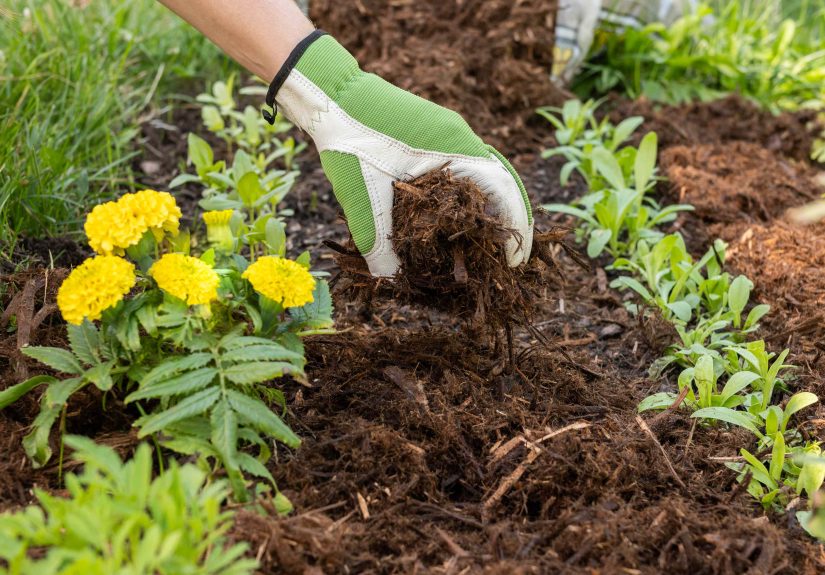
Work in a few inches of finished compost, plus loosen compacted soil around the planting area. This improves drainage in heavy soil and helps sandy soil hold moisture more evenly. Translation: fewer “plant mood swings.”
4) Rehydrate Smartly If Soil Was Bone-Dry
If the bed dried out completely, don’t just splash the surface and call it a day. Deep watering helps re-wet the root zone. Adding compost and mulch helps keep moisture consistent so your next plant doesn’t live on a hydration roller coaster.
5) Consider a Soil Test if This Keeps Happening
If you’re repeatedly losing plants in the same area, a lab soil test can reveal pH issues and nutrient imbalances that aren’t obvious (and can’t be fixed by yelling encouraging phrases at your garden).
When You Should Wait (and How Long): A Practical Guide
Here’s where the “safe to replant” timeline changes. If disease is likelyespecially soilborne diseasereplanting immediately can set you up for a sequel nobody asked for: Plant Death 2: The Replanting.
| What happened | What to do next | When to replant | Best follow-up choice |
|---|---|---|---|
| Plant died from drought/heat/frost/old age | Remove roots/debris, add compost, fix watering/mulch | Immediately to 7 days | Same plant is fine (if you fix the cause) |
| Compacted soil or poor drainage suspected | Amend with compost, loosen soil, consider raised bed | After the soil structure is improved (often 1–14 days) | Plants tolerant of heavier soils while you improve it |
| Leaf disease likely (powdery mildew, leaf spot), roots looked healthy | Remove all infected debris, avoid overhead watering | 1–14 days | Different variety or species + better airflow |
| Root rot pattern (mushy roots, soggy soil) | Fix drainage first; don’t “replant into a swamp” | Only after drainage is corrected | Plants that match your soil moisture reality |
| Wilt disease suspected (wilting in moist soil, stem discoloration) | Rotate plant families; consider resistant varieties | Rotate out 3–5+ years for the same family | Different family in that spot, or raised bed with clean soil |
| Multiple plants repeatedly fail in the same spot | Soil test + improve soil + consider solarization | Depends on diagnosis | “Reset” strategy + rotation plan |
Crop Rotation: The Most Boring-Sounding Trick That Works
If you grow vegetables, rotation is one of the most effective ways to lower disease pressure over time. Many soilborne pathogens build up when the same plant family is grown in the same place year after year. Rotating families helps break those cycles.
Practical home-garden rotation tip: if tomatoes (nightshades) struggled in one spot, follow with beans (legumes), onions (alliums), or lettuces (asters) instead of planting another tomato right there. If you’ve had confirmed or strong-suspected wilt problems, longer rotations (several years) are often recommended.
Soil Solarization: A “Sun Sauna” for Problem Beds
If you suspect soilborne pests or diseases and you can afford to leave the bed unplanted for a bit, soil solarization is a non-chemical option used to reduce many soilborne problems. The basic idea is simple: moisten the soil, cover it tightly with clear plastic during the hottest, sunniest part of the year, and let heat build up long enough to knock back a range of pests.
Timing matters: solarization typically requires several weeks during a hot period to be effective. It’s more effective in full sun and when the plastic is sealed well around the edges.
Don’t Compost Diseased Plants (Unless You’re Running a Truly Hot Compost System)
If the dead plant likely had a disease, tossing it into a casual backyard compost pile can spread pathogens right back into your garden later. Many home compost piles don’t reliably reach the sustained high temperatures needed to kill most plant disease organisms.
Safer options: bag and trash, or follow your local disposal guidance for diseased plant material.
Containers and Raised Beds: Different Rules (and Usually Faster Solutions)
If a Container Plant Died, Should You Reuse the Soil?
It depends. If the plant died from something non-disease-related (like drying out or being forgotten during a heat wave), you can often refresh the potting mix by removing old roots and mixing in new potting mix and compost.
But if disease was involvedespecially fungal, bacterial, or viral problemsmany extension resources recommend not reusing that potting soil. Potting mixes can hold onto pathogens longer than you’d like, and the cost savings often isn’t worth the risk of reinfecting the next plant.
Cleaning Pots and Tools (Because Pathogens Hitchhike)
Diseases can spread on tools, stakes, cages, and containers. Basic cleaning plus disinfection helps reduce riskespecially if you’re dealing with wilts, root rots, or damping-off.
- Clean first: remove soil and debris with soapy water.
- Disinfect: use an appropriate disinfectant (many extensions note isopropyl alcohol or a properly diluted bleach solution), then rinse and dry to reduce corrosion.
- Safety note: only mix bleach with water, and use fresh solution as directed by research-based guidance.
Shortcut for the risk-averse: if a container plant died of a suspected soilborne disease, the simplest “clean slate” is: new potting mix + cleaned pot + a plant that matches your light and watering habits.
Specific Examples: What “Safe to Replant” Looks Like in Real Life
Example 1: The Tomato That Wilted Overnight
If a tomato plant wilts even when the soil stays moist, and you notice brown discoloration inside the stem, you should suspect a wilt disease. In that case, replanting another tomato in the same spot right away is risky. A better plan is to plant a different family there and move tomatoes elsewhere for a multi-year rotation. If you’re determined to keep tomatoes in the same general area, raised beds with clean soil and resistant varieties are often suggested as practical workarounds.
Example 2: The Basil That Turned to Crispy Confetti
Crispy basil is often a watering or heat issue. After removing the plant, refresh the bed with compost and mulch, then replant basil (or another herb) right awayjust don’t repeat the “daily sprinkle” routine that wets the surface but leaves roots thirsty. Deep, less frequent watering usually works better.
Example 3: The Impatiens That Melted in a Soggy Corner
If roots were mushy and the area stays wet, focus on drainage before replanting. You might amend soil, regrade slightly, or choose a plant that tolerates moisture better. Replanting immediately without fixing the sogginess often leads to a repeat failure.
Example 4: Seedlings That Collapsed (Damping-Off)
Damping-off is a classic seedling problem tied to pathogens that thrive in cool, wet conditions. If it shows up in trays or pots, guidance commonly emphasizes sanitation and using fresh, high-quality potting mix. For outdoor beds with a history of seedling collapse, soil solarization can be considered before the next planting window.
How to Keep the Next Plant Alive (So You Don’t Have to Read This Article Again)
1) Match the Plant to the Site
Most “mystery deaths” are actually “wrong plant, wrong place.” Full-sun plants in shade get weak. Drought-tolerant plants in soggy soil rot. Water-loving plants in sandy soil sulk. Choose plants that fit your light, moisture, and soil typethen you’ll do less rescuing later.
2) Water Like a Pro (Not Like a Panic Sprinkler)
Water deeply so moisture reaches the root zone, then let the soil approach (not reach) dryness before watering again. Constantly wet soil encourages rot; constantly dry soil stresses roots and invites pests.
3) Improve Soil Over Time
Compost, mulch, and cover crops (where appropriate) help build a healthier soil ecosystem. Better structure supports better roots, and better roots support plants that don’t quit mid-season.
4) Rotate Vegetable Families
Rotation isn’t just for big farms. A simple home-garden rotation plan reduces disease pressure and helps balance nutrient draw. Even a small garden can rotate by using sections, pots, or alternating beds each season.
5) Sanitize When Disease Is Suspected
If the dead plant likely had a disease, clean tools, cages, and containers before reusing them. It’s the garden equivalent of washing your handssimple, not glamorous, and wildly underrated.
Gardener Experiences: What It Really Looks Like After You Pull a Dead Plant ()
The “It Was Fine Yesterday” Tomato Mystery
Many gardeners describe a tomato that looks healthy until it suddenly wilts like it just remembered it left the oven on. The soil is moist, the leaves droop, and watering changes nothing. When this happens, experienced gardeners often switch from “more water” to “more detective work.” Cutting a stem to look for internal browning becomes a go-to move, and the lesson is usually the same: replanting another tomato in the exact same spot is a gamble. Instead, gardeners commonly rotate to a different crop family, try resistant varieties in a new location, or use a raised bed with fresh soil. The emotional arc tends to go: denial → overwatering → acceptance → rotation plan.
The Overwatered Houseplant That Migrated Outdoors (and Still Didn’t Forgive)
Another common story: a potted plant that struggled indoors gets moved outside “for fresh air” and promptly declines. When pulled, the roots are brown and softclassic signs that the pot stayed too wet too often. Gardeners who’ve been through this once tend to become ruthless about drainage the next time. They’ll dump questionable potting mix, scrub the pot, and start with fresh, well-draining medium. The big takeaway from these experiences is that “soil safety” in containers is often less about time and more about starting clean when disease or rot is suspected. The cheapest fix is rarely the best fix if it costs you another plant.
The Perennial That Failed Twice in the Same Hole
Gardeners also talk about the spot that seems “haunted”a place where one shrub dies, then its replacement struggles too. After two losses, people often stop blaming bad luck and start looking at sunlight, compaction, and drainage. Digging a wider hole reveals hard, dense soil, or a low spot that stays wet after rain. The fix is usually structural: loosening soil beyond the planting hole, adding organic matter, raising the planting area slightly, or choosing a plant that tolerates the site better. In these cases, the soil wasn’t “infected,” just physically unfriendly. Once the structure improves, replanting becomes safeand success feels weirdly personal, like winning an argument with the yard.
The Seedling Tray Tragedy (Damping-Off Déjà Vu)
Seedlings collapsing at the soil line is one of those experiences that turns confident gardeners into conspiracy theorists. People often describe doing everything “right” and still losing a whole tray. After a few rounds, the pattern becomes clear: crowded seedlings, overly wet media, and reused containers are frequent contributors. Gardeners who learn from this tend to adopt a strict routine: clean trays, fresh potting mix, better airflow, and careful watering. When the problem repeats outdoors, some gardeners experiment with pre-plant soil solarization in problem beds. The lived lesson is blunt: when tiny plants die fast, sanitation and fresh media matter more than pep talks.
The “It Died Because I Forgot It Exists” Redemption Planting
And then there’s the most relatable experience: a plant died because life got busy. No disease. No curse. Just a missed watering streak. Gardeners in this situation often replant quickly, but with a smarter planmulch for moisture retention, a watering schedule that matches reality, and sometimes a more resilient plant choice. Many people find that replanting right away is not only safe, it’s motivating. A fresh plant acts like a reset button: “This time, we’re going to communicate better.” The soil is usually fine; the system around it needed an upgrade.