Table of Contents >> Show >> Hide
If pumpkin seeds had a publicist, fall would be their Super Bowl. The second somebody carves a pumpkin, those little seeds start whispering, “Don’t throw us away. We’re useful. We’re tasty. We contain actual fiber.” And honestly? They have a point.
Pumpkin seedsalso called pepitas when they’re hulledare one of those rare foods that check a lot of boxes without acting smug about it. They’re crunchy, versatile, easy to store, and surprisingly nutrient-dense for something that looks like it could blow away in a strong breeze. Depending on the form you buy, they can offer fiber, plant-based protein, healthy unsaturated fats, magnesium, zinc, and iron, all packed into a snack that works just as well on oatmeal as it does on soup, salad, or straight from the pan.
That fiber piece is especially worth celebrating. If you eat whole roasted pumpkin seeds with the shells on, you’ll generally get more fiber than you would from hulled pepitas. Pepitas are still a smart choice and easier to sprinkle into recipes, but if your goal is to squeeze more roughage into the day, whole seeds can pull a little extra weight. In other words, pumpkin seeds are not just garnish. They’re tiny overachievers.
Below, you’ll find five easy and genuinely delicious ways to enjoy pumpkin seeds, plus practical tips for choosing, seasoning, and using them without turning your kitchen into a pumpkin patch crime scene.
Why Pumpkin Seeds Deserve a Spot in Your Pantry
Pumpkin seeds may be small, but nutritionally they show up like they’re trying to win employee of the month. A modest serving can provide fiber, a satisfying amount of protein, and heart-friendly unsaturated fats, which is one reason they keep you feeling fuller than the average handful of chips. They also supply minerals many people don’t get enough of, especially magnesium and zinc.
Magnesium matters for muscle and nerve function, energy production, and normal blood pressure regulation. Zinc plays important roles in immune function, wound healing, and general cellular work behind the scenes. Add in iron, phosphorus, and plant compounds with antioxidant activity, and pumpkin seeds start to look less like a seasonal extra and more like a year-round pantry essential.
There’s also a texture argument to make. Pumpkin seeds bring crunch without requiring deep frying, sugar coating, or a list of mystery ingredients. They’re easy to season sweet or savory, they pair well with fruits and vegetables, and they can make simple foods feel more finished. A bowl of soup with pumpkin seeds on top feels intentional. A salad with pepitas tastes like somebody cared. A yogurt bowl with toasted seeds says, “Yes, I am trying to have a better morning than yesterday.”
Pepitas vs. Whole Pumpkin Seeds
This is where the fiber conversation gets interesting. Pepitas are the green inner kernels, usually sold hulled and ready to eat. They’re tender, nutty, and ideal for sprinkling into dishes or blending into sauces. Whole pumpkin seeds include the white outer shell, and that shell contributes extra fiber. So if you’re chasing crunch and more fiber, whole roasted seeds are a strong pick. If you want convenience and a softer bite, pepitas are the low-drama choice.
How to Buy, Store, and Prep Pumpkin Seeds
You can go two routes here: buy them ready to eat, or harvest and roast them yourself. Store-bought pumpkin seeds are the easier weeknight option. Look for unsalted or lightly salted varieties if you want more control over sodium, and check the ingredient list. Ideally, it should read like a short sentence, not a chemistry quiz.
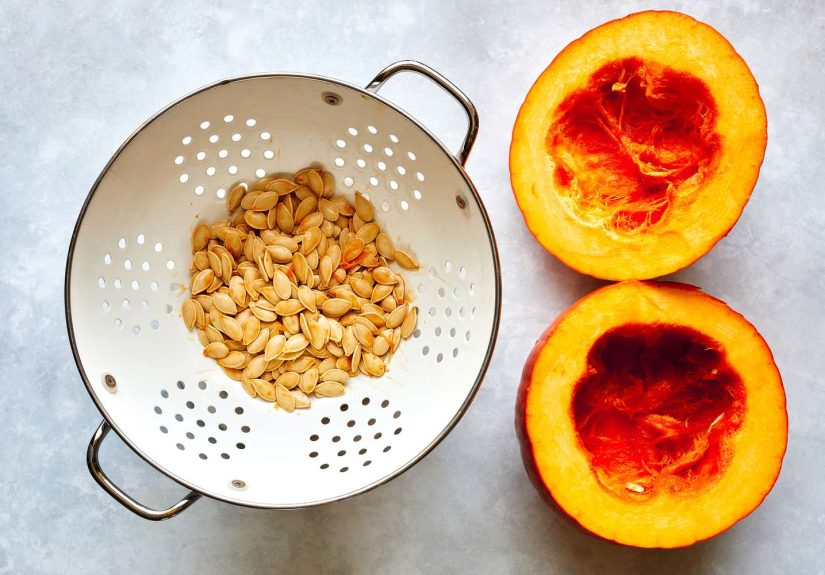
If you’re roasting seeds from a fresh pumpkin, rinse off the stringy pulp, dry the seeds well, toss them lightly with oil, and roast until crisp and fragrant. Pepitas usually toast faster than whole seeds, so keep an eye on them. The goal is golden and nutty, not “accidentally carbonized while you answered one email.”
Store roasted pumpkin seeds in an airtight container in a cool, dry place. If you buy a big bag, the refrigerator or freezer can help keep the natural oils from going stale. Freshness matters because rancid seeds are not subtle. They do not whisper. They announce themselves.
5 Simple and Delicious Ways to Enjoy Pumpkin Seeds
1. Roast Them with a Flavor Twist for an Easy Snack
This is the most obvious use, but also the one most likely to become a habit. Roasted pumpkin seeds are portable, crunchy, and dramatically better when you season them like you mean it. A little olive oil and salt are enough, but you can also go savory with smoked paprika, garlic powder, cumin, black pepper, or chili powder. Want something sweeter? Cinnamon, a touch of maple syrup, and a pinch of sea salt can turn them into a snack that tastes suspiciously like effort.
The best part is portion flexibility. Roast a small batch for topping meals, or make a larger batch for the week and store it in jars. They’re perfect for desk snacks, road trips, or that awkward late-afternoon moment when lunch has emotionally left the building but dinner is still far away.
If fiber is your main goal, use whole seeds with the shells on. If you’re after a cleaner, easier chew, go with pepitas. Either way, roasted pumpkin seeds beat the usual vending machine roulette.
2. Sprinkle Them Over Breakfast for Instant Crunch
Pumpkin seeds are excellent on breakfast foods because they add texture without demanding much from you. Toss them over oatmeal, overnight oats, Greek yogurt, cottage cheese, or a smoothie bowl. They pair especially well with apples, pears, bananas, pumpkin puree, cinnamon, and a drizzle of nut butter.
This move is almost unfairly simple. Your breakfast is already in the bowl. All you’re doing is adding a spoonful of crunch, fiber, and a little staying power. Suddenly the oatmeal that usually tastes like a warm apology becomes something you actually want to eat.
For extra flavor, toast pepitas in a dry skillet for a few minutes before adding them on top. That tiny step brings out a richer, nuttier flavor that makes the whole bowl feel upgraded. It’s the breakfast equivalent of fluffing the pillows before guests arrive.
3. Use Them as a Salad and Grain Bowl Topper
If your salad regularly leaves you asking, “Was that lunch or a decorative suggestion?” pumpkin seeds can help. They add crunch, richness, and just enough protein and fat to make vegetable-heavy meals feel more satisfying. Scatter them over kale salad, chopped romaine, spinach, roasted squash salad, or grain bowls with quinoa, brown rice, or farro.
Pumpkin seeds work especially well with fall and winter ingredients like roasted sweet potatoes, apples, cranberries, beets, Brussels sprouts, and goat cheese, but they’re hardly seasonal prisoners. They’re just as good with cucumbers, tomatoes, avocado, corn, black beans, or citrusy dressings in warmer months.
Because they’re mild and nutty, they fit into almost any salad profile. Think of them as the reliable dinner guest who somehow gets along with everyone. They bring something useful, they don’t dominate the room, and you’re always glad they showed up.
4. Blend Them into Pesto, Sauce, or a Savory Sprinkle
Pumpkin seeds are not limited to topping duty. They also blend beautifully into sauces. Swap them in for pine nuts or part of the nuts in a pesto, and you’ll get a rich, earthy flavor that plays well with basil, cilantro, parsley, garlic, lemon, and Parmesan. It’s an easy way to make pasta, roasted vegetables, grilled chicken, or sandwiches more interesting without a lot of extra work.
You can also pulse toasted pepitas with herbs and spices to make a savory sprinkle for eggs, avocado toast, soups, or roasted vegetables. Think of it as your homemade finishing salt’s more exciting cousin. A spoonful of crushed pumpkin seeds on tomato soup, butternut squash soup, or black bean soup adds contrast and makes each bite feel less one-note.
This is also one of the best uses for people who like the nutrition of seeds but not necessarily the full, chewy bite. Once blended, they become part of the dish instead of sitting on top of it like nutritional confetti.
5. Fold Them into Trail Mix, Granola, and Baked Goods
If you want pumpkin seeds to become a regular part of your routine, put them where habits already live. Mix them into homemade granola, trail mix, muffins, quick breads, cookies, or energy bites. They pair well with oats, dried cherries, raisins, dates, dark chocolate, coconut, cinnamon, and warm baking spices.
Granola is an especially smart use because pumpkin seeds add crunch and richness without making the mix overly sweet. In trail mix, they balance dried fruit and chocolate with something savory and a little more substantial. In baked goods, they can go inside the batter or on top for a bakery-style finish that says, “Yes, I do have standards.”
They’re also great on homemade snack bars. A mixture of oats, nut butter, honey, chopped dates, and pumpkin seeds makes a practical snack with texture, flavor, and enough fiber to feel like more than dessert dressed as wellness.
Simple Tips for Enjoying Pumpkin Seeds Without Overdoing It
Pumpkin seeds are nutrient-dense, which is another way of saying they pack a lot into a small serving. That’s good news, but it also means a little goes a long way. A small handful or a tablespoon or two as a topping is often enough to add fiber, crunch, and flavor without turning a salad into a seed avalanche.
If you’re new to eating more fiber, ease in. Whole seeds with shells can be a bigger jump for some people, and suddenly inhaling half a bag may lead to bloating or digestive discomfort. Your stomach prefers gradual ambition. Drinking enough water also helps fiber do its job more gracefully.
Finally, be mindful of sodium. Many packaged pumpkin seeds are heavily salted, and while they’re still tasty, they can shift from “smart pantry staple” to “snack that makes you mysteriously thirsty for three hours.” Unsalted or lightly salted versions give you more flexibility and let the natural nutty flavor come through.
A Real-Life Look at What It’s Like to Eat More Pumpkin Seeds
One of the most appealing things about pumpkin seeds is that they don’t require a dramatic lifestyle overhaul. You do not need a new meal plan, a rare blender attachment, or a personality change. Most people start using them in extremely ordinary ways: a spoonful over yogurt, a handful in a salad, a little container packed for a snack. That’s part of the charm. They slide into real life without demanding center stage.
In practice, the first thing people usually notice is texture. Pumpkin seeds make soft foods more interesting. Oatmeal stops feeling sleepy. Soup gets a crunchy contrast. Salads taste less like obligation and more like lunch. Even toast can feel more substantial with a layer of nut butter, sliced fruit, and a scattering of toasted pepitas on top. The seeds don’t overpower the meal; they just make it feel finished.
The second thing people often notice is convenience. Once a batch is roastedor once a bag is openedthey become the ingredient you reach for when food needs help fast. Not enough crunch? Pumpkin seeds. Need a quick snack before errands? Pumpkin seeds. Made a grain bowl that tastes healthy but somehow emotionally flat? Pumpkin seeds again. They’re the pantry equivalent of a dependable friend who always answers the phone.
There’s also a subtle satisfaction factor. Because pumpkin seeds contain fiber, fat, and protein, they tend to make snacks and light meals feel more complete. That doesn’t mean they’re magic, and they certainly do not replace balanced meals, but they can help bridge that annoying gap between “I ate” and “I am actually full.” A yogurt bowl with fruit is fine. A yogurt bowl with fruit and pumpkin seeds is a plan.
People who start using whole pumpkin seeds sometimes have a small learning curve with the shells. Some love the extra crunch and fiber right away; others decide pepitas are more their speed. That’s normal. This isn’t a moral test. It’s just a texture preference. The nice thing is that both versions are useful, and many kitchens end up keeping both: pepitas for recipes, whole roasted seeds for snacking.
Another real-world perk is flexibility across seasons. Pumpkin seeds feel perfectly on-brand in October, but they’re not limited to cardigan weather. They work in summer grain bowls, spring salads, back-to-school snack mixes, and winter soups. Once people stop associating them only with jack-o’-lanterns, they tend to use them much more often. And that’s when the habit sticksnot because it feels trendy, but because it feels easy.
In the end, the experience of eating more pumpkin seeds is less about chasing a miracle food and more about finding one practical ingredient that quietly improves a lot of meals. They add crunch, they add fiber, they add a little nutritional heft, and they do it without making dinner complicated. That’s a pretty good return for something so small.
The Bottom Line
Pumpkin seeds earn their keep. They’re crunchy, versatile, easy to store, and rich in nutrients that support a healthy eating pattern. If you want more fiber in your day, whole roasted pumpkin seeds with the shells on can be especially helpful. If you want convenience and a tender bite, pepitas are still a smart, delicious choice.
The easiest way to enjoy them is also the best way to keep eating them: use them often and use them simply. Roast them for snacks, sprinkle them on breakfast, toss them over salads, blend them into sauces, and fold them into trail mix or baked goods. No wellness theatrics requiredjust a small ingredient with a lot going for it.