Table of Contents >> Show >> Hide
- What Makes Punjabi-Style Chole “Chole” (Not Just Any Chickpea Curry)?
- Ingredients You’ll Need
- Punjabi-Style Chole: Step-by-Step Recipe
- Optional: DIY Quick “Chole Masala” Blend (If You Don’t Have a Store-Bought One)
- Pro Tips (Because Chickpeas Deserve a Glow-Up)
- Serving Ideas (From Weeknight to Full Party)
- Storage, Meal Prep, and Leftovers
- Nutrition Snapshot (Approximate)
- of Real-Life Chole Experience (The Part Nobody Tells You)
Chole (also spelled chholay) is the kind of dish that makes people say, “Wait… this is chickpeas?”
Because somehow, a humble bean turns into a thick, punchy, restaurant-worthy curry that tastes like it has a backstory,
a passport, and a fan club.
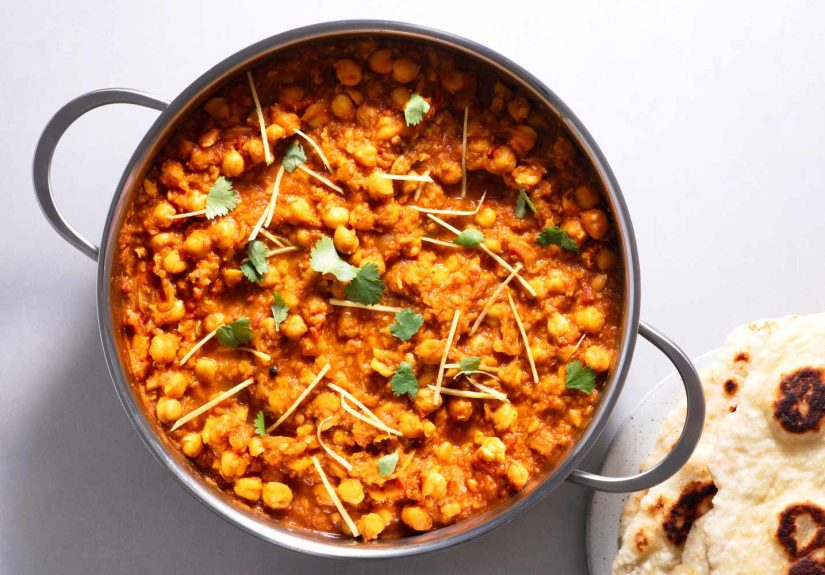
This guide walks you through a Punjabi-style choledeeply spiced, lightly tangy, and clingy in the best way
(the gravy should hug each chickpea like it missed them at the airport). You’ll get two paths: a slow-and-proud dried chickpea version,
plus a fast weeknight canned version that still tastes like you tried really hard.
What Makes Punjabi-Style Chole “Chole” (Not Just Any Chickpea Curry)?
Plenty of recipes fall under “chickpea curry,” but Punjabi-style chole has a few signature moves:
- Bold spice structure: not just heatlayers of warm, earthy, and roasted flavors.
- That savory-tangy finish: often from dried mango powder (amchur), pomegranate powder (anardana), or both.
- Dark, brick-colored gravy: commonly encouraged with black tea or a similar trick (optional, but classic).
- Thick texture: some chickpeas get gently crushed to make the sauce creamy without cream.
Translation: it’s cozy, bold, and a little dramaticlike the best dinner guests.
Ingredients You’ll Need
This recipe is written for 6 servings. If you want fewer, don’t halve the joyfreeze leftovers.
Chickpeas (Choose Your Route)
- Dried route (best texture): 1 1/2 cups dried chickpeas, soaked 8–12 hours
- Canned route (best speed): 2 (15-ounce) cans chickpeas, rinsed
Aromatics + Base
- 3–4 tablespoons neutral oil, ghee, or a mix
- 2 medium yellow onions, finely chopped
- 1 tablespoon ginger, grated
- 4 cloves garlic, minced or grated
- 1–2 green chiles (serrano or jalapeño), finely chopped (optional, but recommended for personality)
- 1 tablespoon tomato paste (optional, but great for richer color and body)
- 1 cup crushed tomatoes (or 3–4 medium tomatoes, finely chopped)
Whole Spices (For That Punjabi Backbone)
- 2 bay leaves
- 1 black cardamom pod (optional but very “chole”)
- 1 teaspoon cumin seeds
- 1/2 teaspoon mustard seeds (optional)
- 4 cloves (optional, but nice)
Ground Spices
- 2 teaspoons ground coriander
- 1 teaspoon ground cumin
- 1/2 teaspoon turmeric
- 1 to 1 1/2 teaspoons Kashmiri chili powder (or mild paprika + a pinch of cayenne)
- 1 1/2 to 2 tablespoons chole masala or chana masala spice blend (store-bought is totally fine)
- 1 teaspoon garam masala (for finishing)
- Salt, to taste
The “Signature” Options (Optional but Classic)
- 1 black tea bag (for darker color + subtle bitterness that reads “restaurant”)
- 1/4 teaspoon baking soda (helps soften chickpeas faster; don’t overdo it)
- 1 teaspoon amchur and/or 1–2 teaspoons anardana powder (tangy finish)
To Serve
- Fresh cilantro, chopped
- Fresh ginger, julienned (thin matchsticks)
- Lemon or lime wedges
- Basmati rice, roti, naan, or bhatura (if you want to go full celebration)
Punjabi-Style Chole: Step-by-Step Recipe
Total time: ~60–90 minutes (dried chickpeas) or ~30–40 minutes (canned chickpeas)
Step 1: Cook the Chickpeas
Dried Chickpeas Method
-
Drain soaked chickpeas and rinse. Add to a pot with enough water to cover by 2–3 inches.
Add 1/4 teaspoon baking soda (optional), 2 bay leaves, and 1 black tea bag (optional).
Salt lightly. -
Simmer until chickpeas are very tender, usually 45–70 minutes depending on age/brand.
(If they’re older chickpeas, they may need longer. Chickpeas have feelings, apparently.) - Remove tea bag and whole spices. Reserve about 1 1/2 cups cooking liquid for the curry.
Canned Chickpeas Method (Weeknight Hero)
-
Add rinsed chickpeas to a pot with 1–1 1/2 cups water (or more if you like extra gravy),
plus bay leaves and a tea bag if using. - Simmer 8–10 minutes to soften and infuse. Drain, reserving a little liquid, and discard tea bag/spices.
Why the tea bag? It deepens color and adds a faint bitter edge that helps the spices pop.
It’s optional, but it’s a classic trick when you want that darker, dhaba-style vibe.
Step 2: Build the Masala Base (The “Smells Like a Restaurant” Part)
-
Heat oil/ghee in a wide pan over medium-high heat. Add cumin seeds (and mustard seeds if using).
Let them sizzle for 10–20 seconds until fragrant. -
Add chopped onions with a pinch of salt. Cook, stirring often, until deeply golden10–15 minutes.
You’re aiming for “rich and toasty,” not “burnt and regretful.” - Add ginger, garlic, and green chiles. Cook 2–3 minutes until the raw smell fades.
-
Stir in tomato paste (if using) and cook 30–60 seconds.
Add crushed/chopped tomatoes and cook until thick and jammy6–10 minutes.
If the mixture sticks, splash in a little water and scrape up the tasty browned bits.
Step 3: Spice It Right (Without Burning the Good Stuff)
-
Lower heat to medium. Add ground coriander, cumin, turmeric, chili powder, and chole masala.
Stir constantly for 20–30 secondsjust until fragrant. -
Add cooked chickpeas plus 1 cup reserved cooking liquid (or water).
Stir well and bring to a gentle simmer.
Step 4: Thicken to “Chole Texture”
-
Use the back of a spoon (or a potato masher) to gently crush about 1/4 of the chickpeas.
This makes the gravy thick and clingy without adding anything weird. -
Simmer uncovered 10–20 minutes until the sauce coats the chickpeas.
Add splashes of water if it gets too thick.
Step 5: Finish Like You Mean It
- Turn off heat. Stir in garam masala.
-
Add amchur and/or anardana powder (start small, taste, and adjust).
Finish with lemon/lime if needed for brightness. - Garnish with cilantro and julienned ginger. Serve hot.
Optional: DIY Quick “Chole Masala” Blend (If You Don’t Have a Store-Bought One)
If you already have chole masala, use it. If you don’t, here’s a practical shortcut blend that still reads “Punjabi”:
- 2 teaspoons ground coriander
- 1 teaspoon ground cumin
- 1 teaspoon Kashmiri chili powder (or mild chili powder)
- 1/2 teaspoon black pepper
- 1/2 teaspoon ground cinnamon
- 1/2 teaspoon amchur (or 1 teaspoon lemon juice at the end)
- 1 teaspoon anardana powder (optional but excellent)
- Pinch of turmeric
- Pinch of hing (optional; use tiny amounts)
This won’t replace a beautifully roasted, multi-spice chole masala blendbut it absolutely gets you to a delicious pot of chole.
Pro Tips (Because Chickpeas Deserve a Glow-Up)
1) The Chickpeas Must Be Truly Tender
If they’re even slightly firm, the curry won’t feel Punjabi-styleit’ll feel like chickpeas in a spicy meeting.
For dried chickpeas, older beans take longer. A small pinch of baking soda can help, but don’t go heavy or the texture can turn mushy-fast.
2) Don’t Rush the Onions
Deeply browned onions are the secret bass line of chole. They create body, sweetness, and that “why is this so good?” flavor.
If you stop at pale gold, the curry tastes thinner and sharper.
3) Toast Spices Briefly, Not Aggressively
Spices burn quickly. Keep the heat moderate and stir the moment spices hit the pan.
If they scorch, the whole pot tastes bitterno amount of cilantro can fix that.
4) Use Texture on Purpose
Crushing a portion of chickpeas makes the sauce thick and creamy. It’s the easiest way to get that classic “gravy wraps the beans” look
without adding cream, flour, or sadness.
5) Balance the Finish
Punjabi-style chole usually ends with a little tang. Add amchur/anardana (or lemon) gradually.
The goal is bright and savorynot sour candy.
Serving Ideas (From Weeknight to Full Party)
- Classic: basmati rice + chole + cilantro + lemon
- Street-style-ish: with naan/roti and sliced onions on the side
- Big celebration energy: bhatura (puffy fried bread) if you’re going all in
- Extras: cucumber salad, plain yogurt or dairy-free yogurt, pickled onions, mango pickle (if you like bold)
Storage, Meal Prep, and Leftovers
Chole is famous for tasting even better later. Store in an airtight container in the fridge for up to 4 days.
Freeze for up to 3 months. Reheat gently with a splash of water to loosen the gravy.
Nutrition Snapshot (Approximate)
Chickpeas bring plant protein and fiber, and the dish is naturally vegetarian and easily vegan (use oil instead of ghee).
Exact nutrition depends on oil amount and serving size, but it’s typically a hearty, high-fiber main that pairs well with grains and greens.
of Real-Life Chole Experience (The Part Nobody Tells You)
There’s a funny moment that happens with cholealmost like a magic trickright when the onions go from “soft” to “deep golden.”
Up until then, your kitchen smells like you’re making dinner. After that, it smells like you’re making plans.
The kind of smell that makes people wander in and ask, “What is that?” even if they swore they weren’t hungry ten minutes ago.
Home cooks who start making Punjabi-style chole often notice how quickly it becomes a repeat recipe, not because it’s complicated,
but because it’s so adaptable. On a Sunday, you might do the dried chickpeas and feel very accomplished,
like you should receive a tiny certificate that says “Yes, I soaked beans.” On a Tuesday, you grab cans and still get something
deeply satisfyingespecially if you simmer the chickpeas briefly before they hit the masala so they soften and soak up flavor.
The first time someone tries making chole, the biggest “aha” is usually texture. People expect curry to be saucy,
but Punjabi chole is often thicknot dry, just concentrated. That’s when the chickpea-mashing trick becomes a life skill.
You crush a handful against the side of the pot, stir, and suddenly the gravy tightens up like it just got good news.
It’s the same pot, the same ingredients, but now it looks like the chole you wanted in the first place.
Another classic experience: the spice cabinet scavenger hunt. You start confidentlycumin, coriander, turmeric, easy.
Then you meet the fun relatives: amchur, anardana, black cardamom, hing. If you have them, fantastic.
If you don’t, you learn that chole is forgiving. Lemon can stand in for tang, and the dish still tastes bold and “right.”
The longer you cook Indian-inspired food, the more you realize the goal isn’t to own every spiceit’s to understand what each one does.
Amchur adds dry brightness. Anardana adds fruity tang. Black cardamom adds smoky depth. Once you know that, you can improvise
like a confident person instead of a panicked recipe-follower whispering, “Is this… close enough?”
Chole also has a way of sneaking into other meals. Leftover chole over rice is obvious.
But it’s also great stuffed into warm pita, spooned into a bowl with crunchy salad on top, or turned into a “use what you have” dinner
when the fridge looks empty. Some people even treat it like a toppingover baked potatoes, alongside eggs at brunch,
or piled onto chips with fresh toppings when they want maximum comfort with minimum effort.
The dish is flexible like that: a traditional favorite that still plays nicely with real-world schedules.
And maybe that’s the best part of Punjabi-style chole: it tastes like a special meal, but it behaves like a practical one.
The pot feeds a crowd, forgives substitutions, and rewards you with leftovers that get even better the next day.
It’s the rare recipe that feels both “weeknight doable” and “company worthy”and it never once asks you to be fancy.
Just patient with onions, respectful to spices, and willing to taste as you go.