Table of Contents >> Show >> Hide
- What are red spots on the skin, exactly?
- Common harmless causes of red skin spots
- When red spots can signal something more serious
- When to see a doctor for red spots on the skin
- How doctors evaluate red spots on the skin
- Home care and what (definitely) not to do
- Myths about red spots on the skin
- Real-life experiences with red spots on the skin
- Conclusion: Listening to what your skin is trying to say
You wake up, look in the mirror, and there they are: mysterious red dots on your skin that definitely were not invited.
Your brain immediately goes into detective mode (and, let’s be honest, a little bit of panic-mode Google searching for
“puntos rojos en la piel”). Are these harmless, or a sign that something serious is going on?
Red spots on the skin are incredibly common. Sometimes they’re tiny blood vessel changes that come with age, sometimes
they’re from allergies or heat, and sometimes they are your body’s way of waving a big red flag that you need medical care.
In this guide, we’ll walk through the most frequent causes, what these spots often look like in real life, and how to
know when it’s time to call a doctor instead of just zooming in on photos on your phone.
What are red spots on the skin, exactly?
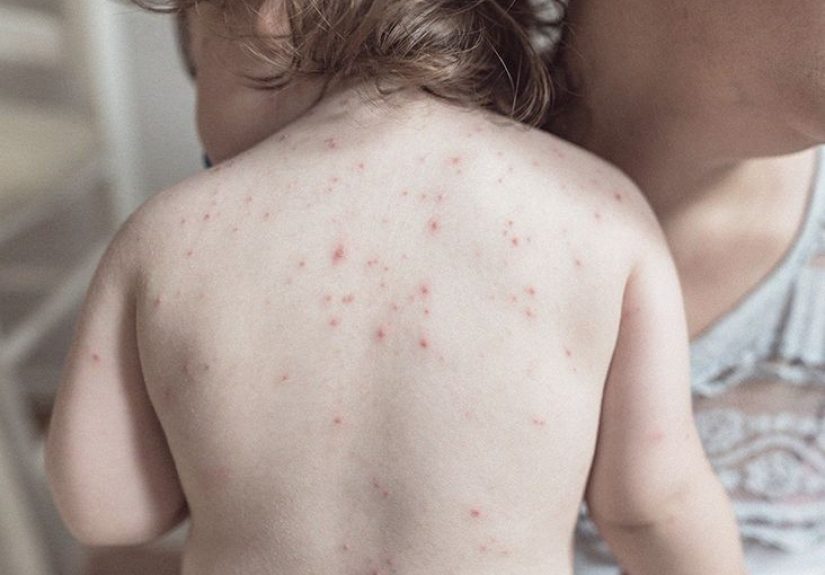
“Red spots on the skin” is a catch-all phrase people use for a lot of different things: flat dots, raised bumps, scaly
patches, clusters of tiny points, or even bruise-like areas with a red or purple tone. Doctors look at several details:
- Flat vs. raised: Flat spots are often called macules; raised ones are papules or nodules.
- Blanching vs. non-blanching: If a red spot turns pale or white when you press on it and then turns red again, it’s “blanching.”
If it does not blanch, it may be from bleeding under the skin (like petechiae or purpura). - Size and shape: Pinpoint dots, coin-sized patches, or larger irregular areas can each suggest different causes.
- Symptoms: Itchy, painful, burning, or totally symptom-free all give clues.
- Timing and triggers: Did they show up after a new soap, medication, illness, workout, or hot day?
All these details matter much more than the simple phrase “red spots,” which is why online image-matching can only take
you so far. A dermatologist or other healthcare professional uses these clues plus your medical history to narrow down
the cause.
Common harmless causes of red skin spots
Let’s start with the good news: a lot of red dots are benign and more of a cosmetic issue than a health emergency. That
doesn’t mean you should ignore every spot forever, but it can calm some of the panic while you’re waiting for an
appointment.
Cherry angiomas: bright red “islands” on the skin
One of the most common harmless causes of red spots is the cherry angioma. These are small, round or
dome-shaped growths made up of tiny blood vessels close to the surface of the skin. They:
- Are usually bright cherry-red, red-purple, or sometimes darker if clotted.
- Can be flat at first and then become slightly raised over time.
- Often appear on the trunk, arms, and shoulders.
- Tend to show up more frequently after age 30 and increase with age.
Cherry angiomas are benign. They’re not skin cancer and usually don’t turn into cancer. However, they
can bleed if scratched or injured. Many people choose to have them removed with laser or other office-based treatments
if they find them annoying or cosmetically bothersome.
Allergic and irritant rashes
If your red spots came on fast and itch like crazy, think allergic or irritant contact dermatitis.
This is dermatologist-speak for “your skin is mad about something it just touched.” Common triggers include:
- Fragranced lotions or soaps
- Nickel in jewelry or watchbands
- Household cleaners or hair dye
- Plants like poison ivy
These rashes usually appear as red patches or small bumps, often in the exact area that touched the trigger. They can
be treated with avoidance of the irritant, gentle skin care, and sometimes topical steroid creams prescribed by a doctor.
Heat rash and sweat-related spots
On hot, humid days or after a sweaty workout, you may notice tiny red bumps or clear blisters, especially where skin
folds or clothing traps heat. That’s heat rash (also called prickly heat or miliaria). It happens when
sweat gets trapped in blocked pores and leaks into the surrounding skin.
Heat rash can be prickly or itchy but typically clears once the skin cools down and dries out. Loose, breathable clothing
and staying out of extreme heat usually help. If you develop pain, pus, or fever, it’s time to check in with a doctor.
Acne, folliculitis, and ingrown hairs
Red bumps that center around hair follicles or show a tiny white tip may be from:
- Acne: clogged pores and inflammation, often on the face, chest, or back.
- Folliculitis: infection or irritation of hair follicles after shaving, waxing, or friction from clothing.
- Ingrown hairs: common in shaved areas where hair curls back into the skin.
These red spots can often be managed with gentle cleansers, avoiding tight clothing, and sometimes prescription creams
or oral medication from a dermatologist if they’re persistent or severe.
When red spots can signal something more serious
Not all red spots are innocent. Some are signs that something deeperlike blood, immune, or infectious problemsis
going on. These deserve closer attention, especially if they come with other symptoms such as fever, fatigue, or
feeling very unwell.
Petechiae and purpura: tiny blood vessel leaks
Petechiae are tiny, pinpoint red, purple, or brownish spotsusually less than 3 millimeters across
caused by small amounts of bleeding under the skin. Larger patches of similar discoloration are called purpura.
These spots:
- Do not blanch (turn white) when you press on them.
- Can appear anywhere, but often show up on the legs, arms, or inside the mouth.
- May cluster or spread over hours to days.
Petechiae can occur after something as simple as intense coughing or vomiting, which temporarily raises pressure in tiny
blood vessels. But they can also signal infections, low platelet counts, medication side effects, or blood disorders,
including conditions like immune thrombocytopenia (ITP) and, less commonly, leukemia.
Because the range goes from “mild and temporary” to “medical emergency,” new petechiaeespecially if they spread quickly
or come with fever, confusion, severe headache, or trouble breathingneed urgent medical evaluation.
Infections and fever rashes
Many viral and bacterial infections can cause red spots, either flat or slightly raised. In some serious infections,
a rash with small red or purple spots can appear as blood vessels become inflamed or leaky. In combination with high
fever, stiff neck, extreme fatigue, or rapid breathing, a new rash can be a medical emergency that requires immediate
care.
Because the same-looking rash online might represent anything from a mild virus to a life-threatening infection, doctors
strongly recommend seeking help instead of self-diagnosing when red spots appear alongside systemic symptoms like fever,
weakness, or confusion.
Blood and immune conditions
Some autoimmune diseases and blood disorders affect the way blood vessels or platelets work, leading to red or purple
spots. When your platelet count is low, for example, you’re more likely to develop petechiae, easy bruising, or bleeding
gums. Conditions such as immune thrombocytopenia (ITP) or other clotting problems can present this way and often require
blood tests to diagnose.
Because these conditions often involve more than just skin changesthink fatigue, nosebleeds, heavy periods, or
unexplained bruisesany combination of red spots plus abnormal bleeding deserves prompt medical attention.
Skin cancers and precancerous spots
Most cherry-red bumps are harmless cherry angiomas, but occasionally red or pink spots turn out to be forms of skin
cancer such as basal cell carcinoma or squamous cell carcinoma. Warning signs include:
- A spot that keeps growing or changing in shape or color.
- A sore that doesn’t heal or repeatedly bleeds.
- A rough, scaly patch that feels tender or crusted.
Any changing spotred or otherwiseshould be evaluated by a dermatologist. It’s always better to get “over-checked”
than to miss a cancer that could have been treated early.
When to see a doctor for red spots on the skin
It’s not realistic (or helpful) to rush to the ER for every tiny red dot. But certain scenarios should push you to call
your healthcare provider or seek urgent care. Contact a doctor promptly if:
- You develop petechiae or purplish spots that do not blanch when pressed.
- The rash appears suddenly and is spreading quickly.
- You also have fever, chills, headache, stiff neck, confusion, dizziness, shortness of breath, chest pain, or feel very ill.
- There is unexplained bruising, bleeding gums, or nosebleeds along with red spots.
- A mole or spot starts bleeding, growing, changing color, or developing irregular borders.
- The rash follows a new medication, vaccine, or supplement.
- You have a weakened immune system (from chemotherapy, HIV, steroids, etc.).
For red spots that seem stable, aren’t accompanied by other symptoms, and are possibly things like cherry angiomas or
mild heat rash, a non-urgent appointment with your primary care provider or dermatologist is usually reasonable.
How doctors evaluate red spots on the skin
A skin exam for red spots is surprisingly detective-like. Your clinician may:
- Ask detailed questions about onset, location, itching or pain,
recent illnesses, medications, travel, and family history. - Inspect the spots’ size, shape, color, borders, and pattern (clustered, linear, scattered, in skin folds, etc.).
- Use a glass test or simply their finger to see whether the spots blanch.
- Examine the rest of your body, including scalp, nails, and mucous membranes (inside the mouth, eyelids, etc.).
- Order blood tests if they suspect a blood or immune problem.
- Perform a skin biopsy if the diagnosis is unclear or they’re concerned about skin cancer.
From there, treatment depends entirely on the causeranging from simple reassurance and sunscreen advice to antibiotics,
steroids, or hematology referrals for complex blood disorders.
Home care and what (definitely) not to do
While you’re waiting on an appointmentor dealing with mild, clearly triggered rashesthere are some general
skin-friendly habits that can help:
- Be gentle with your skin. Use fragrance-free cleansers and moisturizers; avoid harsh scrubs or
picking at spots. - Protect from the sun. Many red spots worsen with sun exposure, and sun damage can create more
discoloration over time. Daily SPF is your friend. - Take pictures. If the spots are changing, snapping photos with date stamps can help your doctor
see the pattern. - Avoid random “miracle creams.” Social media cures can irritate skin or mask important warning signs.
- Don’t self-diagnose serious conditions. Online images are just a rough guidedifferent diseases can
look surprisingly similar on different skin tones.
And one big “don’t”: if you suspect something serious (fever, spreading petechiae, feeling very unwell), don’t wait and
see how it looks tomorrow. That’s a situation for in-person medical care right away.
Myths about red spots on the skin
- Myth: “All red spots are either acne or allergies.”
Reality: Some are, but others reflect internal issues with blood, immunity, or infection. - Myth: “If it doesn’t hurt, it can’t be serious.”
Reality: Many early skin cancers and blood-related spots aren’t painful at all. - Myth: “Pressing on the spot is a full diagnosis.”
Reality: The blanching test is just one clue; doctors combine many signs and sometimes lab work.
The bottom line: red spots on the skin are common, but your unique combination of symptoms, history, and exam findings
is what really matters.
Real-life experiences with red spots on the skin
To bring all of this down from textbook level to real life, let’s walk through a few scenarios that mirror what many
people experience when they notice “puntos rojos en la piel.”
Case 1: The surprise cherry angiomas
Alex is 35 and generally healthy. One morning in the shower, they notice several tiny, bright red, slightly raised spots
on their chest. They don’t itch, don’t hurt, and seem to have appeared gradually over the past yearbut now that Alex has
spotted one, they see five more. Cue the late-night search spiral: “red moles cancer” and “puntos rojos en la piel trunk.”
At a dermatology visit, the doctor examines the spots with a dermatoscope and quickly identifies them as cherry angiomas.
Alex learns that these are essentially clusters of tiny blood vessels, extremely common after age 30, and completely
harmless. The dermatologist explains that they don’t require removal unless they’re bothersome or bleed frequently. Alex
opts to keep them, now viewing them as proof of surviving their 20s rather than a crisis.
This story highlights a key point: not every new spot is dangerous. But having a professional confirm
that can be enormously reassuring and prevent months of worry.
Case 2: Tiny dots that weren’t “just a rash”
Maria notices clusters of tiny red dots on her lower legs. She thinks they’re from irritation or shaving, but over a few
days they spread up toward her thighs. When she presses on them, the color doesn’t fade. She’s also more tired than
usual and bruises easily. After a quick online search for “non-blanching red dots on legs,” she decides to call her
doctor instead of trying another lotion.
At the clinic, her provider recognizes the spots as petechiae and orders blood tests. The results show a low platelet
count, and she’s referred to a hematologist. The diagnosis turns out to be immune thrombocytopenia (ITP), a condition
where the immune system mistakenly attacks platelets. With proper treatment, her platelet count improves and the red
spots fade over time.
Maria’s experience underscores why petechiae plus other symptoms should never be brushed off. Skin is
sometimes the first visible clue that something is wrong inside the body.
Case 3: Heat, sweat, and an annoying but harmless rash
During a brutal heatwave, Jordan spends the day outdoors in tight athletic clothing. That night, their chest and upper
back are covered with tiny red bumps that sting and itch. Anxious, Jordan wonders if it’s an allergy or bug bites. A
telehealth doctor asks a few questionsWas it hot and humid? Were the bumps under clothing that trapped sweat?and then
explains that this is classic heat rash.
The suggested fixes are simple: cool showers, loose cotton clothing, staying in air conditioning when possible, and
avoiding heavy lotions that block pores. Within a few days, the spots fade.
This example shows the other side of the coin: not every red rash is an emergency, but understanding the context and
timeline helps a professional sort mild problems from serious ones.
What these stories have in common
Whether it’s harmless cherry angiomas, serious petechiae from a blood disorder, or heat rash after a summer day, the
pattern is the same:
- The skin sends a visual signala “story in red.”
- Context (age, symptoms, timing, triggers) shapes what that story means.
- Professional evaluation turns guesswork into an actual diagnosis and tailored plan.
So the next time you spot “puntos rojos en la piel,” remember: you don’t have to decode the mystery alone. Use your
observations, take photos, note any other symptoms, and then let a qualified healthcare professional connect the dots
(literally).
Conclusion: Listening to what your skin is trying to say
Red spots on the skin range from everyday, age-related changes like cherry angiomas to urgent warning signs like rapidly
spreading petechiae with fever. While online images and articles (yes, including this one) can help you ask smarter
questions, they’re not a substitute for in-person care.
If your red spots are new, changing, spreading, or accompanied by other symptoms, it’s wise to get them checked. Your
skin is one of the body’s most visible organsand sometimes the first to raise the alarm. Paying attention can make the
difference between a simple reassurance visit and catching a serious condition early.