Table of Contents >> Show >> Hide
- Who Is Spencer Fung?
- Why Spencer Fung’s Architecture Stands Out
- The Artist Side: Painting Nature With Nature
- Quick Takes: What Spencer Fung’s Personal Preferences Reveal
- What Designers, Homeowners, and Artists Can Learn From Spencer Fung
- Final Thoughts
- Extended Reflections: The Experience of Encountering Spencer Fung’s World
- SEO Tags
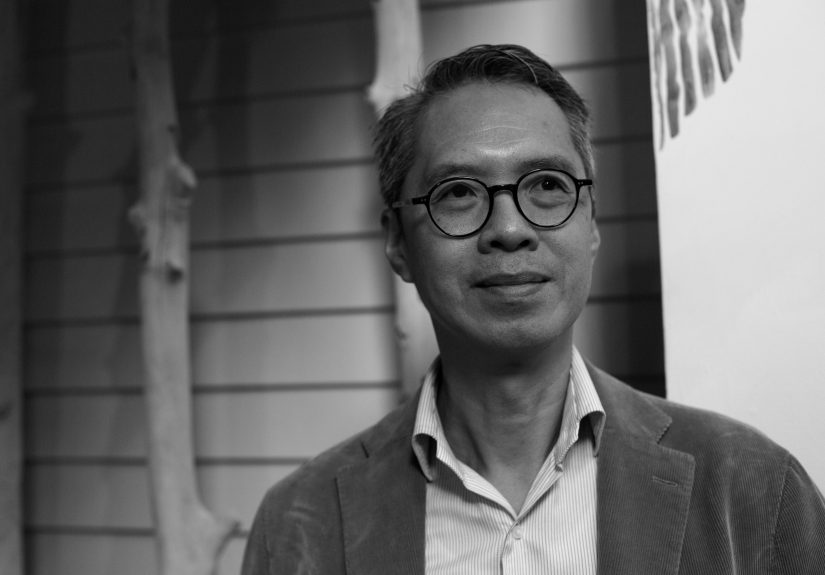
Some creatives design rooms. Others paint canvases. Spencer Fung seems to do both while quietly staging a friendly takeover of your senses. His world is one of weathered plaster, hand-drawn lines, stone that still feels like stone, and art that looks as if it remembers where the mountain came from. If that sounds poetic, good. Spencer Fung’s work tends to make people speak in complete sentences and slightly dramatic metaphors.
Hong Kong-born and London-based, Fung has built a reputation as an architect, designer, and artist whose projects feel less like polished performances and more like conversations with landscape, memory, craft, and time. He is known for spaces that breathe, surfaces that show the hand behind them, and objects that appear to have wandered in from nature wearing very good tailoring. In an era of over-filtered interiors and algorithm-approved sameness, his work feels refreshingly human.
This profile takes a closer look at why Spencer Fung matters, what sets his architecture and art apart, and what his quick-hit preferences reveal about the mind behind the work. Consider this a fast but thoughtful tour through a practice built on observation, restraint, and the kind of beauty that does not need to shout to be unforgettable.
Who Is Spencer Fung?
Spencer Fung is an architect, artist, and furniture designer whose work is deeply shaped by the natural world. His background matters because it explains why his projects never feel generic. Growing up in Hong Kong, he experienced both dense urban life and close contact with the shore, rocks, water, trees, and shifting light. That duality still shows up in his work today. His spaces are calm, but they are not sterile. They are refined, but they do not erase texture. They bring order without squeezing out life.
After studying architecture and establishing his London practice in 1990, Fung built a body of work that crosses architecture, interiors, furniture, and art. He became especially associated with the Daylesford and Bamford universe, helping shape the quietly luxurious, nature-driven language that many people now recognize instantly: earthy materials, handmade character, soft neutral tones, and the feeling that a modern room might actually have a pulse.
He is also the author of Architecture by Hand: Inspired by Nature, a title that says a lot before you even crack it open. The phrase “by hand” is doing serious work there. Fung is not interested in design that feels detached from making. He sketches. He studies texture. He observes how local materials behave. He leans into artisanship. In other words, he approaches design the way a cook approaches good ingredients: start with the real thing and do not ruin it with nonsense.
Why Spencer Fung’s Architecture Stands Out
1. He starts with the land, not the trend cycle
A lot of architecture today begins with mood boards, brand signals, and the unspoken hope of getting reposted online. Fung’s approach feels different. He pays close attention to site, landscape, culture, and local craft traditions before deciding what a project should become. That is one reason his interiors do not feel copy-pasted from one luxury project to the next. Whether he is designing a home, a retail space, or a spa, the work reflects environment first and ego second.
This method is also why his rooms often feel settled rather than staged. Stone looks like it belongs there. Wood is allowed to be grainy, imperfect, and tactile. Plaster is not buffed into lifeless smoothness. Even when the palette is restrained, the surfaces still give you something to read. Fung seems to understand a simple truth many designers miss: neutral does not have to mean numb.
2. He believes the hand should stay visible
One of the most compelling ideas attached to Spencer Fung’s work is his appreciation for process. He has spoken about not wanting to cover everything up, because shadow, texture, marks, and rawness can be beautiful. That mindset is more radical than it sounds. Contemporary design is often obsessed with flawless finish, but Fung treats evidence of making as part of the final aesthetic. A hand-applied surface should look hand-applied. A natural material should still carry some memory of its source.
That philosophy makes his interiors warmer and his art more alive. It also explains why his design language feels timeless. Perfection dates quickly. Character ages better.
3. He makes calm spaces without making boring ones
There is a difference between serenity and sleepiness, and Fung seems to know it instinctively. His interiors often use muted palettes, but they are never limp. A bone-colored plaster wall, rough timber, aged metal, or a pebbled object can create just enough visual tension to keep the room interesting. He does not rely on loud color or decorative clutter to manufacture personality. The personality is already in the materials.
This is part of what made his work for Bamford and Haybarn spas so influential. These spaces do not scream “wellness” with neon signage for your soul. Instead, they create atmosphere through craft, tactility, and quiet confidence. The result is design that feels restorative rather than theatrical.
The Artist Side: Painting Nature With Nature
If Spencer Fung were only an architect, he would still be worth attention. But the artist side of his practice adds another layer to the story. His paintings and ceramic works are deeply connected to the same themes that drive his buildings and interiors: landscape, material honesty, regeneration, fragility, and hope.
What makes his art especially distinctive is his use of natural matter in the making process. He has worked with clay, soil, minerals, ash, plant inks, and water gathered from rivers, lakes, snow, or other local sources. That means the landscape is not merely represented in the work; it is physically present in it. This is not nature as wallpaper. It is nature as collaborator.
His exhibitions and collections often circle around resilience and renewal. Whether through paintings inspired by post-fire regeneration, rugs named after roots, lichen, and water, or porcelain works shaped by the symbolic force of the lotus, Fung keeps returning to the idea that beauty does not emerge despite struggle. Sometimes it emerges because of it. That recurring theme gives his art emotional weight without tipping into melodrama. The work feels contemplative, not performative.
Quick Takes: What Spencer Fung’s Personal Preferences Reveal
The charm of a “quick takes” format is that small answers can tell you big things. Spencer Fung’s preferences are not random lifestyle trivia. They are tiny windows into the same worldview that shapes his architecture and art.
A polished black pebble on the bedside table
Of course it is not a futuristic gadget or a stack of trend reports. It is a hand-polished stone. That detail says a lot. Fung values touch, slowness, memory, and found beauty. He notices humble things. He elevates them without draining them of character.
A tree-centered book for a desert island read
His choice of a nature-centered design or art book points back to an ongoing fascination with the living world, especially trees, landforms, and ecological intelligence. That tracks neatly with his work, which often borrows from branches, roots, mountains, and natural patterning.
Vintage linen and bone-toned plaster
These are not just aesthetic preferences. They reveal an affection for materials that age well, soften over time, and look better because they are real. Vintage linen has memory. Hand-polished plaster has depth. Neither needs a sales pitch.
Sketchbook, graphite, pencils
This may be the most revealing quick take of all. Fung does not leave home without the tools of observation. For him, drawing is not decoration after the idea. Drawing is the idea beginning to happen. That is a serious lesson for anyone in a creative field: before software, before polish, before presentation, there is looking.
Natural, simple, local
If you needed a three-word summary of Spencer Fung’s design philosophy, that trio does the job nicely. It is also a small miracle in branding discipline. Plenty of designers spend years trying to invent a philosophy statement. Fung basically carries his in his pocket.
What Designers, Homeowners, and Artists Can Learn From Spencer Fung
Respect materials
Fung’s work is a reminder that material choice is not a cosmetic afterthought. It shapes atmosphere, longevity, and emotional response. Natural materials do not just look nice in a photograph. They change how a space feels to inhabit.
Let imperfection do some of the heavy lifting
Too many interiors are over-edited to the point of lifelessness. Fung shows that irregularity, grain, hand marks, and patina can create the richness a room needs. A little roughness can save a space from becoming forgettable.
Use restraint as a strength
There is confidence in not over-explaining a design. Fung’s spaces often rely on a small set of strong ideas repeated with care. That discipline keeps them coherent and lasting.
Stay connected to place
Whether in architecture or art, Fung’s best work feels rooted. It responds to landscape, culture, and local craft rather than floating above them. That is a useful antidote to the everywhere-and-nowhere aesthetic currently haunting too many interiors.
Final Thoughts
Spencer Fung occupies an unusual and valuable lane in contemporary design. He is not simply making beautiful objects or calm interiors. He is showing what happens when architecture, art, and material intelligence are allowed to inform each other without becoming precious about it. His work is elegant, but it also feels grounded. It is thoughtful, but not cold. It is sustainable in spirit without wearing a giant “Look at me, I recycle” badge.
That balance may be the reason his work lingers in the mind. You remember the textures, the palette, the sense of stillness, but you also remember the attitude behind it: observe more, force less, respect craft, and let nature stay visible. In a design culture that often mistakes novelty for substance, Spencer Fung makes a persuasive case for something better. Make spaces that feel alive. Make art that remembers the land. And maybe keep a sketchbook close, just in case the next good idea shows up while you are walking past a tree, a stone wall, or a patch of light doing something interesting.
Extended Reflections: The Experience of Encountering Spencer Fung’s World
To understand why Spencer Fung’s work resonates, it helps to think beyond design labels and imagine the actual experience of being in one of his spaces or standing in front of one of his artworks. The first thing that tends to happen is that your shoulders drop. Not in a dramatic spa-commercial way, but in a more believable, almost accidental way. You notice that nothing is yelling for your attention, yet everything is quietly earning it. A wall has depth because it still carries the hand. A stone surface does not feel decorative; it feels ancient and present at once. A timber piece seems less like furniture and more like a polite collaboration between craft and tree.
That emotional effect matters. Good architecture is not only about plan, proportion, and material specification. It is also about what a space gives back to the body and mind. Fung’s work tends to create a sense of exhale. There is a softness to it, but not weakness. There is restraint, but not emptiness. He seems to understand that people do not just want beautiful rooms; they want rooms that make them feel more human inside them.
The same applies to his art. Many contemporary works ask viewers to decode a concept before they can feel anything. Fung’s paintings and ceramic forms often work in the opposite direction. You feel them first. The gesture, texture, and natural pigments create an immediate sensory response, and only then do the themes begin to unfold: regrowth after destruction, fragility paired with resilience, mud becoming lotus, ash becoming mark, landscape becoming memory. It is thoughtful work, but it does not trap the viewer in homework.
There is also something deeply refreshing about the consistency between Fung’s public ideas and the objects he makes. The quick takes, the sketchbooks, the pebble, the vintage linen, the devotion to natural materials, the love of trees and landscape, the commitment to hand-drawing and local craft, all of it lines up. Nothing feels artificially branded. In a creative economy full of carefully managed personas, that kind of coherence is rare. He appears to live the same principles he designs with.
That may be the most meaningful takeaway from the topic of “Quick Takes With Spencer Fung, Architect and Artist.” The quick details are not just charming facts. They reveal a creative life built on attention. Attention to material. Attention to place. Attention to process. Attention to beauty before it is polished into submission. And that, in the end, may be why his work leaves such a durable impression. Spencer Fung is not chasing spectacle. He is building a quieter kind of legacy, one rooted in observation, craft, and the stubborn belief that nature still has more to teach design than design has managed to teach itself.