Table of Contents >> Show >> Hide
- What You’ll Find in This Article
- The Update: Reba Was “Back in My Other Happy Place”
- Why Reba Returning Was a Big Deal (Beyond the Nostalgia)
- Season 28’s Coach Lineup: A “No Newbies” Power Panel
- Premiere Date, Airing Schedule, and the “NBA Shuffle”
- Reba’s Coaching Playbook: Why Her Style Works on The Voice
- What Happened After That Update (And Why It Validated the Hype)
- Conclusion: The “Happy Place” Update Was More Than a Cute Post
- Fan Experiences: 10 Ways to Make Season 28 Feel Like Your “Happy Place” (500+ Words)
- 1) Try a “Blind Audition Draft” With Friends
- 2) Turn Reba’s Update Into a Season Theme: “Game Face” Nights
- 3) Keep a Tiny Notes List of “Moments,” Not Scores
- 4) Make a “Coach Cam” Watch
- 5) Do a Midseason “Playlist Check”
- 6) Host a Finale Watch PartyBut Keep It Low-Stress
- 7) Borrow Reba’s Mindset: Root for Growth
If you’ve ever wondered what it looks like when a living country legend quietly strolls back into a prime-time singing competition and immediately turns it into her own little kingdom… Reba McEntire just gave us the answer.
The “update” wasn’t a dramatic press conference or a cryptic, three-part teaser trailer with smoke machines. It was pure Reba: a confident, playful check-in that basically said, yep, I’m backtry to keep up. And for The Voice Season 28, that return wasn’t just fun news. It was a major signal about the vibe, the strategy, and the kind of season NBC was building.
The Update: Reba Was “Back in My Other Happy Place”
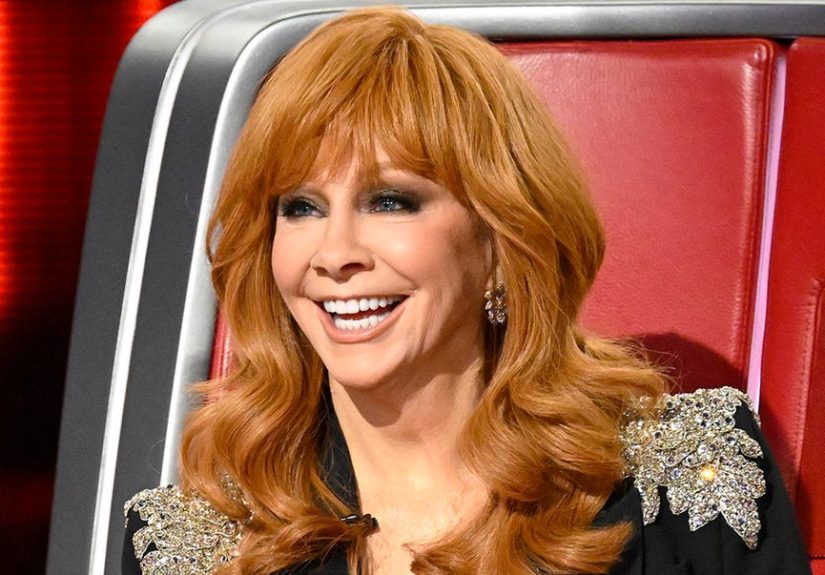
Reba’s Season 28 update hit with the exact energy you want from someone who’s been famous forever and still acts like she’s excited to clock in: she posted that she was back on set for the Blind Auditions, calling it her “other Happy Place,” and added that she had her “game face” on and was ready to win.
Translation: the red chair missed her, the contestants were about to be in danger, and the other coaches should probably stretch before trying to compete.
The best part is that it didn’t feel like a marketing memo. It felt like Reba talking directly to the audience: “I’m here. I’m locked in. And y’all are about to hear some incredible voices.” That’s how you generate hype without sounding like you swallowed a press release.
Why Reba Returning Was a Big Deal (Beyond the Nostalgia)
The Voice is a format show. The chairs spin. The coaches banter. Somebody inevitably says “I felt that in my bones.” But the secret sauce is the coachesbecause coaches don’t just react to talent. They shape it, frame it, and sometimes rescue it from the chaos of reality TV editing.
Reba’s return mattered because she’s not just a celebrity face. She’s a working musician with decades of vocal instincts, stage experience, and mentorship credibility. Her value to the show is practical:
- Artist development: She understands what singers actually need after the applause fades.
- Genre agility: She’s rooted in country, but she’s coached far beyond it.
- Trust factor: Contestants believe her when she gives feedbackbecause she’s done it for real.
- Entertainment value: She’s funny without trying, which is the best kind of funny.
There’s also the competitive angle. When a coach has already won recently, it changes how contestants choose teams. They don’t just ask “Who’s nice?” They ask, “Who can get me to the finale?” Reba’s track record makes that question very easy to answer.
Season 28’s Coach Lineup: A “No Newbies” Power Panel
Season 28 didn’t rely on a brand-new coach as the headline hook. Instead, it built a lineup that felt like a greatest-hits tour of returning energy: Reba McEntire, Michael Bublé, Niall Horan, and Snoop Dogg.
Reba McEntire: The Warm Mentor With a Killer Competitive Streak
Reba’s vibe is “supportive aunt who will hype you up” mixed with “seasoned pro who can smell a shaky bridge from 40 feet away.” She’s especially good at coaching storytellinghow to make a performance feel like a moment instead of a vocal exercise.
Michael Bublé: The Modern Crooner Who Turned Coaching Into a Win Habit
Bublé came into this era of The Voice with a surprisingly strong coaching presence: enthusiastic, specific, and emotionally invested. His success also raised the stakes. If you’re a contestant and you get a Bublé turn, you’re not thinking “Oh cool, a famous guy.” You’re thinking “This could be the fast lane.”
Niall Horan: The Strategist Who Makes Artists Feel Seen
Niall’s superpower is modern taste plus calm coaching. He often comes across like the coach who can help a contestant translate raw talent into something streaming-era listeners actually replay.
Snoop Dogg: The Wild Card With Unexpected Heart
Snoop brings humor, looseness, and a surprisingly grounded perspective on performance. He’s the coach most likely to make the room relaxand sometimes that’s exactly what a nervous contestant needs.
Bonus: The Coaches’ Chemistry Wasn’t Just FunnyIt Was Functional
One of the underrated benefits of a returning panel is rhythm. They don’t need 10 episodes to figure out how to banter. They’re already in sync, which means more screen time for actual performancesand fewer awkward “So… tell us about your childhood?” stares into the void.
Premiere Date, Airing Schedule, and the “NBA Shuffle”
Season 28 launched with a two-night kickoff: a big premiere event designed to get you attached to singers immediatelybecause once you’re emotionally invested, you’ll rearrange your Monday nights like it’s a family obligation.
Early in the season, episodes aired on Mondays and Tuesdays, then shifted later due to scheduling changes tied to NBC’s broader programming plan. The important viewer-friendly detail: episodes were available to stream the next day, which is great news for anyone who has ever said, “I’ll watch live,” and then immediately did not.
The Format That Keeps Working (Because It’s Built for Drama)
- Blind Auditions: first impressions, big swings, and coaches fighting over voices like it’s a Black Friday sale.
- Battles: heartbreak disguised as duets.
- Knockouts: the “please don’t make me choose” stage.
- Playoffs and Live Shows: where strategy meets public voting reality.
The Twist: “Carson Callback” (Second Chances, First-Class Stress)
Season 28 introduced a second-chance element known as the Carson Callback, built around the idea that sometimes great singers fall through the cracks. Whether you love twists or roll your eyes at them, this one had a genuine appeal: it’s the show admitting that talent doesn’t always fit perfectly into a single audition moment.
Also: it’s peak reality TV. Nothing spikes tension like someone getting another shot while everyone else thinks, “Wait… do I get a do-over too?”
Reba’s Coaching Playbook: Why Her Style Works on The Voice
Reba doesn’t coach like she’s collecting sound bites. She coaches like she’s trying to build an artist who can survive outside the show.
1) She Treats Song Choice Like a Career Decision
Reba consistently pushes the idea that your song isn’t just “a song.” It’s a statement about identity: what you want people to remember about you. On a show where viewers can forget a contestant by the next commercial, that’s everything.
2) She Coaches the Story, Not Just the Notes
Plenty of contestants can sing. The ones who last are the ones who connect. Reba is especially good at coaching the emotional arcwhere to hold back, where to let it rip, and how to make the last chorus feel earned instead of loud.
3) She’s Competitive Without Being Mean About It
Reba’s “I’m ready to WIN” energy is playful, but it’s real. She’s not there to clap politely while someone else takes the trophy. Yet she rarely comes across as harshmore like a coach who genuinely believes her team can do it. That combination is catnip for contestants.
4) She’s Comfortable Laughing on Set (Which Helps the Artists)
The backstage environment matters. When coaches genuinely enjoy being there, it calms everyone downespecially newer artists who are terrified of messing up on national television. Reba has talked about loving the laughter and camaraderie with her fellow coaches, and that atmosphere tends to show up on screen as a more relaxed season.
5) She’s a “Safe Pick” for Country ArtistsBut She Doesn’t Box Them In
Country singers naturally gravitate toward Reba, and for good reason. But her coaching appeal isn’t limited to a single lane. She’s the coach who can help a country voice sharpen pop phrasing, or help a pop vocalist build a more grounded, story-driven performance.
What Happened After That Update (And Why It Validated the Hype)
Reba’s “I’m back” moment didn’t land in a vacuum. Season 28 turned into a season with high-level competition, a strong coaching dynamic, and real stakesbecause the panel wasn’t playing around.
A practical example of how stacked the season was: Aiden Ross emerged as the Season 28 winner, and his journey became a clear illustration of what happens when talent, song choices, and coaching momentum align. If you watched the season unfold, you saw how the right voice at the right timepaired with smart decisionscan turn a contestant into the one everybody has to beat.
For Reba specifically, the update made sense in hindsight. She wasn’t just returning to fill a chair. She returned because the season was built to be competitiveand she wanted in on it.
Conclusion: The “Happy Place” Update Was More Than a Cute Post
Reba McEntire’s Season 28 update worked because it was simple and specific: she was back on set, back in her element, and back in full competitive mode. In one message, she told fans everything they actually cared about: yes, she’s returning, yes, she’s filming, and yes, she plans to win.
In a TV landscape full of overproduced hype, Reba basically said, “Y’all know what time it is,” and the audience responded accordingly. That’s star power. That’s good storytelling. And honestly? That’s a coach who knows exactly how to make The Voice feel like must-watch TV again.
Fan Experiences: 10 Ways to Make Season 28 Feel Like Your “Happy Place” (500+ Words)
Watching The Voice can be a casual background activitysure. But if you want the full Season 28 experience (the kind where Reba’s “game face” energy starts rubbing off on you), there are a bunch of fun ways fans turn it into a mini-event without being… you know… that person who shushes the room like it’s a courtroom.
1) Try a “Blind Audition Draft” With Friends
During the first two weeks, pick singers the way coaches pick teamsfast, impulsive, and with zero guarantee you’re making the right choice. Everyone gets a handful of contestants. As the season goes on, you score points: chair turns, steals, saves, and who makes it to the live shows. It’s ridiculous in the best way, and it makes you pay attention to voices you might otherwise forget five minutes later.
2) Turn Reba’s Update Into a Season Theme: “Game Face” Nights
Reba literally handed fans a motto. Pick one night a weekmaybe Mondayswhere you do a small ritual that signals “we’re watching for real tonight.” It can be as simple as a snack you only make during the show, a playlist warm-up beforehand, or a “no scrolling during performances” rule. The point isn’t perfection. It’s making the viewing feel intentional, like you’re showing up for the artists.
3) Keep a Tiny Notes List of “Moments,” Not Scores
Fans sometimes get trapped in judging (who hit the note, who didn’t) and miss what makes The Voice addictive: moments. Write down one sentence per episode: “That quiet verse made the room stop,” “Snoop’s comment was unexpectedly sweet,” “Reba fought hard for that singer,” “Niall’s strategy was sneaky-good.” By the finale, you’ll remember the season as a storynot a blur of performances.
4) Make a “Coach Cam” Watch
Every season has a different coaching chemistry. With Season 28’s returning panel, a fun way to watch is to focus on the coaches’ reactions during auditionsespecially when someone in another lane shows up. Notice how Reba reacts to non-country singers, how Bublé responds to big emotional voices, how Niall listens for modern tone, and how Snoop responds to stage presence. You’ll start to see why certain contestants end up on certain teams.
5) Do a Midseason “Playlist Check”
Halfway through the season, build a playlist of your favorite performances (or just your favorite songs that were performed). This turns the show into what it’s supposed to be: music discovery. It also helps you understand why Reba emphasizes identity and storytellingbecause the performances you replay are the ones that felt like an artist, not just a singer.
6) Host a Finale Watch PartyBut Keep It Low-Stress
Finale nights are built for group viewing. The trick is making it easy: simple snacks, flexible seating, and the understanding that people will gasp, cheer, and say “NO WAY” at least once. If you want to go full theme, make a “red chair” photo corner or a tiny ballot where everyone predicts the final result. Fun beats fancy.
7) Borrow Reba’s Mindset: Root for Growth
The most satisfying way to watch is to pick one contestant and track their growthsong choices, confidence, stage movement, emotional control. It’s exactly what good coaching aims for. Even if your favorite doesn’t win, the season feels worth it because you watched someone level up in real time.
At its best, The Voice Season 28 wasn’t just a competition. It was a weekly reminder that great singing still cuts through the noiseespecially when a coach like Reba is sitting there, smiling like she’s home, ready to hit the button and say, “Alright… let’s do this.”