Table of Contents >> Show >> Hide
- What the Remodelista Public Bike giveaway was (and how it worked)
- Why a PUBLIC Bike was such a smart giveaway prize
- What this giveaway teaches you about entering bike giveaways today
- How to pick the right PUBLIC-style city bike (if you win one)
- If you win the bike: set it up for real life (not just Instagram)
- Why Remodelista readers cared: the “considered life” version of biking
- A practical “day in the life” example: what a PUBLIC-style commuter bike changes
- So… can you still enter this Remodelista giveaway?
- Experiences: The “Public Bike” feeling, in real life
A quick reality check before we ring the bike bell: the original “Remodelista Giveaway: Enter to Win a Public Bike” was published on December 2, 2011and it was tied to in-person signups at the Remodelista Holiday Markets that December. So if you’re reading this today hoping to sprint (politely) toward a clipboard… think of this as a throwback with very current takeaways: how the giveaway worked, why a PUBLIC Bike was such a smart prize, and what to do the next time a design site dangles a commuter bike in front of you like a shiny two-wheeled carrot.
Because honestly? A bike giveaway is the rare contest where the prize can actually change your day-to-day life. A blender is nice. A bike is a lifestyle pivot with handlebars.
What the Remodelista Public Bike giveaway was (and how it worked)
Back in 2011, Remodelista teamed up with PUBLIC Bikesa San Francisco-based bicycle company known for practical, good-looking city bikesto give away one steel-framed, 7-speed bike to a lucky reader.
The entry method: very analog, very charming
Instead of “tag three friends and sacrifice your inbox,” entry happened in person. To enter, readers were invited to attend one of the Remodelista Holiday Markets and sign up at the PUBLIC Bikes display. The markets listed were:
- December 3, 2011 in Marin
- December 10, 2011 in Los Angeles
Andimportantlyno purchase was necessary to enter. (If you’ve ever felt pressured to buy a tote bag to prove your sincerity, this was refreshingly straightforward.)
The prize: choose-your-ride city biking, 2011 edition
The giveaway spotlighted two PUBLIC models, both designed for everyday urban riding:
- PUBLIC V7: a lightweight steel-frame city bike presented as a great option for city riding.
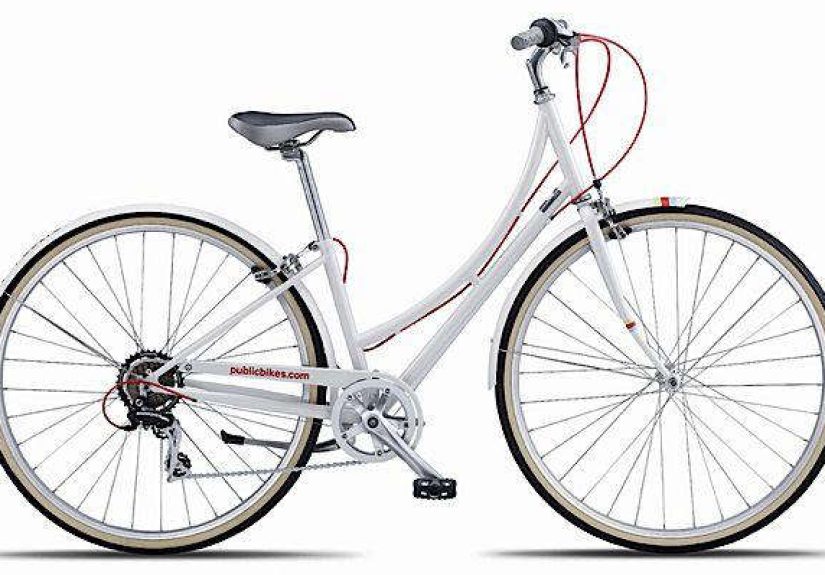
- PUBLIC C7: a “Dutch-style” step-through frame designed for easy mounting and an upright, city-friendly posture.
The winner could pick up the bike at a PUBLIC store, and shipping was available for a fee (noted as $125 in the original promo).
The cherry on top: an accessory discount (historical, not a current coupon)
The promotion also included a 20% discount for Remodelista readers on PUBLIC accessories and gearthink panniers, bells, and other commuter “stocking stuffers.” The code shared at the time was REMODELISTA, with an end date of December 15, 2011, and it applied to non-sale items.
Why this matters now: even though the exact giveaway is long over, the structure is a great example of what a “legit” brand partnership looks likeclear entry path, no purchase required, and specifics about the prize and fulfillment. That’s the gold standard when you’re deciding whether a giveaway is fun… or a weird trap designed to harvest your email like it’s the last tomato in the garden.
Why a PUBLIC Bike was such a smart giveaway prize
PUBLIC’s whole brand pitch is basically: city bikes should be practical, comfortable, and not look like they escaped from a futuristic sports lab. The company’s origin story leans into European city cyclingespecially Amsterdamand the idea that everyday people ride in everyday clothes, not full superhero spandex (unless that’s your thing; no judgment). PUBLIC describes its goal as bringing that kind of easy, accessible cycling culture to U.S. communities.
The C7 vibe: step-through, upright, commuter-friendly
The PUBLIC C7 was positioned as a seven-speed bike for stop-and-go city riding, using a curved step-through frame often associated with “Dutch bikes.” It’s the kind of geometry that makes life easier if you:
- wear skirts or coats you’d rather not launch over a top tube,
- carry cargo on a rear rack,
- prefer a calmer “hop on, ride, hop off” routine.
It was also described as having thoughtful commuter touchesthings riders actually appreciate once they’ve tried showing up to a meeting with chain grease on their pants. Features highlighted in the PUBLIC C7 description included a steel frame, optional rack compatibility, and commuter-friendly add-ons like fenders and a chain guard.
The V7 vibe: classic city bike with “I have my life together” energy
The PUBLIC V7 was framed as lightweight and city-ready. A related “Oxford” version of the V7 leaned even harder into classic style with upgraded detailslike fenders and premium touches (the kind of bike that makes you want to pronounce “fender” like you’re ordering at a café: fen-dair).
Steel frames: why people still love them
Steel frames are often prized for durability and a smooth ride feel. In city biking, that matters: pavement isn’t always friendly, and your route might involve potholes that feel like they were personally designed by your least favorite nemesis.
What this giveaway teaches you about entering bike giveaways today
Giveaways have evolved. Some are clean and transparent. Some are… a haunted carnival. Use this checklist to stay on the “fun and legitimate” side of the street.
1) Look for the three non-negotiables: rules, eligibility, and timeline
- Official rules: real giveaways spell out how to enter, how winners are chosen, and what happens next.
- Eligibility: age and location limits are common (and normal).
- Entry window: a clear start and end date prevents “this contest has been running since 2011” confusion.
2) “No purchase necessary” should be explicit
Reputable sweepstakes typically state that you don’t need to buy something to enter (and buying won’t improve your odds). Remodelista did this right in the original announcement.
3) Understand fulfillment: pickup vs. shipping
A bike is not a gift card. It’s big, it’s shippable but complicated, and someone has to handle it. The Remodelista giveaway specified pickup and noted a shipping option with a fee. In modern giveaways, look for:
- who pays shipping (or whether you can pick up locally),
- whether assembly is included,
- what happens if the model/size/color you want isn’t available.
4) Don’t ignore the “extras” (they’re often the real value)
The accessory discount was a clever addition because a commuter bike becomes dramatically more useful with a few add-ons. Think of it like buying a phone: yes, the phone matters. But so does the charger, the case, and the fact that you will drop it exactly once.
How to pick the right PUBLIC-style city bike (if you win one)
Whether you’re winning, buying, or “borrowing indefinitely” from a sibling who doesn’t notice, the decision usually comes down to fit, comfort, terrain, and cargo.
Step-through vs. traditional frame
Step-through frames (like the C7) are easier for frequent stops, city clothes, and riders who want convenience. A more traditional frame may feel sportier and can suit riders who like a slightly more “athletic” posture.
Seven speeds: enough for most real-world city rides
Seven gears are often a sweet spot for urban riding: you get help on hills and flexibility in stop-and-go traffic without turning your handlebars into a NASA control panel.
Commuter features that matter more than you think
- Fenders: keep water and grime off your clothes.
- Chain guard: protects pants (and dignity).
- Rack compatibility: changes grocery runs forever.
- Bell + lights: simple, effective, non-negotiable.
If you win the bike: set it up for real life (not just Instagram)
A new bike is excitinguntil you realize you also need a lock, lights, and a plan for what to do when it rains and your route turns into a splashy obstacle course.
Start with safety and visibility
U.S. roadway safety guidance emphasizes basics that are boring only until you need them: ride a bike that fits, make sure brakes work, and use visibility gear like bright/reflective clothing and appropriate lights (white front light, red rear light/reflector when visibility is poor). Helmet use is widely recommended to reduce the risk of head and brain injury in crashes.
Build a “commuter kit” you’ll actually use
Commuting checklists from major outdoor retailers and cycling organizations tend to agree on a core set of gear. A simple starter kit looks like this:
- A quality lock: ideally a U-lock, plus a secondary cable or lock for wheels.
- Front and rear lights: even if you “never ride at night” (because life is a liar).
- A bell: polite, effective, and slightly satisfying.
- Carrying system: rack + pannier, basket, or a stable backpack.
- Flat kit: tube, tire levers, mini pump or CO₂, and the confidence to use them.
Locking and parking: boring, essential, and wildly underrated
Cycling education groups routinely recommend locking your bike to an immovable object in a visible area, and securing both wheels/components when possible. If your city has indoor bike rooms, you’ve basically won a second giveaway.
Why Remodelista readers cared: the “considered life” version of biking
Remodelista’s appeal has always been about thoughtful, functional designthings that are practical but still make your brain happy. A well-designed city bike fits that philosophy perfectly. It’s transportation, yes, but it’s also:
- less friction between you and errands,
- a simple way to move through your neighborhood,
- a daily habit that doesn’t require a monthly membership or a motivational poster yelling at you.
And let’s be real: a PUBLIC-style bike also looks good leaned against a porch rail. That shouldn’t matter, but it does. Humans are visual creatures. We buy olive oil based on label typography.
A practical “day in the life” example: what a PUBLIC-style commuter bike changes
Scenario: the three-stop Saturday
You’ve got a list: coffee, farmers market, and a hardware store run for a “small” project that will absolutely become a three-week saga. Here’s what changes with a city bike set up properly:
- Coffee run: you lock up, grab your drink, and don’t circle for parking like a confused vulture.
- Farmers market: a rear rack + pannier turns “I’ll just buy one thing” into “I am now transporting produce like a responsible adult.”
- Hardware store: bungee cords and a rack let you carry small supplies without balancing them on your handlebars (a classic rookie move).
Scenario: weekday commute, minimal drama
With fenders and lights, you’re less dependent on perfect weather and perfect timing. You arrive more awake, and your commute becomes a reset button instead of a stress multiplier.
So… can you still enter this Remodelista giveaway?
Not the original one. That promotion was tied to specific 2011 holiday market dates and an in-person sign-up. But you can use it as a blueprint for spotting worthwhile giveaways today:
- Clear entry method
- No-purchase language
- Specific prize and fulfillment details
- A brand partnership that makes sense (design site + design-forward commuter bike)
If you love the idea of a design-minded bike prize, your best move is to keep an eye on reputable design and lifestyle sites’ contest sections, subscribe to newsletters you already enjoy, and follow brands you genuinely likebecause the best giveaways are usually promoted where the right audience already hangs out.
Experiences: The “Public Bike” feeling, in real life
Even if you never set foot in a Holiday Market in Marin circa 2011, the experience that giveaway promised is easy to picturebecause it’s the same arc most people go through when they finally get a practical city bike that actually suits their life.
1) The first ride is usually shorter than you imagined (and that’s a good sign)
Lots of new city-bike owners expect a cinematic first ride: wind in your hair, dramatic sunset, maybe a tasteful indie soundtrack. The reality is more like: a two-mile loop to test the brakes, the gears, and whether your saddle height is secretly set to “uncomfortable by design.” But that first ride is when the relationship starts. You notice small thingshow an upright position lets you look around instead of staring at the ground like you’re searching for lost coins, and how a step-through frame makes quick stops feel effortless rather than awkward.
2) Commuter features become “little joys” the moment you need them
The first time you ride through a damp patch and your fenders keep your back dry, you’ll feel an oddly intense gratitudelike someone just handed you a towel at the exact moment you realized you forgot one. The same goes for a chain guard if you ever ride in everyday clothes. People who commute in regular pants often describe that relief when they realize they’re not spending the rest of the day with a greasy tattoo on their calf. It’s not glamorous. It’s just quietly better.
3) Your errands shrinkmentally and logistically
A big psychological shift happens when a bike turns “going out” into “popping over.” A quick grocery run doesn’t feel like a production. Picking up a prescription stops being a 40-minute event. Riders often say the bike makes their neighborhood feel closerless like a series of disconnected destinations, and more like a place they actually move through. And if you add a rack and pannier, you suddenly become the person who can bring things home without juggling them like a street performer. That’s a powerful identity upgrade.
4) The city starts giving you tiny gifts
Bike commuters frequently describe noticing details they used to miss in a car: a bakery smell you’d never catch through rolled-up windows, a mural you’ve driven past a hundred times, the fact that your town has a pocket park you didn’t know existed. It’s not that biking makes the city prettier; it just removes the barrier between you and the place you live. That’s why the “design world” loves bikes as objectsthey’re functional, but they also change how you experience space.
5) The not-so-glamorous moments still feel manageable
Yes, you’ll eventually ride in less-than-ideal conditions. You’ll misjudge the temperature and overdress. You’ll hit a hill and have a brief existential crisis. But riders also report that those moments get easier when the bike is built for city use: gears that help you spin instead of grind, stable handling, and a setup that supports real commutinglights, lock, and cargo capacity. The “Public Bike” promise, at its best, is that you don’t need to become a different person to ride. You just need a bike that meets you where you are.
And that’s why giveaways like Remodelista’s still spark interest years later: the prize isn’t just a product. It’s a new default. A different way to get coffee. A reason to choose fresh air over traffic. And a solid excuse to buy a bell you’re weirdly proud of.