Table of Contents >> Show >> Hide
- What Is a Rental-Friendly Feature Wall?
- Step 1: Decide the Purpose of Your Feature Wall
- Step 2: Choose Your Rental-Friendly Wall Treatment
- Step 3: Design Your Feature Wall Like a Pro
- Step 4: Install Your Rental-Friendly Feature Wall
- Step 5: Style the Wall and Finish the Look
- Step 6: Removal and Move-Out Strategy
- Real-Life Rental Friendly Feature Wall Experiences
If you rent, you’ve probably stared at a blank beige wall and thought, “Wow, this paint color really captures my landlord’s fear of commitment.” The good news? You don’t have to live with bland walls forever. A rental-friendly feature wall lets you add personality, color, and texture without losing your security deposit or spending your entire weekend patching holes.
Inspired by the creative projects shared on Hometalk and other DIY communities, this guide walks you through exactly how to create a renter-friendly accent wall using removable, damage-free techniques. We’ll talk peel-and-stick wallpaper, wall panels, fabric tricks, decals, and board-and-batten hacks that can all come down as easily as they go up.
What Is a Rental-Friendly Feature Wall?
A rental-friendly feature wall (or accent wall) is a wall that stands out visuallythrough color, pattern, texture, or architecture-inspired detailscreated with temporary, removable materials that won’t damage the surface beneath.
Instead of traditional paint or glued-on wallpaper, you rely on options like:
- Peel-and-stick wallpaper or murals
- Removable 3D wall panels or slat panels
- Fabric-covered panels or foam boards
- Vinyl decals and wall stickers
- Pressurized room dividers or faux walls
The magic formula is simple: big visual impact + minimal wall damage. If you can remove it with your fingertips and repair the wall with a tiny bit of spackle and touch-up paint (if anything at all), you’re in rental-friendly territory.
Step 1: Decide the Purpose of Your Feature Wall
Before you buy a single roll of peel-and-stick wallpaper, get clear on what you want this wall to do for you. Different goals lead to different design choices and materials.
1. Create a Focal Point
In a rental, you might not be able to swap out cabinetry, flooring, or light fixtures, but you can draw the eye where you want it. A bold feature wall behind your sofa, bed, dining table, or TV anchors the room and makes the space feel intentional.
For a focal-point wall, think:
- Large-scale peel-and-stick wallpaper with dramatic patterns
- Wood-look or slat-style panels for texture
- A gallery wall layout hung on a removable rail or track
2. Define a Zone in an Open Layout
If you live in a studio or an open-concept apartment, a feature wall can visually “carve out” areas: a workspace, dining nook, or cozy reading corner. Pair the accent wall with a rug and lighting, and suddenly your random corner becomes a defined zone.
3. Add Texture and Warmth
Rental walls tend to be flat, builder-grade, and a little lifeless. Texturewood, faux stone, fabric, or 3D panelsadds depth without needing heavy construction.
If you’re craving warmth, consider:
- Slatted peel-and-stick wall panels
- Acoustic-style panels attached with removable adhesive strips
- Fabric-wrapped foam boards arranged across the wall
Step 2: Choose Your Rental-Friendly Wall Treatment
Now let’s look at the most popular, landlord-approved ways to build a feature wall.
Option 1: Peel-and-Stick Wallpaper
Peel-and-stick wallpaper is the hero of renter renovations for a reason. It’s basically a giant sticker for your wall: no paste, no water, no pro installer required.
Why it works so well for renters:
- Damage-free removal: High-quality products are designed to peel off without ripping off the paint.
- Low commitment: Want a new look? Just peel it off and start over.
- Endless styles: From faux brick and shiplap to florals, geometrics, and minimalist textures.
Basic installation steps:
- Wipe down the wall so it’s clean, dry, and smooth.
- Measure the height and width to calculate how many rolls you need (always add an extra roll for pattern matching and mistakes).
- Start in the most visible corner and work your way out. Peel a small section of the backing at a time.
- Use a plastic smoothing tool or credit card to push out air bubbles.
- Trim excess at the top and bottom with a sharp utility knife.
Pro tip: If your walls are heavily textured, the adhesive might not grip as well. In that case, consider putting the peel-and-stick on large poster board or thin panels first, then mounting those panels with removable strips.
Option 2: Renter-Friendly Wall Panels
Wall panels are perfect when you want more dimension than wallpaper can offer. Think fluted slats, 3D geometric tiles, or even board-and-batten style systems designed to be removable.
Why renters love panels:
- They instantly upgrade a basic wall with architectural detail.
- They can double as sound dampening, especially in apartments with thin walls.
- You can often mount them with strong removable strips or very small screws that are easy to patch.
Where panels shine:
- Behind a bed as a faux headboard wall
- In a hallway or entryway for a “custom home” feel
- On a TV wall to hide cords and create a sleek backdrop
Choose lightweight panels (PVC, foam, or MDF slats) and test one with your removable adhesive before committing to the entire wall.
Option 3: Fabric-Covered Feature Wall (No Paint Required)
If you want softness and pattern without wallpaper, fabric is your best friend. You can either:
- Cover foam boards or thin panels with fabric and hang them in a grid, or
- Stretch fabric across the wall using tension rods or removable hooks at the ceiling and baseboards.
This works especially well in bedrooms, nurseries, or spaces where you want a cozy, upholstered vibe. Bonus: you can reuse the fabric in a new home.
Option 4: Vinyl Decals and Wall Stickers
Wall decals are perfect if you’re decorating on a tight budget or if you only want subtle pattern. Instead of covering the entire wall, you create a pattern with repeated decalsthink polka dots, stars, tiny florals, arches, or organic shapes.
Stick them on in a regular grid for a wallpaper effect or scatter them for a more playful look. When it’s time to leave, they peel off individually without drama.
Option 5: Temporary Partitions and Faux Walls
For renters who really want the look of a “built-in” wall but can’t build one, temporary partitions and pressurized walls are a clever workaround. Lightweight divider systems use tension (rather than nails) to stand in place and can be painted or covered with wallpaper without touching the original wall.
Use these to:
- Separate a studio into “bedroom” and “living room” zones
- Create a visual and acoustic barrier for a home office
- Add a feature wall that moves with you to your next rental
Step 3: Design Your Feature Wall Like a Pro
Once you know the type of treatment you want, it’s time to think style. A well-designed feature wall doesn’t just look good on Instagram; it actually supports the function of the room.
Pick a Color Palette That Works With the Existing Rental
You may not love your rental’s carpet or cabinets, but you do have to live with them. Instead of pretending they don’t exist, choose colors that coordinate.
- If your carpet is beige or tan, warm neutrals, terracotta, and sage green usually play nicely.
- If your floors are dark, consider lighter patterns to keep the room from feeling heavy.
- White walls? Almost anything goes, but try to repeat accent colors in pillows, throws, and art so the wall doesn’t feel random.
Match the Style to the Room’s Purpose
Different rooms call for different moods:
- Bedroom: Calming patterns, soft textures, muted colors, subtle stripes or organic shapes.
- Living room: Bolder patterns, wood slats, faux brick, or geometric panels for a “wow” moment.
- Office: Clean lines, minimal patterns, or a simple color-blocked wall to keep distractions low.
Ask yourself: do I want this wall to energize me, calm me, or simply look polished in the background of Zoom calls?
Plan Around Furniture and Existing Features
The best feature walls interact with what’s in front of them. Before you commit, sketch or digitally mock up where the sofa, bed, console, or desk will sit against the wall. Make sure:
- The main pattern or panel detail isn’t completely hidden behind tall furniture.
- Art, mirrors, or a TV are centered visually on the wall’s design elements.
- Outlets, vents, or thermostats are either integrated into the design or disguised (for example, by continuing the pattern over a painted outlet cover).
Step 4: Install Your Rental-Friendly Feature Wall
This is where the DIY fun really starts. No power tools? No problem. Most of these projects can be tackled with simple tools you probably already own.
Prep the Surface
Good prep = better adhesion and easier removal later.
- Dust or vacuum the wall.
- Wipe it with a damp cloth and let it dry completely.
- Patch any big dents that could show through wallpaper or decals.
Follow the Manufacturer’s Instructions
Every peel-and-stick product is a little different. Some prefer eggshell or satin paint, some don’t love fresh paint at all. Read the instructions before you commit the whole wall. If it says “wait 30 days after painting,” believe it.
Test a Small Section First
Before you cover the entire wall, apply a small sample, leave it up for a day or two, and then remove it. If it comes off cleanly, you’re good. If it takes half your wall with it, choose a different product or use the “panel on poster board” method.
Step 5: Style the Wall and Finish the Look
A feature wall is rarely just a wall. The way you decorate around it can make or break the result.
- Add layered lighting: Sconces, floor lamps, or plug-in pendants draw attention to texture and pattern.
- Repeat colors elsewhere: Echo the wall’s colors in pillows, rugs, and art to tie the room together.
- Use furniture to frame the wall: A centered sofa, bed, or console table makes the accent wall feel intentional, not random.
Now step back, snap a photo, and appreciate how much less “rental” and how much more “you” your place feels.
Step 6: Removal and Move-Out Strategy
At some point, you’ll move (or just be ready for a new look). The whole point of a rental-friendly feature wall is that it should be as easy to undo as it was to install.
When removing:
- Peel slowly, pulling at a low angle to avoid stressing the paint.
- Use a hairdryer on low heat if the adhesive feels stubborn.
- Goo-removing products can help with any leftover residue, but test in an inconspicuous spot first.
- Keep a tiny container of matching touch-up paint if you’ve used small screws or nails for panels.
Done right, your landlord walks in, nods approvingly at the pristine walls, and you get that deposit back to fund your next DIY project.
Real-Life Rental Friendly Feature Wall Experiences
To wrap things up, let’s talk about what actually happens when real renters take the feature-wall plunge. These experiences and lessons learned can help you avoid common mistakes and give you confidence to start.
1. The “Too Bold” Wallpaper Lesson
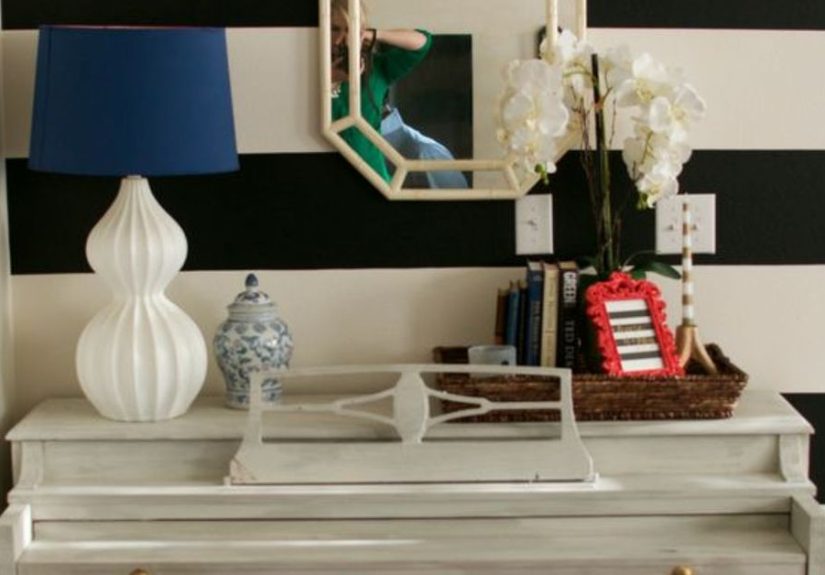
One renter fell in love with a dramatic, high-contrast black-and-white pattern and decided to put it on the entire living room wall. The problem? The apartment was small and didn’t get a lot of natural light. Within a week, the room felt more like a cave than a cozy lounge.
The solution was simple: they kept the peel-and-stick wallpaper but limited it to a narrower section behind the TV console and balanced it with lighter furniture and art. The wall still looked stylish, but the space felt much more open. The takeaway: it’s okay to go bold, but consider scale and lighting. If you’re unsure, try the bold pattern on a smaller section first.
2. Using Panels to Hide Imperfect Walls
Another renter had heavily textured walls with old patch marks and uneven paintexactly the kind of surface that makes peel-and-stick tricky. Instead of fighting the texture, they installed lightweight slat-style panels using a combination of removable adhesive strips and one or two strategically placed screws.
The result was a sleek, modern accent wall behind the bed that completely disguised the imperfections. Before moving out, they removed the panels, patched the screw holes with spackle, did quick touch-up paint, and the wall looked better than when they moved in. In this case, adding a feature wall actually improved the condition of the rental.
3. The Fabric Wall That Became a Sound Buffer
Thin apartment walls are a special kind of challenge. One renter decided to create a fabric feature wall behind their TV. They built a simple frame from inexpensive wood strips, attached foam panels to the frame, and wrapped everything in a heavy, textured fabric. The frame was hung using heavy-duty removable hooks.
Not only did the wall look cozy and custom, but it also helped absorb sound, reducing echo and muffling some noise from the neighboring unit. It didn’t make the apartment soundproof (we wish), but it did make movie nights feel more immersive and reduced the “thin wall” feeling. Moral of the story: a feature wall can be both beautiful and functional.
4. A Studio Apartment “Room Divider” Wall
In a small studio, the bed was basically the first thing you saw from the front door. The renter wanted it to feel more like a sleeping nook and less like “welcome to my mattress.” They used a freestanding, floor-to-ceiling room divider system and covered one side with peel-and-stick wallpaper. The divider sat a few feet away from the actual wall, creating a tiny “bedroom” zone behind it.
By placing the sofa on the other side of the divider, facing away from the bed, the studio suddenly felt like a one-bedroom. Everything was still removable and renter-safe, but the impact on how the space functioned was huge.
5. The “Do a Test Strip First” Reminder
Most renters who’ve tried peel-and-stick will tell you the same thing: always test. One person skipped this step, covered an entire wall, and only discovered during removal that their paint was poorly bonded to the drywall. When the wallpaper came off, some paint came with it.
They were able to repair it with primer and paint, but it was a stressful surprise right before move-out. The simple fix would have been to apply a small piece of the wallpaper weeks earlier, remove it, and see how the paint behaved. If your building’s paint job is older or looks cheap and chalky, that test is non-negotiable.
6. Why Rental-Friendly Walls Are Worth the Effort
Almost everyone who’s created a rental-friendly feature wall reports the same thing: the psychological boost is real. When you transform a blank wall into something intentional and personal, your rental stops feeling temporary and starts feeling like homeeven if you’re only there for a year.
It’s about more than aesthetics. A feature wall behind your desk can make remote work feel more professional. A cozy accent behind your bed can improve sleep and relaxation. A cheerful pattern in a child’s room can help them feel settled in a new place. These projects are relatively low-cost and reversible, but the day-to-day benefits are big.
So if you’ve been hesitating because you’re worried about your landlord or overwhelmed by options, consider this your sign. Start small, do a test, and build the feature wall that makes you smile every time you walk in the door. Your depositand your future selfwill thank you.