Table of Contents >> Show >> Hide
- Why a Watering Can Makes a Great Door Hanger
- Choosing the Right Watering Can
- How to Turn a Watering Can into a Door Hanger
- Best Design Styles for a Watering Can Door Hanger
- Color, Texture, and Placement Tips
- Common Mistakes to Avoid
- How to Refresh It Through the Year
- Final Thoughts
- Experience Notes: What I Learned from Living with a Watering Can Door Hanger
- SEO Tags
Some DIY projects whisper, “I’m charming.” A repurposed watering can door hanger practically sings it from the porch. It has vintage personality, cottage-garden flair, and just enough “Where did you get that?” energy to make the neighbors slow down on their evening walk. Better yet, it turns an old garden tool into front-door decor that feels fresh, personal, and surprisingly stylish.
If you are tired of the same old wreath routine, this project is a cheerful plot twist. A watering can already has a built-in story: it suggests flowers, gardening, sunshine, and someone in the house who at least looks like they remember to water things on time. Whether your style leans farmhouse, rustic, shabby chic, vintage, or simply “I saw this at a thrift store and now I’m emotionally invested,” a watering can door hanger fits right in.
This guide walks through how to turn a humble old watering can into a front door statement piece that works for spring, summer, fall, and even winter. You will learn what kind of watering can works best, how to style it, how to hang it safely, and how to keep it from becoming a rusty science experiment. Along the way, we will also talk design, color, seasonal swaps, and a few lessons learned the fun way, also known as trial and error with hot glue.
Why a Watering Can Makes a Great Door Hanger
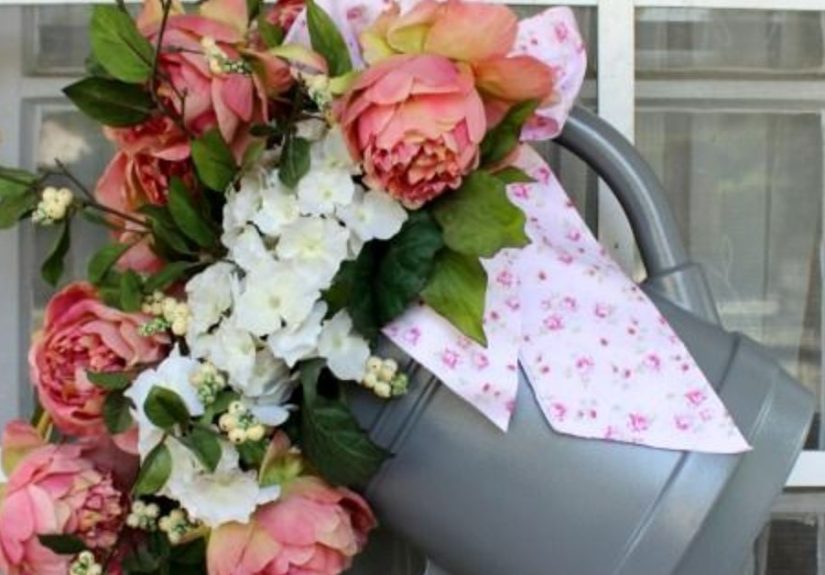
A watering can has what every good decorating piece needs: shape, texture, and instant theme. The curved handle gives you a natural hanging point, the spout adds visual movement, and the body of the can acts like a pocket for flowers, greenery, ribbons, or seasonal accents. In other words, it is basically a wreath that decided to major in personality.
It also works as a clever upcycling project. Instead of tossing a dented, faded, or slightly weathered can, you can turn it into a piece of decor with real curb appeal. That is one reason this idea feels so satisfying. You are not buying something mass-produced that looks like it came from Aisle 7 next to the scented pinecones. You are making something memorable from something overlooked.
From a design standpoint, a watering can door hanger is more flexible than many wreaths. You can pack it with faux tulips in spring, wildflowers in summer, wheat stems in fall, or evergreen sprigs in winter. You can keep it soft and romantic, bright and playful, or muted and elegant. One container, endless mood swings.
Choosing the Right Watering Can
Metal vs. Plastic
Metal watering cans usually look more polished and authentic on a front door. Galvanized finishes work beautifully for farmhouse decor, while painted metal cans can lean cottage or vintage. Plastic can work too, especially if it has a nice shape and a matte finish, but it tends to read more practical than decorative unless you dress it up well.
If you are using an old metal can, inspect it first. A little age adds character. Actual structural failure, not so much. If the handle feels loose or the metal is flaking badly, it may need reinforcement before you trust it to hang over your entry.
Size Matters
A small watering can may disappear against the door like a shy party guest. A giant one can overwhelm the entry and look like you are auditioning for a garden-themed musical. The sweet spot is usually medium-sized: large enough to hold an arrangement with shape, but light enough to hang without drama.
As a general design rule, the hanger should complement the width of your door without taking over the entire scene. You want “welcoming focal point,” not “metal object attempting to annex the doorknob.”
Condition and Finish
Scratches, patina, and a little weathering often add charm. Still, if you want a cleaner look, repainting is fair game. For metal cans, prep matters. A proper metal primer and several thin coats of paint are much smarter than one thick coat that drips, chips, and ruins your confidence before lunch.
How to Turn a Watering Can into a Door Hanger
Supplies You Will Likely Need
Most versions of this project use a similar toolkit: a watering can, faux or dried flowers, greenery, floral foam or filler, floral wire, ribbon, wire cutters, and a hook or hanging system for the door. Some crafters also use hot glue for lightweight decorative elements, especially when adding dried flowers, bows, or little seasonal accents.
Step 1: Prep the Can
Clean the watering can thoroughly. Remove dust, cobwebs, and whatever mystery substance has been living in the bottom since 2019. If you are repainting it, sand lightly where needed, apply the right primer, and paint in thin coats. Let everything dry fully before decorating. Rushing this part is how fingerprints become “texture,” and not in a good way.
Step 2: Add Structure Inside
The flowers need something to hold them in place. Floral foam is a popular choice because it lets you arrange stems securely and angle them the way you want. You can also use crumpled paper, preserved moss, lightweight filler, or a hidden container tucked inside the can. The goal is simple: create volume and support without adding too much weight.
Step 3: Build the Arrangement
Start with your greenery first to establish shape. Then add focal flowers, followed by smaller filler stems. Let some pieces spill slightly out of the top and toward one side for a relaxed, garden-picked look. Symmetry can be beautiful, but in this project a slightly loose, organic arrangement usually feels more natural and expensive.
If your design includes decorative extras such as eggs for spring, mini pumpkins for fall, pinecones for winter, or ribbon tails for almost any season, add them after the main flowers are in place. This keeps the can from looking busy too early. Think of it like seasoning soup: add enough flavor, but do not dump in the entire spice cabinet because you got excited.
Step 4: Hang It Securely
You can hang the finished piece from the handle, but many designs look best when the can is additionally stabilized with floral wire or another discreet support so it stays facing forward. A ribbon can soften the utility of the wire and make the finished hanger feel polished. The biggest mistake here is focusing only on how it looks from straight on. Test how it sits when the door opens and closes and whether it shifts sideways.
Best Design Styles for a Watering Can Door Hanger
Spring Cottage Style
Spring is the obvious superstar season for this project, and for good reason. Tulips, faux ranunculus, eucalyptus, soft greenery, pastel ribbon, and delicate filler stems all look right at home in a watering can. The overall effect is fresh, cheerful, and friendly without trying too hard.
Summer Garden Style
For summer, use brighter colors and a slightly fuller arrangement. Think sunflowers, daisies, lavender, zinnias, or wildflower-inspired stems. This version looks especially good on a white, black, navy, or sage-green front door. It says, “Yes, we enjoy sunshine,” even if everyone inside is actually hiding from the heat with the blinds half closed.
Fall Farmhouse Style
Fall is where texture takes over. Add wheat, dried grasses, muted leaves, berries, burlap ribbon, mini faux pumpkins, or seed-pod stems. If the can is galvanized or lightly distressed, the whole thing starts to feel delightfully harvest-ready without slipping into theme-park territory.
Winter Evergreen Style
In winter, a watering can door hanger can replace a traditional wreath beautifully. Try faux cedar, pine, magnolia leaves, bells, berries, or a velvet ribbon. Mixing faux greenery with a few real sprigs can help the arrangement look more natural while keeping maintenance low. The key is to keep it lush but not bulky.
Color, Texture, and Placement Tips
The best front door decor works with the house, not against it. If your door is a bold color, choose flowers and ribbon that complement rather than compete. If your door is neutral, the watering can arrangement can carry more color and contrast. A black door loves greenery and white blooms. A blue door looks gorgeous with pinks, creams, or yellows. A wood door pairs well with earth tones, rust, ivory, and soft greens.
Texture matters as much as color. Combining smooth blooms, wispy filler, matte greenery, and a tactile ribbon creates depth. That is what takes a project from “cute craft” to “that looks professionally styled.” A dried or faux flower arrangement can also stay up longer than fresh stems, which is handy if you want your front door decor to survive more than a long weekend.
Placement also matters. If your porch already has planters, lanterns, a mat, and seasonal signs, keep the watering can arrangement edited so the whole entry does not feel crowded. If your door area is bare, the hanger can be fuller and more dramatic. Good curb appeal is not about cramming every possible decorative object into one zip code. It is about balance.
Common Mistakes to Avoid
Making It Too Heavy
Yes, that giant arrangement looks fabulous on the worktable. No, your door may not appreciate it. Keep weight in check, especially if you are using a vintage metal can. Lightweight faux stems are usually the safest bet for a long-lasting display.
Ignoring Weather
If your front door gets direct sun, strong wind, or rain, choose materials that can handle exposure. Some faux florals fade quickly outdoors, and some ribbons wilt emotionally after one storm. Outdoor-friendly materials are worth it.
Forgetting the Door Hardware
Your arrangement should not block the peephole, scrape the paint, smack the storm door, or tangle with the knocker. Function still matters, even in the presence of very pretty flowers.
Overdecorating
A watering can already has visual character. It does not need every accessory in the craft aisle to prove its worth. A good arrangement has focal flowers, greenery, one accent idea, and breathing room. Decor confidence often looks like restraint.
How to Refresh It Through the Year
One of the smartest things about this project is that you can reuse the same can season after season. Instead of making a whole new front door decoration every time the calendar changes moods, just swap the stems and accents.
In spring, use tulips and soft greens. In summer, switch to brighter blooms and fuller filler. In fall, add dried textures, leaves, and warm ribbon. In winter, bring in evergreens, berries, and metallic touches. The base stays the same, but the look changes enough to feel new. It is practical, budget-friendly, and deeply satisfying for anyone who loves decorating but also likes eating food and paying bills.
Final Thoughts
A repurposed watering can door hanger is one of those rare home decor projects that manages to be charming, creative, and useful all at once. It upcycles something old, adds personality to your entry, and gives you endless styling options without demanding a giant budget or a professional design degree.
It is also a wonderful reminder that curb appeal does not have to mean expensive landscaping or a complete porch makeover. Sometimes it is one clever piece, thoughtfully styled, that makes the whole entrance feel more welcoming. A watering can filled with flowers does exactly that. It feels warm, playful, and a little nostalgic. It says, “Someone lives here who appreciates beauty, ingenuity, and probably owns at least one ribbon they refuse to throw away.”
If you want a DIY project that looks custom, feels seasonal, and can evolve with your style, this is a great one to try. Start with the can, add a little creativity, and let the front door do the flirting.
Experience Notes: What I Learned from Living with a Watering Can Door Hanger
The first time I made a watering can door hanger, I treated it like a craft project. By the second season, I realized it behaved more like a tiny front-porch personality test. Every choice changed the mood. Bright flowers made the entry feel playful. Dried stems made it look more collected and calm. A giant floppy bow made it look festive for about three days, then mildly dramatic, like the decor had opinions.
What surprised me most was how much a watering can arrangement affected the entire entryway. I did not repaint the porch. I did not install fancy lights. I did not suddenly become the kind of person who casually arranges heirloom pumpkins in flattering clusters. I simply hung one decorated watering can on the door, and somehow the whole space looked more intentional. The welcome mat seemed smarter. The planters looked less lonely. Even the mail slot appeared to be trying harder.
I also learned that the best versions are not the ones stuffed to the brim with every pretty stem in the craft store. The most successful arrangement I made had only a few main flowers, soft greenery, and one trailing ribbon. It looked airy and easy, which is funny because I definitely spent too long moving a single branch one inch to the left like I was styling a magazine shoot. Still, the restraint paid off. It looked elegant instead of chaotic.
Another lesson was seasonal flexibility. I used to think front door decor had to be a full commitment, like a relationship or a sectional sofa. But this project is forgiving. In spring, I used faux tulips and eucalyptus. In summer, I swapped in daisies and a striped ribbon. In fall, I added wheat stems and rusty orange accents. In winter, evergreen branches and berries made the same can look cozy and polished. One base piece, four completely different moods. It felt efficient and creative at the same time, which is basically the decorating equivalent of finding jeans with usable pockets.
Weather taught me a few things too. Direct sun can turn certain faux flowers from “freshly styled” to “mysteriously tired” faster than expected. Wind is also not impressed by delicate design decisions. After one blustery afternoon, I found a decorative stem hanging on by what can only be described as optimism. Since then, I have used sturdier materials, secured pieces more firmly, and accepted that outdoor decor needs a little common sense along with its charm.
Most of all, I learned that people notice this project in a way they do not always notice a traditional wreath. Friends comment on it. Delivery drivers glance at it. Neighbors ask where it came from. There is something approachable about a watering can on a door. It feels familiar and creative rather than formal. It suggests warmth without trying too hard. And in a world full of copy-and-paste seasonal decor, that kind of originality is worth hanging onto.

![How to create a content style guide [+ free guide & examples]](https://2quotes.net/wp-content/uploads/2026/03/how-to-create-a-content-style-guide-free-guide-examples-tuSyLoTW-thumb.jpg)